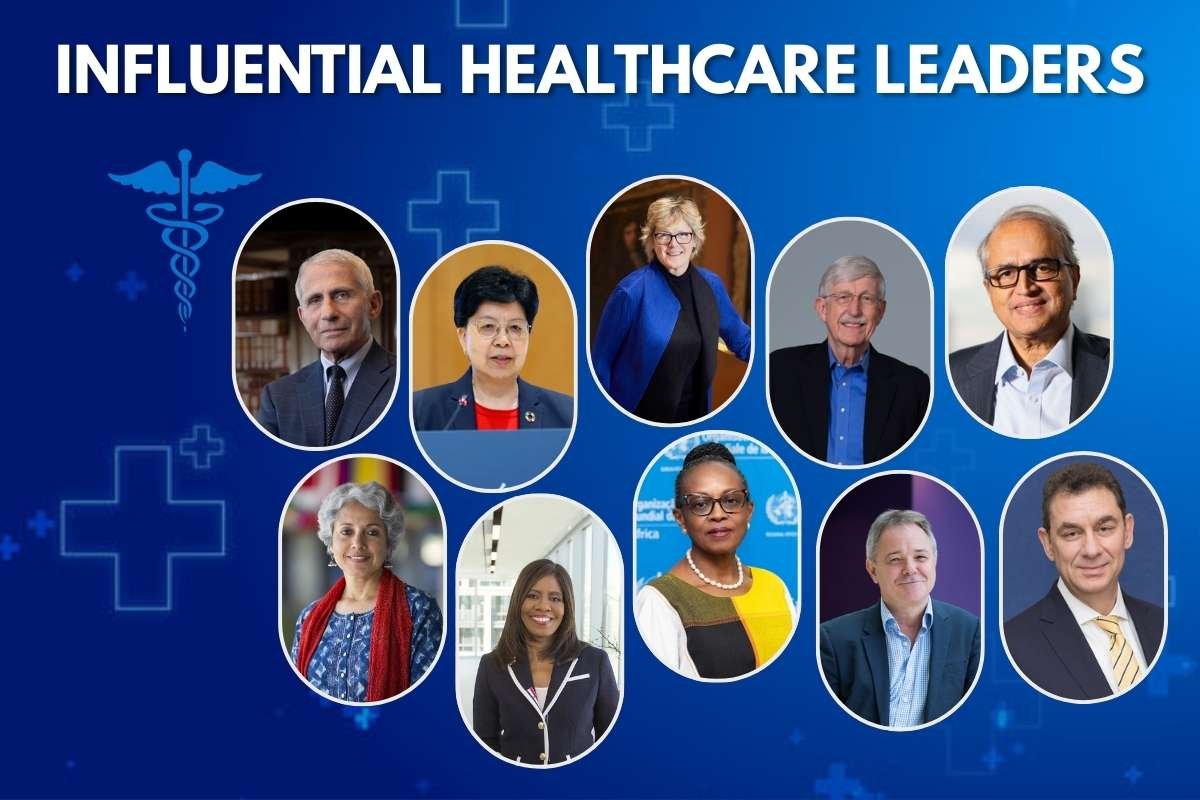
Global health outcomes are shaped less by chance and more by leadership decisions made at critical moments. According to the World Health Organization, over 70% of global disease burden is influenced by policy, system readiness, and leadership-led interventions rather than clinical care alone. From pandemic response and vaccine development to antimicrobial resistance and digital health adoption, a small group of individuals has played an outsized role in steering how nations protect public health.
This blog profiles some of the world’s most influential healthcare leaders who have guided responses to global crises affecting billions, overseen research budgets worth hundreds of billions of dollars, and shaped policies that determine healthcare access across continents. Their influence spans public health governance, biomedical research, pharmaceutical innovation, healthcare entrepreneurship, and emerging fields such as artificial intelligence–driven medicine.
What connects these leaders is their ability to convert data into decisive action, science into policy, and innovation into scalable impact. Together, their work reveals how evidence-based leadership, not just medical advancement, defines the future of global healthcare systems.
Top 15 Most Influential HealthCare Leaders Shaping Global Health (Oldest to Youngest)
This list features the world’s most influential healthcare leaders, arranged from the oldest to the youngest. It highlights how leadership across generations has shaped global health through policy, research, innovation, and crisis response. Each profile captures the leader’s role, expertise, and real-world impact on healthcare systems worldwide.
1. Dr. Anthony Fauci
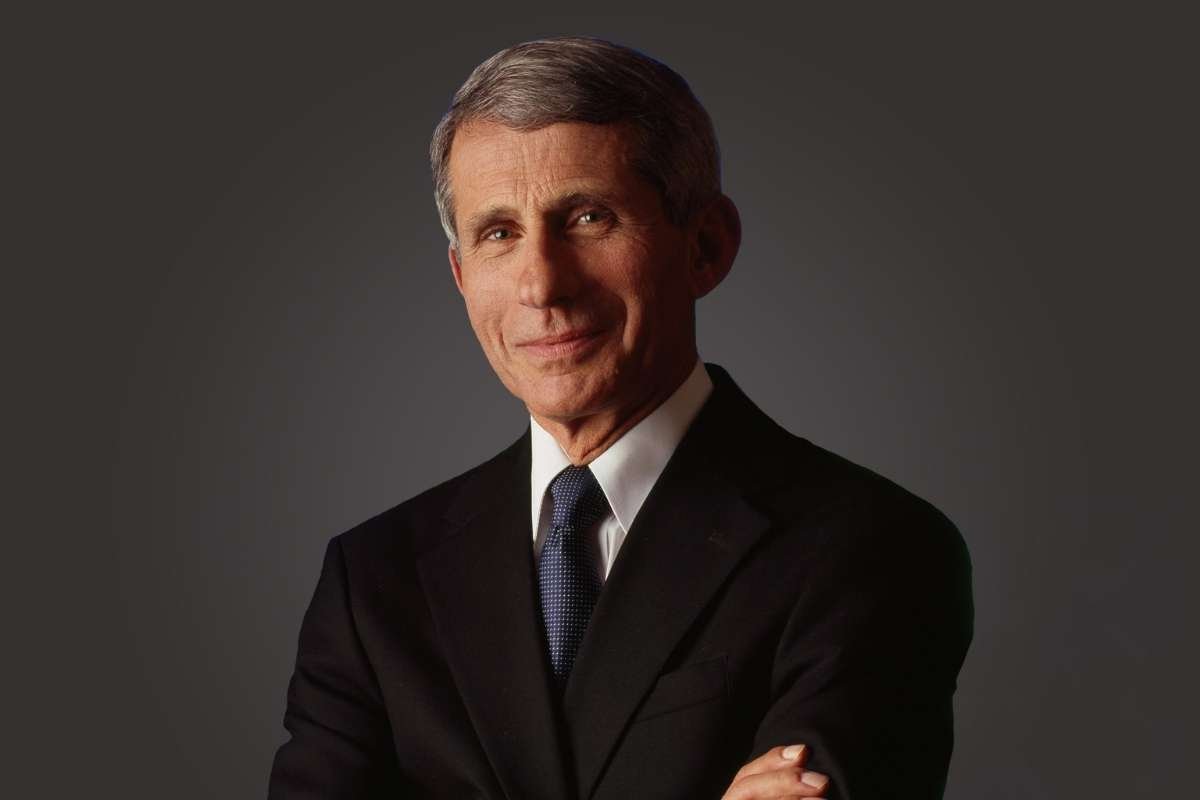
| Age | ~83 years |
| Country | United States |
| Primary Income Sources | Public service, medical research leadership |
| Position / Designation | Former Director, National Institute of Allergy and Infectious Diseases (NIAID) |
Dr. Anthony Fauci’s influence stems from his ability to translate complex science into actionable public health guidance. Over decades, he built trust across governments, scientists, and the public during multiple global health crises. His leadership emphasized evidence over politics, shaping long-term disease preparedness. Fauci’s legacy lies in strengthening how nations respond to infectious threats. He remains a benchmark for science-led healthcare leadership.
2. Dr. Margaret Chan
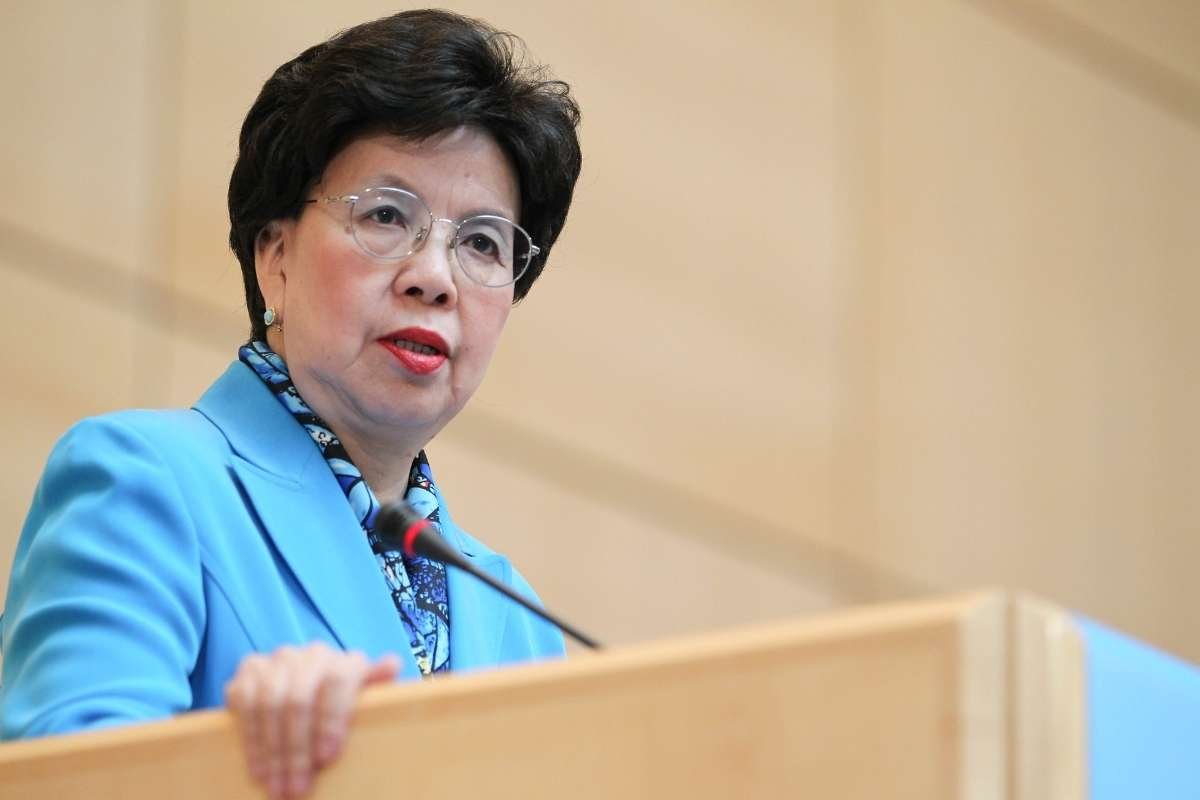
| Age | ~77 years |
| Country | China (Hong Kong) |
| Primary Income Sources | Public health leadership |
| Position / Designation | Former Director-General, World Health Organization (WHO) |
A few of the influential healthcare leaders who improved international collaboration during medical emergencies are Dr. Margaret Chan. Her leadership focused on disease prevention, emergency preparedness, and health equity. She consistently advocated for stronger healthcare systems in low- and middle-income regions. Her policy-first approach helped standardize global outbreak responses. Her impact continues to influence international health governance.
3. Dame Sally Davies
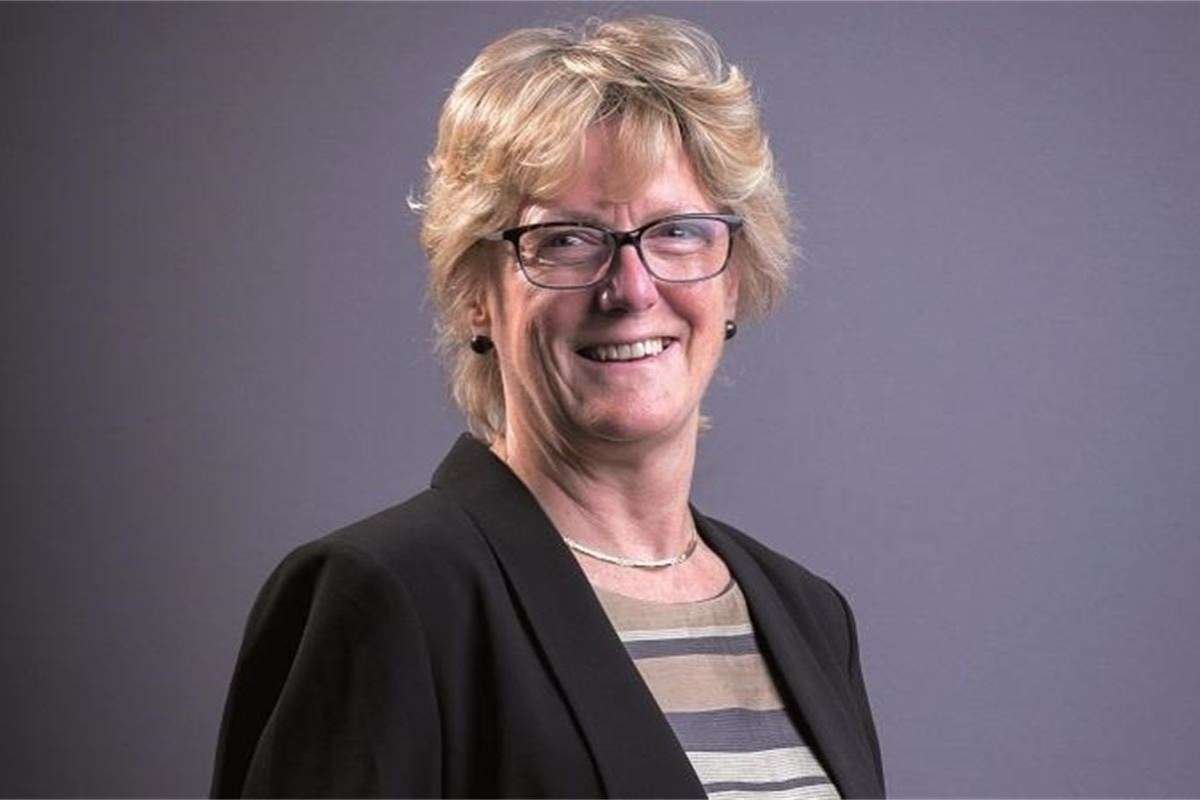
| Age | ~75 years |
| Country | United Kingdom |
| Primary Income Sources | Public health policy, global advocacy |
| Position / Designation | UK Special Envoy on Antimicrobial Resistance |
Dame Sally Davies brought global attention to antimicrobial resistance long before it became mainstream. She successfully reframed the issue as a global security and economic threat, not just a medical concern. Her advocacy influenced international funding priorities and research initiatives. She also played a key role in aligning governments toward long-term prevention strategies. Her work reshaped how health risks are evaluated globally.
4. Dr. Francis Collins
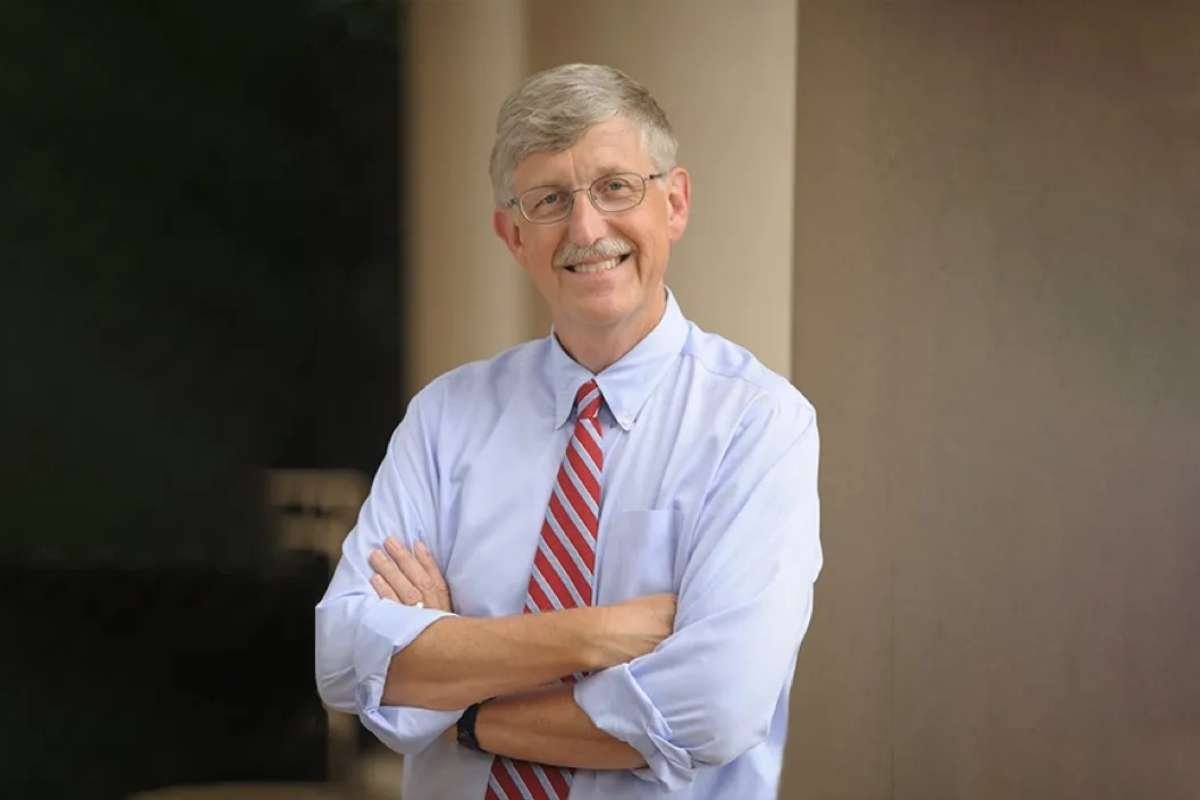
| Age | ~74 years |
| Country | United States |
| Primary Income Sources | Biomedical research, public service |
| Position / Designation | Former Director, National Institutes of Health (NIH) |
Dr. Francis Collins transformed medical research through large-scale collaboration and a strong commitment to scientific openness. He championed interdisciplinary innovation across genomics and precision medicine that reshaped diagnostics and treatment approaches. Collins also focused on ethical responsibility in biomedical advancement, reinforcing trust in science. Together, these contributions firmly place him among today’s most respected influential healthcare leaders.
5. Dr. Devi Shetty
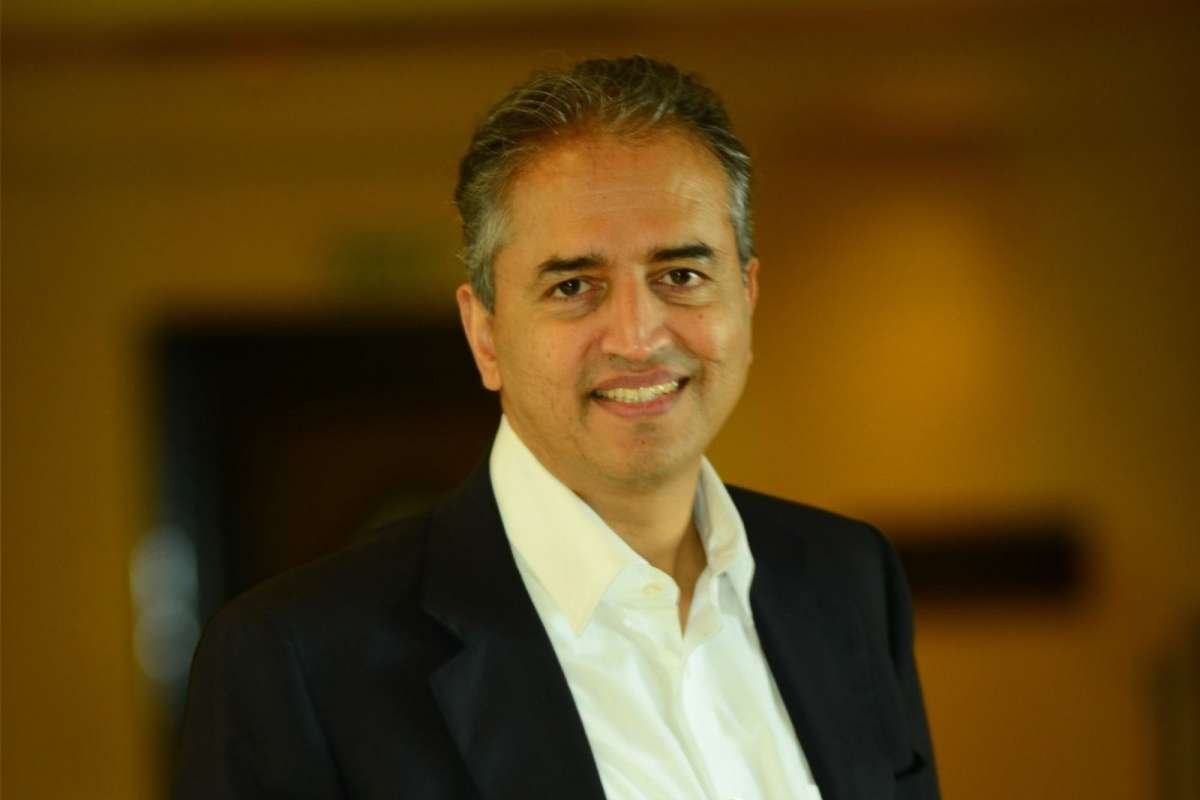
| Age | ~71 years |
| Country | India |
| Primary Income Sources | Healthcare entrepreneurship, hospital management |
| Position / Designation | Founder & Chairman, Narayana Health |
Dr. Devi Shetty challenged the belief that advanced healthcare must be expensive. His system-level innovations focused on efficiency, scale, and standardized care delivery. He demonstrated how affordability and quality can coexist without compromising outcomes. His approach inspired healthcare reform discussions worldwide. His impact extends beyond hospitals to healthcare economics.
6. Dr. Soumya Swaminathan
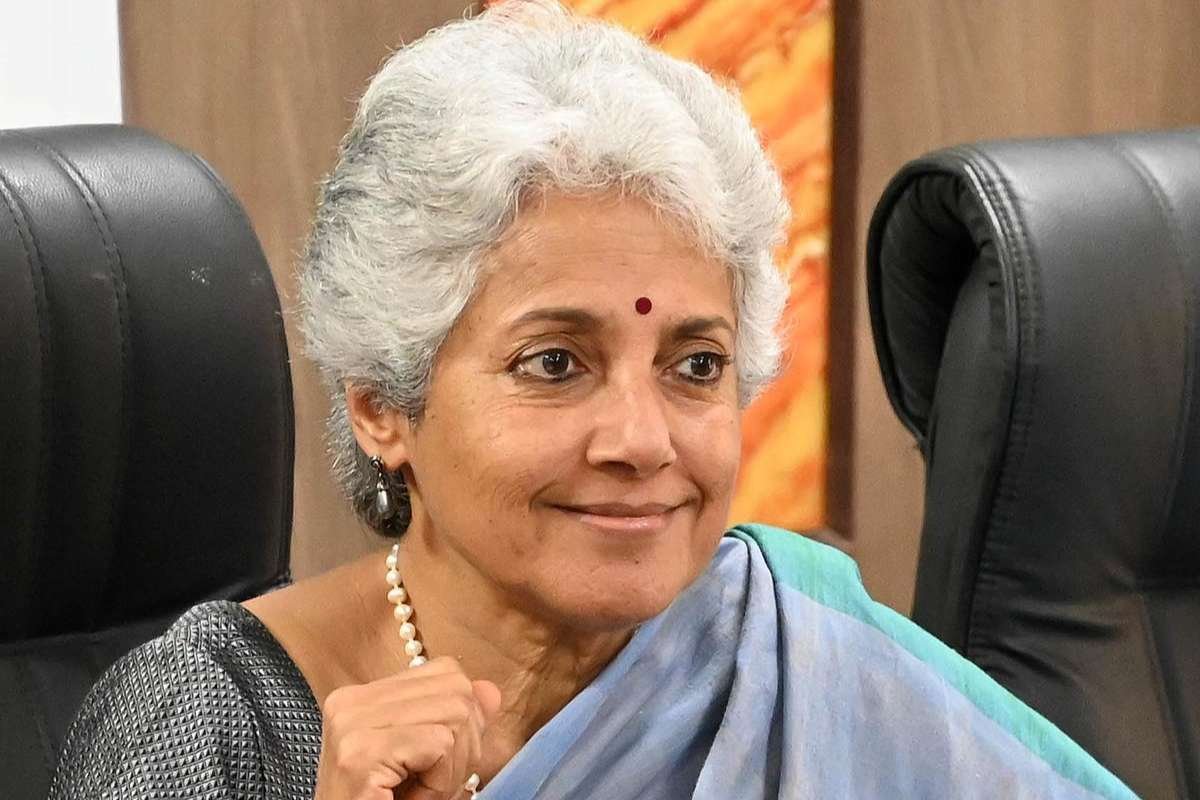
| Age | ~70 years |
| Country | India |
| Primary Income Sources | Public health research, scientific leadership |
| Position / Designation | Former Chief Scientist, WHO; Chairperson, MSSRF |
Dr. Soumya Swaminathan is regarded as a single thing of the influential healthcare leaders influencing evidence-based public health decisions and is known for supporting science-backed policy in difficult times. She consistently emphasized transparency, data integrity, and clear public communication. Her work strengthened trust between scientific institutions and policymakers. She played a crucial role in aligning global research priorities. Her leadership reinforced the long-term importance of evidence-based health decisions.
7. Dr. Patrice Harris
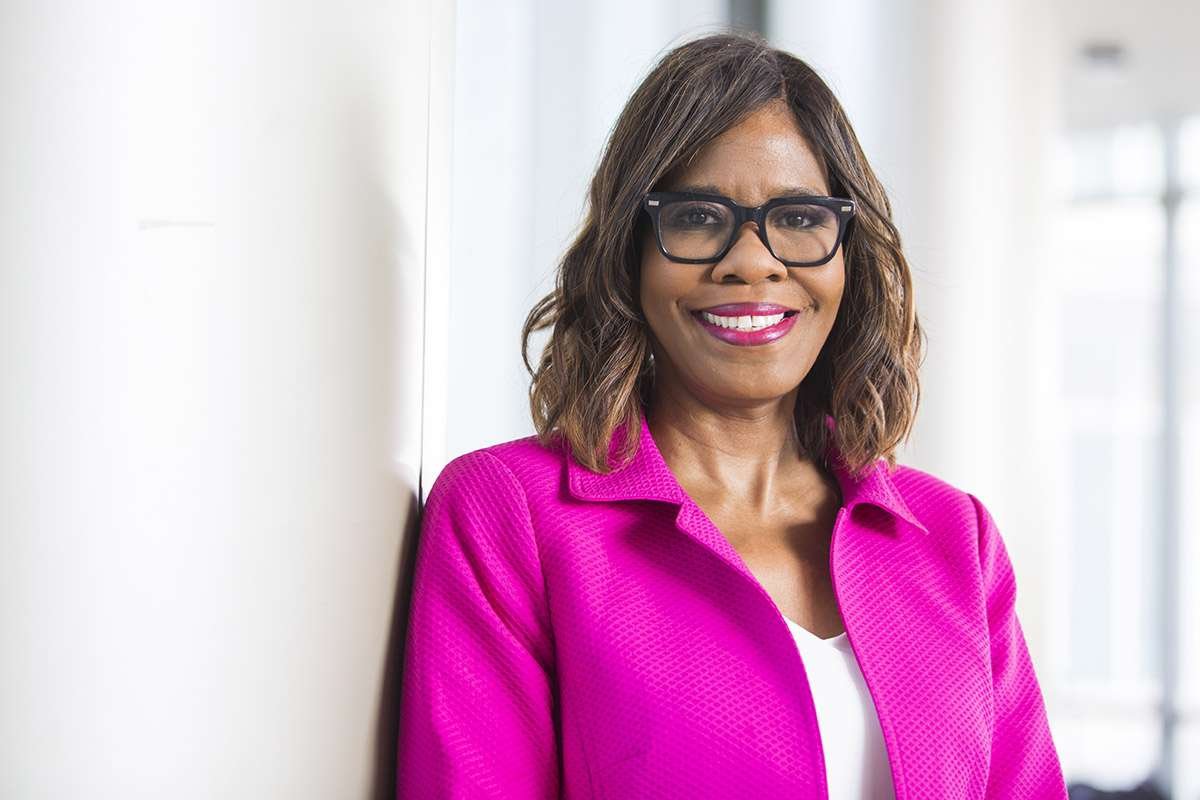
| Age | ~70 years |
| Country | United States |
| Primary Income Sources | Healthcare leadership, digital health |
| Position / Designation | CEO, eMed; Former President, American Medical Association |
Dr. Patrice Harris focused on the intersection of healthcare, technology, and mental well-being. She amplified conversations around equity, access, and digital healthcare adoption. Her leadership helped normalize mental health as a core public health priority. She also supported innovation that improved patient engagement. Her work reshaped modern healthcare advocacy.
8. Dr. Matshidiso Moeti
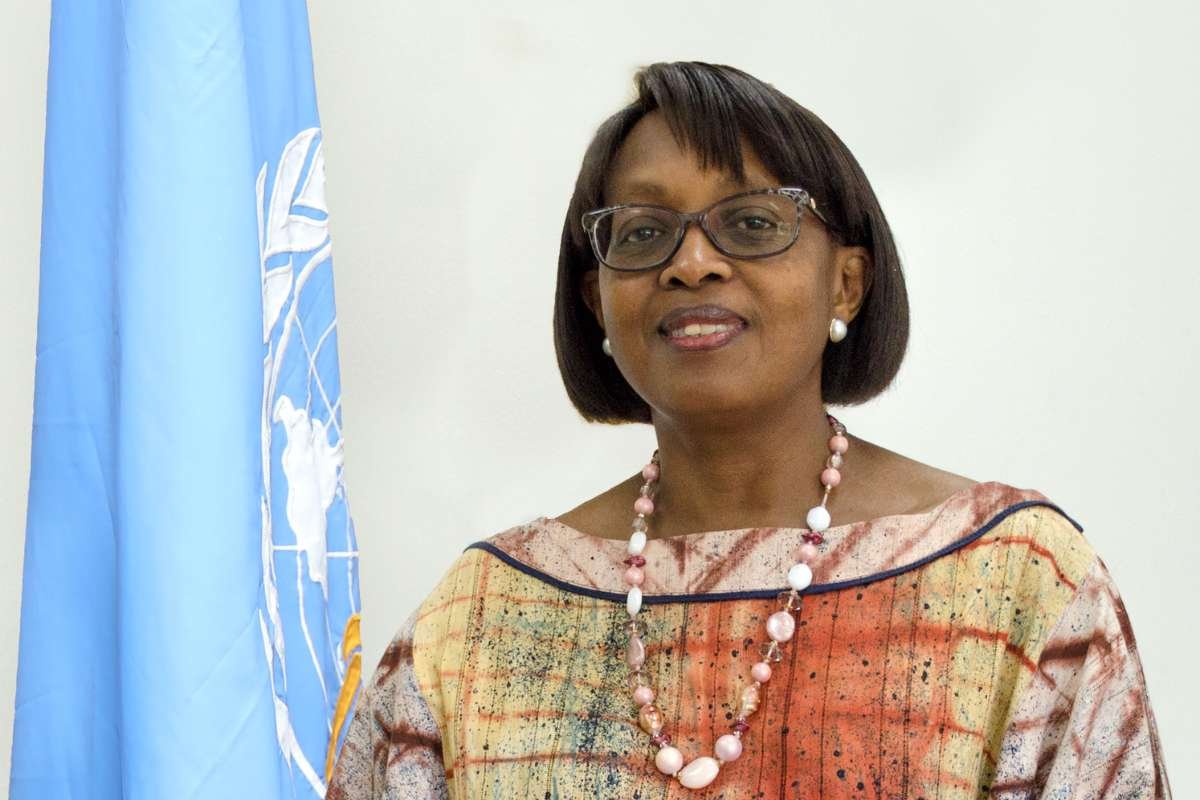
| Age | ~66 years |
| Country | Botswana |
| Primary Income Sources | International public health leadership |
| Position / Designation | Former WHO Regional Director for Africa |
Dr. Matshidiso Moeti is among the influential healthcare leaders who strengthened health resilience in underserved regions. Her work prioritized prevention, maternal health, and epidemic readiness. She emphasized local capacity-building over dependency-driven solutions. Her leadership improved cross-border disease response systems. She left a lasting institutional impact on regional healthcare systems.
9. Dr. Jeremy Farrar
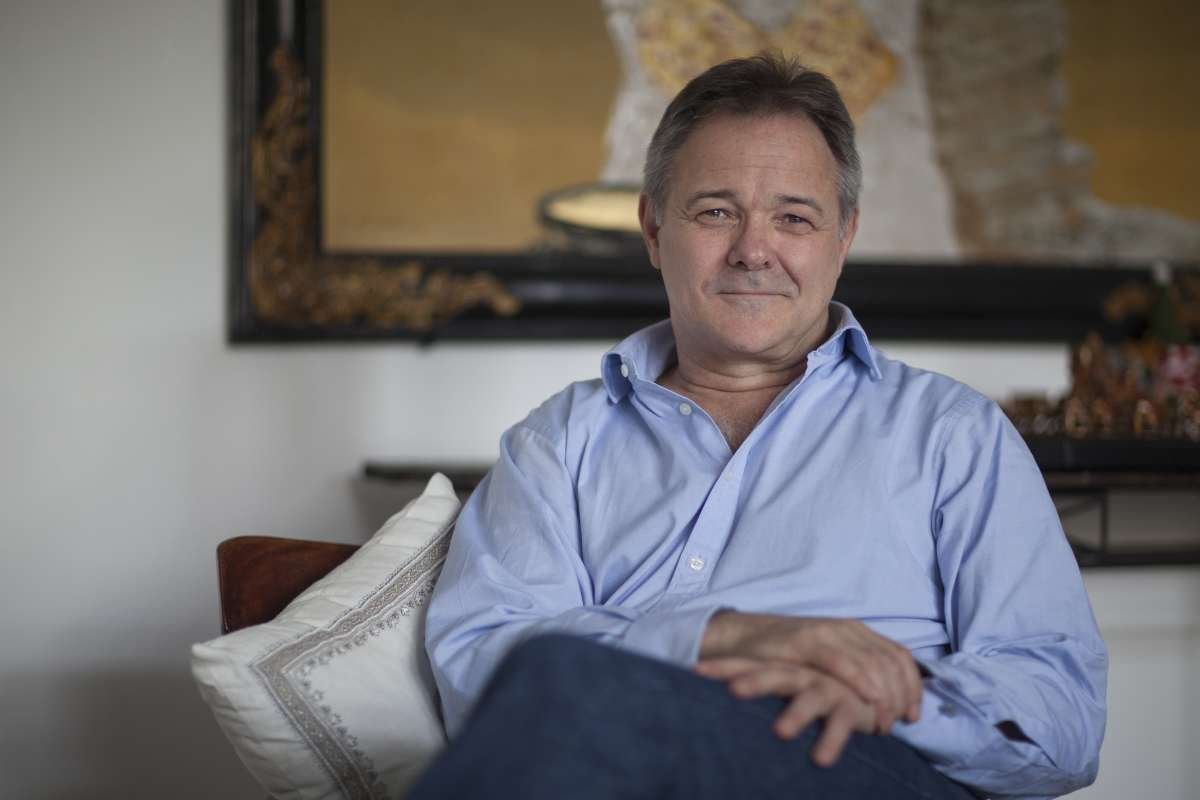
| Age | ~62 years |
| Country | United Kingdom |
| Primary Income Sources | Global health research, policy leadership |
| Position / Designation | Chief Scientist, World Health Organization (WHO) |
Dr. Jeremy Farrar is known for connecting frontline research with real-world health policy. He promoted faster data sharing during health emergencies. His approach reduced delays between scientific discovery and policy action. He also strengthened global research collaboration networks. His influence lies in turning science into timely solutions.
10. Dr. Albert Bourla
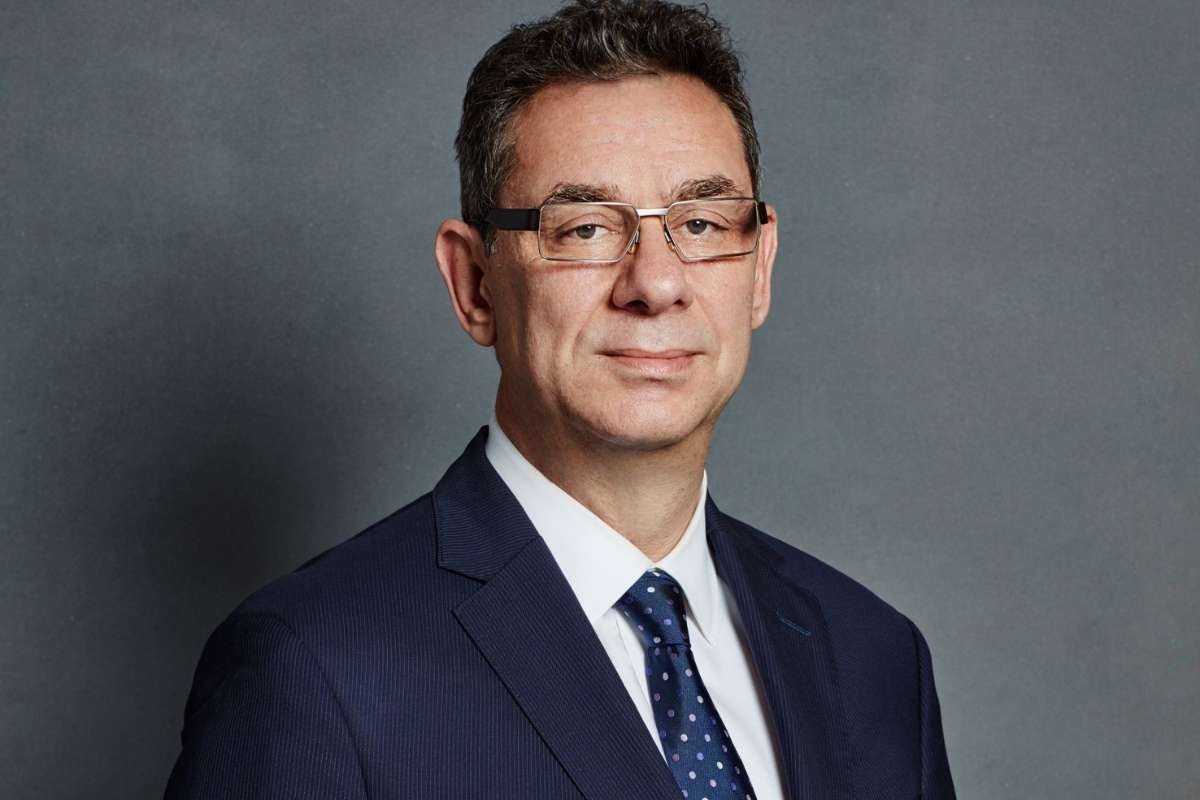
| Age | ~62 years |
| Country | Greece / United States |
| Primary Income Sources | Pharmaceutical executive leadership |
| Position / Designation | Chairman & CEO, Pfizer |
Dr. Albert Bourla redefined speed and scale in pharmaceutical innovation by emphasizing science-backed risk-taking during critical moments. His leadership demonstrated how private-sector agility can effectively support global health goals. He also highlighted the importance of ethical responsibility in drug development. Through decisive action and long-term vision, his tenure reshaped industry expectations. These contributions firmly position him among today’s influential healthcare leaders.
11. Dr. Paul Stoffels
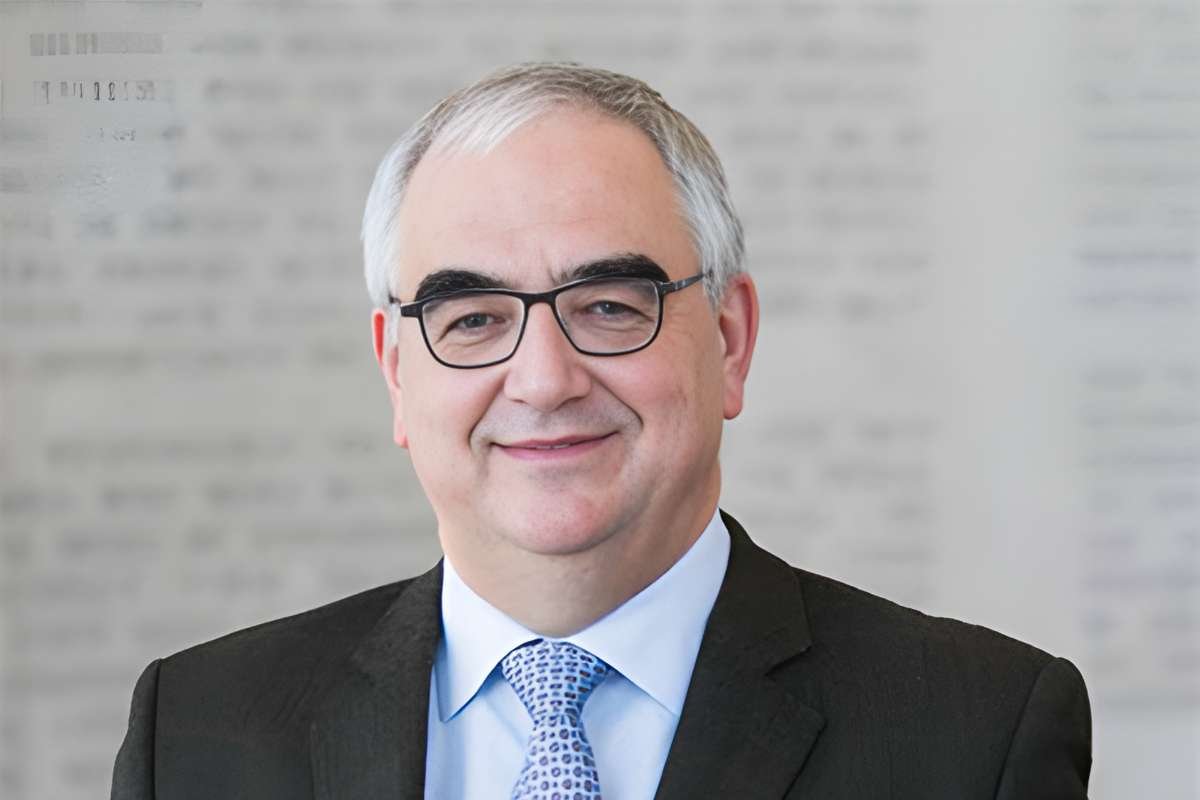
| Age | ~60 years |
| Country | Belgium |
| Primary Income Sources | Pharmaceutical research and executive leadership |
| Position / Designation | Former Vice Chairman & Chief Scientific Officer, Johnson & Johnson |
Dr. Paul Stoffels focused on translating scientific discovery into accessible healthcare solutions. He strengthened vaccine pipelines and infectious disease research. His leadership balanced innovation with global access commitments. He promoted long-term research investments over short-term gains. His work advanced industry-led public health impact.
12. Dr. Rochelle Walensky
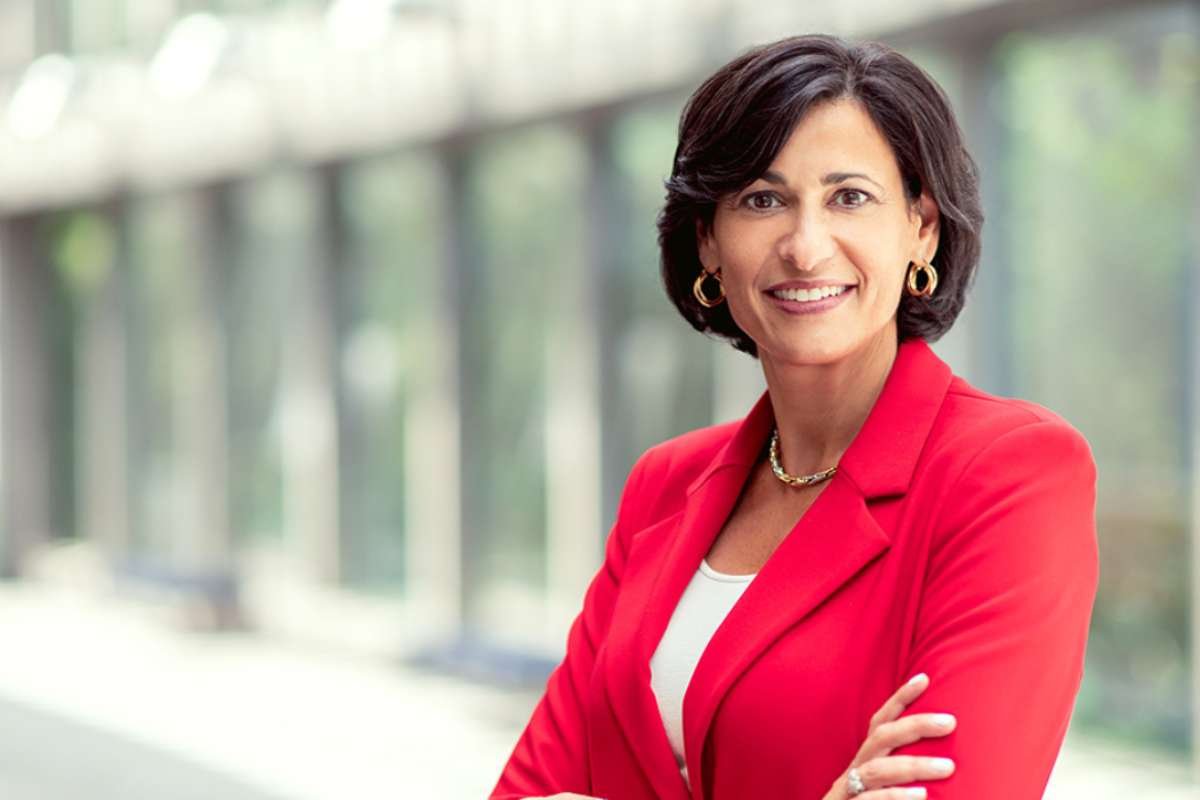
| Age | ~60 years |
| Country | United States |
| Primary Income Sources | Academic medicine, public health leadership |
| Position / Designation | Former Director, U.S. Centers for Disease Control and Prevention (CDC) |
Dr. Rochelle Walensky steered public health communication during crisis periods and emerged as one of the influential healthcare leaders guiding data-driven decision-making. She emphasized transparency and real-time reporting to address rapidly evolving health risks. Her leadership relied on adaptive strategies grounded in evidence. She also worked to rebuild public confidence in health institutions. Her impact consistently centered on accountability and trust.
13. Dr. Tedros Adhanom Ghebreyesus
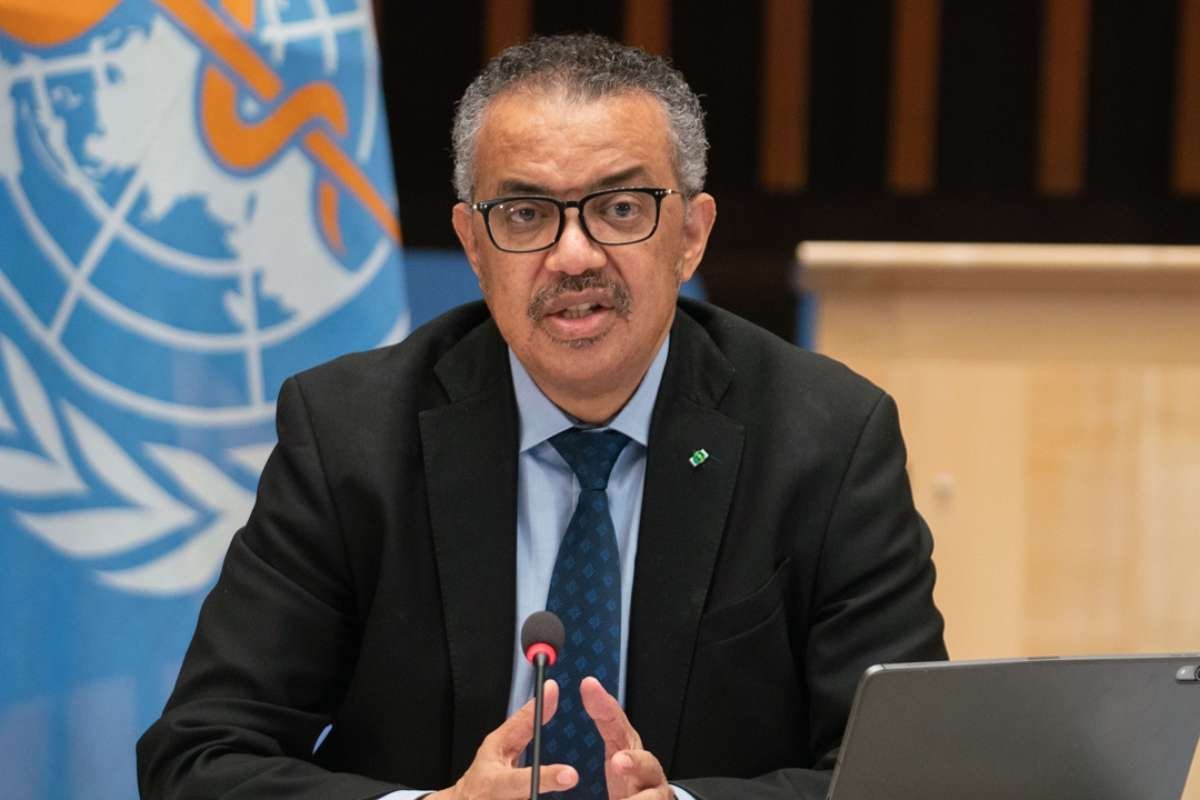
| Age | ~59 years |
| Country | Ethiopia |
| Primary Income Sources | Global health governance |
| Position / Designation | Director-General, World Health Organization (WHO) |
Dr. Tedros focused on reshaping global health priorities toward equity and universal access. He consistently highlighted the link between health, economics, and social stability. His leadership encouraged international cooperation during fragmented times. He strengthened global health diplomacy frameworks. His influence extended beyond healthcare into global policy.
14. Dr. Atul Gawande
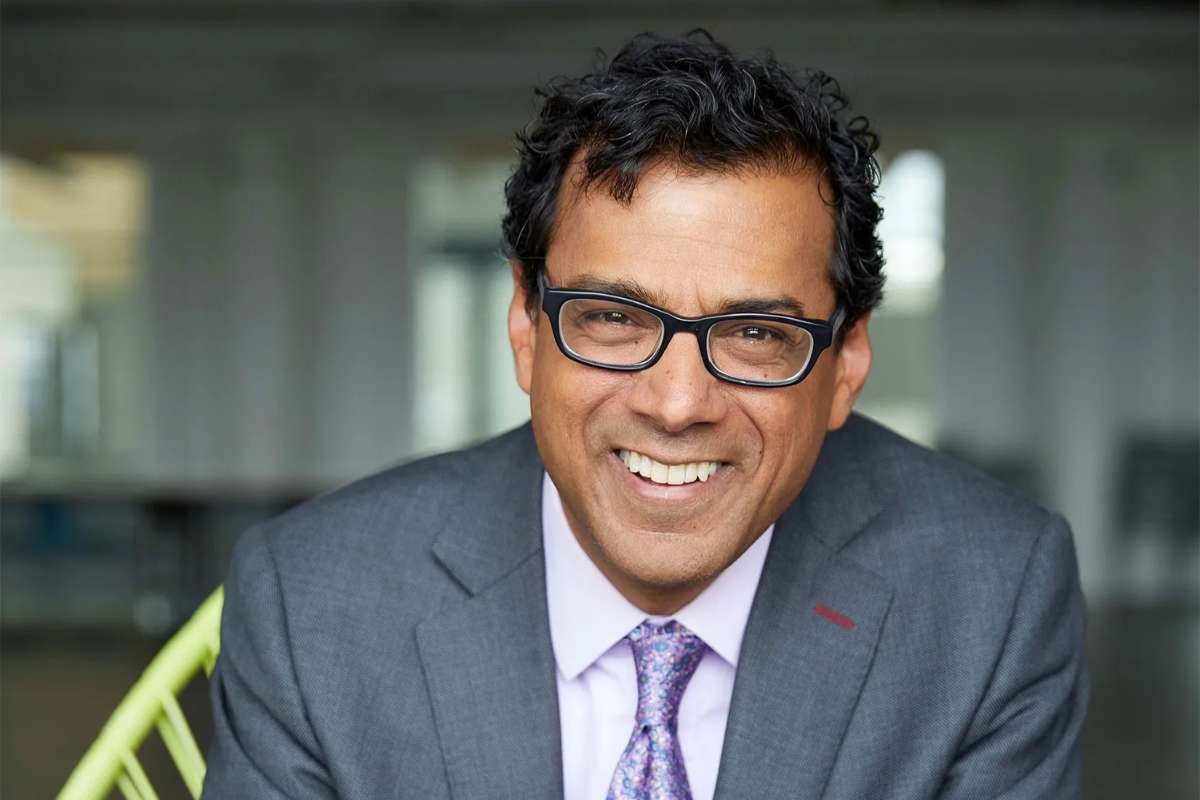
| Age | ~58 years |
| Country | United States |
| Primary Income Sources | Surgery, healthcare policy, writing |
| Position / Designation | Surgeon, Author, Global Health Leader |
Some of the influential healthcare leaders who changed the way healthcare systems gauge performance are Dr. Atul Gawande. He emphasized patient safety, system efficiency, and accountability. His work translated complex medical challenges into practical solutions. He bridged clinical practice with policy reform. His influence reshaped healthcare thinking worldwide. He received the MacArthur Fellowship in 2006.
15. Dr. Fei-Fei Li

| Age | ~48 years |
| Country | United States |
| Primary Income Sources | AI research, academic leadership |
| Position / Designation | Co-Director, Stanford Human-Centered AI Institute |
Dr. Fei-Fei Li represents the future-facing side of healthcare innovation. Her work integrates artificial intelligence with human-centered medical care. She emphasizes ethical AI deployment in clinical settings. Her research accelerated advancements in diagnostics and medical imaging. She continues to shape technology-driven healthcare evolution.
Conclusion:
Healthcare progress is rarely driven by technology or funding alone; it is shaped by leadership that can turn evidence into action at scale. The individuals featured in this list of influential healthcare leaders have shaped policies, research priorities, and healthcare systems impacting billions of lives worldwide. Arranged from the oldest to the youngest, this list also reflects how healthcare leadership has evolved across generations, showing that experience, data, and long-term vision remain critical to improving global health outcomes.

Frequently Asked Questions (FAQs)
1. What qualifies someone as an Influential HealthCare Leader?
Influential HealthCare Leaders are individuals whose decisions, policies, or innovations have created measurable, large-scale impact on healthcare systems, public health outcomes, or global health governance.
2. How is the list of influential healthcare leaders structured?
The list is arranged from the oldest to the youngest based on age, highlighting how leadership influence has evolved across different generations.
3. Are only public health officials included in this list?
No. The list includes leaders from public health institutions, biomedical research, pharmaceutical leadership, healthcare entrepreneurship, and emerging technologies.
4. Why are leaders from multiple countries featured?
Global health challenges are interconnected. Including leaders from different regions reflects the international collaboration required to address pandemics, health equity, and disease prevention.
5. How does this leadership impact everyday healthcare?
These leaders influence healthcare funding, treatment guidelines, emergency preparedness, access to medicines, and long-term policies that directly affect patient care worldwide.