Running a business comes with constant expenses, and equipment is often one of the biggest. Whether you operate in construction, design, retail, hospitality, or just professional services, the tools and the machinery that you rely on can quickly drain your budget if you’re not careful. With some smart planning and practical decisions, you can significantly reduce your costs without sacrificing quality or performance. We’ve got 10 simple and effective ways to save money on business equipment.
Assess what you actually need
It’s important to do an audit before you go ahead and start buying or spending any money. It’s very easy to overspend on high end equipment packed with features you may never use, so you have to take the time to evaluate your real needs. Focusing on functionality over prestige is important, so ask yourself whether the equipment that you buy directly increases revenue. Is it essential now or can it wait? Are there lower cost models that meet the same requirements? Clear planning prevents impulse purchases and unnecessary upgrades by trying to keep up with the Joneses.
Consider renting before you buy
Believe us when we say that not every piece of equipment needs to be owned, as there are many ways to save money on business equipment. If you only need certain tools for short term projects or seasonal demand, equipment rentals can be far more cost effective than purchasing outright. Renting reduces upfront capital expenses and eliminates long term maintenance and storage costs. It also gives you flexibility if your needs start to change. For many businesses, especially startups, this can protect cash flow during critical growth stages.
Look to buy used or refurbished equipment
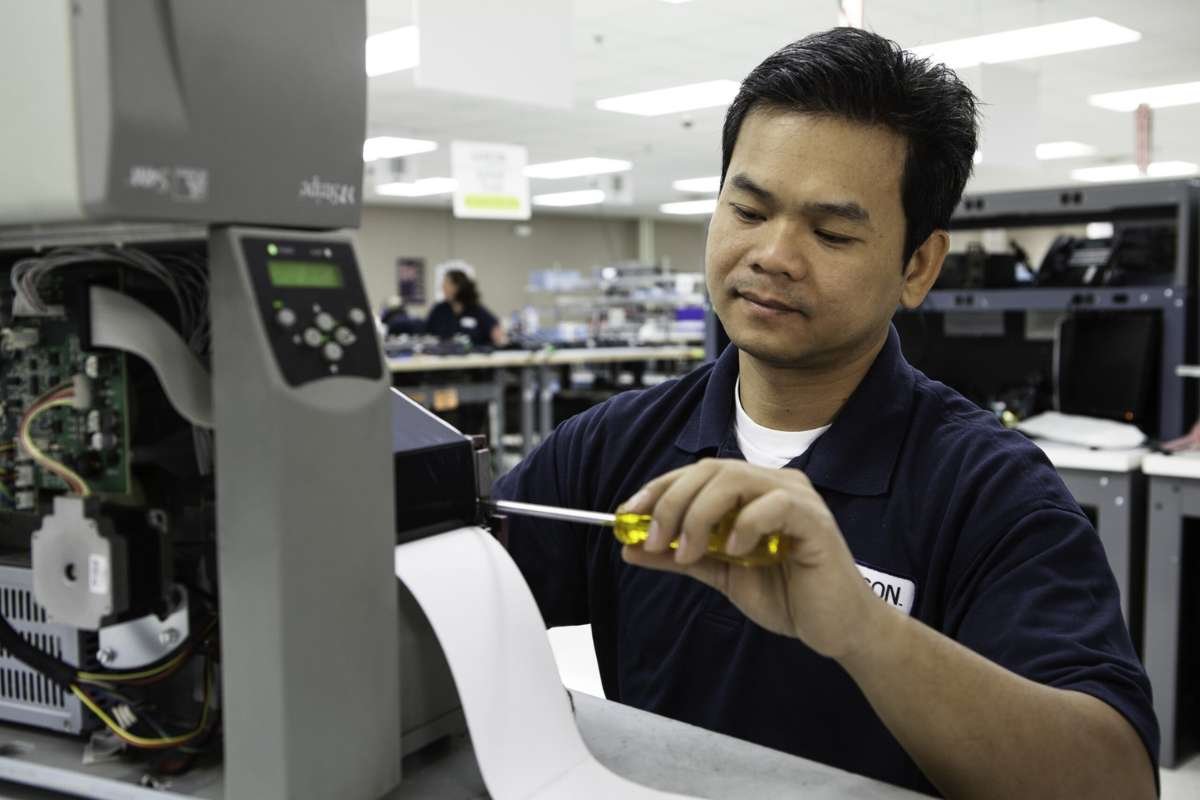
Brand new equipment often comes with a premium price tag because of the fact it’s never been used. In many industries. High quality used or refurbished equipment performs just as well at a fraction of the cost. You should look for certified refurbished products with reputable dealers that have warranties attached. You should also look for equipment that has service history records so you can see whether or not it’s clapped out a few times. This approach can cut costs significantly while still ensuring reliability.
Lease instead of purchase
Leasing spreads costs over time instead of requiring a large upfront investment, which is a highly effective way to save money on business equipment. This can make budgeting far easier and protect your working capital, and it can also offer tax advantages depending on your location and your business structure. It’s particularly useful for technology or machinery that may need upgrading within a few years. Leasing equipment can save you money, especially because you won’t have a massive upfront cost.
Compare your suppliers carefully
Not all suppliers are created equal, no matter what the equipment may be, so you never have to settle for the first quote. Get multiple estimates from different suppliers and negotiate when possible. When you are comparing options, look beyond the price for warranty terms, delivery fees, installation costs, ongoing support and more. Sometimes a slightly higher upfront cost includes better service or longer coverage, and that saves you money in the long run.
Maintain your equipment properly
Preventive maintenance is far cheaper than emergency repairs or replacements. Smaller issues, when ignored, can turn into expensive breakdowns. Creating a maintenance schedule and training your staff to clean equipment, report issues and follow manufacturer guidelines puts you in the front seat. Proper care extends the life of your investment and reduces your downtime. Let’s also not forget that with proper care, you can prevent yourself from spending even more money on more equipment as things break down.
Look for energy efficient models
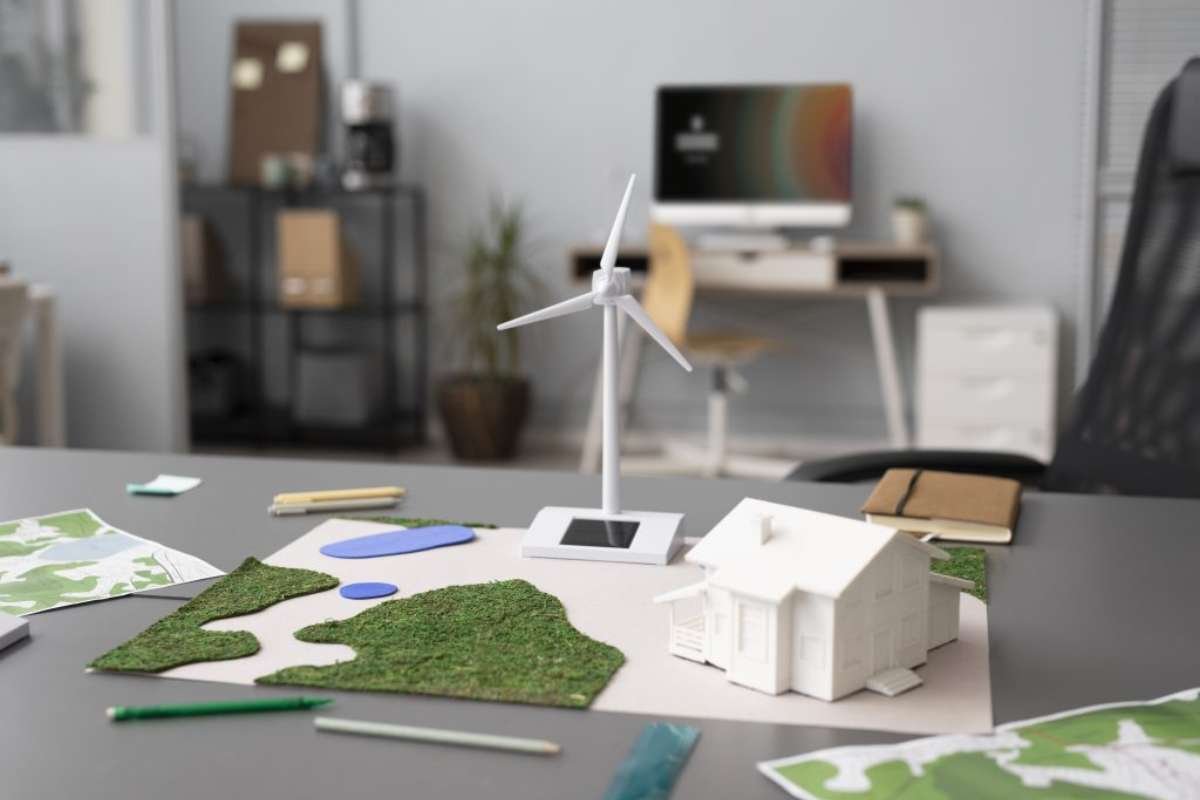
Energy-efficient equipment may cost more initially, but it is one of the most effective ways to save money on business equipment by reducing operating expenses over time. Lower utility bills can make a noticeable difference, especially for businesses using heavy machinery or larger appliances. You should also look for equipment that has energy ratings and efficiency certifications. When you buy it in several years, the savings often outweigh the initial price difference. Many consumers are looking for sustainable businesses right now, and if you can make sure that you’re showcasing your sustainability across your models of your equipment, you’re going to be ahead of the game.
Plan your purchases around your cash flow
Timing makes a difference, so avoid making major purchases during slow business periods unless absolutely necessary. Instead, try to plan your equipment upgrades during strong revenue months and watch for seasonal sales where you can take advantage of year end discounts. When you’re strategic about your timing, you can protect cash reserves and prevent financial strain.
Share or partner where possible
In some industries, businesses can share equipment or form partnerships to reduce costs. For example, neighboring companies may split the cost of rarely used machinery, and that approach works well when equipment is not needed every day. Your usage schedule could be coordinated with another business, and there could be mutual trust built between partners. Collaboration can significantly lower expenses without reducing productivity, and you don’t have to step on each other’s toes either.
Try to avoid over upgrading
It is always tempting to upgrade tools simply because newer models are available, but knowing how to save money on business equipment requires a more disciplined approach. If your current equipment still performs well and meets your needs, upgrading may not be financially wise. Look to upgrade only when repairs become more expensive than replacement and the equipment limits your productivity. There is new technology out there, so if it provides measurable efficiency gains compared with what you’ve got, and see whether or not it makes a difference to your bottom line too. Making data-driven decisions prevents unnecessary spending.
Saving money on business equipment is about more than just cutting corners. You want to make smart decisions. If you’re assessing your proper needs, you can make sure that every dollar saved on equipment is a dollar that can be reinvested somewhere else. Thoughtful planning and disciplined spending are two things that your business needs, and you’ll be able to stay competitive without overspending on the tools that keep it running.