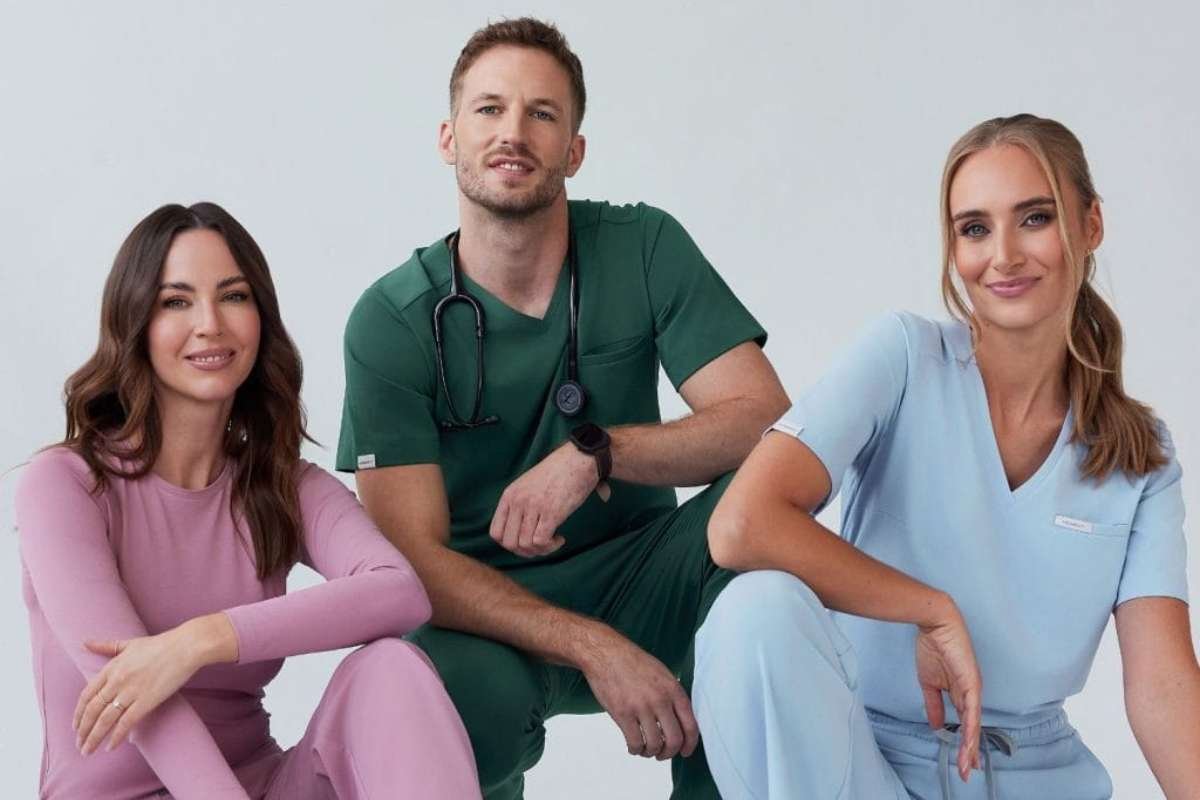
Over the past few years, medical fashion trends have begun to reshape how people think about clothing. Recovery after surgery, long-term conditions, and skin health are no longer topics kept quiet; they now influence everyday life and the choices people make in what they wear.
More people are paying attention to comfort, support, and how clothing works with their bodies. Not just how it looks on a hanger. As medical awareness grows, fashion is responding in practical ways that reflect real bodies and real needs.
This article looks at how this shift is influencing modern fashion, from recovery-friendly clothing to everyday designs built around comfort and function.
How Post-Surgical Recovery Needs Drive Adaptive Fashion Design?
Recovery often comes with swelling, soreness, and limited movement, yet traditional clothing rarely accounts for these needs. As conversations about recovery become more open, medical fashion trends are emerging as designers begin to respond with clothing that supports comfort and healing.
- Mastectomy and Breast Surgery Recovery Wear:
- Post-breast surgery garments now focus on comfort and support. Many recovery bras now use soft fabrics and smooth seams. Some include inner pockets to hold drainage bulbs. These pieces look more like everyday lingerie than medical wear, which helps people feel more like themselves while healing.
- Post-Operative Compression Garment Integration:
- Compression garments are often required after surgery, but they aren’t always easy to wear. Designers now build compression into leggings, tanks, and shaping layers. This makes recovery garments easier to wear under normal clothes without feeling bulky or obvious.
- Front-Closure and Easy-Access Designs:
- Limited mobility after surgery has increased demand for front-closure tops, wrap dresses, and adjustable fastenings. These designs reduce strain while maintaining a polished look, reinforcing that function and style are not mutually exclusive.
Dermatological Awareness and Sun-Protective Fashion Innovations
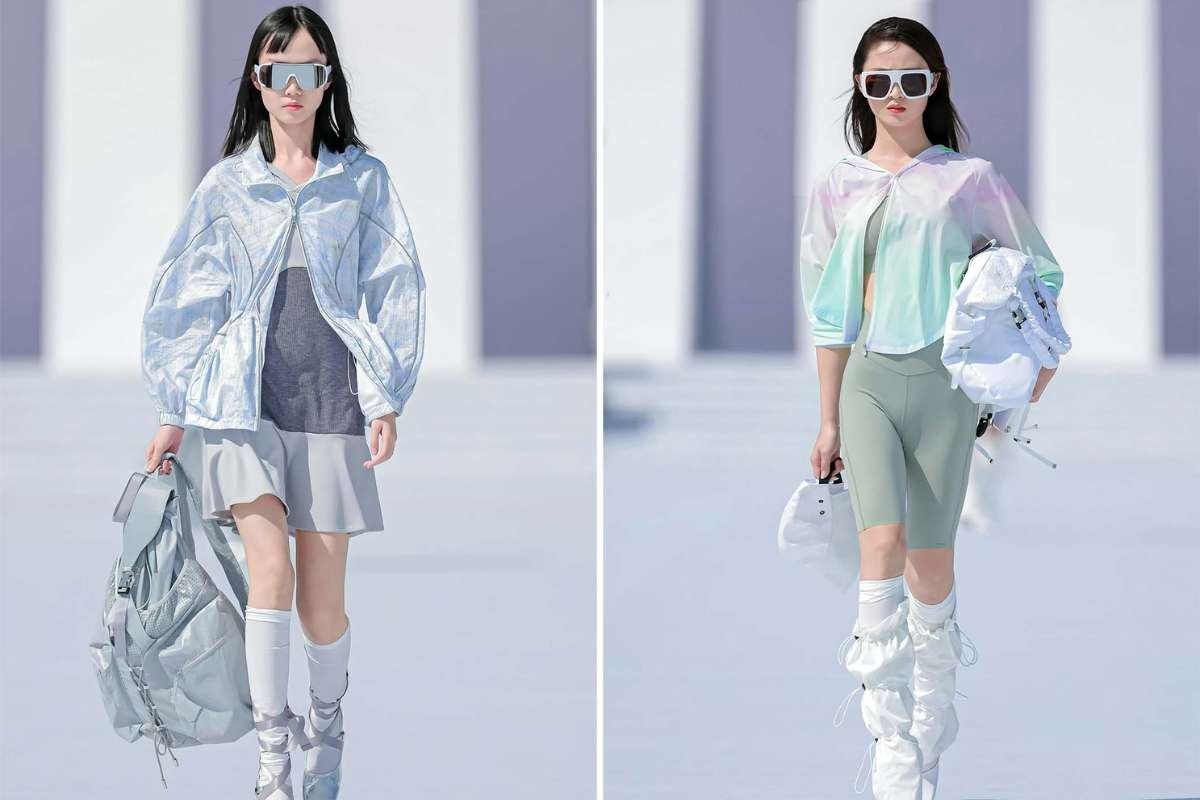
As people learn more about skin health, clothing has taken on a new role: protection.
- UPF-Rated Fabrics (Ultraviolet Protection Factor):
- UPF-rated clothing blocks ultraviolet radiation and is now widely available beyond athletic wear. What once felt sporty or clinical now looks like everyday wear. Dresses, blouses, and light jackets often include sun-protective fabric without changing the style.
- Coverage-Focused Swimwear:
- Long-sleeve swimsuits, rash guards, and higher-coverage beachwear have moved into mainstream fashion. These designs offer protection while aligning with modern style trends, challenging the idea that less fabric equals better design.
- Changing Summer Fashion Norms:
- Melanoma awareness campaigns have influenced summer fashion standards. Hats, cover-ups, and longer silhouettes are more acceptable, and even desirable, in warm-weather wardrobes.
The Influence of Body Modification and Cosmetic Procedures on Style Choices
Cosmetic procedures introduce new functional and aesthetic considerations, especially during healing, and medical fashion trends are beginning to reflect these evolving needs.
- Post-Liposuction and Body Contouring Wardrobe Planning:
- After body contouring procedures, such as addressing abdominal muscle separation, clothing choices often need to work around swelling and support garments. Loose layers, soft fabrics, and structured jackets help people feel comfortable while recovering.
- Fashion That Complements Cosmetic Results:
- Some fashion choices are designed to highlight or balance new proportions after procedures like breast augmentation. Tailored pieces, gentle draping, and heavier fabrics can create a natural look without feeling restrictive.
- Styling During Healing Phases:
- Fashion during recovery emphasizes flexibility. Adjustable waistbands, stretchy materials, and layered outfits allow for daily changes while still reflecting personal style.
How Chronic Conditions and Medical Devices Shape Accessible Fashion?
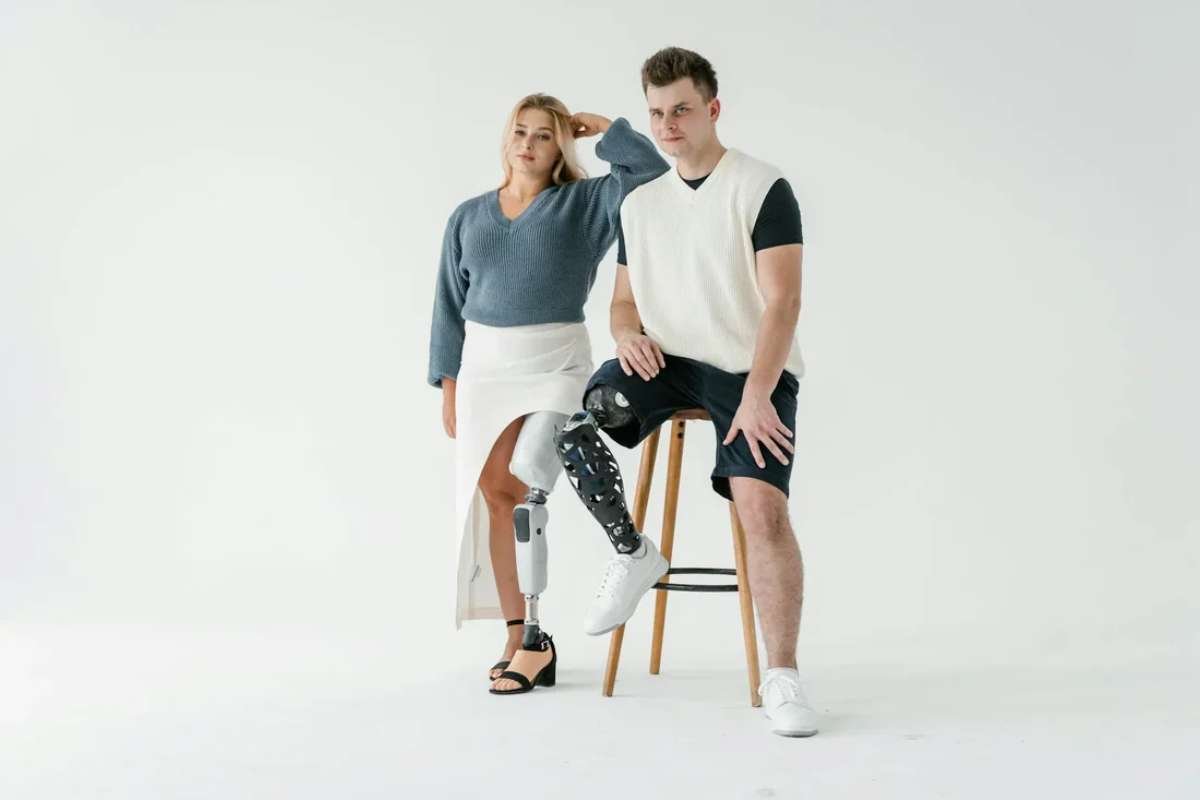
Medical needs are not niche concerns. Millions of people live with chronic conditions or use medical devices daily, and fashion is increasingly reflecting this reality through inclusive design.
- Device-Accommodating Clothing:
- Designers now consider insulin pumps, ostomy bags, and other devices. Discreet openings, soft seams, and hidden pockets make daily dressing easier and more comfortable.
- Wheelchair-Accessible Design:
- For wheelchair users, fit matters much differently. Higher back rises, reinforced seams, and better drape improve comfort and appearance while seated.
- Sensory-Friendly Fabrics:
- Some people, especially those with neurological conditions, need clothing that won’t irritate their skin. Soft, tag-free fabrics help those with sensitivities feel more comfortable throughout the day.
Wellness Culture and Performance Fabric Integration into Everyday Fashion
Wellness culture has blurred the line between medical, athletic, and everyday clothing. Performance features once limited to sportswear now appear in daily fashion, and medical fashion trends are helping to drive this shift toward more functional and health-conscious style.
- Moisture-Wicking and Antimicrobial Textiles:
- Fabrics that manage sweat and odor now appear in everyday clothes, not just workout wear. This supports comfort during long, busy days.
- Compression Beyond Medical Use:
- Compression is no longer limited to medical garments. Leggings, socks, and base layers often include light compression for comfort and support.
- Temperature-Regulating Materials:
- Hormonal changes, including those related to pregnancy or menopause, can affect body temperature. Breathable, temperature-adjusting fabrics help people stay comfortable as their bodies change.
Final Thoughts
As people learn more about how their bodies heal, change, and adapt, fashion has had to keep up. Clothes are now expected to do more than look good; they need to work with real bodies and feel comfortable at different stages of life, a shift that medical fashion trends are beginning to highlight.
This shift has opened the door to designs that work with real bodies, not against them. Medical awareness isn’t changing fashion overnight, but it is changing what people expect from what they wear.