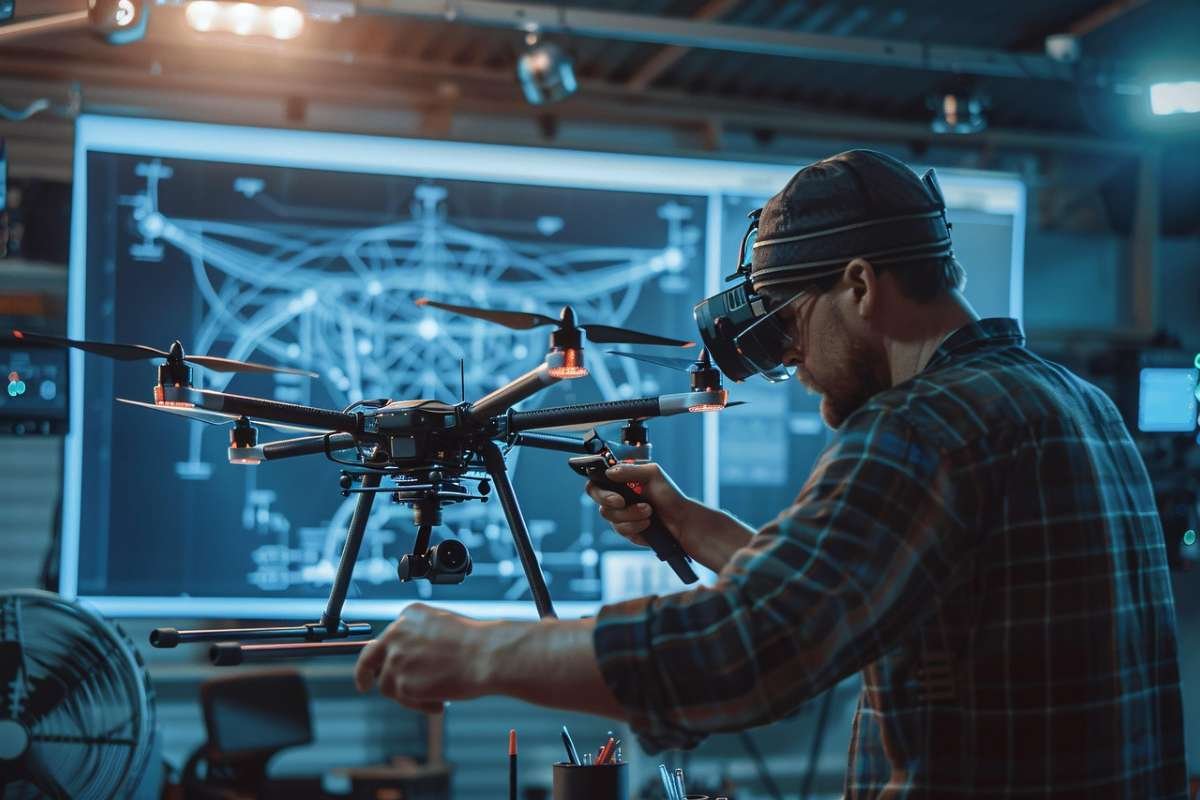
The days of expensive ground crews, manned aircraft, and weeks of post-processing are gone forever.
Companies that used to rely on these costly methods are discovering drones deliver better data…much faster.
And it’s happening right now.
In fact…
It already happened.
Industries that were once hesitant to make the switch have now jumped feet first into drone technology. They realized — sometimes the hard way — that drone data collection was the future…and it’s already arrived.
Why Drone Data Collection Is Booming?
Consider this…
The global commercial drone market hit $13.86 billion in 2024, and is expected to reach $65.25 billion by 2032.
That’s a compound annual growth rate of 20.8%, fueled by growing adoption in surveying, construction, agriculture, environmental monitoring — you name it.
The proliferation of drone data isn’t just about dollars and cents.
According to a recent survey, 64% of drone professionals now identify “improving work safety” as their primary reason for using drones. Let that sink in.
It’s not just about efficiency. It’s about doing the job smarter and safer than ever before.
Remote Sensing Mapping Workflows Simplified
Before we jump into verticals, let’s talk about remote sensing mapping workflows.
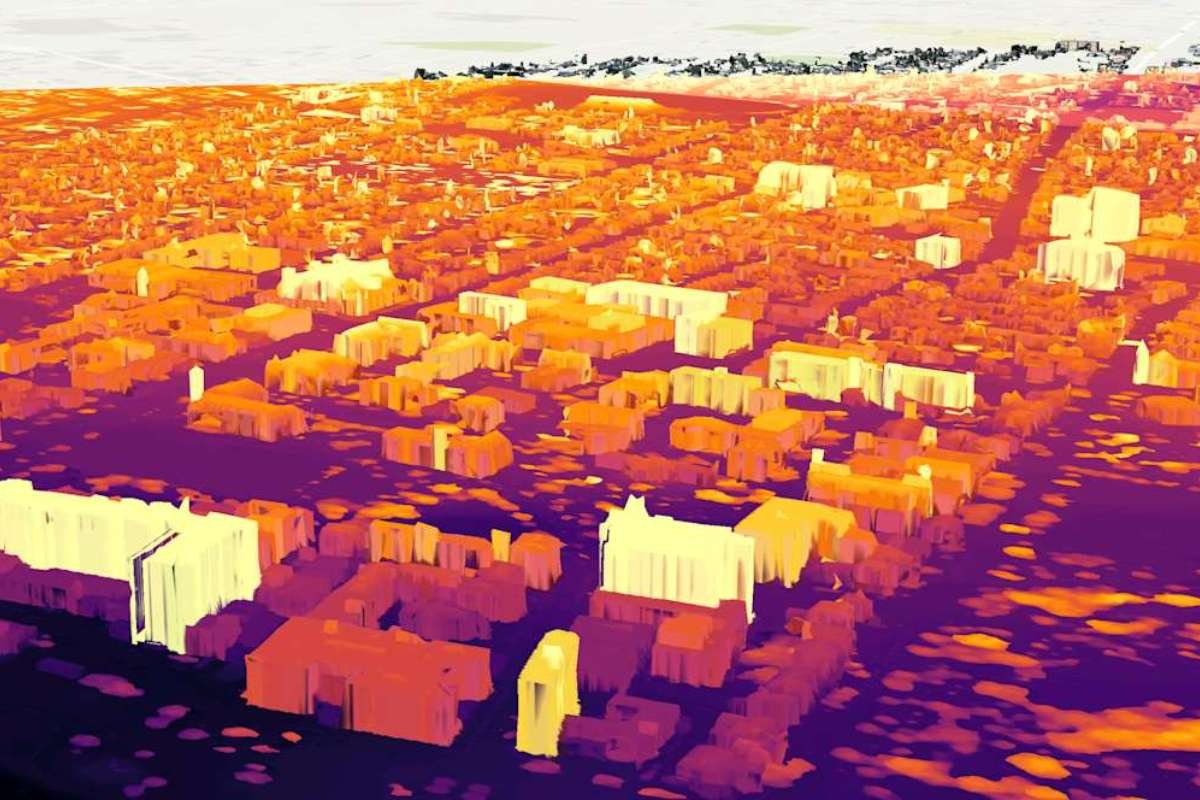
They go something like this: A drone gathers raw data from a target area using sensors — like cameras, LiDAR, multispectral imaging, or thermal — depending on the job. Then software is used to stitch together that data using photogrammetry or LiDAR processing to create:
- Orthomosaic maps: high definition 2D aerial images with complete georeference accuracy
- Digital surface models (DSM): high precision elevation data that includes objects on the ground
- 3D point clouds: 3D representations of the area used for measuring infrastructure and calculating volumes
- Vegetation indices: professional-grade maps of photosynthetically active radiation useful for agriculture audits and environmental compliance
The beauty of drone remote sensing mapping workflows is speed.
Where it once took crews months to map an area, drones can cover 100 acres in less than 20 minutes.
That’s a gamechanger.
One of the keys to unlocking successful remote sensing mapping workflows is using the right drone for the job. Many enterprises have found their drone solutions…but are still searching for a DJI alternative for surveying and mapping. They want a drone that offers survey-grade results without locking them into proprietary hardware and software limitations. Choosing the right drone impacts flight time, data quality, operational range, and ultimately the ROI of every flight.
Industries That Are Changing Before Our Eyes
While almost every industry has found a use case for drones, remote sensing mapping workflows are critical to success in these industries.
Ready to learn how drones are making their mark?
Let’s do this.
Construction & Infrastructure
If there was ever an industry poised for disruption by drone technology, it’s construction.
Topographic mapping wasn’t just slow and expensive before drones — it required multiple crews weeks of labor to do remotely. Now, site managers can achieve superior results through automated drone data collection with the push of a button. This technology gives construction pros:
- Stockpile volume measurements between surveys
- Progress updates throughout the project
- An early look at deviations from design plans
- Utility and obstacle mapping ahead of groundbreak
There are fewer headaches. Fewer delays. And less money spent overall.
Agriculture & Environmental Monitoring
Agriculture and environmental teams were two of the earliest industries to capitalize on drone remote sensing mapping workflows.
Equipped with multispectral sensors, drones can survey crops and reveal stress long before the human eye can detect it. With better data that enables farmers to take targeted action early, they save money on water, fertilizer, and lost crops. Meanwhile, environmental professionals use drones to:
- Map wetlands and other sensitive areas
- Monitor invasive species
- Track shoreline erosion
- Perform post-disaster damage assessments
This isn’t just helpful data. Often this is mandated data that drives multi-million dollar agricultural and environmental programs.
Energy & Utilities
Need something to cover a lot of ground quickly? How about over utility lines, pipeline corridors, wind turbines, or solar panels?
Energy companies use drones to perform thermal inspections, locate faults in assets, and monitor surrounding vegetation. They don’t have to send crews into risky conditions to gather the data they once only dreamed about. Mapping and surveying are even the most common drone use case among energy service providers, comprising 35% of all drone deployments by service companies.
Mining & Quarrying
In mining and quarrying, accurate volumetric measurements can be the difference between profit or loss.
Remote sensing mapping drone workflows deliver up-to-date stockpile volumes, topographic models, and line-of-sight data that used to cost mines many times more than what they’re paying for drones. Operators can refresh their terrain models weekly, some even daily, to make quicker decisions about:
- Extraction planning
- Site safety
- Environmental compliance
Change your workflow. Change your data. Change your game.
How To Choose The Right Drone Platform?
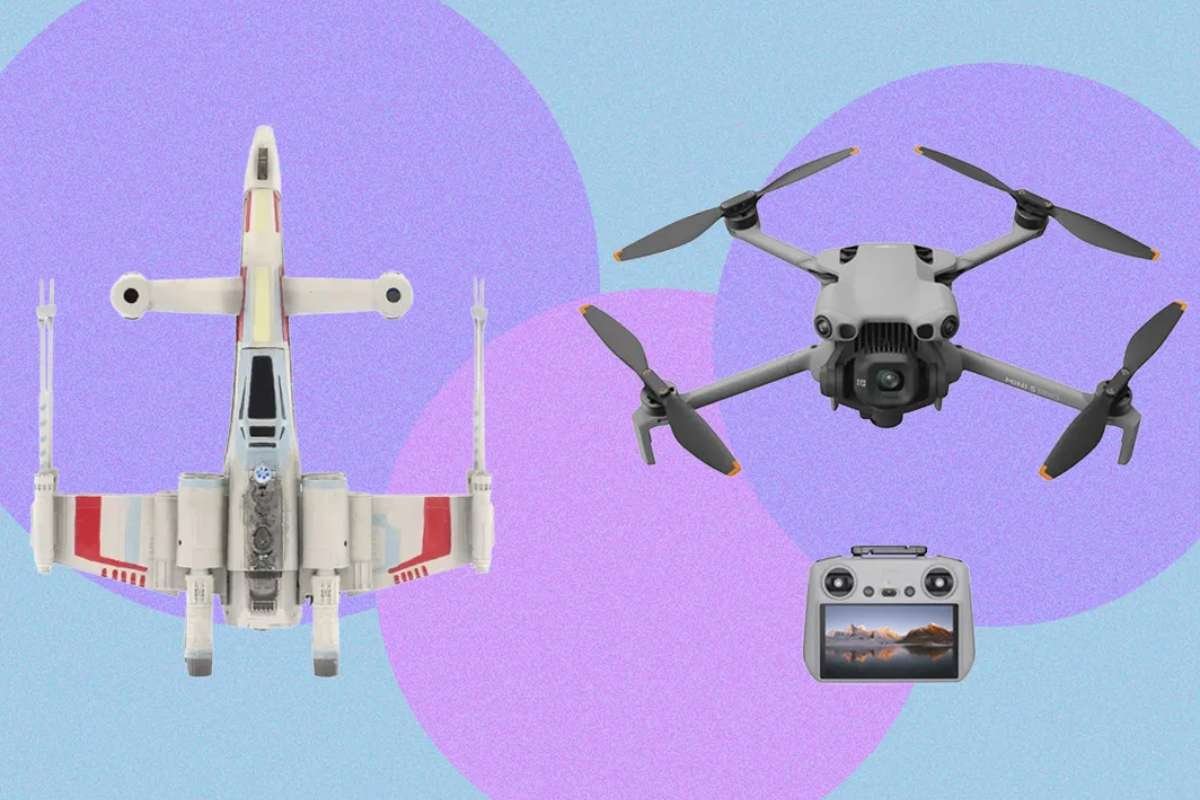
If you’re selecting hardware for any of the use cases above, your choice of equipment is a major decision for successful drone data collection.
Here are a few things to consider when selecting a drone platform for remote sensing workflows:
- Sensor compatibility: Can the drone carry the payloads your workflow requires? (LiDAR? Thermal? Multispectral sensors?)
- Flight time / range: Will it be able to cover your full area of operation without sacrificing quality or data capture requirements?
- Accuracy & georeferencing: Does the drone support RTK or PPK? Accurate georeferencing is required for survey-grade products.
- Software compatibility: Will your data ingest cleanly into existing GIS, asset management, or photogrammetry software?
- Regulatory considerations: Can you get your drone certified to fly in commercial airspace where you need it?
It’s easy to get distracted by shiny lights and go with a drone brand you’ve heard of. But the right drone for any mapping and surveying workflow is the one that fits the sensor needs, the terrain, and the output requirements of the job.
The Takeaway
Mothers always tell their kids not to eat money. But in the drone world, if you have data, you CAN eat.
Drone workflows aren’t slowing down anytime soon, and drone data collection via remote sensing mapping is the reason why.
Higher accuracy. Better safety. More efficiency.
Leading industries are already using drones to collect better data than ever before. And those who don’t risk getting left in the dust.
Will your business be eating or starving?