
According to the Bureau of Justice Statistics‘ 2023 civil litigation data, personal injury cases represent nearly 60% of all civil tort trials nationwide — yet most people don’t understand the breadth of situations these attorneys actually address until they need one themselves. The legal landscape has shifted dramatically in recent years as insurance companies deploy increasingly sophisticated tactics to minimize payouts, while new types of injury claims emerge from technological advances and changing workplace conditions.
For anyone who’s been injured due to someone else’s actions, the stakes couldn’t be higher. Medical bills accumulate quickly, lost wages create immediate financial pressure, and insurance adjusters often contact victims within hours of an accident with settlement offers that sound generous but may fall drastically short of actual needs. Understanding what personal injury attorneys handle — and how they approach different types of cases — can mean the difference between fair compensation and years of financial hardship.
The world of personal injury law extends far beyond the car accident cases most people envision, encompassing everything from complex medical malpractice claims to emerging areas like data breach injuries. Here’s what you need to know about the scope and mechanics of personal injury practice.
How Do Personal Injury Cases Differ from Criminal Cases?
The distinction between personal injury law and criminal law often confuses people, especially when the same incident triggers both types of proceedings. Consider someone injured in a drunk driving collision — they might watch the intoxicated driver face criminal charges and rely on DUI defense strategies in state court while simultaneously pursuing a personal injury claim in civil court.
➡ Criminal cases focus on societal harm and punishment. The state prosecutes the defendant, seeking penalties like jail time, fines, or probation. The burden of proof requires evidence “beyond a reasonable doubt” — the highest standard in our legal system. Even if the drunk driver receives a criminal conviction, that doesn’t automatically guarantee compensation for the victim’s medical bills or lost wages.
➡ Personal injury cases center on individual harm and financial compensation. The injured person (plaintiff) sues the responsible party (defendant), seeking monetary damages for medical expenses, lost income, pain and suffering, and other losses. The burden of proof operates under “preponderance of the evidence” — essentially, that it’s more likely than not that the defendant caused the harm. This lower standard means someone could lose a criminal case but still face liability in civil court.
The timing often differs significantly, too. Criminal proceedings typically move faster, especially for serious offenses, while personal injury cases can take months or years to resolve as attorneys gather medical records, consult experts, and negotiate with insurance companies. Many personal injury cases settle out of court, whereas criminal cases require formal prosecution through the court system.
Understanding this separation helps explain why personal injury attorneys focus exclusively on securing compensation for their clients rather than seeking punishment for wrongdoers — that’s the criminal justice system’s role.
What Are the Common Types of Personal Injury Cases Handled?

Personal injury attorneys encounter a surprisingly diverse range of cases, though certain categories dominate their practice.
➡ Motor vehicle accidents — including cars, trucks, motorcycles, and pedestrian collisions — represent the largest segment, largely because these incidents often produce clear liability questions and substantial damages. The complexity varies dramatically, from straightforward rear-end collisions with minor injuries to multi-vehicle accidents involving commercial trucks, where attorneys must navigate federal transportation regulations and corporate liability issues.
➡ Premises liability cases form another major category, covering injuries that occur on someone else’s property due to dangerous conditions. This includes slip-and-fall accidents in stores, inadequate security leading to assaults, swimming pool accidents, and construction site injuries. These cases often hinge on proving the property owner knew or should have known about the hazardous condition and failed to address it.
➡ Medical malpractice represents one of the most complex areas, requiring attorneys to work closely with medical experts to demonstrate that healthcare providers deviated from accepted standards of care. Birth injuries, surgical errors, misdiagnoses, and medication mistakes fall into this category. The investigation process alone can take months as attorneys review extensive medical records and consult multiple specialists.
➡ Product liability cases emerge when defective products cause injuries — from faulty car parts that contribute to accidents to dangerous pharmaceuticals that cause unexpected side effects. These cases often involve multiple defendants, including manufacturers, distributors, and retailers, and may become part of larger class-action lawsuits.
➡ Workplace injuries present unique challenges because most employees are covered by workers’ compensation systems, which typically prohibit suing employers directly. However, personal injury claims may still be possible against third parties — such as equipment manufacturers or contractors — whose negligence contributed to the accident.
➡ Wrongful death cases arise when negligence or intentional acts cause someone’s death, allowing surviving family members to seek compensation for their losses. These emotionally charged cases require attorneys to quantify not just immediate expenses but also the deceased person’s future earning potential and the intangible value of companionship and support.
How Does the Personal Injury Legal Process Unfold?
The personal injury legal process typically begins long before any lawsuit is filed, starting with what attorneys call the “intake and investigation” phase. During this critical period, which can last several weeks, the attorney gathers police reports, medical records, witness statements, and other evidence while the details remain fresh. This groundwork often determines whether a case is worth pursuing and how strong the potential claim might be.
Most cases then enter a lengthy negotiation phase with insurance companies. Despite popular misconceptions about quick settlements, insurers typically conduct their own investigations and often dispute both liability and the extent of damages. Attorneys spend considerable time during this phase working with clients to understand the full scope of their injuries, coordinating with medical providers to ensure proper documentation, and calculating both current and future damages.
Filing a lawsuit occurs only when negotiations stall or when statutory deadlines approach. The formal litigation process involves discovery — where both sides exchange documents and take depositions — followed by potential mediation or arbitration attempts. Throughout this process, attorneys continue negotiating, and many cases settle even after litigation begins.
For those considering this path, it’s worth noting that experienced lawyers for accident claims often identify potential complications early in the process that can significantly impact case outcomes. The interaction between insurance coverage limits, multiple liable parties, and complex damage calculations requires careful navigation from the outset.
Trial represents the exception rather than the rule, occurring in fewer than 5% of personal injury cases according to recent court statistics. However, the possibility of trial influences every negotiation, as insurance companies consider their potential exposure if the case proceeds to a jury verdict.
What Roles Do Investigation and Evidence Play?
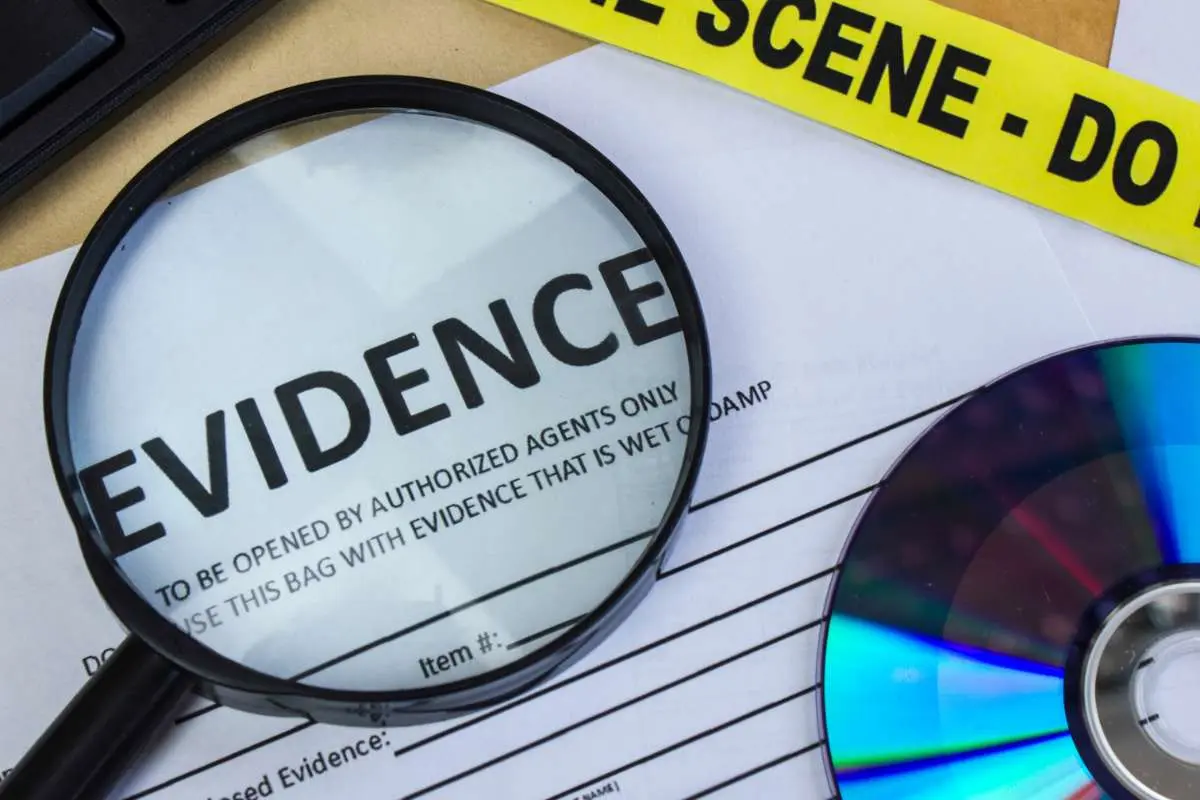
Evidence collection in personal injury cases extends far beyond the obvious police reports and medical records. Attorneys often work with accident reconstruction experts who can analyze skid marks, vehicle damage, and road conditions to determine exactly how an incident occurred. In slip-and-fall cases, they might hire engineers to examine flooring materials, lighting conditions, or surveillance footage that captures the moments leading up to the accident.
➡ Medical evidence requires particularly careful handling. Attorneys coordinate with treating physicians to ensure medical records clearly document the connection between the accident and the injuries, while also working with independent medical experts who can testify about long-term prognosis and future care needs. This process often reveals the true extent of damage, which may be significantly higher than initial estimates.
➡ Digital evidence has become increasingly important as smartphones, security cameras, and vehicle monitoring systems generate detailed records of accidents. Attorneys must act quickly to preserve this evidence before it’s routinely deleted or overwritten. Social media posts, GPS data, and electronic communication records can all play crucial roles in establishing what happened and documenting the impact on the victim’s life.
What Is the Typical Timeline and Court Procedure?
Personal injury cases operate under strict time constraints that vary by state and case type. Most states impose statutes of limitations ranging from one to four years from the date of injury, though certain circumstances can extend or shorten these deadlines. Discovery of injuries that don’t manifest immediately — such as traumatic brain injuries or exposure-related illnesses — may trigger different timing rules.
The pre-litigation phase typically lasts six months to two years, during which attorneys gather evidence, obtain medical records, and negotiate with insurance companies. If a lawsuit becomes necessary, the litigation phase adds another 12-24 months on average, though complex cases involving multiple parties or disputed liability can extend much longer.
Court procedures follow predictable patterns, beginning with the filing of a complaint and the defendant’s response. Discovery typically consumes the most time, as attorneys take depositions, exchange documents, and hire expert witnesses. Many courts now require mediation before trial, providing one final opportunity for settlement under the guidance of a neutral third party.
Understanding these timelines helps explain why personal injury attorneys often advise clients to avoid rushing into quick settlements, particularly when the full extent of injuries and their long-term impact remains unclear.
What Common Mistakes Should Be Avoided in Personal Injury Claims?

The most costly mistake people make after an accident is providing recorded statements to insurance adjusters before understanding their rights. Insurance companies train adjusters to ask seemingly innocent questions designed to elicit responses that minimize the company’s liability. Phrases like “I’m fine” or “It was just a little fender-bender” can later be used to argue that injuries were minor or pre-existing, even when serious symptoms develop days or weeks after the initial incident.
➡ Delaying medical treatment ranks as another critical error. Insurance companies routinely argue that gaps in medical care indicate injuries weren’t serious or weren’t caused by the accident. Even if someone feels “okay” immediately after an accident, adrenaline and shock can mask significant injuries. Emergency room visits create important documentation, while follow-up care with primary physicians or specialists establishes the ongoing nature of injuries.
➡ Social media activity has become a frequent source of problems in personal injury cases. Insurance companies and defense attorneys regularly monitor claimants’ social media accounts, looking for posts that contradict claims about physical limitations or emotional distress. A single photo showing someone engaged in physical activity — even something as simple as attending a family gathering — can be taken out of context and used to argue that injuries were exaggerated.
➡ Accepting the first settlement offer typically leaves significant money on the table. Insurance companies often make initial offers within days of an accident, long before the full extent of injuries becomes clear. These offers rarely account for future medical expenses, lost earning capacity, or non-economic damages like pain and suffering. Once accepted, these settlements typically cannot be reopened if complications develop.
➡ Failing to document everything creates evidentiary problems later. This includes keeping detailed records of all medical appointments, maintaining receipts for out-of-pocket expenses, photographing injuries as they heal, and tracking how the incident affects daily activities. Memory fades quickly, and contemporaneous documentation often proves crucial in establishing the full impact of an injury months or years after the initial incident.
The personal injury legal system rewards those who approach it systematically and with proper guidance, while punishing those who make assumptions about how the process works. The decisions made in the immediate aftermath of an accident often echo throughout the entire claim, making early consultation with experienced counsel one of the most valuable investments an injured person can make.