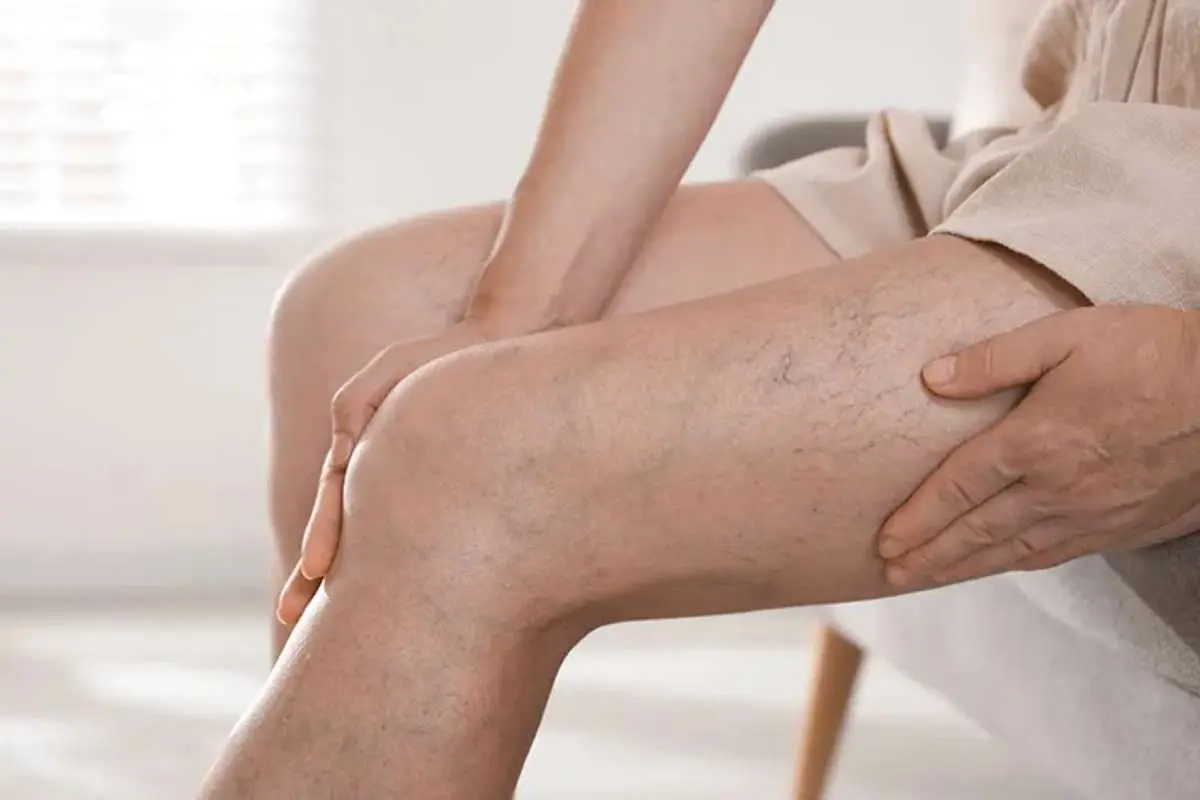
Varicose veins can start quietly, with a heavy feeling or a few raised lines under the skin. Recognizing the warning signs of varicose veins early on is crucial, as these enlarged veins reflect impaired valve function that slows normal blood return from the legs. For residents in communities like Hinsdale and the greater Chicago area, noticing these symptoms is a common reason to seek medical guidance.
Over time, pressure builds, tissue reacts, and symptoms may widen beyond appearance alone. Pain, swelling, skin irritation, and poor healing can all signal that the problem has moved past a cosmetic concern. Knowing when to get help for varicose vein symptoms in Hinsdale starts with recognizing the warning signs that deserve prompt attention. The following symptoms are among the most common and should not be overlooked.
Heaviness after standing
Leg heaviness after errands, work shifts, or long periods upright can point to increased venous pressure. For many people, that sensation arrives before major swelling or skin changes appear. When tired legs, evening fullness, or recurring throbbing begin to interfere with walking, sleep, exercise, or simple daily routines, it may be time to seek a medical opinion.
Bulging veins matter
Bulging surface veins are more than a visual issue. Their twisted shape often reflects weakened valves and backward blood flow. Blue or purple cords may stand out after prolonged standing, hot weather, or exercise. Some people feel little discomfort at first, which can create a false sense of safety. Visible enlargement still deserves medical attention, because structural vein disease may progress before pain becomes a clear warning.
Leg pain that builds

Understanding the warning signs of varicose veins can help you distinguish vein issues from everyday muscle fatigue. Aching linked to these veins often feels dull, sore, or pressurized rather than sharp. Symptoms may worsen late in the day and improve with leg elevation. That pattern suggests inefficient blood return, not simple overuse. Burning discomfort can also appear along enlarged veins. If pain repeats through the week or limits movement, it should not be dismissed as routine fatigue from age or activity.
Swelling around ankles
Ankle swelling often signals fluid leakage caused by prolonged venous congestion. Shoes may fit well in the morning, then feel restrictive by evening. Sock lines can deepen as the day goes on. Repeated puffiness deserves attention because healthy veins should move blood upward efficiently. When valves fail, pressure settles in the lower leg, and soft tissue begins to hold extra fluid.
Night cramps and restlessness

Night cramps can be one of the earliest clues that the legs are under strain. Some people also describe tingling, restlessness, or a crawling sensation after getting into bed. Sleep then becomes fragmented, which affects concentration and mood the next day. While cramps have many causes, recurring episodes paired with visible veins or heaviness raise concern for venous disease.
Itching or skin warmth
Knowing the warning signs of varicose veins can help you identify when a vascular issue requires medical attention. Skin over affected veins may itch, sting, or feel warmer than nearby areas, reflecting inflammation within the vessel or surrounding tissue. Dryness is sometimes blamed, yet persistent warmth should prompt closer attention. Tenderness along a firm vein may signal superficial thrombophlebitis, which is a painful clot in a surface vessel. That finding deserves timely clinical review.
Color changes in skin

Brown, reddish, or dusky discoloration near the ankle often means venous pressure has been present for some time. Small blood components can seep through stressed vessel walls and settle in nearby tissue. The skin may also look shiny or feel tight. Once pigment changes appear, the condition is usually more advanced, and reversal becomes less predictable without proper treatment.
Slow-healing sores
When skin damage from venous pressure does not heal on a normal timeline, the concern shifts from discomfort to tissue breakdown. Sores tied to vein disease tend to linger and worsen without proper care.
Watch the ankle area
A sore near the inner ankle should never be ignored. Venous ulcers often begin after long-standing swelling, itching, or skin damage. Because blood return is impaired, oxygen delivery to the area drops and repair slows. The result may be a shallow wound, crusted patch, or draining spot that lingers for weeks. Prompt assessment helps lower the chance of infection and further tissue breakdown.
Bleeding after minor contact

Some varicose veins sit very close to the skin surface. A small scrape, shaving cut, or minor bump can make them bleed more than expected. That happens because pressure inside the damaged vessel remains elevated. Even brief bleeding deserves attention if it recurs. Fragile surface veins are a sign that the tissue has become vulnerable and should be assessed.
Risk factors add up
Varicose veins rarely develop from a single cause. Several overlapping factors can raise the likelihood and speed of progression.
Small clues can connect
Several factors raise the chance of vein disease. Family history matters, pregnancy increases pressure, and excess body weight adds strain to the leg veins. Age also changes vessel elasticity and valve strength. Long stretches of standing can worsen that load. A mild ache may carry more importance when these risks cluster together, even if the veins do not yet look severe.
Conclusion
Warning signs of varicose veins rarely announce themselves all at once. They usually progress through small changes, such as heaviness, aching, ankle swelling, itching, or disturbed sleep, before more serious skin damage appears. Paying attention to those signs can help prevent avoidable complications, including ulcers and recurrent bleeding. When symptoms persist or worsen, timely medical assessment offers a clearer explanation and a safer path forward.