Key Takeaway:
- SpaceX Has Emerged as Musk’s Most Valuable Wealth Engine
- Technology Companies Continue to Redefine the Limits of Wealth Creation
- The Milestone Intensifies the Debate Around Wealth Concentration
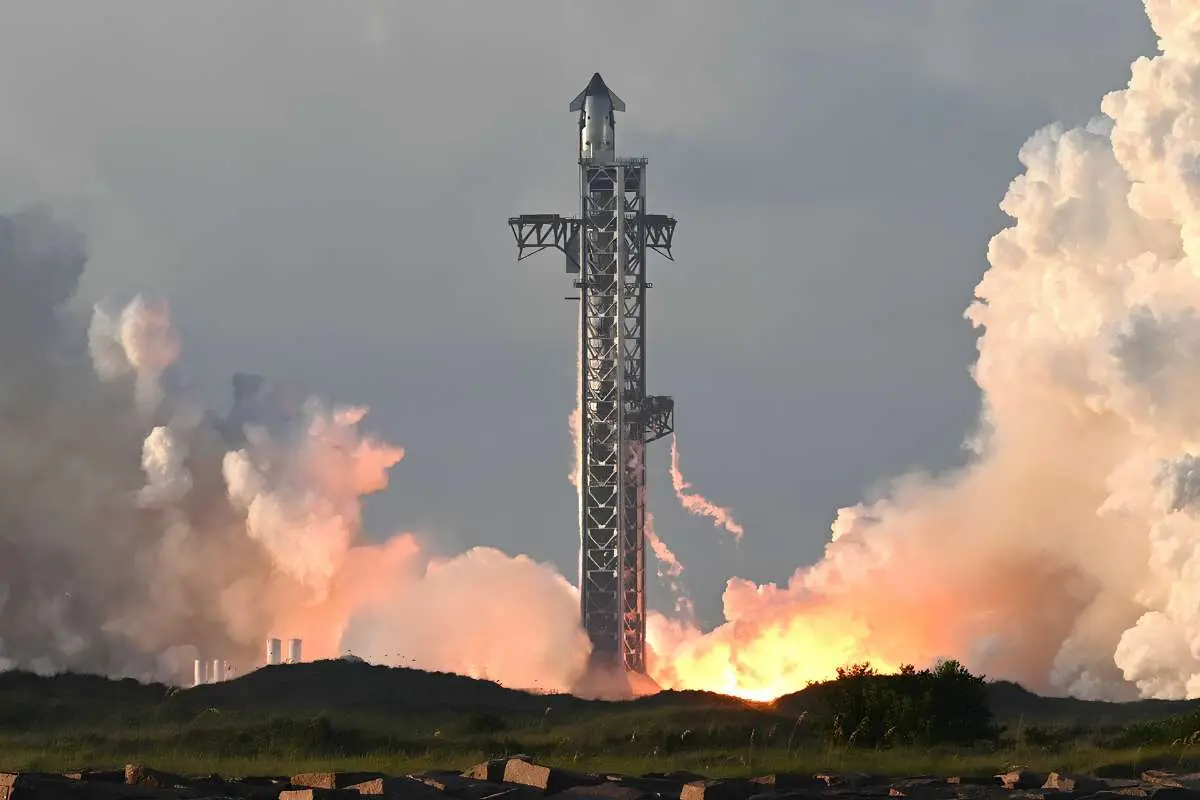
Elon Musk has officially become the world’s first trillionaire, marking a historic financial milestone. The Elon Musk trillionaire achievement followed SpaceX’s highly anticipated public market debut.The landmark moment came after SpaceX made its highly anticipated public market debut, triggering a sharp rise in the company’s valuation and pushing Musk’s personal wealth beyond the $1 trillion threshold.
The achievement marks a historic turning point in global wealth creation. Musk, who has long held the title of the world’s richest person through his stakes in Tesla, SpaceX, and several other ventures, now occupies a category of wealth never before reached by an individual.
Investor enthusiasm surrounding SpaceX’s market debut proved stronger than many analysts had anticipated. The company’s shares surged shortly after trading began, rapidly increasing its market capitalization and creating one of the most significant wealth-generating events in modern financial history. Because Musk maintains a substantial ownership stake in the aerospace company, the increase in valuation translated directly into a massive jump in his net worth.
The milestone is particularly notable given the volatility that has often surrounded Musk’s fortune. In recent years, fluctuations in Tesla’s share price have repeatedly caused dramatic swings in his wealth. Yet the success of SpaceX’s public offering ultimately outweighed those challenges, cementing his position at the top of the global wealth rankings by a considerable margin.
Investors bet on the future of space and technology
The extraordinary market response reflects growing investor confidence in SpaceX’s long-term potential. Analysts say the Elon Musk trillionaire achievement highlights how rapidly technology and space-focused businesses can create value on a global scale.
Today, SpaceX operates at the center of several rapidly expanding industries. Beyond launching rockets and satellites, the company has built a global communications network through Starlink, its satellite-based internet service. Starlink has become one of SpaceX’s most valuable assets, delivering connectivity to millions of users across remote and underserved regions around the world.
Investors increasingly view SpaceX as more than an aerospace business. Many analysts believe the company sits at the intersection of multiple high-growth sectors, including communications, defense technology, artificial intelligence, satellite infrastructure, and future transportation systems. This broader vision has helped justify the company’s massive valuation and fueled demand for its shares.
The IPO also generated significant gains for early investors, venture capital firms, and current and former employees who held equity in the company. Financial experts have described the listing as one of the most important public offerings in recent memory, comparing its impact to some of the defining technology IPOs of previous decades.
For Elon Musk, the trillionaire milestone represents the culmination of years spent pursuing ambitious projects that many critics initially dismissed as unrealistic. His companies have repeatedly challenged established industries, from electric vehicles and renewable energy to private space exploration and global internet connectivity. While not every venture has been free of controversy, investors have consistently rewarded his willingness to pursue large-scale technological innovation.
A historic wealth milestone reignites global debate
Musk’s entry into the trillionaire club has already sparked renewed debate over wealth concentration and economic inequality. Supporters argue that his fortune reflects the immense value created by businesses that have transformed industries and accelerated technological progress. They point to Tesla’s role in mainstreaming electric vehicles and SpaceX’s impact on reducing the cost of space access as examples of innovation that reshaped global markets.
Many investors also view Musk’s achievement as evidence of how rapidly technology companies can create value in the modern economy. Unlike the industrial magnates of previous centuries, today’s technology entrepreneurs operate on a global scale, allowing successful businesses to reach billions of customers and generate unprecedented levels of wealth.
Critics, however, see the milestone differently. The emergence of the world’s first trillionaire has intensified discussions about the widening gap between the ultra-wealthy and ordinary households. Policymakers and economists have renewed calls for conversations around taxation, corporate influence, and the concentration of economic power among a small group of business leaders.
Despite the headline figure, analysts note that Musk’s fortune remains largely tied to the value of his company holdings rather than cash. As a result, shifts in market sentiment could significantly affect his net worth in the future. Nevertheless, crossing the trillion-dollar threshold remains a symbolic achievement that underscores the growing influence of technology-driven enterprises in the global economy.
Whether viewed as a triumph of innovation or a symbol of rising wealth inequality, the Elon Musk trillionaire milestone represents a defining moment in modern financial history. It not only cements his position as the wealthiest person on the planet but also highlights the extraordinary scale at which modern technology companies now operate. As the world absorbs the significance of this milestone, June 2026 is likely to be remembered as the moment the age of the trillionaire officially began.