Key Takeaways
- Valve Is Trying to Redefine the Console Experience
- Premium Pricing Limits Mainstream Appeal
- Long-Term Success Depends on Software Improvements
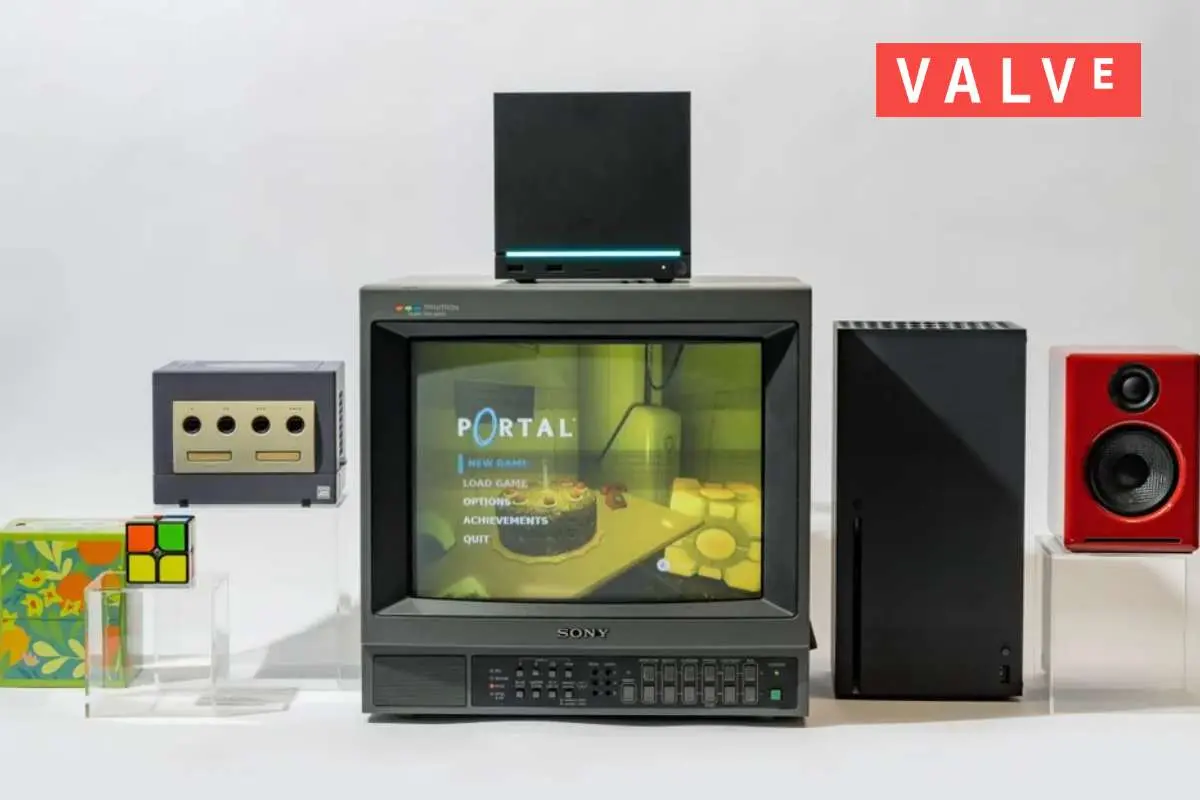
Valve has unveiled its Steam Machine, marking one of the company’s most ambitious attempts to reshape the gaming landscape. Designed to blend the accessibility of a console with the flexibility of a PC, the compact device represents Valve’s latest effort to bring the expansive Steam ecosystem into living rooms while maintaining the openness that has long defined PC gaming.
The Steam Machine is more than just a traditional console. Users can connect monitors, keyboards, mice, and other accessories, allowing the device to double as a general-purpose computer. Running on SteamOS, it offers familiar features such as cloud saves and quick suspend-and-resume functionality, aiming to provide the convenience console players expect without sacrificing the customization PC enthusiasts value.
Performance has emerged as one of the machine’s strongest selling points. The hardware delivers a substantial improvement over Valve’s Steam Deck and supports technologies such as AMD FidelityFX Super Resolution, which helps improve frame rates and visual quality. The company has also signaled broader plans for SteamOS, with ambitions to expand support across different hardware configurations and potentially allow users to build their own Steam Machine setups.
By pursuing an open ecosystem rather than a tightly controlled platform, Valve is attempting to offer an alternative to the traditional console model. The approach reflects the company’s long-standing belief that users should have greater freedom over how they access and customize their gaming experiences.
Premium price tag raises questions about market appeal
While the Steam Machine’s capabilities have generated excitement, its pricing has become one of the most talked-about aspects of the launch. The base model starts at $1,049 with 512GB of storage, while the higher-end version featuring 2 TB costs $1,349.
Those figures place the device significantly above mainstream consoles such as Sony’s PlayStation 5 and Microsoft’s Xbox Series X. As a result, some industry observers believe the Steam Machine is likely to appeal primarily to enthusiasts and existing PC gamers rather than casual consumers seeking a simple plug-and-play experience.
Valve has defended the pricing strategy by emphasizing that it is not following the traditional console business model, where manufacturers often sell hardware at a loss and recoup profits through software sales and subscription services. Instead, the company says the Steam Machine is priced closer to its production costs while preserving the openness of the platform.
Global supply-chain challenges and rising component prices have also played a role. Shortages affecting memory components and other essential parts have complicated manufacturing efforts and limited availability during the launch period. Similar constraints have contributed to delays affecting accessories and other products tied to the ecosystem.
The situation highlights broader changes taking place across the gaming industry. As the costs of advanced hardware continue to increase, companies are facing mounting pressure to balance innovation with affordability. The Steam Machine’s premium positioning may signal a future where high-performance gaming systems increasingly command higher prices.
Impressive hardware faces familiar first-generation challenges
Despite strong performance and an innovative concept, the Steam Machine has not escaped the growing pains often associated with first-generation hardware. Early impressions suggest that while the device offers impressive engineering, the software experience still requires refinement.
Some users have encountered issues related to setup, driver compatibility, and inconsistent suspend-and-resume functionality. Achieving optimal performance frequently involves adjusting graphics settings and experimenting with upscaling technologies, making the experience feel closer to PC gaming than the straightforward simplicity associated with consoles.
Nevertheless, reviewers have praised the machine’s compact form factor, quiet operation, and efficient cooling system. The hardware manages to deliver substantial power without generating excessive noise, demonstrating Valve’s engineering expertise.
Many analysts believe the device’s long-term success will depend largely on Valve’s commitment to software updates. The company previously transformed the Steam Deck through continuous improvements and regular feature enhancements, leading many to expect a similar strategy for the Steam Machine.
For now, the Steam Machine represents a bold experiment rather than a direct replacement for traditional consoles. It reflects a growing convergence between PCs and dedicated gaming systems, offering players greater flexibility while challenging established business models.
Whether the device ultimately becomes a mainstream success remains uncertain. However, Valve’s latest hardware has already sparked discussions about the future of gaming and the economics behind increasingly powerful devices. Even with its premium price and early software hurdles, the Steam Machine demonstrates that Valve remains willing to push boundaries and rethink how gamers experience their favorite titles.