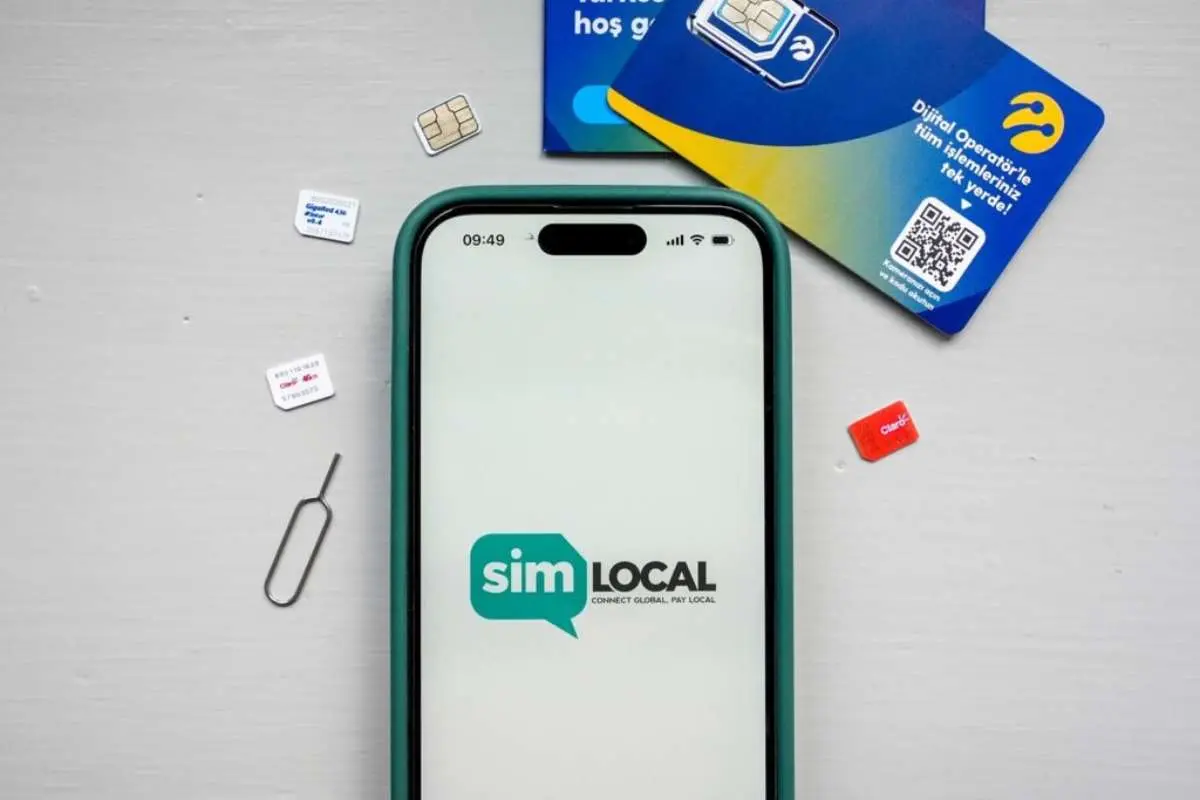
Travel today feels lighter, faster, and more connected than ever. Many travelers now skip physical SIM cards and move toward digital options that activate within minutes. That shift brings convenience, yet it also raises a few practical questions about how things work across different regions.
An eSIM for international travel promises smooth connectivity, but real-world use depends on network coverage, device support, and plan details. This article breaks down what you can expect, so you stay prepared and avoid surprises during your trip.
Network coverage differs by region
Coverage is not the same in every country. Major cities usually deliver strong signals and stable speeds. Rural areas, however, may show weaker connections or limited access to certain networks.
Each eSIM provider partners with local carriers. That means your connection quality depends on those agreements. Before you choose a plan, check supported regions and partner networks. A quick review can save you from slow speeds or signal gaps later.
Data speeds can vary
Speed plays a big role in your experience. In some regions, you may enjoy fast 4G or even 5G service. In others, the network may switch to slower speeds due to infrastructure limits. Peak hours can also affect performance. Crowded areas, such as airports or tourist hubs, may slow down data access. While basic tasks like maps and messaging work well, streaming or large downloads may feel less smooth in such moments.
Plan validity and expiry rules

Every eSIM plan comes with a set validity period. Some plans activate right after purchase, while others start once you connect to a network in your destination. If you are choosing an eSIM for international travel, it is important to read the fine print. A plan that expires in a few days may not suit a longer trip. Some providers offer flexible options with longer validity, so you can choose based on your travel schedule.
Device compatibility matters
Not all devices support eSIM technology. Even if your phone has eSIM capability, it must be unlocked and compatible with the provider’s network partners. Before you buy, confirm your device model. A simple compatibility check prevents activation issues later. This step becomes even more important when you travel across multiple countries, as network bands may differ.
Switching between regions feels seamless

One key advantage of eSIM for international travel lies in its ability to work across borders. Many plans support multiple countries under a single package. This means you do not need to change settings every time you cross a border. However, automatic switching depends on the provider’s network coverage. In most cases, your device connects to the strongest available network without manual input. That makes travel smoother, especially for multi-country trips.
Costs remain predictable
Traditional roaming charges can feel uncertain. eSIM for international travel, in contrast, offers clear pricing before you start your journey. You know how much data you get and how long it lasts. Still, it helps to monitor usage. Some plans reduce speed after you reach a limit, while others may require a top-up. A quick check on your data balance ensures you stay connected without interruption.
The setup process is simple but important

The setup process usually involves scanning a QR code and installing a profile on your device. This step takes only a few minutes, but it must be done carefully. Stable internet access during setup is necessary. It is best to install the eSIM before departure or while connected to a reliable Wi-Fi network. Once activated, the connection becomes ready for use as soon as you arrive.
Customer support and backup options
Even with a smooth system, questions may arise during travel. Good providers offer support through chat, email, or apps. Quick access to help can make a big difference when you face network issues. It is also wise to keep a backup option. A secondary Wi-Fi plan or access to public networks can help in case of temporary disruptions. This adds an extra layer of convenience without much effort.
Real-life experience across regions
Travelers who use an eSIM for international travel usually notice the ease it brings. There is no need to search for local SIM cards or handle physical swaps. Activation happens in minutes, and the connection starts as soon as the device connects to a supported network. Still, each region offers a slightly different experience. Urban centers feel fast and reliable, while remote areas may test patience. With the right expectations and a suitable plan, the overall experience stays smooth and efficient.
Using an eSIM across regions brings a clear shift in how people stay connected. It reduces setup time, removes the need for physical cards, and offers better control over data use. At the same time, a bit of preparation ensures the best results. Check coverage, confirm device support, and choose a plan that matches your trip. With these steps in place, you can enjoy a reliable connection and focus on the journey ahead.