
Integrating generative AI into your SEO consulting strategy offers ways to scale content and research, but it also opens your business to new types of risks. For an enterprise brand, protecting your reputation and your data is just as important as the growth you aim to achieve. This article explores seven generative AI vulnerabilities you need to address to ensure your AI-enhanced SEO strategy remains secure, reliable, and effective.
Here are 7 generative AI vulnerabilities
1. Protecting against prompt injection attacks
Prompt injection occurs when someone manipulates an AI’s input to bypass its safety filters or force it to perform unauthorised tasks. In an SEO context, this could involve someone attempting to extract sensitive business logic or trick your AI agents into generating harmful or off-brand content. Implement robust prompt guards that detect and block attempts to manipulate your models in real time.
2. Preventing sensitive data disclosure

AI models can sometimes inadvertently learn and reveal sensitive information, such as private customer details, that was present in their training data. For an enterprise, this risk is high because a leak could lead to regulatory fines or the loss of a competitive advantage. Utilise privacy-enhancing technologies and ensure that all data used for training or fine-tuning is properly anonymised or encrypted.
3. Mitigating data and model poisoning
Data poisoning happens when an attacker inserts malicious or incorrect data into your training sets or knowledge bases. This can lead to a degradation in your search performance or, worse, automated decisions that harm your brand’s reputation. To defend against this, you must effectively validate every source of data that enters your pipeline and use integrity checks for your retrieval databases.
4. Addressing insecure AI-generated code

If your AI consulting strategy involves using tools to generate code for your website’s technical SEO, you face the risk of vulnerable output. AI models suggest code snippets that contain security flaws, which could then be exploited if deployed to your live site. Treat any AI-generated code with the same scrutiny as software written by a human developer, running it through vulnerability scanners and security audits.
5. Managing AI supply chain vulnerabilities
Your AI strategy likely relies on various third-party libraries, packages, and models that may have their own security weaknesses, a topic explored in http://lawrencehitches.com/. An attack on any part of this supply chain can be used to exfiltrate your data through the behaviour of your models. Maintain a strict inventory of all your AI dependencies and regularly audit them for known suspicious updates.
6. Avoiding shadow AI and uncontrolled flows
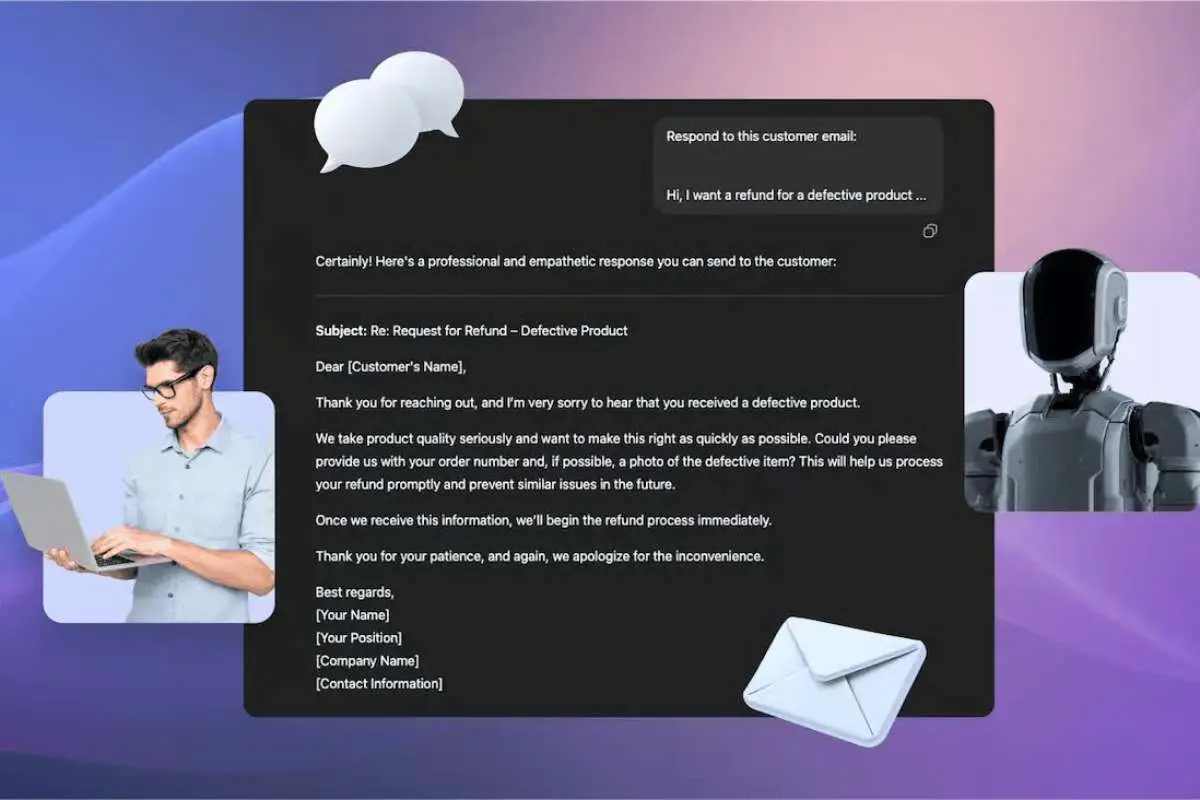
Shadow AI refers to the use of generative AI tools by employees or departments without the approval or oversight of your security and strategy teams. These systems create compliance blind spots and increase the chance of sensitive data being leaked through unauthorised channels. Establish a governance policy that identifies which AI tools are approved for use and how they should interact with your data.
7. Resolving AI-generated content integrity risks
Over-reliance on AI-generated content without adequate human verification is a major vulnerability that can damage your brand’s credibility. If your AI produces convincing but incorrect information, your search rankings and user trust will suffer. You should implement a human-in-the-loop workflow where every piece of high-volume content is audited for accuracy and brand consistency before it is published.
Ensuring your secure future
Addressing these seven Generative AI vulnerabilities is a critical part of building an enterprise-grade AI strategy that stands the test of time. By proactively securing your prompts, data, and supply chain, you allow your team to scale content creation without the constant fear of security breaches or reputation loss. A secure strategy is ultimately the most successful strategy, protecting your hard-earned authority.