Research and development (R&D) teams need evidence that withstands heat, pressure, handling, and assembly. A polished part model can still fail once resin fills a cavity and begins to cool. Focusing on prototype tooling and mold design early in the process shows how geometry, flow, shrinkage, venting, and release behave under molded conditions. That information helps teams correct risk before production budgets, validation plans, and customer deadlines become harder to adjust.
Ideas for early tooling tests
Before production funding is committed, prototype tooling and mold design provide engineering teams with tangible evidence that drawings and printed samples cannot provide. Short-run tools can reveal sink marks, warpage, short shots, fragile ribs, poor fits, and resin response while revisions remain practical, budgets stay protected, and schedules still allow careful correction.
Mold design guides decisions
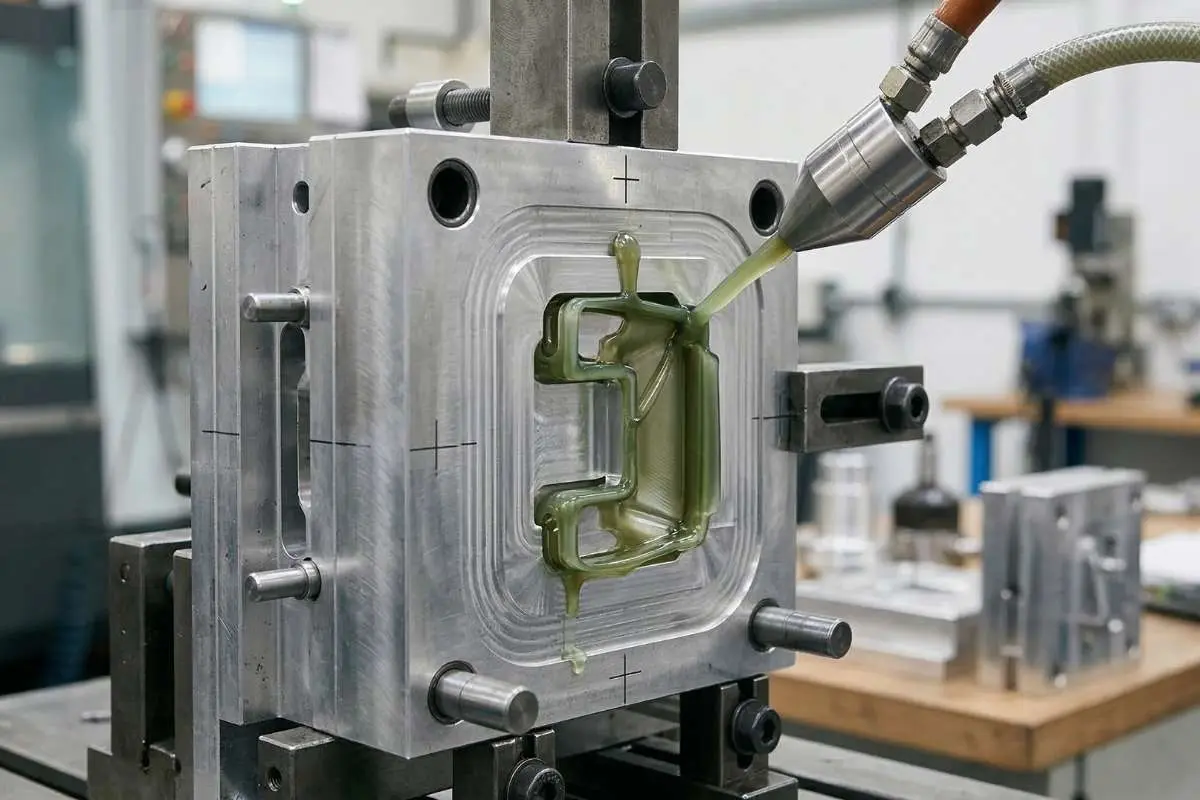
A mold does more than create a cavity. Resin must enter, pack, cool, shrink, and release in a controlled pattern. Early review of wall thickness, draft, shutoffs, parting lines, vents, and ejector placement helps prevent avoidable trial changes. These decisions affect strength, surface finish, cycle time, inspection needs, and final unit cost.
Data beats guesswork

Printed samples help with shape and fit, while molded parts answer process questions that models cannot. Engineers can test stiffness, impact strength, surface texture, sealing behavior, and dimensional stability with intended materials. Measured results support design records, supplier reviews, and customer approvals. That level of evidence matters for medical, electronics, automotive, and consumer products with strict performance demands.
Speed matters in R&D
Research programs move well when each test answers a clear technical question. Prototype molds can produce usable parts in days or weeks, depending on the tool’s scope, resin requirements, and geometry. Short runs let teams compare revisions, evaluate material grades, and confirm product feel. Faster learning works best when every sample has a defined purpose before testing begins.
Cost control starts early

Late tooling changes, such as gate movements, added draft angles, or resin alterations, can affect steel work, cycle time, inspection, and scrap. Prototype molds bring many of these issues into view sooner. Early spending may seem optional, yet it can prevent rework, launch delays, failed validation runs, and expensive tool corrections.
Materials need real testing
Material choice changes how a part fills, bends, seals, wears, and ages. Polycarbonate, polypropylene, polyethylene, elastomers, and filled resins each respond differently inside a mold. Some require adjusted gate locations, venting, cooling, or pressure control. Prototype runs allow heat, stress, chemical, and repeat-use testing before production commitments grow and sourcing decisions become harder to change.
Fit and assembly improve

Molded parts often snap, seal, slide, clip, or align with neighboring components, where a small dimensional shift can create leaks, stress marks, noise, or a poor user experience. Implementing effective prototype tooling and mold design lets teams test interfaces with parts made close to the intended process. This assembly feedback can then be used to refine ribs, tolerance bands, surface texture, latch depth, and feature size before moving to full production.
Inspection closes the loop
Inspection turns molded samples into usable engineering evidence. Measurements can confirm flatness, critical dimensions, wall sections, and variation across a short run. Teams compare results against drawings, functional needs, and assembly behavior. If a feature drifts, the mold or part model can be corrected with a clear cause instead of speculation or repeated trial work.
Inspection closes the loop
Strong R&D work depends on shared judgment between designers, engineers, mold makers, and manufacturers. Each role sees a different source of failure. Early review connects product intent with molding reality. A mold maker may recommend draft changes, gate shifts, vent updates, or resin options that protect function and reduce avoidable revision loops.
Conclusion
Effective prototype tooling and mold design give product teams a practical way to learn before production pressure rises. This process turns concepts into testable molded parts, reveals design risk, supports material choices, and strengthens cost control. Careful early work also protects timelines while keeping quality measurable. For plastic product programs, this step gives engineers clearer evidence, fewer surprises, and better technical decisions before full-scale manufacturing begins.