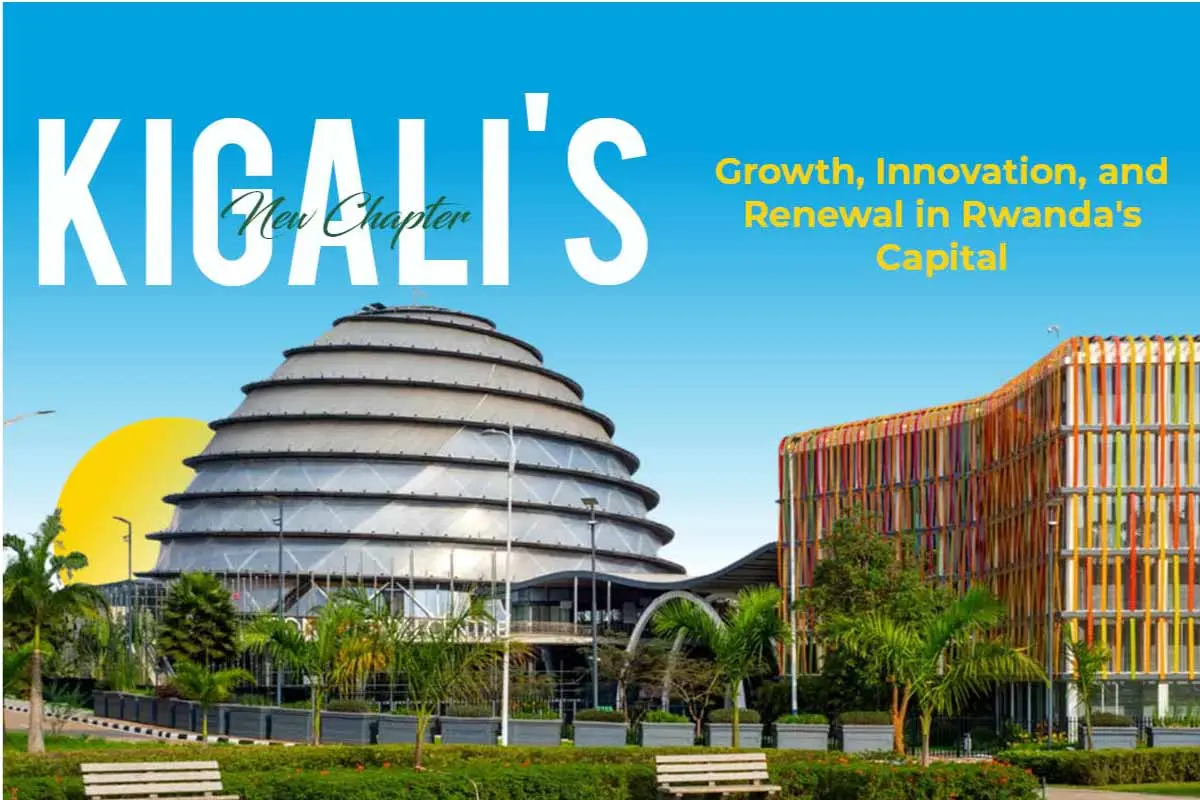
Morning light spills across Kigali’s green hills as street sweepers finish their rounds and motorcycle taxis weave through tidy avenues. Cafés begin to fill, markets stir, and offices open in a capital that sits at the geographic center of Rwanda. Kigali, the nation’s administrative heart, has earned global attention for its cleanliness, public safety, and careful urban planning.
Today, the city stands as a reflection of Rwanda’s ambitions in governance, business, sustainability, and culture. Its rising influence within East Africa makes Kigali one of the continent’s most compelling urban stories.
Echoes Across the Hills: Kigali’s History and Cultural Identity
A City Built on Memory and Renewal
History etched into the hills. Kigali began in 1907 as an administrative post under German colonial rule. After Rwanda gained independence in 1962, the city became the national capital and steadily expanded in political and economic importance. Its history carries deep sorrow as well. The 1994 Genocide against the Tutsi devastated Kigali and left lasting scars across the nation. In the years that followed, reconstruction reshaped the city and marked the beginning of a new chapter.
Memory remains central to civic life. Places such as the Kigali Genocide Memorial preserve the stories of victims and encourage reflection. Traditional dance, crafts, oral storytelling, and community celebrations continue to hold an important place in daily life.
Culture speaks in many voices. Art galleries, music venues, cultural centers, and public gathering spaces present a vibrant creative scene. Together, these elements make Kigali a meeting point of heritage and contemporary African expression.
In Kigali, remembrance and creativity exist side by side, giving the city an identity shaped by resilience, heritage, and hope for the future.
Engines of Prosperity: Kigali’s Economic Pulse

The Capital That Powers Rwanda
At the center of Rwanda’s economy. Kigali generates more than 40 percent of the country’s GDP, making it the nation’s leading economic hub. The city serves as Rwanda’s principal center for administration, trade, services, and tourism, attracting businesses and visitors throughout the year.
Services keep the city moving. The services sector remains Kigali’s economic foundation. Real estate development continues at a rapid pace, while hospitality, information technology, retail, and conference tourism have gained increasing importance. New roads, commercial districts, and public infrastructure projects support business activity and improve connectivity across the city.
Policy with a business focus. Kigali benefits from government measures designed to simplify investment procedures and create an efficient business environment. Close cooperation between city authorities and private sector institutions has encouraged entrepreneurship and helped position Kigali as an attractive destination for regional and international investors.
With a dynamic economy and a business-friendly climate, Kigali continues to shape Rwanda’s ambitions as a leading commercial center in East Africa.
Kigali’s Financial Footprint: Funding Rwanda’s Future

Where Capital Meets Ambition
Rwanda’s financial heart. Kigali serves as the country’s primary financial center and hosts the headquarters of major banks, insurance companies, investment firms, and key public institutions. This concentration of financial activity gives the city a central role in national economic planning.
Building an international profile. The Kigali International Financial Centre has emerged as an important platform for attracting foreign investment and promoting Rwanda as a competitive financial destination. Kigali has also gained recognition in global financial center rankings, reflecting its growing international presence. At the same time, fintech companies and digital financial services continue to expand across the city.
Finance within reach. Savings and credit cooperatives, commonly known as SACCOs, alongside digital payment systems, have widened access to financial services. These initiatives have improved financial participation among citizens and supported the growth of small enterprises.
As financial services expand and investment flows increase, Kigali is steadily building its reputation as one of Africa’s emerging financial centers.
Doors Open Wide: Business Opportunities in Kigali

Why Investors Are Looking Toward Kigali
A welcoming place for business. Kigali has built an investment environment supported by efficient administrative systems, dedicated investor assistance, and transparent regulations. Streamlined permit procedures allow businesses to establish operations with fewer delays.
Sectors attracting attention. Fintech and digital services continue to expand, while tourism and hospitality benefit from Kigali’s growing international profile. Real estate and urban development remain active areas of investment as the city expands. Green technology, climate solutions, and the conference and events industry also present promising opportunities.
A gateway to regional markets. International investors have shown increasing interest across diverse sectors. Kigali’s location offers access to markets across East and Central Africa, adding to its commercial appeal.
Partnership at the center. Public institutions and private organizations work together through initiatives such as the Kigali Investors Forum, while programs supporting entrepreneurs and small and medium enterprises encourage business growth.
With supportive policies, expanding industries, and regional connectivity, Kigali continues to attract investors seeking long-term opportunities in Africa.
Read Next: Omaha’s Competitive Edge: A Midwest Metro Built for Long-Term Growth
The Green Capital Vision: Sustainability in Action

Building a Climate Conscious City
Growth with environmental purpose. Kigali has placed sustainable urban development at the center of its long-term planning. The Green City Kigali project stands as a flagship initiative, promoting energy efficiency, resource conservation, and environmentally conscious housing.
Planning for resilience. City planners use a combination of green and gray infrastructure to reduce flood risks and respond to climate challenges. Parks, restored wetlands, and protected green spaces are being integrated into urban expansion, helping preserve natural ecosystems while improving quality of life.
Kigali’s approach offers an important example of how African cities can pursue economic growth while maintaining environmental responsibility.
Beyond Business: Experiences that Define Kigali
The Human Side of the Capital
Life beyond the boardroom. Kigali invites visitors to explore vibrant local markets, cultural centers, museums, lively cafés, and scenic hilltop viewpoints that reveal the city’s character. Leisure travelers appreciate its relaxed atmosphere, while business visitors often extend their stays to experience its cultural offerings.
A welcoming city. Kigali’s reputation for hospitality, public safety, and strong community spirit leaves a lasting impression on many visitors. These everyday experiences give the capital a warmth that complements its growing international profile.
In Kigali, daily life unfolds with a sense of connection and hospitality that turns many first-time visitors into returning guests.
Conclusion: Kigali’s Next Chapter
A Capital Looking Forward
Kigali stands today as a city shaped by remembrance, energized by enterprise, and inspired by innovation. Its progress mirrors Rwanda’s wider ambitions for economic advancement and stronger global connections. As investment, culture, and sustainable development continue to gain momentum, Kigali is steadily securing its place among Africa’s most influential and forward-looking urban centers.
Read Next: Bruges: A Quiet City Defined by Memory and Movement