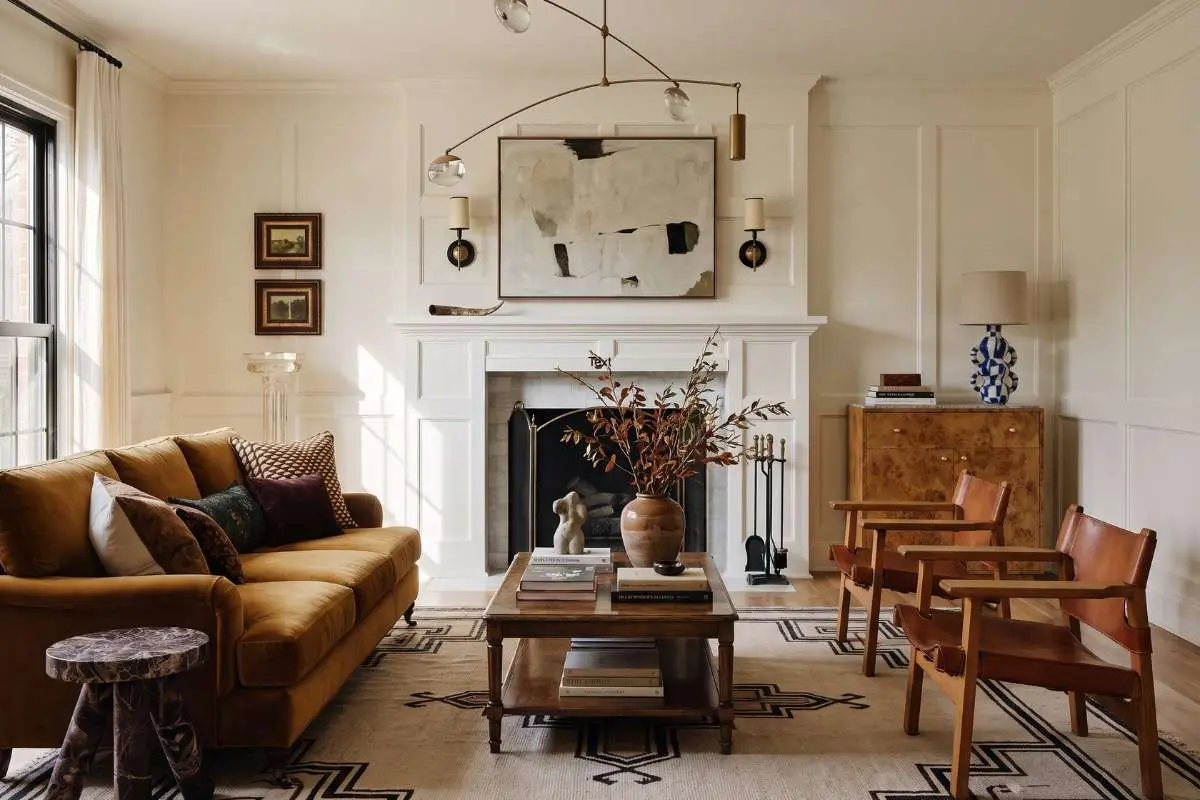
A sofa assembled by hand, piece by piece, on a living room floor tends to earn a kind of loyalty that a piece bought fully finished rarely does. That loyalty does not disappear just because a household’s taste in color, pattern, or overall style moves on to something different a few years later. The tension this creates is a familiar one, a sofa still structurally sound and still genuinely liked, sitting slightly at odds with a room that has otherwise evolved around it. Resolving that tension does not have to mean replacing the furniture, as updating the look with removable sofa covers offers a seamless way to align an existing piece with a refreshed design vision.
Most people assume this pull toward a familiar piece is purely sentimental, a fondness built up simply from years of daily use. That explanation is not wrong, but it also is not the whole story. Something specific happens during the act of putting a piece of furniture together that goes beyond ordinary familiarity, and understanding what that something actually is makes the decision to keep a beloved sofa, rather than replace it, feel considerably less like nostalgia and considerably more like a reasonable response to a well-documented psychological pattern.
Why people stay attached to furniture they had to build themselves?
There is a well-documented psychological reason this attachment runs deeper for a piece someone actually assembled rather than one that simply arrived ready to use. A recent meta-analysis published in a peer reviewed marketing psychology journal pooled data across dozens of separate studies and confirmed a consistent effect, people place meaningfully higher value on objects they personally helped build, along with stronger feelings of liking and ownership toward those objects, compared to identical items that arrived pre-assembled.
The researchers found this effect held up reliably across a wide range of products and contexts, suggesting the attachment is not a quirk of any one study but a fairly robust feature of how people relate to things they had a hand in creating. A flat-pack sofa, assembled at home rather than delivered whole, fits squarely into the kind of object this research describes.
The researchers behind that analysis also found the effect depended on one specific condition: the assembly actually had to be completed successfully. When a piece of furniture is left half finished, or falls apart shortly after being built, the sense of attachment the research describes simply does not form in the same way. This detail matters here, since a sofa that has been standing, fully assembled and in regular use for years, sits firmly on the successful side of that distinction, exactly where the attachment effect proves strongest and most durable over time.
Changing the surface without giving up the frame
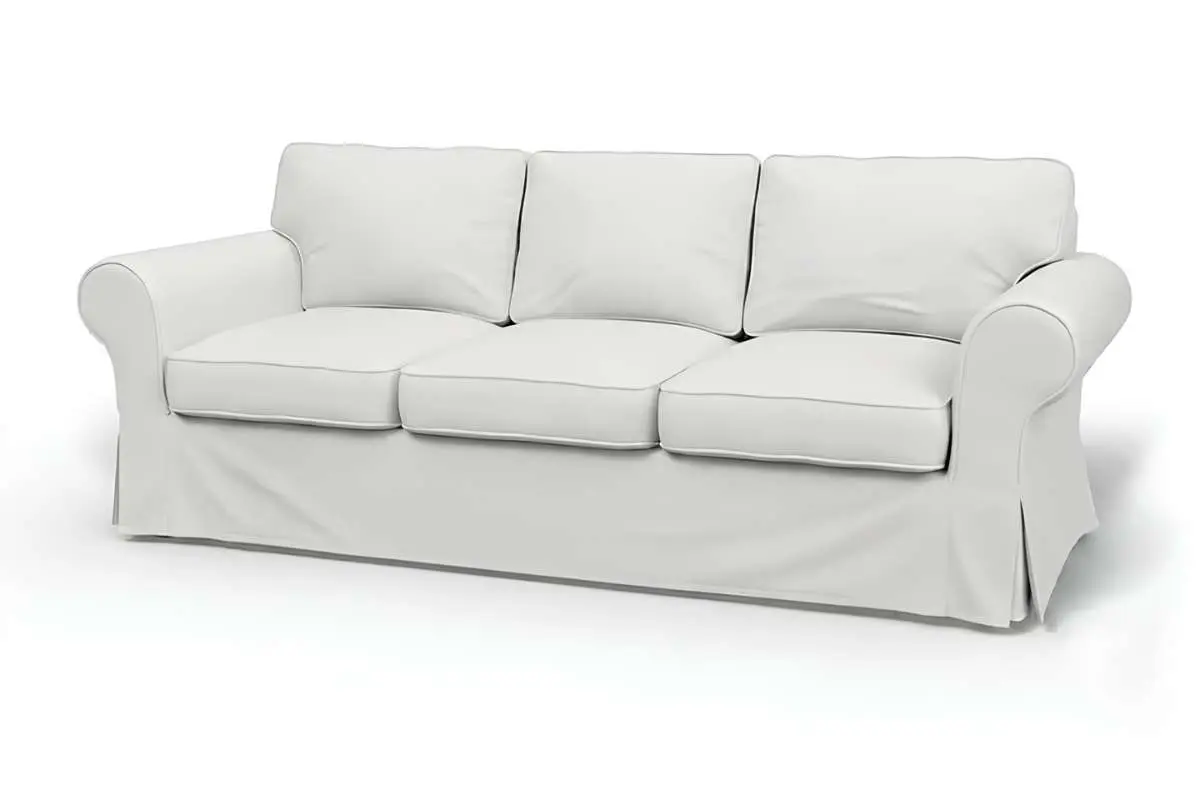
Removable covers for a classic Ektorp sofa exist specifically to let that attachment stay intact while everything else about the piece’s appearance changes. The frame that was actually assembled, screw by screw, does not need to go anywhere for the room around it to look completely different, since removable sofa covers carry almost the entire visual identity of the piece.
Swapping fabric rather than furniture keeps the object a household is genuinely attached to while still letting its color, texture, and overall presence shift to match a style that has moved on. This distinction, between the frame someone built and the fabric wrapped around it, is exactly what makes it possible to satisfy both the psychological pull toward keeping something familiar and the practical desire for a room that still looks current.
It is worth noticing how rarely this distinction gets made explicitly when a household starts feeling tired of a sofa’s appearance. The frustration attaches itself to the whole object, sofa included, even though the actual source of the dissatisfaction is almost always the fabric on its surface rather than anything structural underneath. Separating those two things deliberately, rather than letting the irritation blur them together, is often all it takes to realize a full replacement was never actually necessary in the first place.
Signs it is the color, not the sofa, that has stopped working
A few honest questions tend to clarify whether the actual problem is the furniture itself or simply its current fabric, rather than assuming the two are the same thing.
- The sofa is still comfortable and structurally sound after regular use
- The color or pattern feels out of step with everything chosen since
- Sitting on it does not feel different, only looking at it does
- Replacing the whole piece would mean losing proportions the room was planned around
If most of these sound familiar, the fabric is very likely doing the damage the whole sofa is getting blamed for.
Why this matters more for a piece like Ektorp specifically?
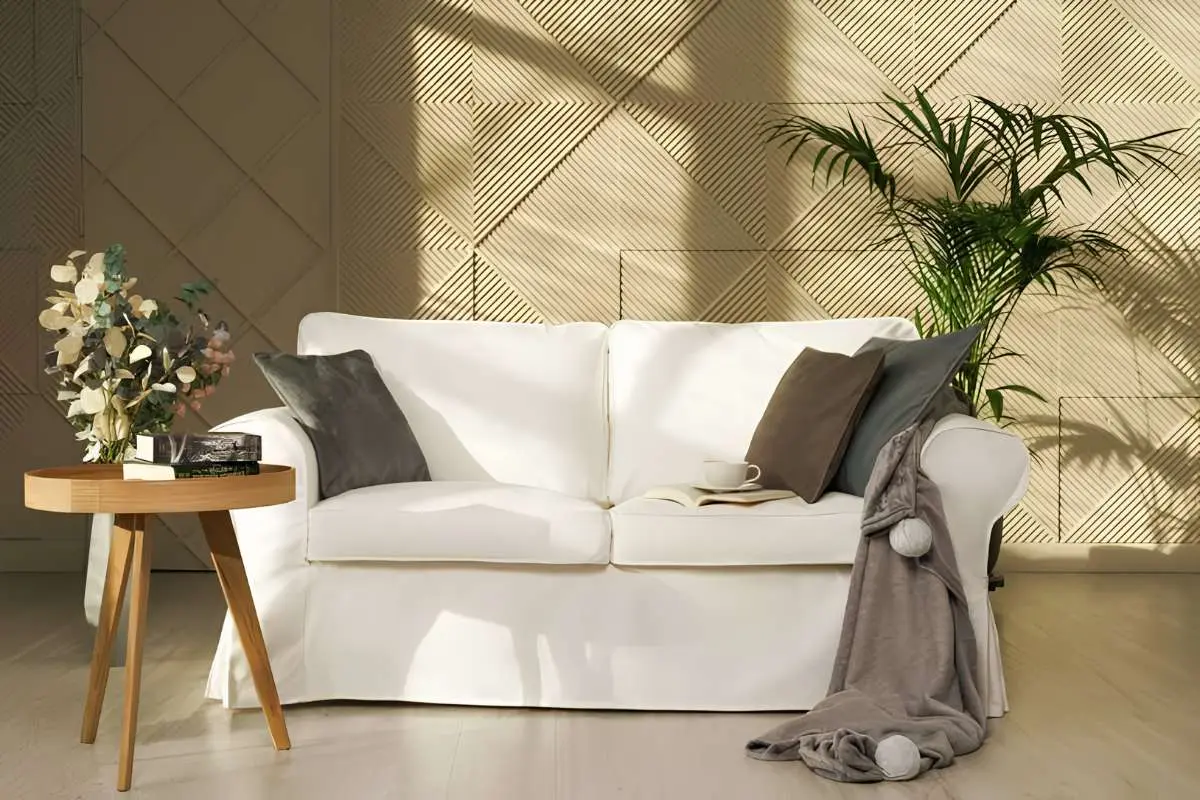
Ektorp in particular tends to accumulate this kind of attachment, since it is one of the more commonly self-assembled sofa lines, built at home by the household that will go on to use it for years afterward. That combination, a piece someone put together themselves and has lived with for a long stretch of time, sits precisely at the intersection the research on self-assembly and valuation describes as producing the strongest attachment. Treating a cover change as a full replacement decision misunderstands what is actually driving the reluctance to part with the piece in the first place, which usually has very little to do with the fabric currently on it.
This also explains why a straightforward color update can feel surprisingly satisfying compared with buying an entirely new sofa in a similar shape. A new piece, however close in design, does not carry the same history, and no amount of styling closes that gap on its own. Refreshing the cover on a sofa someone actually built keeps that entire history intact while still delivering the visual change a household was actually after, which is a considerably better outcome than either living with a color that no longer fits or giving up a piece of furniture that never stopped earning its place.
The frame was never really the problem
Style moves on considerably faster than a well-built frame wears out, and treating those two timelines as if they have to match forces a choice that was never really necessary. Switching to removable sofa covers lets a genuinely loved piece of furniture keep pace with a room that keeps evolving around it.
The next time a familiar sofa starts to feel like it belongs to an earlier version of a room, it is worth asking which part of the object actually stopped fitting: the frame someone built years ago, or simply the fabric sitting on top of it. In almost every case, only one of those two things ever really needed to change.