Hair thinning and pattern baldness affect millions of adults and can influence self-confidence and personal styling choices. For those seeking hair restoration, modern surgical options provide different approaches to addressing areas of thinning and hair loss. If you are researching local clinics, you have likely noticed a growing interest in a FUE hair transplant in Raleigh.
Follicular Unit Extraction (FUE) involves removing individual follicular units from a donor area and placing them into areas affected by hair loss. Compared with traditional strip harvesting, the technique does not require the removal of a continuous strip of scalp. Understanding how FUE works, its potential benefits and its limitations can help patients make informed decisions about their hair restoration journey in North Carolina.
Understanding the Basics of Modern Hair Restoration
To appreciate why follicular extraction has gained popularity, it helps to understand how it differs from traditional strip harvesting. Historically, patients seeking hair restoration underwent a FUT hair transplant in Raleigh, NC.
Follicular Unit Transplantation (FUT) involves removing a strip of scalp from the donor area, usually at the back of the head. The strip is then divided into individual grafts before they are placed into areas experiencing hair loss.
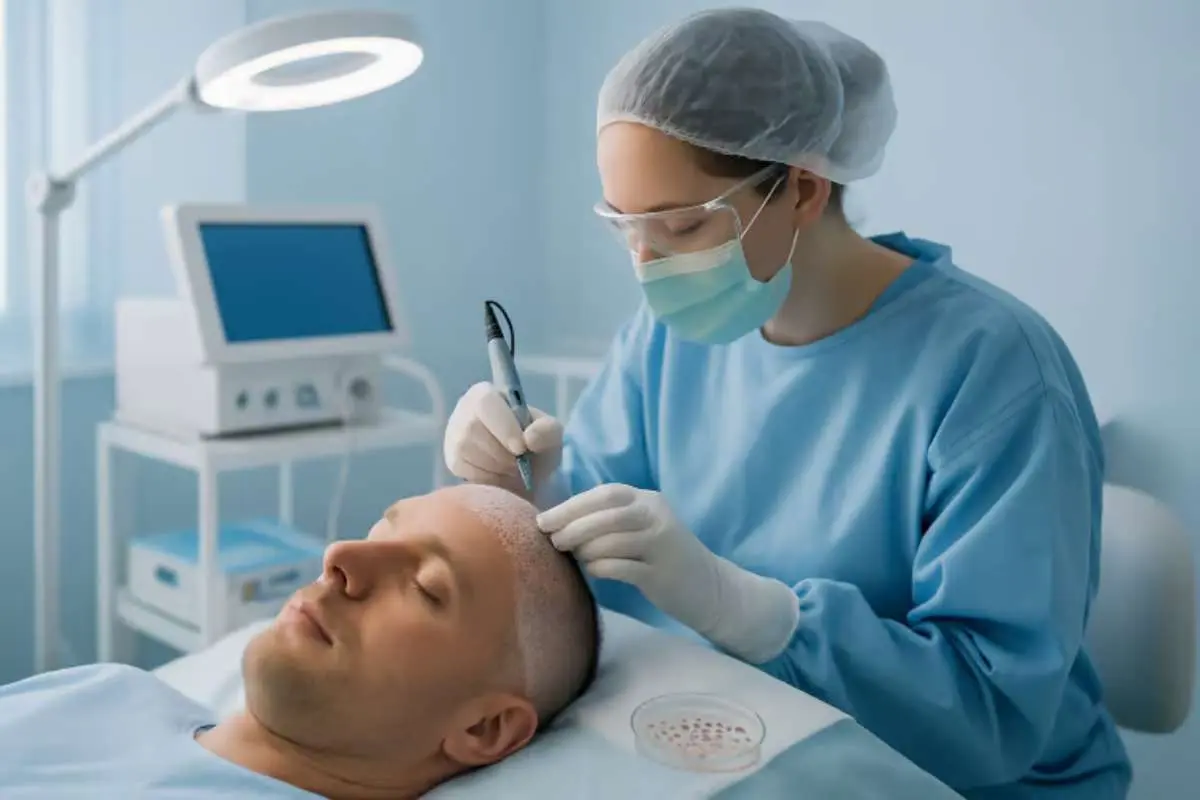
In contrast, a FUE hair transplant in Raleigh uses a specialized micro-punch to extract individual follicular units. The grafts are then prepared and placed into recipient areas according to the treatment plan.
Understanding FUE Hair Extraction
During FUE, individual follicular units are removed from the donor area using a small extraction instrument. The size and characteristics of the grafts can vary depending on the patient’s hair.
The extracted grafts are then placed into carefully prepared recipient sites. The number of grafts required depends on the extent of hair loss, donor supply and the individual’s treatment goals.
Comparing FUE and FUT
The primary difference between FUE and FUT involves how the donor follicles are obtained. FUE extracts individual follicular units, while FUT removes a strip of scalp.
FUT can leave a linear donor-area scar, whereas FUE typically results in multiple small extraction marks. Neither approach is automatically appropriate for everyone, so a professional assessment is important.
Planning Graft Placement
Graft placement is an important part of hair transplantation. The practitioner considers the direction, angle and distribution of existing hair when planning the recipient area.
Single-hair grafts may be useful around the hairline, while grafts containing multiple hairs may be placed in areas where greater density is appropriate. The exact approach varies according to each patient’s anatomy and treatment plan.
Why Patients Prefer the Minimally Invasive Approach
The shift toward individual graft extraction is partly associated with the smaller extraction sites used during FUE. Because the procedure does not involve removing a continuous strip of scalp, the donor area is managed differently from FUT.
Patients should still understand that FUE is a surgical procedure and can involve temporary redness, swelling, tenderness, scabbing and other side effects.
Natural Looking Hairlines
The precision of individual harvesting allows surgeons to select different types of follicular grafts for various areas of the scalp. Single-hair grafts can be positioned around the front hairline, while multi-hair grafts may be used further back where greater density is desired.
Careful planning can help the transplanted hair complement the existing hair pattern.
Reduced Risk of Complications
FUE involves small extraction sites rather than a linear incision. However, as with any surgical procedure, potential complications can include infection, bleeding, swelling, scarring and changes in sensation.
Following pre-operative and post-operative instructions can help support an appropriate recovery. Patients should discuss potential risks with their provider before treatment.
Smaller Donor-Area Extraction Sites
One feature of FUE is that the donor follicles are removed individually rather than through a strip incision. This can make the appearance of the donor area different from that following FUT.
The number and distribution of extraction sites depend on how many grafts are required and the characteristics of the donor area.
Flexibility With Hair Styling
Because FUE does not create a single linear donor scar, some patients may have greater flexibility with shorter hairstyles after healing. However, the visibility of extraction marks can vary according to the individual and the amount of graft harvesting.
Patients should discuss their preferred hairstyles with the surgeon during the consultation.
Comparing Results and Recovery Times
Recovery time is an important consideration for anyone planning surgical hair restoration. Patients often want to understand when they can return to work, exercise and their normal routines.
Those who choose a FUT hair transplant in Raleigh, NC may need to take additional precautions because the donor area contains a linear incision. FUE involves multiple small extraction sites, but it still requires appropriate aftercare.
Long-Term Aesthetic Outcomes
Both FUE and FUT can be used to transplant hair follicles intended to continue growing in the recipient area. However, individual outcomes vary based on donor hair quality, hair-loss progression, surgical technique and other factors.
A consultation can provide a more realistic understanding of what may be achievable for a particular patient.
Understanding the Early Recovery Period
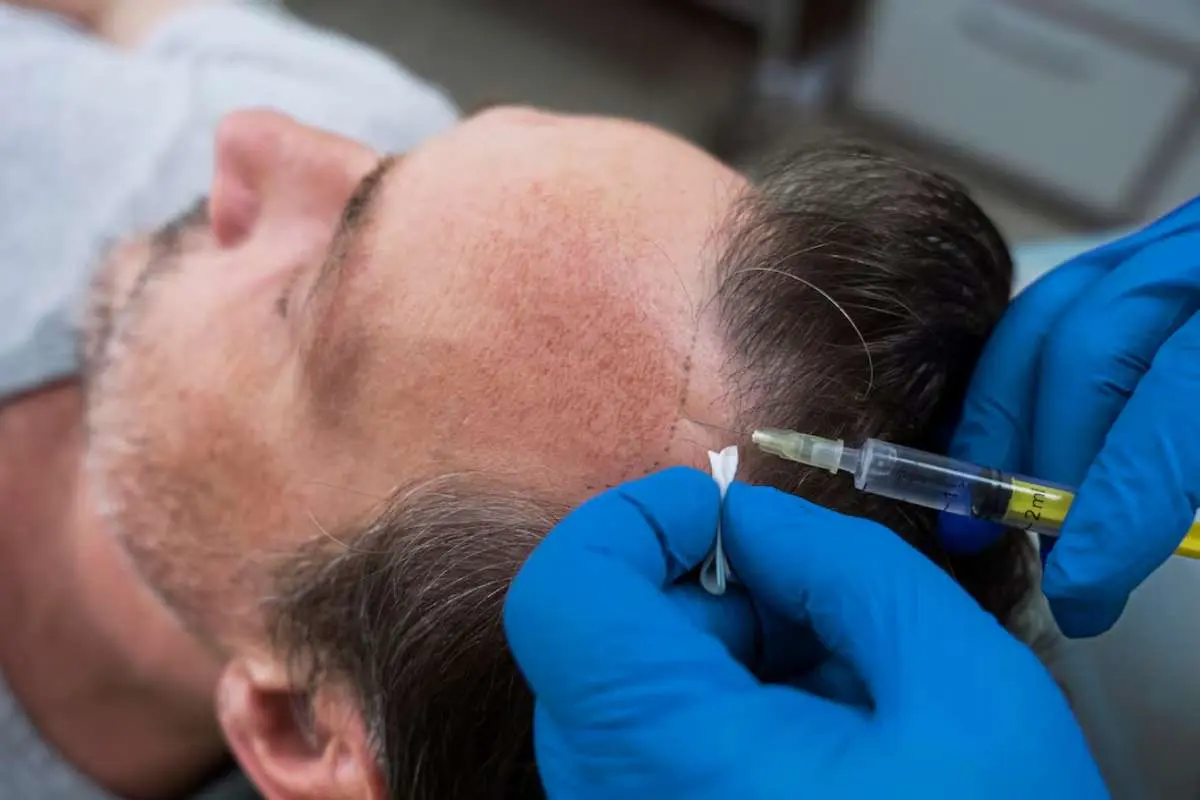
Following FUE, patients may experience redness, swelling, small crusts and tenderness around the treated areas. These effects generally change as the scalp heals.
The provider will give specific instructions about washing the scalp, physical activity, sleeping position and other aspects of aftercare.
Returning to Normal Activities
The time required before returning to work or exercise varies between patients and depends on the procedure and occupation. Some people may return to light activities relatively quickly, while others may need additional time.
Patients should follow their provider’s recommendations rather than relying on a fixed recovery schedule.
Monitoring Hair Growth
Hair transplantation does not produce immediate visible growth. Transplanted hairs can shed during the early stages before new growth becomes apparent.
New hair growth develops gradually, and the timeline can vary considerably between individuals. Follow-up appointments can help monitor the healing and growth process.
Choosing the Right Clinic and Technology in North Carolina
Raleigh provides access to a range of medical and cosmetic services, including hair restoration. When planning a FUE hair transplant in Raleigh, it is important to research the qualifications and experience of the practitioner performing the procedure.
The quality of the consultation, donor-area assessment, graft extraction and recipient-site planning can all influence the overall treatment process.
Evaluating Surgeon Expertise
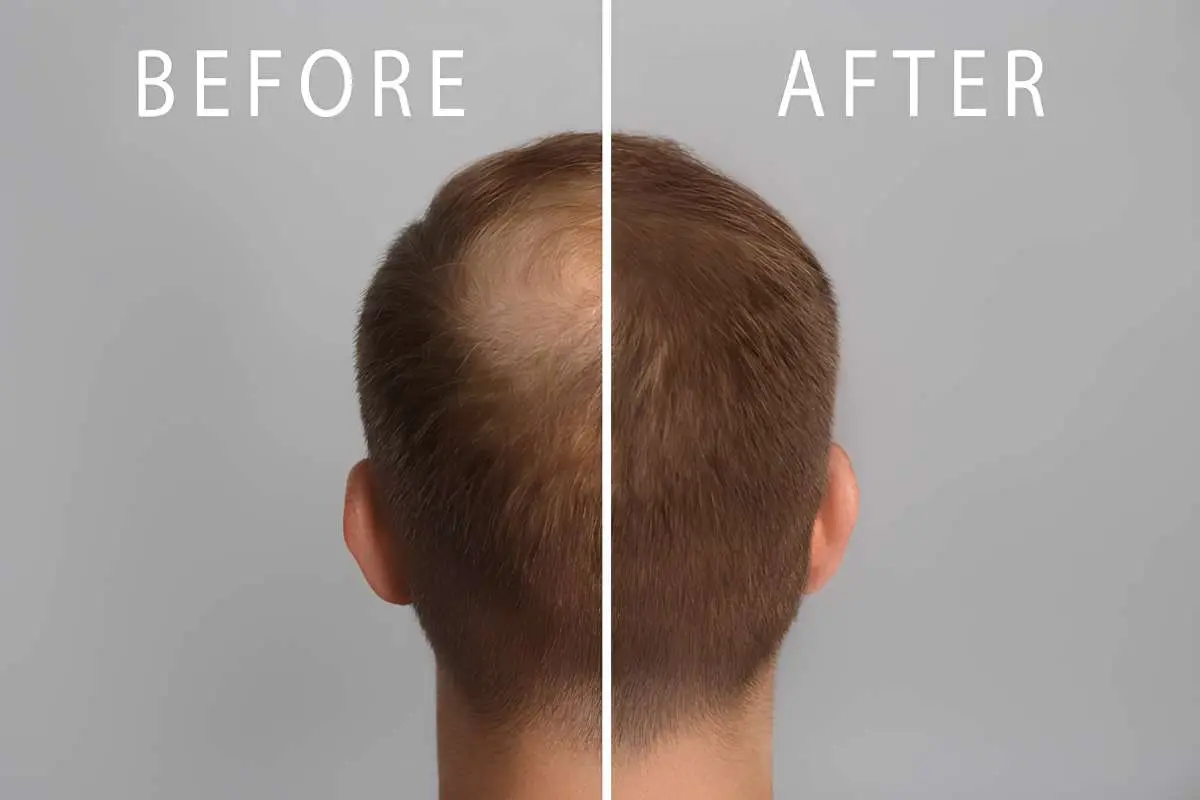
Look for clinics that provide clear information about practitioner qualifications, experience and professional credentials. Before-and-after photographs can also help demonstrate previous work, although they should not be considered a guarantee of future results.
During a consultation, patients can ask about the practitioner’s experience with FUE and whether they have treated hair-loss patterns similar to their own.
The Role of Advanced Technology
Hair restoration clinics may use technologies such as digital scalp imaging, specialized extraction systems and donor-area mapping tools.
Technology can support treatment planning, but it is only one part of the procedure. Appropriate clinical judgment and careful surgical technique remain important.
Assessing Donor Hair Availability
A suitable donor area is an important consideration before transplantation. The practitioner should evaluate the density, quality and distribution of available donor hair.
Overharvesting can affect the appearance of the donor area, so responsible treatment planning should take the long-term availability of donor follicles into account.
Comparing FUE and FUT Options
Although FUE is widely used, FUT remains an established hair transplantation technique. A patient should not assume that one method is automatically appropriate without a clinical assessment.
A reputable provider can explain whether a FUT hair transplant in Raleigh, NC or FUE may be more suitable based on donor supply, hair-loss pattern and treatment objectives.
Final Thoughts
Restoring hair is a personal decision that requires careful consideration of the available options. FUE offers an approach based on individual follicular extraction, while FUT remains another established method of obtaining donor grafts.
The combination of smaller extraction sites and potential hairstyle flexibility makes FUE an option that many patients may wish to discuss with a qualified hair restoration specialist. However, suitability varies from person to person.
By researching qualified practitioners, understanding the differences between FUE and FUT, and discussing realistic expectations during a consultation, patients can make informed decisions about their hair restoration journey in Raleigh.