If you’ve noticed your teeth looking longer than they used to, or if you’re experiencing sensitivity near the gumline, you may be dealing with gum recession a condition that affects millions of Americans and can lead to serious oral health complications if left untreated. Fortunately, modern periodontics offers an effective solution. For patients seeking gum grafting Philadelphia specialists, this procedure can restore not only the health of your gums but also the confidence of a full, natural smile.
Understanding Gum Recession
Gum recession occurs when the gum tissue surrounding your teeth pulls back or wears away, exposing more of the tooth and sometimes even the root. This gradual process can result from a variety of causes, including:
- Periodontal (gum) disease: Bacterial infections that destroy gum tissue and supporting bone
- Aggressive brushing: Using too much force or a hard-bristled toothbrush over time
- Genetics: Some individuals are naturally predisposed to thinner gum tissue
- Teeth grinding (bruxism): Excessive force that wears away gum tissue
- Hormonal changes: Fluctuations during pregnancy or menopause that affect gum sensitivity
- Tobacco use: Smoking and chewing tobacco restrict blood flow to the gums
The problem with recession is that it doesn’t just affect appearance. Exposed tooth roots are more vulnerable to decay, sensitivity, and structural damage. Without adequate gum coverage, teeth can eventually loosen and even fall out. This is why early intervention is so important.
What Is Gum Grafting?
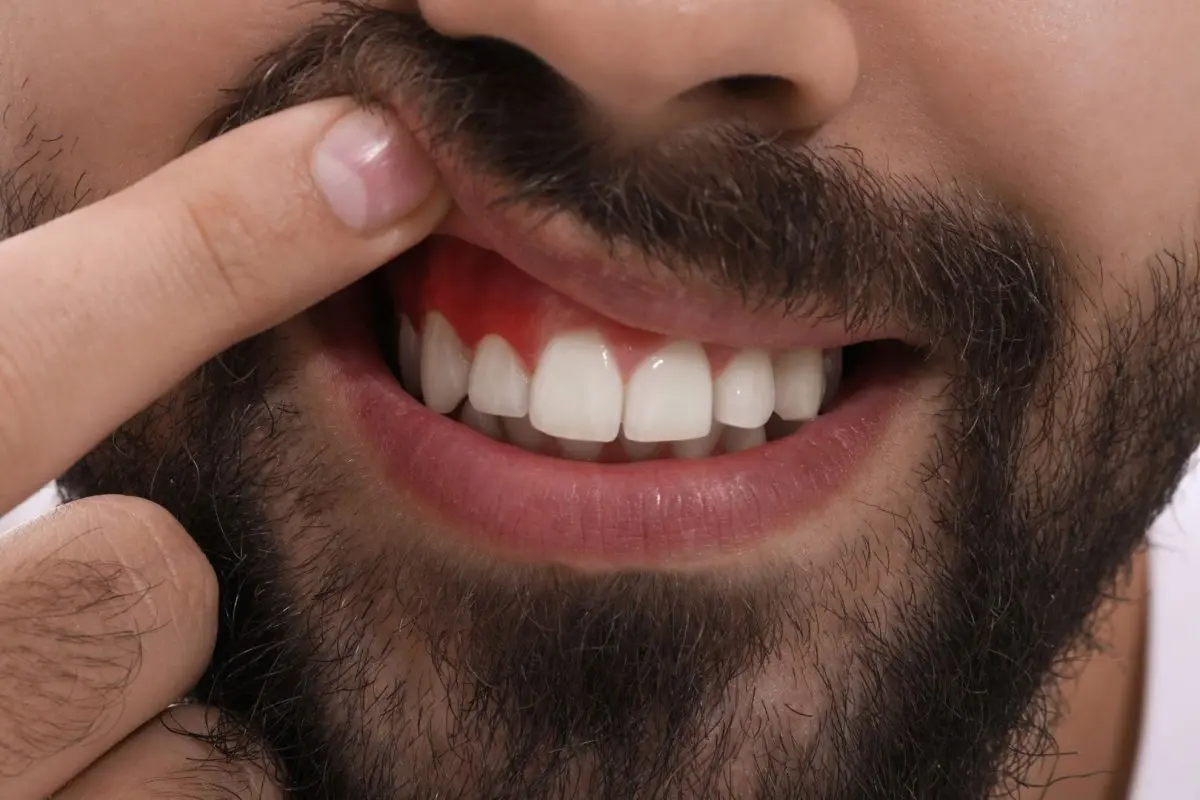
Gum grafting also known as a gingival graft is a surgical periodontal procedure designed to replace lost gum tissue and restore proper coverage around the teeth. It involves taking tissue from one area (either the patient’s own palate or a donor source) and carefully attaching it to the area where recession has occurred.
For those considering gum grafting Philadelphia dental practices offer, this procedure is typically performed by a periodontist a specialist in gum health and is completed on an outpatient basis. Most patients are surprised by how manageable the recovery process is.
Types of Gum Grafts
There are several types of gum grafts available, and the right choice depends on the extent of your recession and your unique anatomy:
- Connective Tissue Grafts: The most common type, in which tissue is taken from under a flap of skin on the roof of the mouth and sutured to the graft site. This method is highly effective and yields natural-looking results.
- Free Gingival Grafts: Similar to connective tissue grafts, but tissue is taken directly from the surface of the palate. This technique is often used when patients have thin gum tissue and need additional reinforcement.
- Pedicle (Lateral) Grafts: Tissue is taken from gum near the affected tooth rather than from the palate. This is only an option when there is plenty of gum tissue available nearby.
- Allografts (Donor Tissue): Some patients may benefit from processed donor tissue, eliminating the need for a second surgical site in the mouth.
The Gum Grafting Procedure: What to Expect
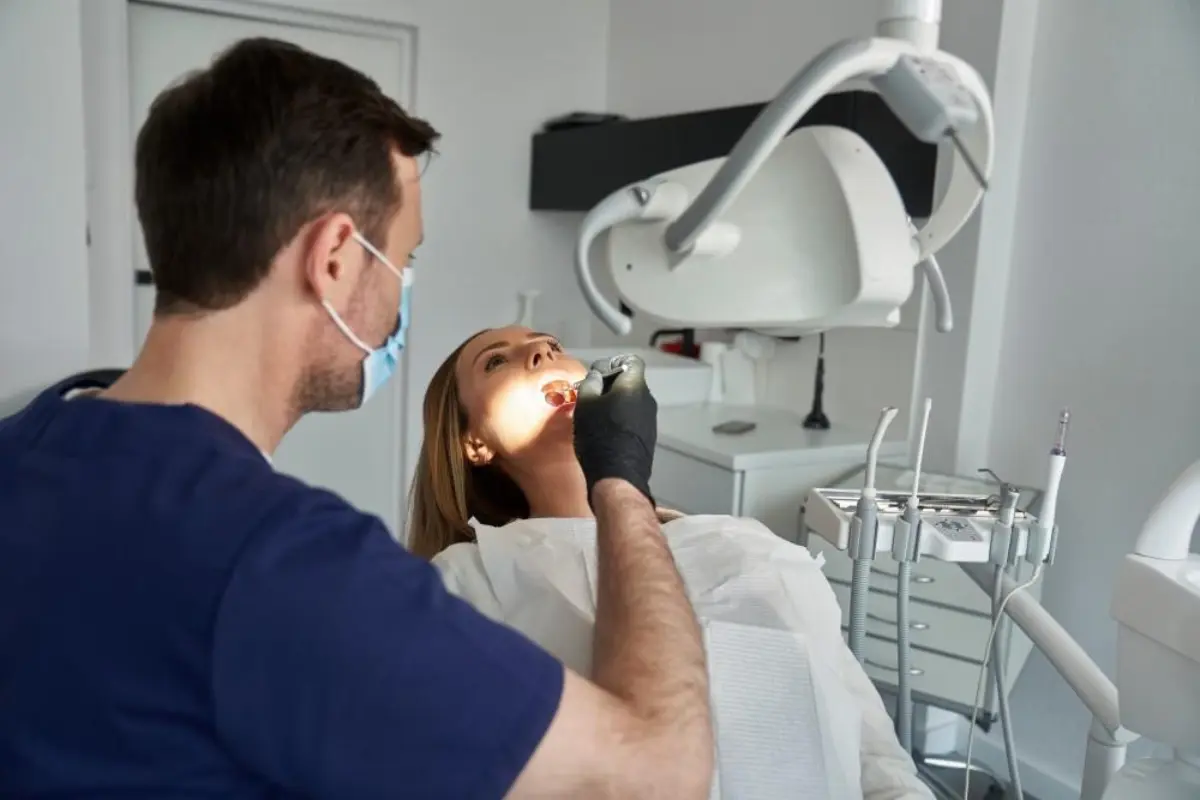
If you’re considering a gum grafting Philadelphia provider for this procedure, knowing what to expect can help ease any anxiety. Here’s a step-by-step overview of what typically happens:
Before the Procedure
Your periodontist will conduct a thorough evaluation of your gum health, taking X-rays and examining the extent of your recession. A personalized treatment plan will be created based on how many teeth are affected and what type of graft will work best for your situation. If you’re interested in learning more about what this process looks like, you can explore detailed information about gum grafting treatment from a trusted Philadelphia-area periodontal practice.
During the Procedure
Local anesthesia is administered to ensure you’re comfortable throughout the procedure. The periodontist will then carefully prepare the recession site and harvest or place the graft tissue. Fine sutures hold the new tissue in place as it integrates with the surrounding gum. The entire procedure typically takes one to two hours depending on how many teeth are being treated.
Recovery and Aftercare
Recovery from gum grafting is usually straightforward. Most patients return to light activity within a day or two, though complete healing of the graft site can take several weeks. Your periodontist will provide detailed aftercare instructions, which typically include:
- Eating soft foods for the first week or two
- Avoiding vigorous rinsing or spitting
- Taking prescribed medications to manage discomfort and prevent infection
- Attending follow-up appointments to monitor healing
- Refraining from brushing the treated area until cleared by your provider
Benefits of Gum Grafting
Many patients who undergo gum grafting Philadelphia periodontists recommend report life-changing results both functionally and aesthetically. The key benefits include:
- Reduced sensitivity: Covering exposed roots dramatically reduces tooth sensitivity to hot, cold, and sweet foods and beverages.
- Improved appearance: Restoring the gumline creates a more balanced, youthful smile with teeth that look the right length.
- Protection against further recession: Grafted tissue strengthens the gumline and helps prevent ongoing deterioration.
- Reduced risk of decay: Exposed roots are more susceptible to cavities; coverage helps protect these vulnerable surfaces.
- Long-term tooth preservation: Healthy gum tissue supports the teeth and surrounding bone, reducing the risk of tooth loss.
Are You a Candidate for Gum Grafting?
Not everyone with gum recession will immediately require a graft, but many people are excellent candidates. You may benefit from this procedure if you:
- Have noticeable recession affecting one or more teeth
- Experience chronic tooth sensitivity linked to exposed roots
- Have been told by a dentist that your recession is progressing
- Are concerned about the aesthetic appearance of your smile
- Have successfully treated any underlying gum disease that caused the recession
It’s important to note that if active gum disease is present, it should be treated before a graft is performed. Your periodontist will guide you through any preliminary treatments necessary to ensure the best possible outcome.
Choosing the Right Periodontist in Philadelphia
When it comes to gum grafting Philadelphia patients should seek out a board-certified periodontist with extensive experience in soft tissue procedures. Look for a practice that offers a comprehensive consultation, uses modern techniques, and takes the time to understand your individual concerns and goals. Ask about their approach to patient comfort, the types of grafts they offer, and what their typical patient outcomes look like.
A skilled periodontist will not only address the immediate problem but will also help you understand how to maintain your results through proper oral hygiene and regular professional care.
Restore Your Smile and Your Confidence
Gum recession may be gradual, but its impact on your oral health and self-confidence can be significant. The good news is that with today’s advanced periodontal techniques, restoring your gumline is more accessible and effective than ever. Whether your recession is mild or more advanced, a consultation with a qualified periodontist can help you understand your options and take the first step toward a healthier, more complete smile.
Don’t wait for recession to worsen. If you’re experiencing any signs of gum recession, reach out to a trusted gum grafting Philadelphia specialist today and discover how this transformative procedure can help you reclaim both your gum health and your smile.