Dental implants are one of the most significant investments you can make in your oral health and confidence. Whether you’ve just had your procedure done or you’re preparing for an upcoming surgery, understanding how to properly care for your implants after placement is essential for long-term success. With the right aftercare routine, your implants can last a lifetime — but neglect them, and you risk complications that could compromise your results.
If you’ve recently received dental implants in Newport Beach, this guide will walk you through everything you need to know about dental implant aftercare to protect your investment and promote healthy healing from day one.
The healing process: What to expect
After implant placement, your body begins a process called osseointegration — the fusion of the titanium implant post with your jawbone. This process typically takes three to six months and is the foundation of your implant’s long-term stability. During this time, how you care for the surgical site can make or break your outcome.
Immediate post-surgery (first 24–72 hours)
The first few days after your dental implant surgery are the most critical. Here’s what you should expect and do during this initial phase:
- Bleeding: Some minor bleeding is normal. Bite down gently on gauze pads as directed by your dentist and avoid spitting forcefully, which can dislodge the blood clot.
- Swelling: Apply an ice pack to the outside of your face in 20-minute intervals to reduce swelling. Most swelling peaks around 48–72 hours after surgery.
- Pain management: Take prescribed or over-the-counter pain medications as recommended. Do not skip doses in the first 24 hours.
- Diet: Stick to soft, cool foods like yogurt, applesauce, smoothies, and mashed potatoes. Avoid hot foods and beverages, which can increase bleeding.
- Rest: Limit physical activity for at least 24–48 hours to reduce the risk of complications.
Oral hygiene after dental implant surgery
Keeping your mouth clean after surgery is crucial to dental implant aftercare, but you need to be gentle. Many patients in Newport Beach receiving dental implants are surprised to learn that brushing and rinsing techniques must be modified during recovery.
The first week
Do not brush the implant site directly for the first 24 hours. After that, you can carefully resume brushing your other teeth, but use a soft-bristled toothbrush and avoid placing direct pressure on the surgical area. Your dentist may recommend rinsing with a warm saltwater solution (about half a teaspoon of salt in eight ounces of water) two to three times a day, especially after meals, to help keep the area clean without irritating the tissue.
After the first week and beyond
As healing progresses, you can begin to gently clean around the implant site. Your dentist or oral surgeon will advise you when it’s safe to brush directly over the area. Use a soft-bristled toothbrush and non-abrasive toothpaste to avoid scratching the implant surface. An antimicrobial mouthwash may also be recommended to minimize bacteria in the mouth.
Foods to eat and avoid during recovery

Your diet plays a major role in how well and how quickly you heal. For patients who have received dental implants in Newport Beach, maintaining a careful diet during the recovery period is strongly encouraged by dental professionals as part of dental implant aftercare.
Foods to eat
- Smoothies and protein shakes
- Mashed potatoes and soft vegetables
- Scrambled eggs
- Yogurt and cottage cheese
- Soft fish like tilapia or salmon
- Oatmeal and soft-cooked grains
Foods to avoid
- Hard, crunchy foods (chips, nuts, raw carrots)
- Sticky or chewy foods (caramel, gum, bagels)
- Spicy foods that can irritate the surgical site
- Alcohol, which can interfere with healing and certain medications
- Extremely hot foods and beverages
- Straws — the suction can disturb the surgical site
Lifestyle habits that support healing
Beyond diet and oral hygiene, certain lifestyle choices can significantly affect the success of your dental implants. The following habits can either support or hinder the osseointegration process.
1. Quit smoking
Smoking is one of the most significant risk factors for dental implant failure. Tobacco use reduces blood flow to the gums and bone, slowing healing and increasing the risk of infection and implant rejection. If you smoke, talk to your dentist or physician about cessation strategies before and after your procedure.
2. Stay hydrated
Drinking plenty of water keeps your mouth moist, helps flush out bacteria, and supports tissue healing. Avoid sugary or carbonated drinks during recovery, as they can promote bacterial growth and irritate healing tissue.
3. Attend all follow-up appointments
Your dentist will schedule follow-up visits to monitor your healing progress. These appointments are essential for catching any early signs of complications such as infection, implant mobility, or gum recession. Do not skip them, even if you feel fine.
Long-term care for dental implants
Once your implants have fully integrated and your permanent restoration is placed, your care routine becomes more straightforward — but no less important. Dental implants require the same level of daily attention as natural teeth.
1. Daily oral hygiene routine
Brush your implants at least twice a day with a soft-bristled toothbrush. Floss daily using implant-specific floss or an interdental brush to clean around the base of the implant where bacteria and plaque can accumulate. Water flossers are also an excellent tool for keeping implants clean without risking damage.
2. Professional cleanings and checkups
Visit your dentist every six months — or more frequently if recommended — for professional cleanings and oral exams. Even though implants cannot develop cavities, the surrounding gum tissue and bone can still be affected by periodontal disease, which is a leading cause of implant failure in the long term.
3. Protect your implants from damage
If you grind your teeth at night (a condition called bruxism), ask your dentist about a night guard. Excessive grinding can place undue stress on your implants and restorations. Similarly, if you participate in contact sports, a custom mouthguard can help protect your smile.
Signs of complications to watch for
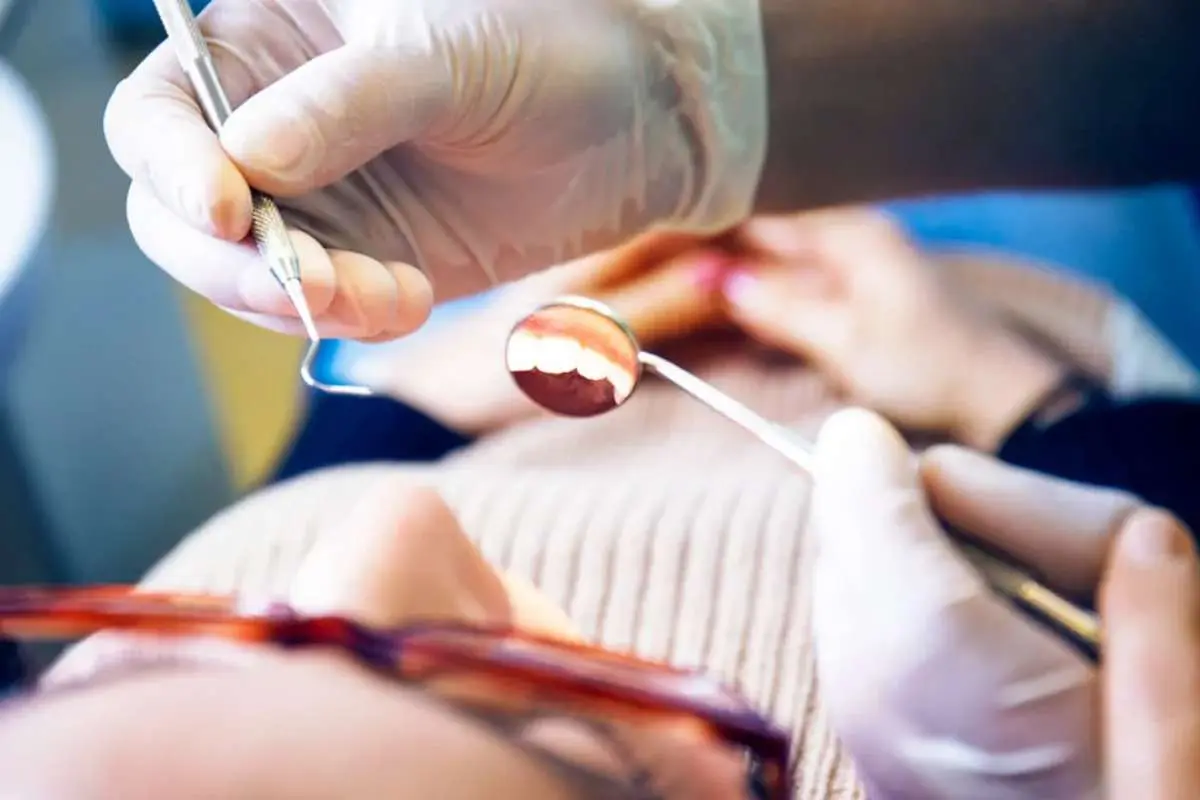
While most implant procedures have excellent outcomes, it’s important to know the warning signs that something may not be right. Contact your dental provider promptly if you experience:
- Persistent or worsening pain beyond the first few days
- Swelling, redness, or discharge that doesn’t improve
- A loose or wobbly implant
- Difficulty chewing or biting
- Numbness or tingling that doesn’t resolve
Early intervention can save your implant and prevent more serious complications, so don’t hesitate to reach out to your dental team if something feels off.
Conclusion
Caring for your dental implants after placement is a commitment — but it’s one that pays off for decades to come. By following your dentist’s aftercare instructions, maintaining excellent oral hygiene, watching your diet, and attending regular checkups, you give your implants the best possible chance at long-term success through proper dental implant aftercare. The result? A strong, beautiful, natural-looking smile that enhances your quality of life every single day. If you have questions about your recovery or are considering treatment, reach out to a trusted dental provider who specializes in dental implants Newport Beach residents rely on for expert, compassionate care.