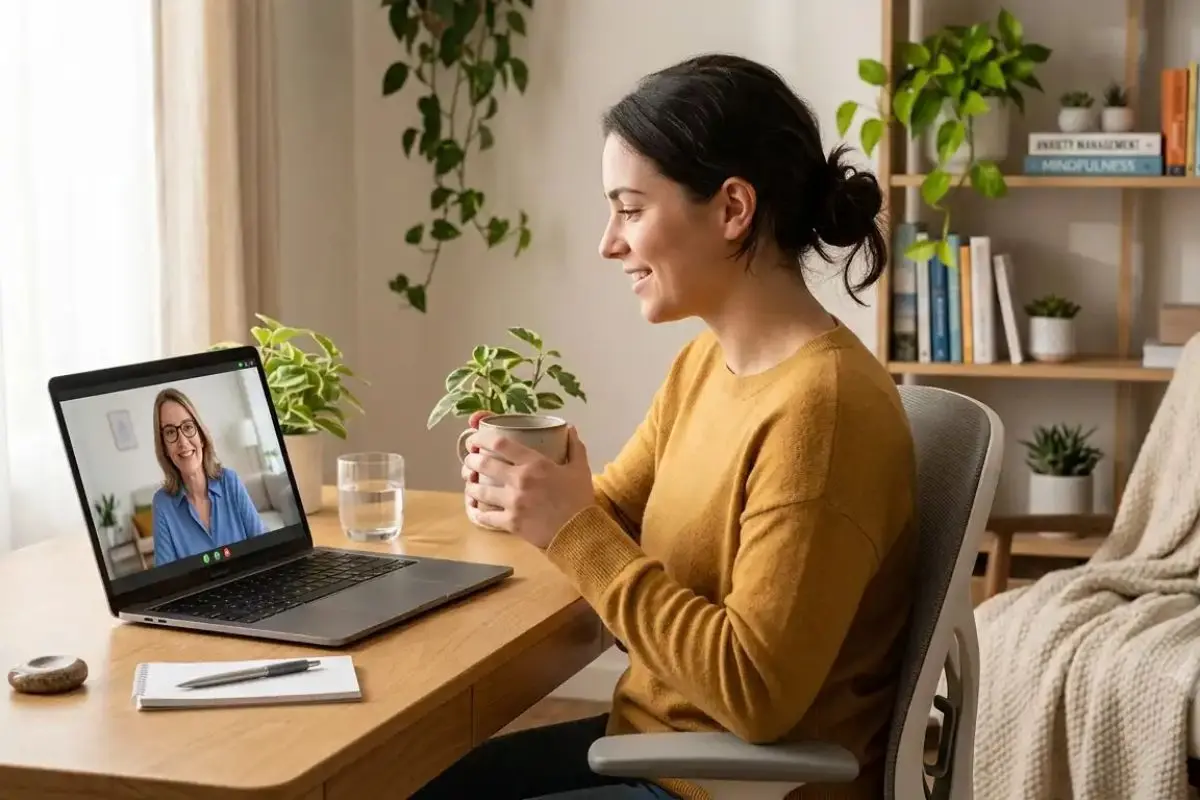
Making a phone call, dining in public, or sitting at a table with others can all cause severe anxiety that stems from a fear of being judged and embarrassed. While avoiding certain circumstances can provide short-term respite, it usually exacerbates anxiety over time. Online therapy with Mindful Care is one option for those who have been dealing with these symptoms for a time to begin working on them with a qualified professional.
Flexibility is provided by online therapy for social anxiety: you receive expert assistance in a comfortable environment and progressively gain the abilities and self-assurance to deal with social settings less fearfully.
What is social anxiety and when can therapy help?
It is not just the usual feeling of embarrassment and shyness, but rather it is the fear of social situations and performance situations, wherein the person feels that he will be scrutinized, evaluated, rejected, or embarrassed while in the situation.
These are some signs of common complications:
- Too much anxiety in social settings
- Not speaking and not attending any meetings
- Feeling nervous or trembling, sweating, nauseated, or having a fast heartbeat.
- May not make eye contact or talk to unfamiliar people
- Continuing to dissect conversations after they’ve taken place
- Lack of confidence in one’s ability or intelligence to perform tasks correctly
Anxiety has an impact on one’s relationships, education, work, and daily activities when it interferes with functioning; this is when online therapy for social anxiety is required.
What techniques are used in online therapy for social anxiety?
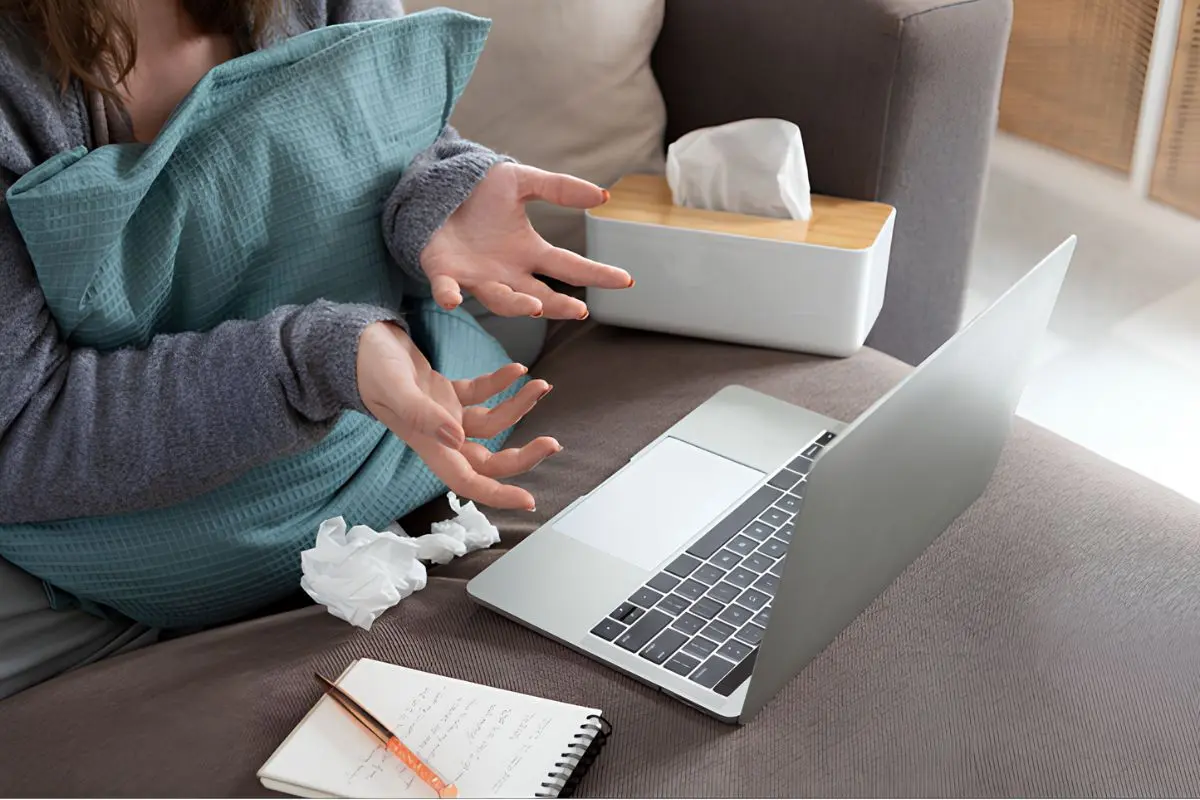
It is not the case that online therapy uses more non-evidence-based approaches than in-person therapy. Indeed, many of the evidence-based techniques may be incorporated online as well. People generally turn to cognitive behavioural therapy (CBT) for social anxiety.
Some other ways can be used:
- Breathing and relaxation exercises.
- Identification and fighting negative thinking.
- Socialization techniques.
- Living in the moment, mindfulness.
- Keep a journal of troubling thoughts and/or events between therapy sessions.
The methods discussed here can be altered by therapists to suit patients’ symptoms, environment, and goals of therapy.
What are the benefits of online therapy for social anxiety?
Approximately 15 million Americans suffer from an anxiety disorder of some kind. This means you can take part in these meetings without even moving from your house, which is an extremely good thing for those people who know that stressful surroundings make it hard for them to relax.
Other possible advantages of therapy for social anxiety are:
- Easier to fit into your schedule: This makes the therapy sessions flexible because people can plan their time according to their education, work, or even family.
- A relaxed environment: For people to feel intimidated when going to therapy sessions is common at the therapist’s office, but not within the comfort of their home.
- Availability: It allows people to get assistance from a therapist in other places apart from where they hail from.
- Privacy: There are those people who will feel more comfortable giving confidential information about the problems that they want to discuss. For people who have been traveling or to ensure that their schedules remain consistent, they can choose to go for online therapy sessions.
There are ways for individuals who are thinking about getting professional help, such as from Mindful Care, to access mental health services via the Internet.
What are the limitations of online therapy for social anxiety?
However, although social anxiety treatment online is a good choice that works for many people, it may not work for everyone. There can be technical difficulties making available a connection with the person that cannot be maintained from time to time, and it may be more difficult for some to build the therapeutic connection via a screen as well.
How to choose an online therapist for social anxiety?

Choosing the right therapist might be an essential component that determines whether your therapy is going to work for you. It might be useful if you start by researching their credentials, expertise, and opinion about anxiety disorders.
Questions to ask:
- Have you worked with social anxiety before?
- Do they have knowledge or training in CBT or another therapy that is relevant to helping clients?
- What form or format do the sessions take?
- If you face a crisis between appointments, what do you do?
- How often do you plan on having sessions?
- How will measurement take place?
- What processes are used regarding privacy and confidentiality?
The therapeutic alliance is equally an important component. Don’t hesitate to ask any questions or express any concerns.
Conclusion
An approach through which an individual could go through a therapy session could be via online therapy sessions, where therapy is undertaken from a comfortable position. All the hard work and knowledge that a person obtains from therapy can help them become more aware of their anxiety and behave confidently in social settings using various methods such as CBT, graduated exposures, relaxation techniques, and other ways of coping.