


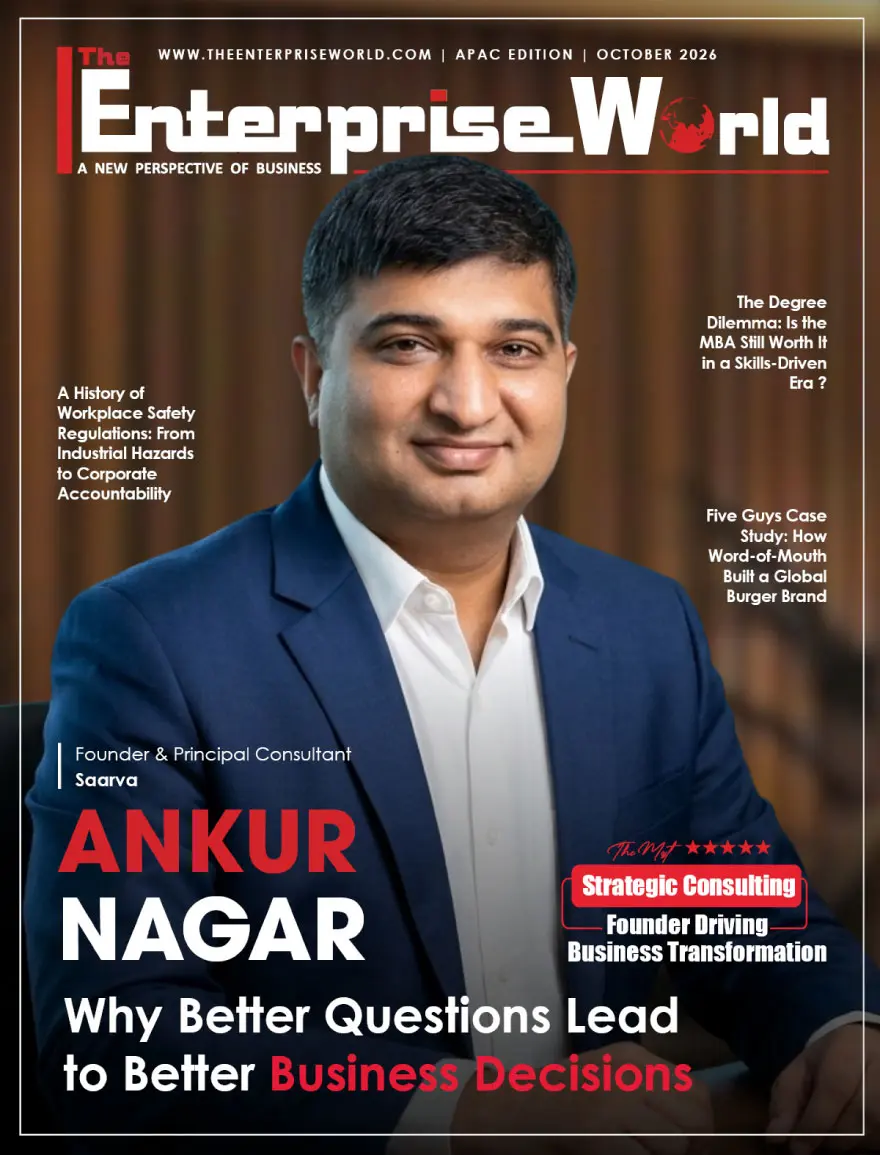
Leadership is often measured by the answers a leader provides. Ankur Nagar believes the more important skill may be knowing which questions to ask before arriving at one.
As Founder & Principal Consultant of Saarva, Ankur brings more than two decades of industry experience to a consulting philosophy grounded in curiosity, empathy, and accountability. His approach challenges a familiar instinct in business: the urge to act before fully understanding the problem. Before recommending new technology, commissioning research, or setting a transformation plan in motion, he believes leaders must establish what they are trying to solve and why it matters.
That thinking shapes the way he is building Saarva. Rather than treating consulting as the delivery of ready-made answers, Ankur sees it as a partnership in which business leaders can examine assumptions, recognize what they already know, and make decisions with greater clarity. For him, meaningful transformation begins not with the rush to change, but with the judgment to understand where change is needed.
A Career Shaped by Change and Curiosity
Ankur Nagar’s career has taken him through the corporate world and the uncertainties of entrepreneurship, giving him a perspective shaped by both experience and change.
Over more than two decades in the industry, he worked with organizations including TNS, IMRB International, and Nielsen. In 2014, he co-founded UN-3 Consulting with a partner, combining consulting with hands-on execution. When the pandemic disrupted the business, he returned to corporate life, joining Kantar as an AVP. He managed global client relationships and worked with teams across geographies before moving into business development at Market Xcel and working with smaller boutique agencies.
In 2026, he began his next chapter with Saarva. His experience spans FMCG, telecom, BFSI, automotive, ad tech, and startups, each offering a different perspective on business challenges.
His curiosity extends beyond the workplace. Ankur explored digital marketing as it gained momentum, became a Design Thinking Master Practitioner, and shares his experience through guest lectures at business schools. He continues to approach his work as a student, believing that experience should deepen one’s curiosity rather than bring learning to an end.
According to him, experience is not the end of learning; it is a reason to keep asking questions.
Starting with Questions, Not Solutions
The idea behind Saarva took shape when Ankur Nagar noticed a recurring gap in the consulting world. Across corporate organizations and boutique agencies, he saw businesses being offered solutions before their actual challenges had been fully understood. Clients would share a brief, and teams would move straight to execution, often without questioning the reasoning behind the request or the decisions it was meant to support.
He noticed a similar challenge among startups. Although they wanted consumer insights and a better understanding of customer psychology, they could be hesitant to approach consulting firms, make decisions, or question existing assumptions. Ankur saw an opportunity to address this gap by changing the way consulting conversations began.
“I just want to be a trusted advisor to whom they can come with any kind of problem, and then we can brainstorm and come up with a solution,” he explains.
That belief became central to Saarva. Rather than arrive with a predefined service and a ready-made price, Ankur wants to begin with conversations that help clients understand what they truly need. The answer might lie in existing data, further research, specialized training, or simply a fresh round of brainstorming. The service comes later; understanding the problem comes first.
Consulting That Leads to Action
At Saarva, Ankur first clarifies the decision a client needs to make and why it matters at that particular time. He then examines what the organization already has – existing data, past research, and lessons gathered over time. Whether formally documented or not, this can reveal what is already understood and where gaps remain. This helps him determine what additional work, if any, is needed to address the challenge.
As a solopreneur, Ankur stays personally involved throughout the engagement, following the process from the initial discussion through to its practical outcome. For him, consulting must lead somewhere beyond a presentation.
As he puts it, “Every engagement ends with actions and ownership.” The aim is not to leave clients with a lengthy slide deck, but to give them a clearer path forward and a concrete understanding of what needs to happen next.
When the Answers Are Already There
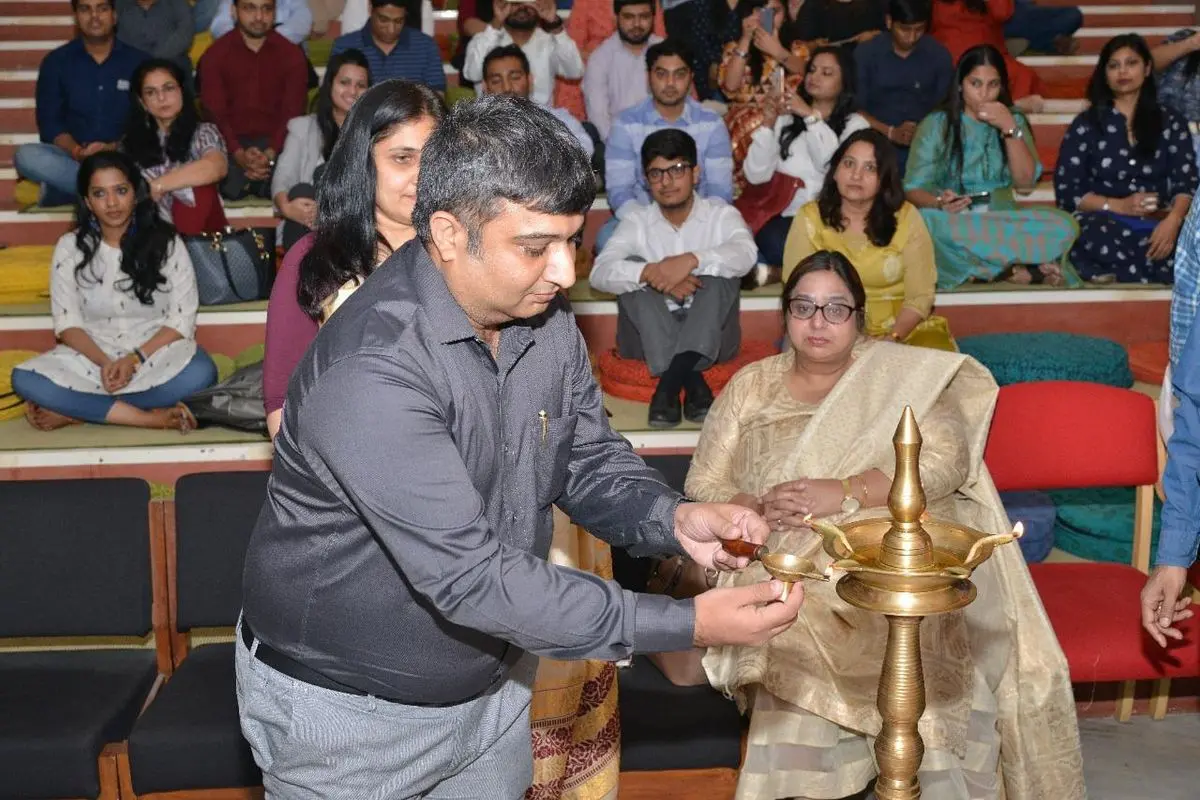
Ankur Nagar helps organizations challenge their assumptions, examine what they already know, and identify the bottlenecks standing in their way. He continues to refine this approach, and clients have shared how the process has opened their minds to perspectives they had not previously considered.
One Saarva engagement brought this philosophy into sharp focus. A client was struggling with a particular challenge, but a root-cause analysis revealed that the answers already existed within the organization’s own systems. Further research was unnecessary, helping save the client approximately ₹5–10 lakh.
Earlier in his career, Ankur also saw how process improvements could create more room for meaningful work. By automating routine tasks and reports, his team reduced reporting turnaround time by approximately 50%, freeing researchers to focus more on insights. The experience illustrates another dimension of his approach: improvement is not always about adding something new; sometimes, it is about removing repetitive work that keeps people from delivering greater value.
“You need to think before doing anything,” Ankur says. It is a principle that underpins his approach to consulting: progress does not always require more data or another solution. Sometimes, it begins with looking more carefully at what is already there.
The Human Side of Change
Transformation plans often promise sharper strategies, more efficient operations, or technology that makes work easier. Ankur Nagar believes their success depends on the people expected to put them into practice. Before introducing change, leaders need to understand the obstacles employees face and whether they have the clarity and support to act on the strategy.
As Ankur explains, “A strategy only works if people understand it and can act on it.”
He believes change should be introduced in a deliberate sequence, with each step serving a clear purpose. Technology can accelerate a process, but lasting progress depends on whether people understand the change and can translate it into action.
The Discipline of Listening and Taking Ownership
Building Saarva has taught Ankur Nagar that good consulting begins with something deceptively simple: listening. In conversations, people are often so eager to offer an answer that they miss the opportunity to understand what is really being said. He encourages clients to allow the same space for thought, recognizing that meaningful decisions sometimes require time, not instant reactions.
“We listen to respond. We don’t listen to absorb what the other person is saying,” he observes.
That belief has changed how he handles client conversations. He is comfortable asking for a couple of days to reflect rather than offering an immediate answer simply to meet expectations. For him, thoughtful responses matter more than quick reactions.
Entrepreneurship has also changed his relationship with responsibility. In a corporate consulting role, a recommendation could be delivered, and the consultant might move on. As a founder, Ankur feels a greater sense of ownership over the advice he offers and the decisions clients make based on it. That accountability, combined with empathy for the challenges clients face, helps build the trust he values.
His ambition extends beyond providing expertise. Ankur wants to become a trusted advisor, someone clients can turn to not just for answers, but for thoughtful guidance when the answers are not immediately clear.
A More Thoughtful Way to Begin Change
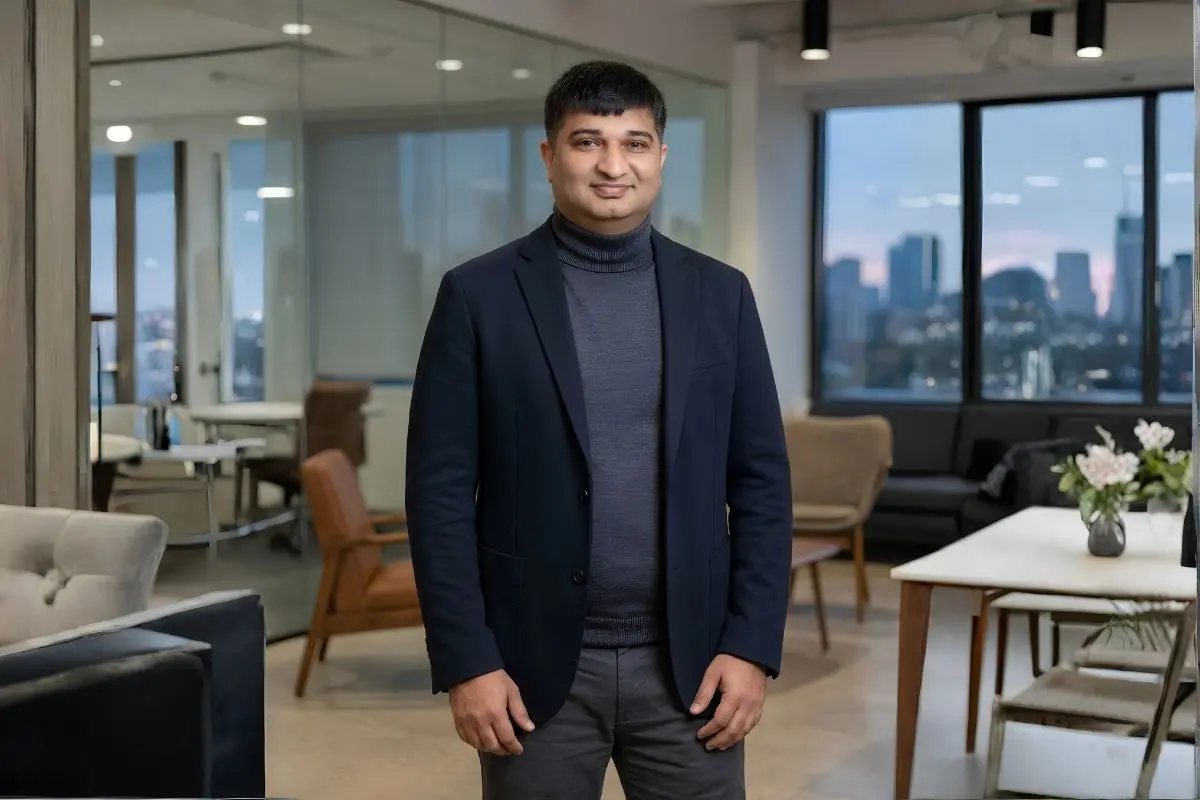
For business leaders who know change is necessary but feel uncertain about taking the first step, Ankur Nagar offers a reassuring reminder: they do not need to have everything figured out.
“Not knowing where to start is normal. It is not a failure,” he says.
He advises leaders to resist transforming simply because competitors are doing so or industry trends suggest they should. Instead, they should assess whether change is necessary, identify the decisions that matter most, and draw on the knowledge already available within their organizations. Conversations with customers and employees closest to the issue can reveal perspectives that reports and technology alone may miss.
He advocates taking measured steps rather than changing everything at once. Leaders can test their riskiest assumptions, learn from the results, and adjust as they go. For Ankur, transformation is a process of continuous learning, not an overnight breakthrough.
When Answers Become Cheap, Judgment Matters
Artificial intelligence is changing consulting by making information and analysis more accessible. Ankur Nagar believes consultants will increasingly be judged not by how quickly they generate reports, but by their ability to assess the reliability of information, connect insights across disciplines, and determine what the findings mean for a business.
As organizations seek faster decisions, consultants must combine speed with sound judgment. A challenge that appears technological may have its roots in consumer behavior or organizational dynamics, requiring a broader understanding of the business rather than a narrow, tool-led response.
For Ankur, technology will continue to change how consultants work, but its growing capabilities will make human judgment, contextual understanding, and trusted client relationships even more valuable.
Building a Wider Ecosystem for Business Growth
Ankur Nagar’s vision for business transformation rests on four qualities: curiosity, a close understanding of customers, the ability to adapt, and the judgment to use technology wisely. He believes organizations must stay connected with the people they serve, experiment with new developments, and recognize when a change in direction is necessary. As artificial intelligence becomes more prominent, balancing its capabilities with human judgment will be especially important.
These principles also guide his ambitions for Saarva. Ankur wants to build a one-stop advisory partnership where business leaders can bring their toughest questions and find thoughtful guidance. Research and insights will remain at the heart of the business, drawing on the experience he has accumulated throughout his career.
His work already extends beyond consulting engagements. Ankur conducts workshops at business schools, sharing practical perspectives on real-world business challenges. Looking ahead, he aims to expand this work into corporate training programs that help teams understand consumer behavior, interpret data, and question their assumptions. He also sees opportunities to organize events that bring customers and other stakeholders together, creating a broader ecosystem for shared learning.
The name Saarva reflects this wider ambition. Ankur explains that Saarva means “universal,” and he deliberately chose a name that would not confine the business to consulting, market insights, or research consultancy. He wants the company to remain open to different opportunities as client needs evolve, with the broader aim of building an ecosystem around business guidance, learning, and stakeholder engagement.
That vision, however, comes with a clear principle: credibility matters more than accepting every assignment. Ankur is willing to turn down work that falls outside his expertise rather than risk a client’s trust. He believes accepting an assignment he cannot deliver would damage the relationship. By being honest about his capabilities and offering meaningful guidance where he can add value, he aims to build lasting credibility with clients while continuing to grow Saarva and his own professional journey.
His ambition is not simply to offer more services, but to become a partner businesses trust when important decisions lie ahead.
Quick Takes: Ankur Nagar’s Leadership Playbook
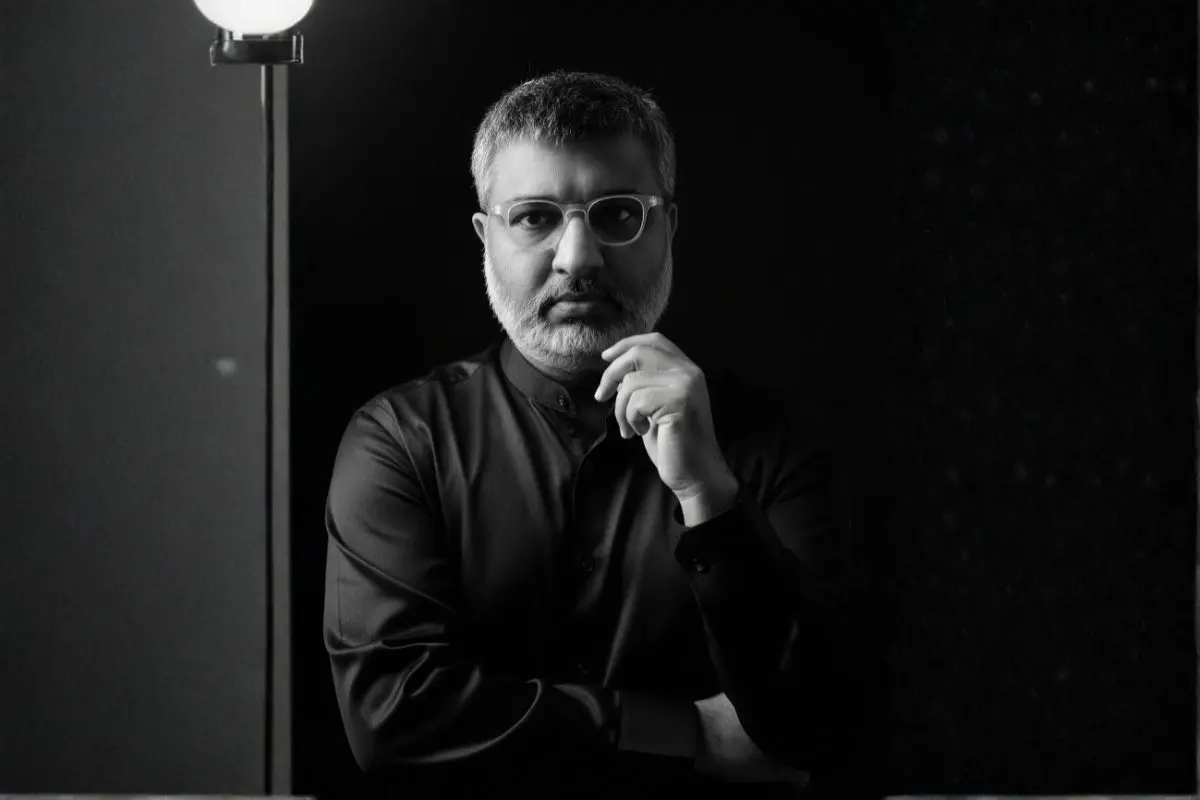
01. One word that defines his consulting philosophy
Curiosity.
02. One quality every successful business leader should possess
Empathy.
03. A common mistake organizations make during transformation
Seeking solutions before understanding what they truly need to achieve.
04. One skill every consultant should continuously develop
Listening.
05. A factor that can make or break transformation
Ownership – Change gains momentum when people believe in it and take responsibility for making it happen.
06. One business trend leaders should pay closer attention to
Artificial intelligence – Treat AI as a thinking partner, not a replacement.
07. One thing organizations should stop doing when facing change
Assuming there is a ready-made playbook for every problem.
08. A leadership idea that has influenced his approach
Design thinking is a mindset, not just a process, and it begins with people.
09. One piece of advice for leaders facing a major business challenge
Make sure you are solving the right problem.
10. His success mantra
“Stay curious. Keep learning, and stay open to asking basic questions.”
The takeaway: Better decisions begin with curiosity, but meaningful change takes listening, empathy, and the willingness to take ownership.
Key Takeaways
- Lead with Curiosity, Not Assumptions
- Put People at the Heart of Transformation
- Listen to Understand, Not Just to Respond
- Look Within Before Looking for Solutions
- Build Trust Through Ownership and Accountability













