

When children do not get a good education, the impact can follow them for years. High fees, unequal opportunities, poor support, and weak education systems can keep students from reaching their potential. Often, it means that they are excluded from work and from many sectors of society.
Without good teachers and fair access to learning, many students can simply be left behind. Education matters because it can give people the knowledge, confidence, and opportunity to build a better future.
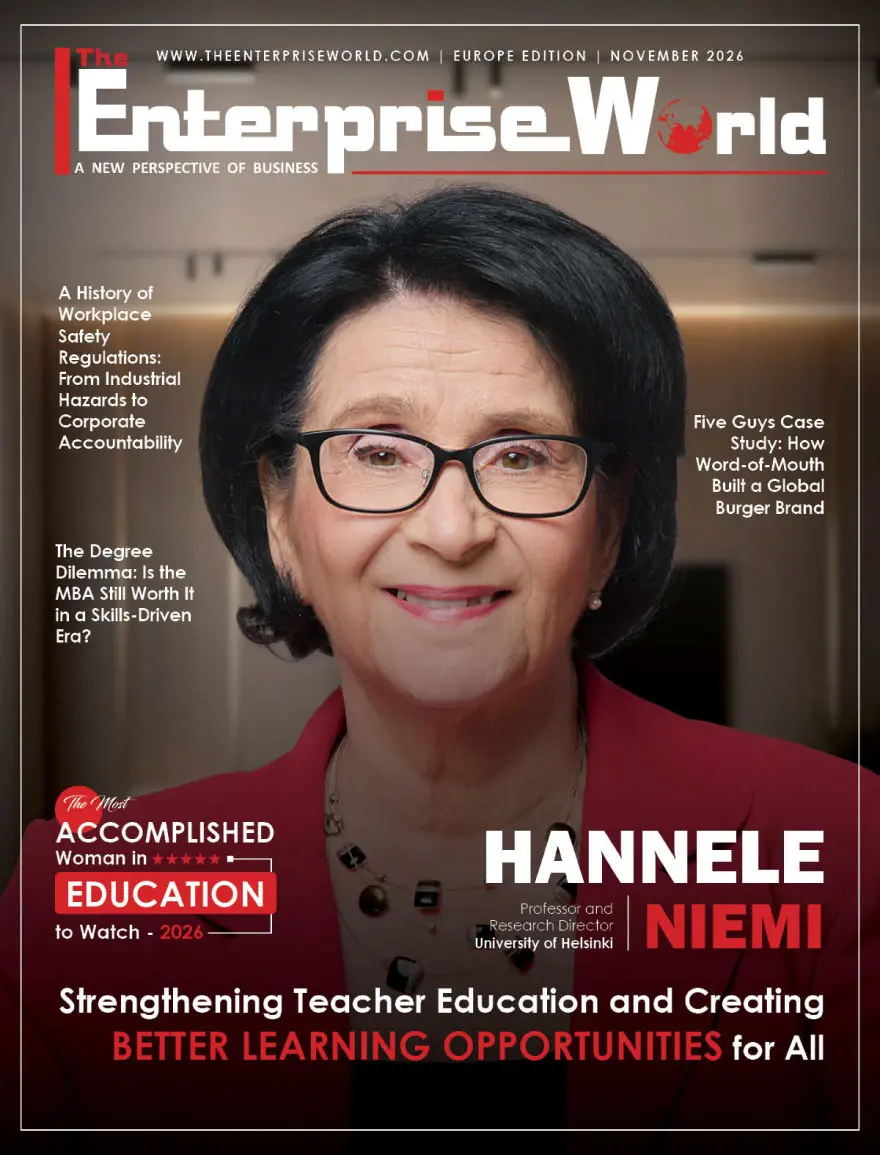
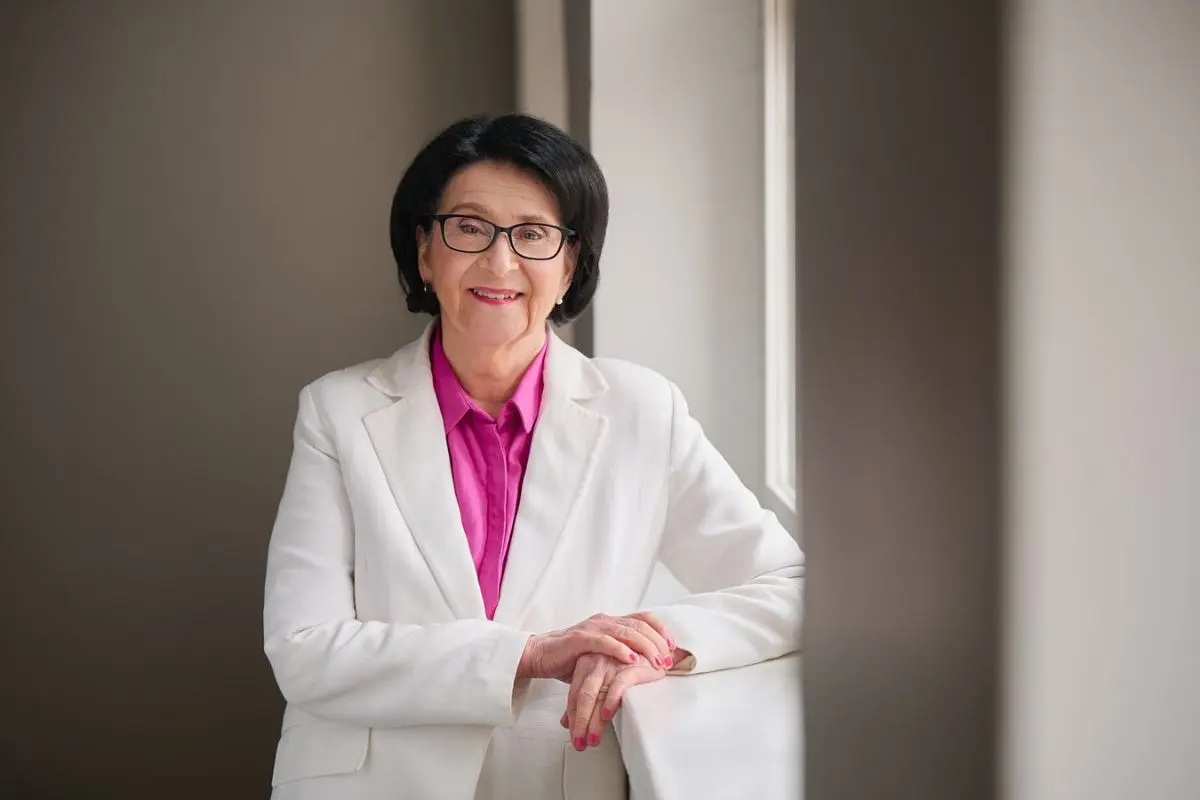
This is the space where Hannele Niemi, Professor and Research Director at the University of Helsinki, has spent much of her career making a difference. Her work focuses on improving teacher education, learning, educational research, and policy while promoting quality and equal opportunities for students.
She has worked nationally and internationally to promote high-quality education through research and in practice with UNESCO, the European Union and the Commission, OECD, the European University Association, and several higher education councils and boards, as well as ministerial working groups.
With more than 400 peer-reviewed publications and supervision of over 400 master’s and 40 doctoral theses, Niemi’s work continues to influence education, research, and learning across borders.
From Limited Access to a Lifelong Mission in Education
Growing up in post-war Finland, Niemi saw how unequal access to education could shape a child’s future. At age 10, students were separated by entrance exams, and tuition fees and limited school places meant many children could not continue to high schools and thereafter higher education. Coming from a poor, non-academic family, Niemi also struggled with writing and was considered incapable of taking the entrance exams. She took them anyway, met the criteria, but was among nearly 200 students left without a school place.
Her path changed when volunteer parents in her hometown established a private school for post-war children. When her name was announced among the accepted students, her mother cried, knowing her child had been given a future through education. The opportunity led Niemi to high school and then the University of Helsinki, where she studied educational sciences and other humanities, earned teaching qualifications, and defended her PhD on her 30th birthday in 1978. Since then, she has taught in teacher education and adult education, lectured at universities, and served as a professor, dedicating her career to advancing quality and equity in education nationally and internationally.
When being Professor of Educational Sciences at the University of Helsinki, she has also been invited as Honorary Doctor/ Professor at Nanyang Technological University, Singapore, the University of Bucharest, and in Finland at the University of Defence and the University of Lapland. She is on the Advisory Board at the University of People, which offers online tuition-free higher education to people in the most vulnerable conditions. In 2026, she was nominated as Distinguished Visiting Professor at the University of Johannesburg, South Africa. In 2018- 2021, she was a Visiting Research Professor, and in 2026, she was invited as a Guest Professor at Beijing Normal University.
Challenges and Success: Defending High-Quality Teacher Education
A major part of Niemi’s career has been focused on improving teacher education in Finland. She worked as Secretary General of national committees and later led several boards and commissions on education, curriculum development, and evaluation. As a professor and member of the Higher Education Council at the Ministry of Education, she became a strong voice for university-based teacher education built on research.
This work became especially important during Finland’s economic recession in the 1990s. There was pressure to reduce education studies, make teacher education a bachelor’s degree, and move it outside universities. Niemi brought together universities, teacher training schools, parents, and teachers’ unions to support strong teacher education. Her efforts helped keep teacher education in universities and maintain the master’s degree as the qualification for teachers.
Managing a Demanding Career and Family
Balancing academic responsibilities with family life was another challenge for Niemi. Before becoming a professor at the University of Helsinki, Niemi held professorial positions at universities in different parts of Finland. Her work often meant leaving home as early as 3:30 a.m., travelling to another city, teaching from 8 a.m., working through the day, and returning home to see her children before continuing her academic work in the late evening.
She credits her husband, a former school principal, and her parents for providing essential support with childcare and daily responsibilities. Their support allowed her to pursue her academic career without feeling that she had to choose between her work and her family.
Every Child Deserves Access to Good-Quality Education
For Niemi, education begins with a basic human right: every child deserves access to good-quality education. Her approach is built around the belief that no child should be left behind because of circumstances or barriers within the education system.
She believes achieving this requires long-term effort, political commitment, and a shared understanding of why education matters. Strong and committed teachers are equally important, and their work must be respected and valued. For Niemi, improving education also means looking closely at why students struggle or leave learning behind and finding practical ways to keep them engaged. This approach connects educational quality with equal opportunity and the belief that every learner deserves a fair chance to succeed.
Reasons Why Students Fail and the System Falls Short
Through her work as a professor of education and an expert in educational policy, Niemi has visited dozens of African countries, India, and regions across Asia and America. Everywhere she goes, she hears stories and sees statistics about the intense competition to access good education, difficulties in finding support, and limited help for learning difficulties. These challenges can lead to exclusion and early school dropout.
Niemi believes that students often leave education because of visible, hidden, and structural barriers within the education system. School fees and other education-related costs can be difficult for families to afford. In many cases, assessment systems also contribute to students falling behind. Students are assessed, but are not always supported in understanding how they learn, what they need to learn, and why they need to learn it.
Based on her experience of Finland’s education system over several decades, Niemi sees similar challenges in many countries. She believes Finland’s journey toward good education for all can offer useful lessons for other education systems.
Many countries continue to face serious challenges in education and training:
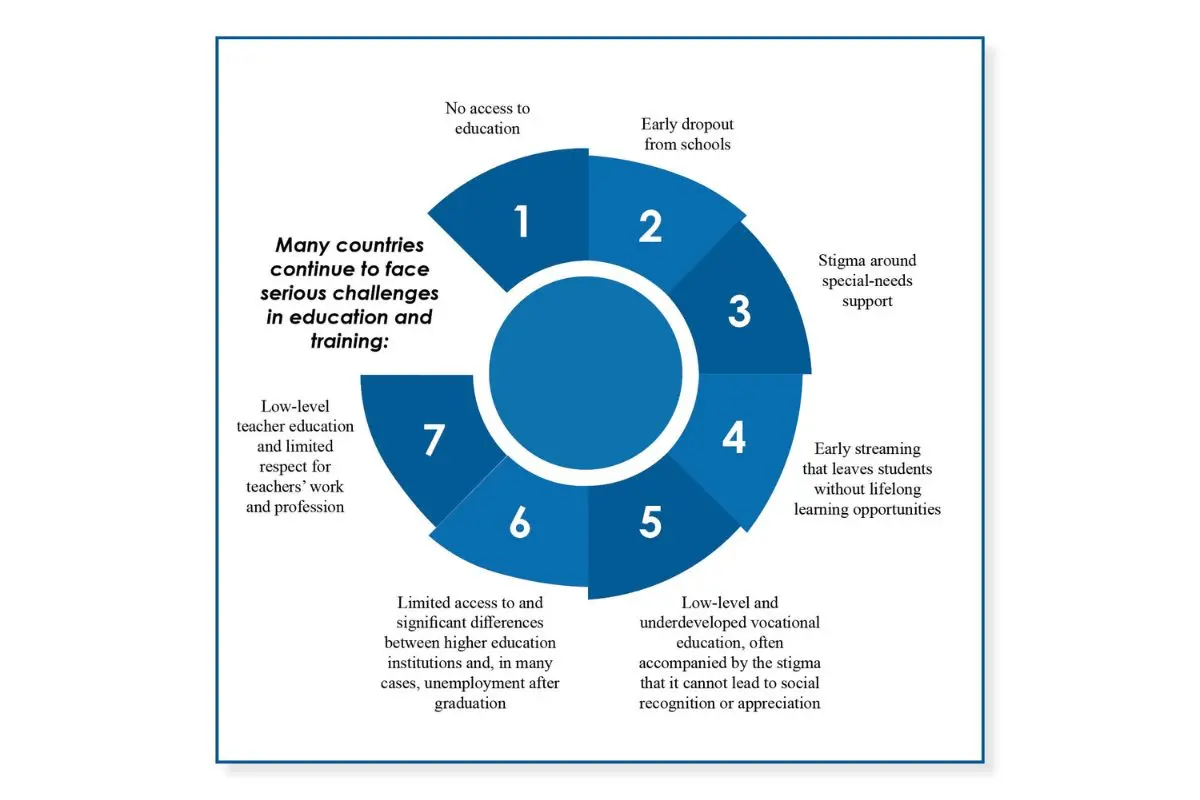
- No access to education
- Early dropout from schools
- Stigma around special-needs support
- Early streaming that leaves students without lifelong learning opportunities
- Low-level and underdeveloped vocational education, often accompanied by the stigma that it cannot lead to social recognition or appreciation
- Limited access to and significant differences between higher education institutions and, in many cases, unemployment after graduation
- Low-level teacher education and limited respect for teachers’ work and profession
Finland’s journey toward equal access and educational equity began in the 1970s, but it required sustained effort. It involved persistence, continuous negotiation, and compromise. Niemi believes meaningful progress became possible through a clear vision of equity and the purpose of schools and education, political will and commitment, and extensive collaboration among stakeholders across the education system.
Taking Educational Research Beyond the Classroom
Niemi’s work has reached far beyond the classroom. Her research has received more than 11,600 citations and is used worldwide. She believes research becomes more useful when shared through policy discussions, conferences, development projects, and international collaborations.
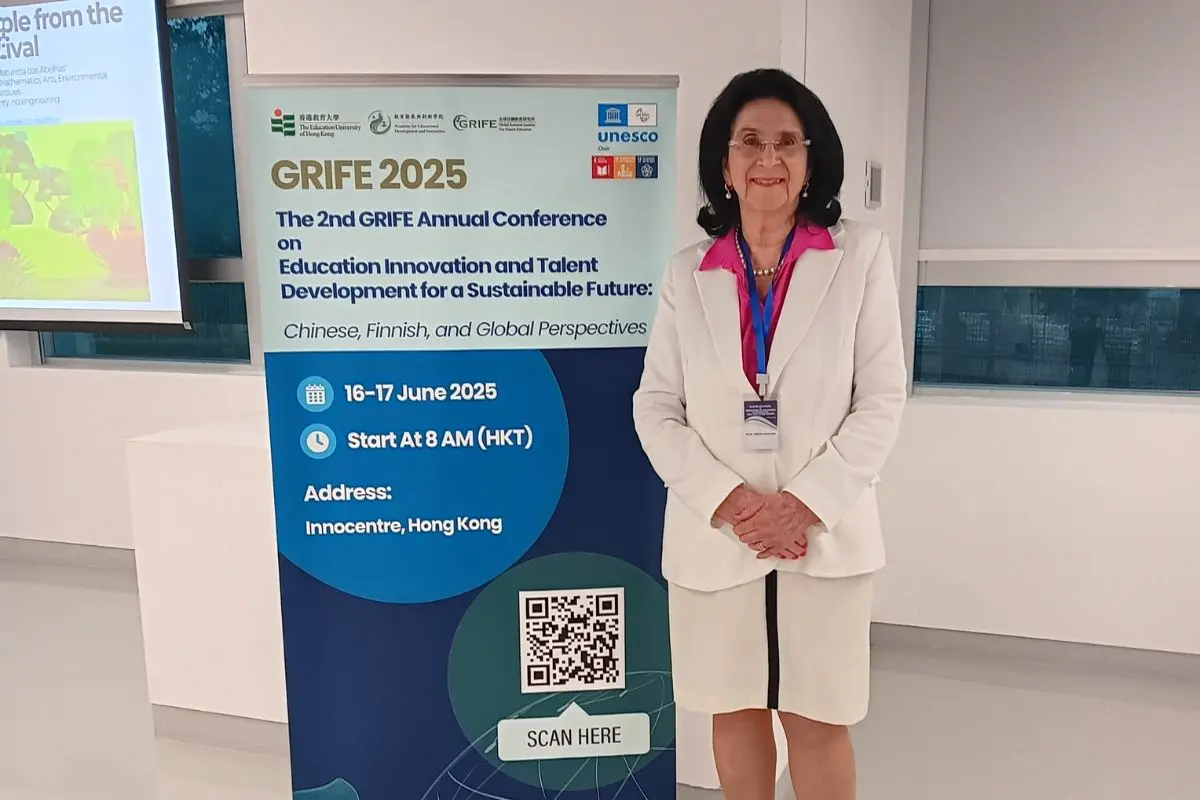
Her international work spans Asia, Africa, Europe, and the USA, including hundreds of keynote speeches, such as those in Hong Kong and Malaysia, and collaborations with researchers, universities, policymakers, education organizations, and companies to connect research with practical education and skills development. In China, she participated in the 2023 launch of her book Competence and Education of the Learner for the Future at the Yidan Foundation conference.
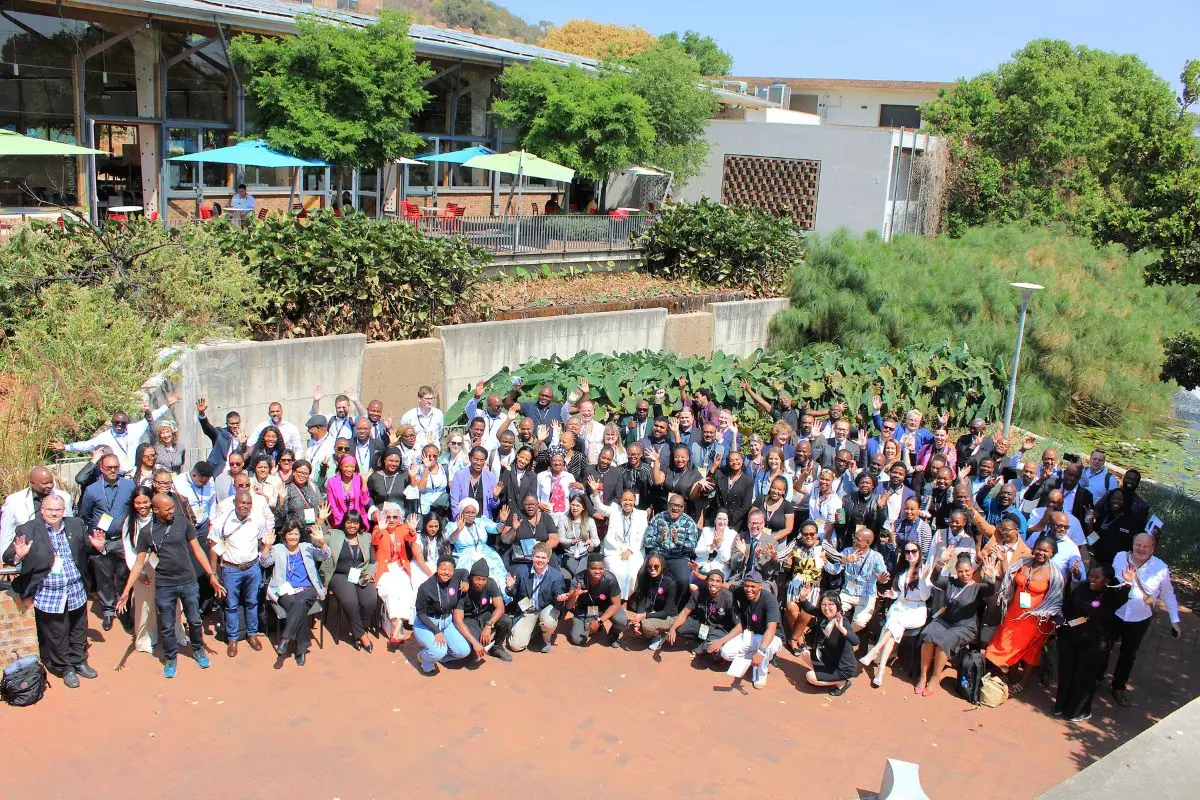
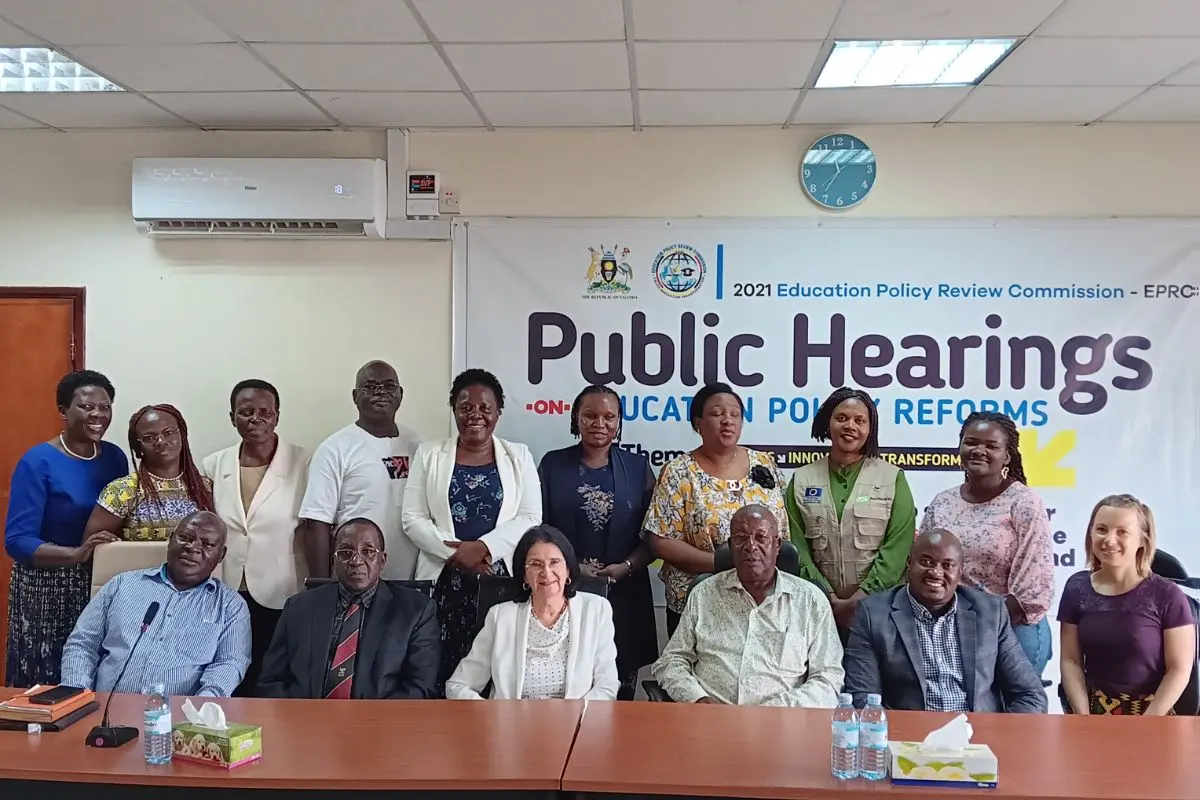
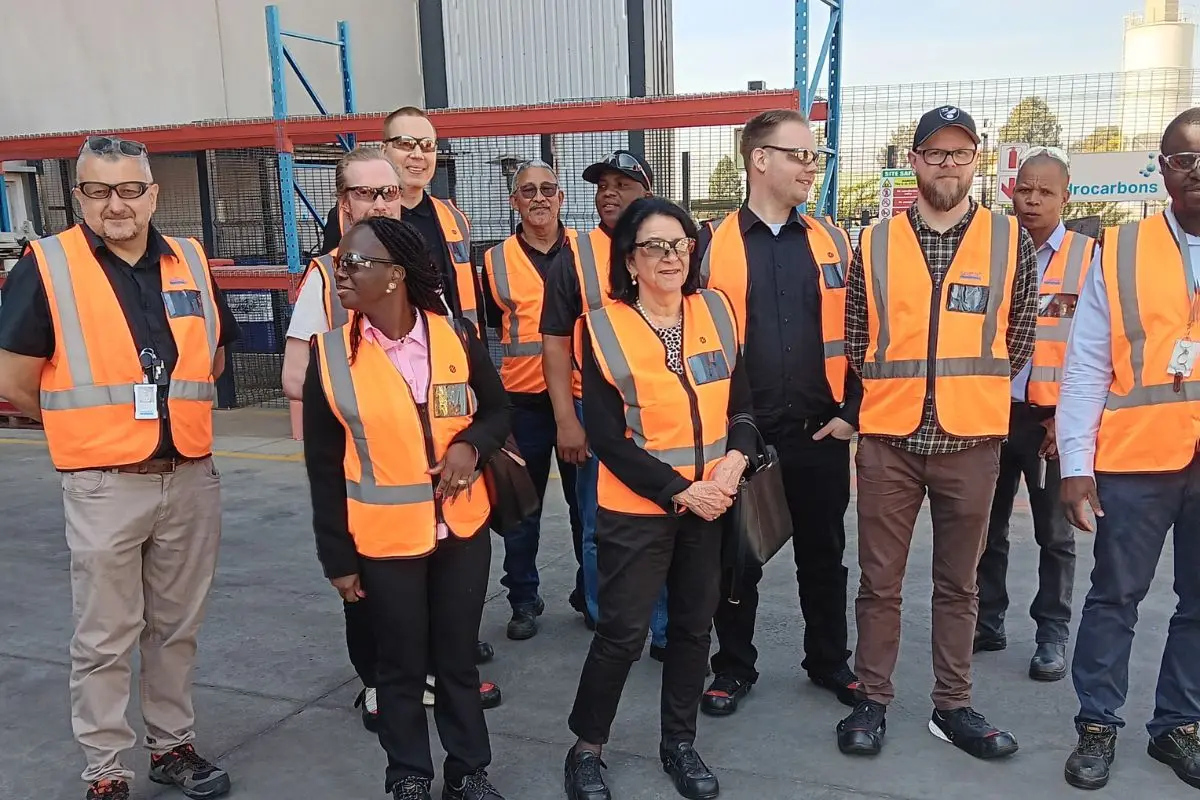
In Africa, she worked with Uganda’s Education Policy Review Commission and led the DAIA (Digital Academies in Africa) project, organizing conferences in South Africa that brought together education, technology, research, and skills development. The project also included training related to mining, water management, and underground drilling equipment, linking digital education with real workforce needs.
Niemi also contributed to higher education through the European University Association Institutional Evaluation Programme, serving as a pool member from 2005 to 2017, including also advisory board contributions. Her work helped universities improve teaching and learning, achieve their goals, and strengthen engagement with stakeholders beyond the university. She also served several years as a review panel member at ENQA (European Association for Quality Assurance in Higher Education), helping advance quality education.
Looking Beyond the Present
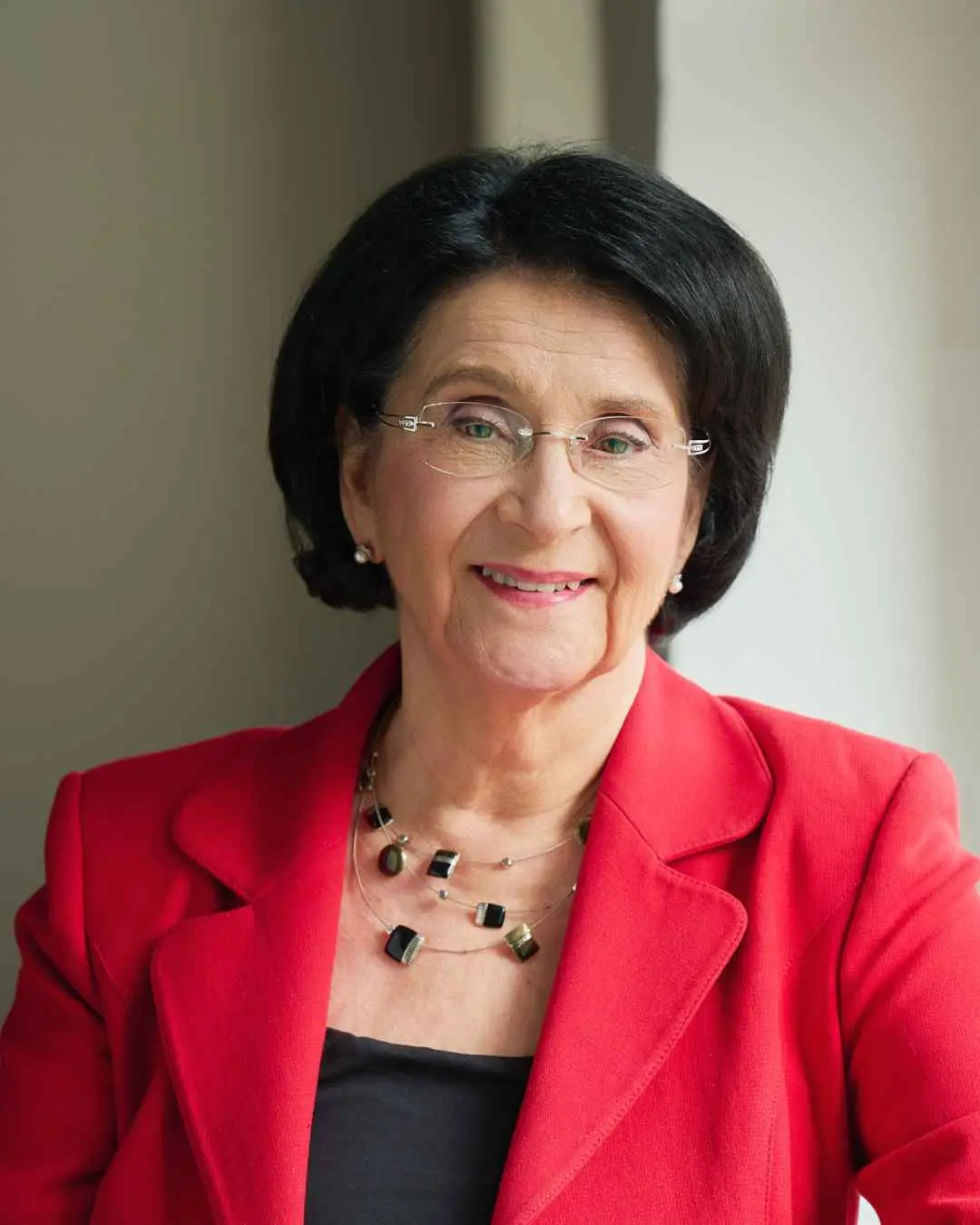
Niemi often describes herself as being like a giraffe, looking far into the future. A photograph taken during her work in Africa captures this idea and reflects an important part of her approach: education requires the ability to see beyond immediate challenges and prepare for what learners, teachers, and societies will need next.
This future-focused mindset has shaped much of her international work, from digital education projects in Africa to research cooperation in China and keynote engagements in Asia. Rather than viewing education only through the needs of today, she continues to explore how learning systems can prepare people for changing societies, technologies, and workplaces.
Books, Ideas, and Impact That Reach People
Open access has also been important to her. Her 2026 book, Towards Industrial Revolution and Sustainable Growth in Africa: Learning Ecosystems of the Future, received 15,000 accesses in its first month. Developed with Finnish and African researchers and companies, the book explores ways to improve education and training and address skills gaps in areas such as sustainable water management, mining, and construction. Her latest book explores how education, technology, and workforce development can help prepare people for a changing future of work.
Her 2023 book, AI in Learning: Designing the Future, developed with Finnish, Chinese, and American researchers and companies, has received over 510,000 accesses and was named Best Education Book in China 2024 by Springer Nature. The book explores human-centred AI and ethics, emphasizing technology’s role in strengthening critical thinking, creativity, and human interaction rather than replacing them.
Read more about her perspective
For Niemi, impact is measured through people as much as achievements. She has supervised 400+ master’s and 40 doctoral theses, many now working as teachers and education experts. Her work has brought international recognition, including recognition at several universities, the Finnish Teacher Union’s influential educator prize, and a nomination as a UNESCO Chair 2018–2026, a professor with a special task force to advance equity and quality in education.
Her message, “Every child is a star,” reflects her belief in every child’s potential.
Keeping Human Skills at the Heart of AI Learning
Education is changing quickly as AI and digital learning become a bigger part of students’ lives. For Niemi, education is not only about teaching students how to use AI. It is also about helping them learn how to think, ask questions, understand information, solve problems, summarize ideas, and identify false or misleading information.
She believes students need strong thinking skills to use AI in a useful and responsible way. AI can support learning, but students must still know how to think for themselves.
Schools also have an important role in helping students learn how to communicate, work with others, and build relationships. AI can support these skills, but it cannot replace real-life experiences and human connections.
For Niemi, thinking and social skills should remain at the center of education, even as technology becomes a bigger part of learning.
Read more about her perspective on AI and the future of learning.
The Fight to Protect Quality Education
Niemi has led many projects and authored tens of publications on how to promote quality education. Key actors are teachers. They need strong professional preparation, ongoing development, appropriate resources, and the professional autonomy to adapt their expertise to different learners and changing circumstances.
Read more about her perspective on teacher education.
The experience taught her that educational quality requires continuous effort, as schools and teachers remain under political and financial pressure. A visit to a child-labor-free village in India reinforced her belief in education’s power to change lives. For Niemi, protecting access to quality education remains essential.
As Nelson Mandela said, “Education is the most powerful weapon which you can use to change the world.”
Niemi’s Take on the Next Decade of Education
Niemi believes the next decade must keep equity and quality at the heart of education. She continues through academic projects, writing and editing books, keynote lectures, and workshops on human-centred AI and skills development. She also volunteers with Teachers without Borders, supporting education in difficult settings. Her current focus includes Education in Emergencies and serving on the advisory board of University of the People, which provides tuition-free higher education to people in the most vulnerable conditions. She is also working with the Finnish government and UNICEF to support Palestinian schools and keep children learning.
Her guiding belief remains simple: “Education creates hope.”
That belief continues to shape her work, from preparing learners for the future to making education more inclusive, human-centred, and accessible to all.
- Future of Work: Her latest book explores how education, technology, and workforce development can prepare learners for a changing future of work, with a focus on lifelong learning and adaptable skills.
- AI and Human Skills: She advocates using AI to support learning while keeping critical thinking, social skills, human connection, and independent judgment at the heart of education.
- Inclusive Education: She continues to call for education systems that remove barriers for students with disabilities and ensure every child has the opportunity to learn, participate, and thrive.
- Global Education Inequality: Her work also draws attention to persistent education gaps and the need for stronger teacher preparation, timely student support, and fair access to quality learning.
From Academic Foundations to Global Responsibilities
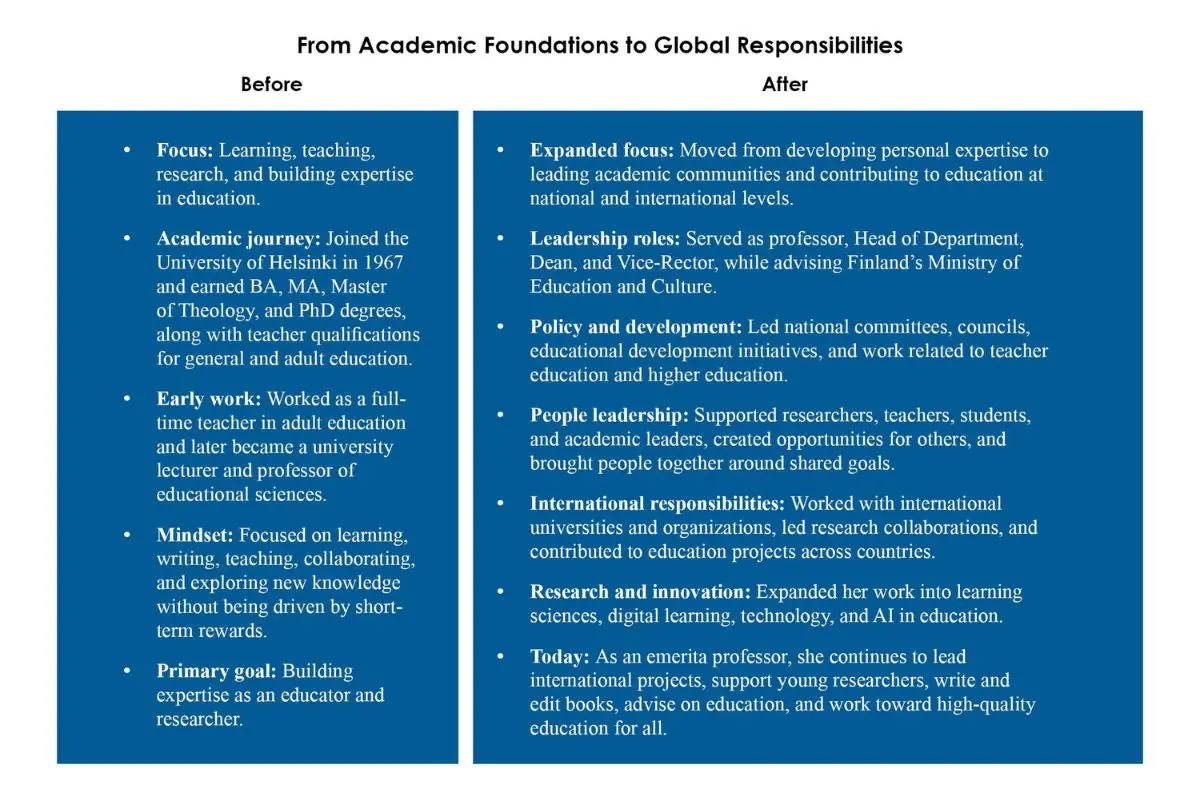
Before
- Focus: Learning, teaching, research, and building expertise in education.
- Academic journey: Joined the University of Helsinki in 1967 and earned BA, MA, Master of Theology, and PhD degrees, along with teacher qualifications for general and adult education.
- Early work: Worked as a full-time teacher in adult education and later became a university lecturer and professor of educational sciences.
- Mindset: Focused on learning, writing, teaching, collaborating, and exploring new knowledge without being driven by short-term rewards.
- Primary goal: Building expertise as an educator and researcher.
After
- Expanded focus: Moved from developing personal expertise to leading academic communities and contributing to education at national and international levels.
- Leadership roles: Served as professor, Head of Department, Dean, and Vice-Rector, while advising Finland’s Ministry of Education and Culture.
- Policy and development: Led national committees, councils, educational development initiatives, and work related to teacher education and higher education.
- People leadership: Supported researchers, teachers, students, and academic leaders, created opportunities for others, and brought people together around shared goals.
- International responsibilities: Worked with international universities and organizations, led research collaborations, and contributed to education projects across countries.
- Research and innovation: Expanded her work into learning sciences, digital learning, technology, and AI in education.
- Today: As an emerita professor, she continues to lead international projects, support young researchers, write and edit books, advise on education, and work toward high-quality education for all.
A Career That Grew with Every Stage of Life
Niemi’s routine evolved with her career, balancing academic work, leadership, family, and personal interests at every stage.
- 1980–2000 | Professor: Teaching and research filled her days, while evenings were shared with family before she returned to writing and research after her children slept.
- 2000–2016 | Dean and Vice-Rector: Her days focused on university leadership, meetings, strategic planning, networking, and international work, with occasional evening events.
- 2017–Present | Emerita and Adviser: She continues writing, leading projects, advising on policy, and supporting education, while making time for walking, swimming, grandchildren, movies, music, and home restoration.
Open Letter to the Next Generation of Educators
Dear Young Educators, Researchers, and Women Leaders,
The role of education in society is so remarkable that it requires wisdom, commitment, and a shared will to provide high-quality education for all. Educational reforms do not happen without conflict and compromise. As an expert and leader, particularly as a woman, you may face considerable underestimation and ignorance. However, you will find partners with whom you can work together. No one can change the world alone. We need a great deal of cooperation, and your contribution is needed.
Working in education can also give a sense of purpose to life. I have always trusted Viktor E. Frankl’s wise words that happiness is a side effect of working for others’ well-being. We are called to contribute to small and big efforts to make the world a better place. This means working beyond our own happiness and contributing to something greater. It brings meaning to our lives.
Hannele Niemi
Professor & Research Director
University of Helsinki
Quick Takes
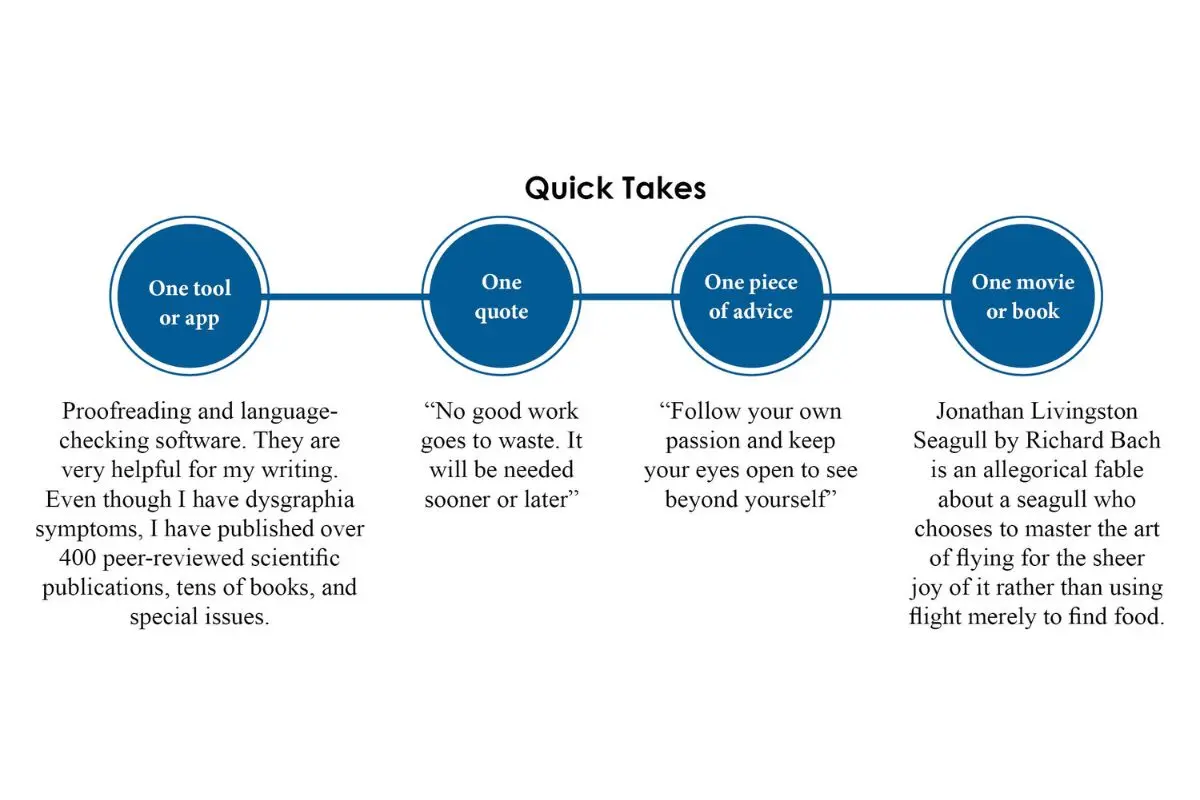
1. One tool or app you would recommend to professionals in your industry:
Proofreading and language-checking software. They are very helpful for my writing. Even though I have dysgraphia symptoms, I have published over 400 peer-reviewed scientific publications, tens of books, and special issues.
2. One quote that motivates you the most:
“No good work goes to waste. It will be needed sooner or later”
3. One piece of advice you would offer to upcoming entrepreneurs or future business leaders:
“Follow your own passion and keep your eyes open to see beyond yourself”
4. One movie or book you recommend everyone in business or leadership should experience:
Jonathan Livingston Seagull by Richard Bach is an allegorical fable about a seagull who chooses to master the art of flying for the sheer joy of it rather than using flight merely to find food.
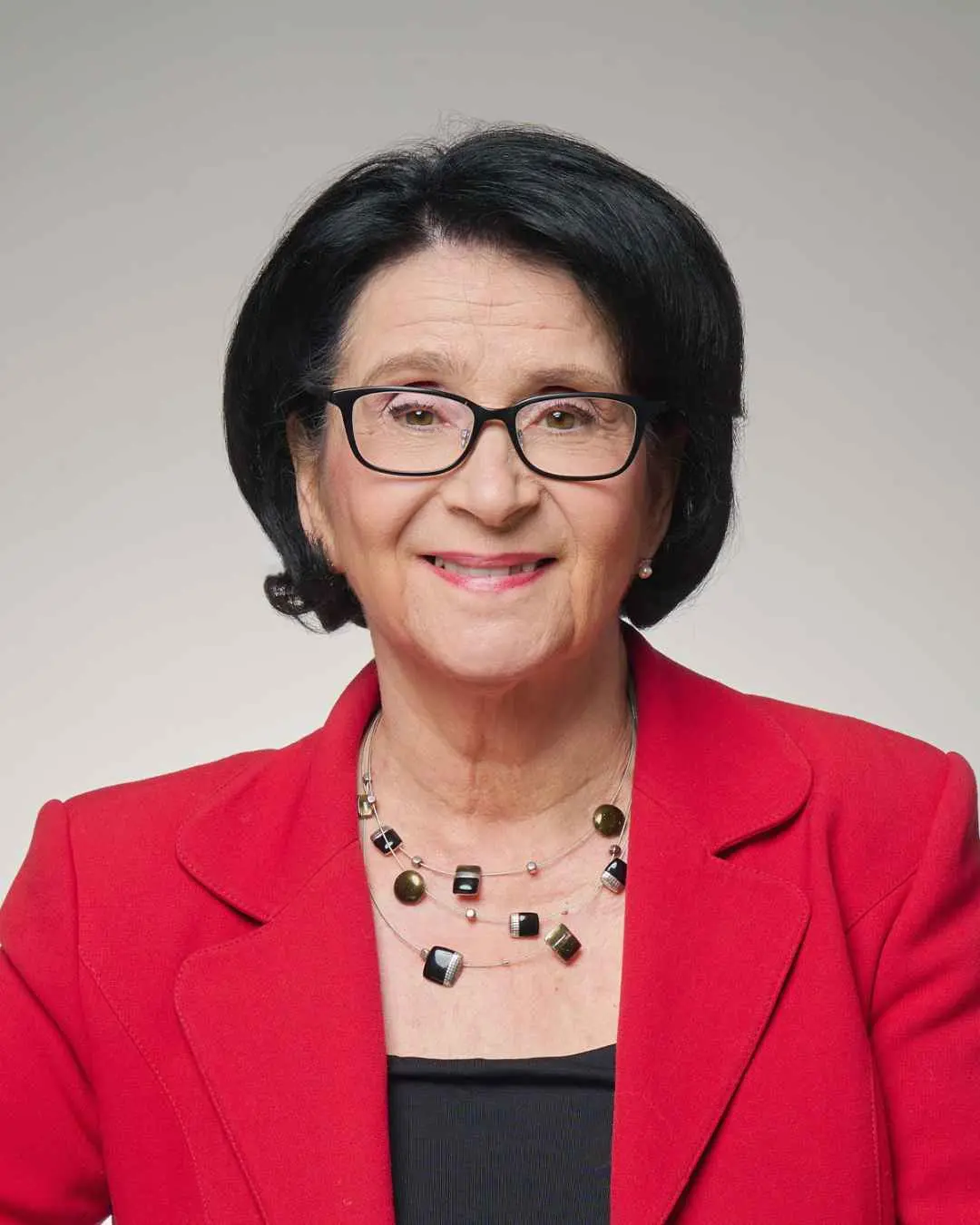
Hannele Niemi’s 5 Impactful Business Lessons
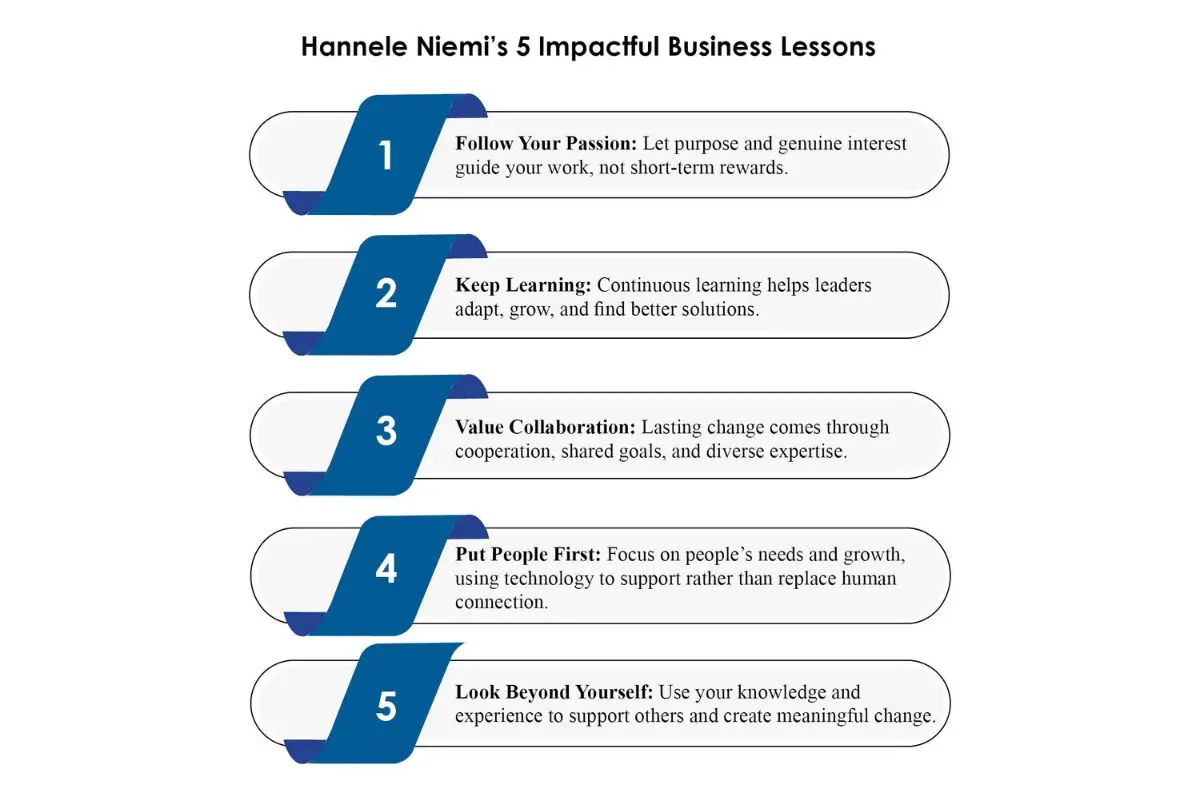
- Follow Your Passion: Let purpose and genuine interest guide your work, not short-term rewards.
- Keep Learning: Continuous learning helps leaders adapt, grow, and find better solutions.
- Value Collaboration: Lasting change comes through cooperation, shared goals, and diverse expertise.
- Put People First: Focus on people’s needs and growth, using technology to support rather than replace human connection.
- Look Beyond Yourself: Use your knowledge and experience to support others and create meaningful change.













