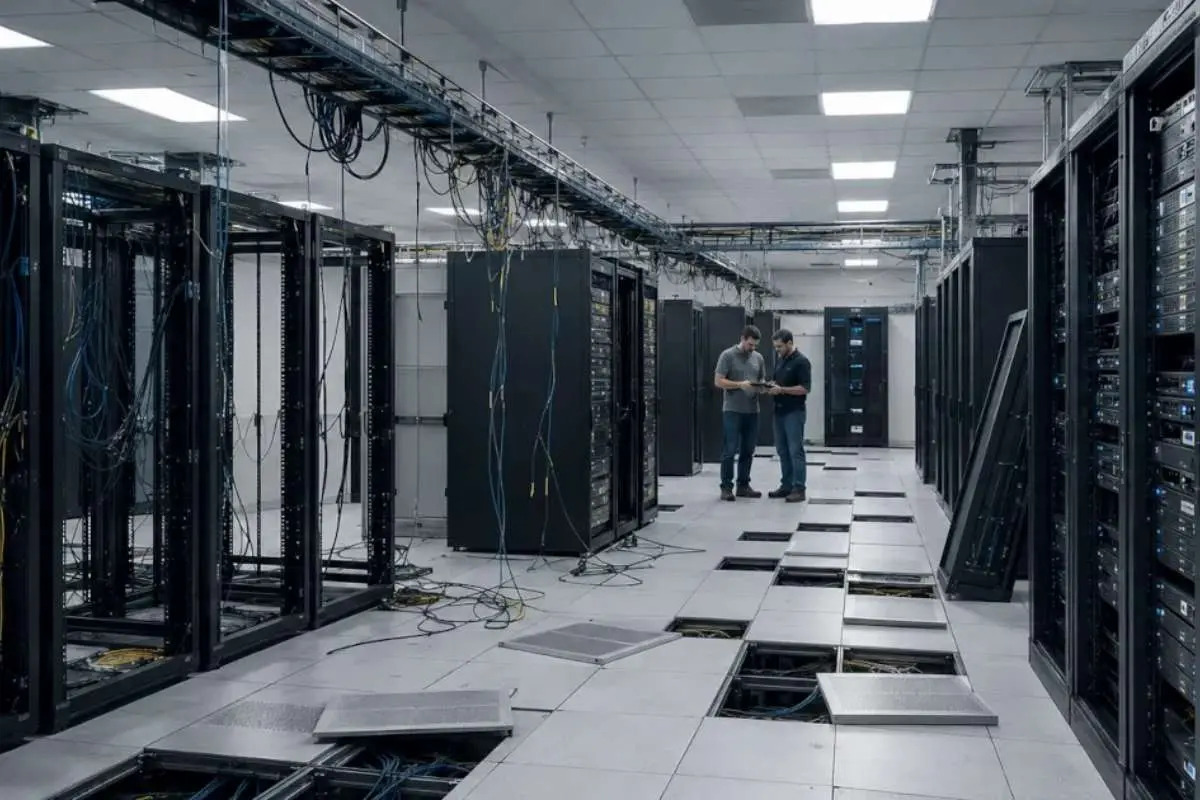


Physical security has quietly become one of the most complex challenges facing facility managers and business owners. As buildings grow smarter and teams become more mobile, the old habit of handing out metal keys simply doesn’t hold up anymore. To achieve visibility, flexibility, and remote oversight without adding operational friction, organizations are now upgrading to a Cloud based access control system.
The Problem With Traditional Lock Systems
Mechanical locks have served buildings well for generations, but they come with inherent limitations that become more obvious as organisations scale. Losing a single key can mean replacing every lock on a site, a costly and time consuming process. There’s also no way to know who accessed a space or when, which creates real problems during audits or after a security incident. Many businesses still rely on spreadsheets to track who holds which keys, a method that quickly falls apart once staff turnover increases or multiple sites are involved.
These gaps have pushed facility managers to look for alternatives that give them more oversight. Digital access systems address this by replacing physical keys with credentials that can be issued, changed or revoked instantly. Instead of a drawer full of unlabelled keys, administrators get a clear record of exactly who entered which door and at what time.
Cloud Technology Is Changing Access Management
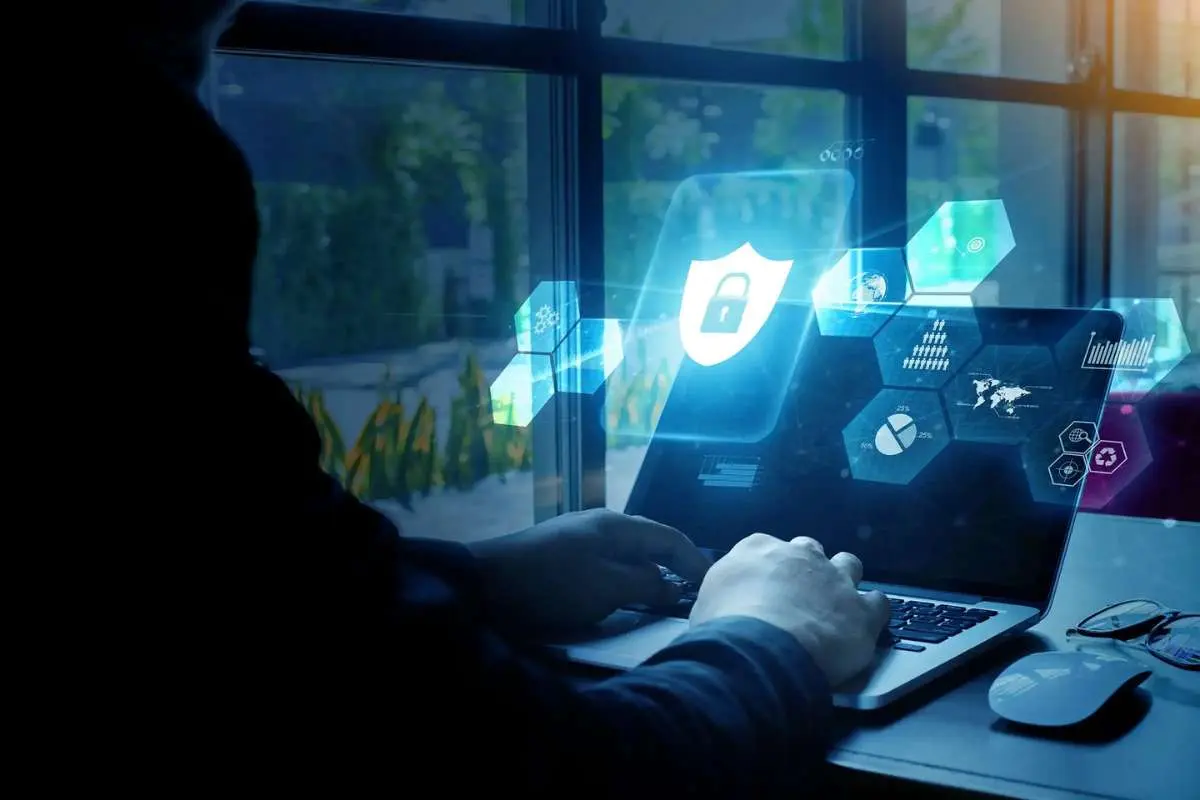
One of the more significant shifts in this space has been the move toward cloud based platforms for managing entry points. Cloud based access control allows administrators to manage permissions remotely, across multiple buildings, without needing to physically visit each site to make changes. If an employee leaves the company or a contractor’s access needs to end early, a single update in the system takes care of it immediately rather than waiting for someone to collect a physical key.
This approach also simplifies compliance reporting. Many industries now require detailed records of who accessed restricted areas, and cloud platforms generate these logs automatically. Rather than reconstructing access history from memory or paper logs, managers can pull a report in seconds. For organisations managing multiple locations, this centralised visibility often becomes the deciding factor in moving away from mechanical systems altogether.
Securing Spaces Beyond the Main Entrance
Doors aren’t the only vulnerable points on a property. Storage units, gates, cabinets and outdoor equipment often rely on padlocks that are just as easy to lose or duplicate as traditional keys. This is where digital alternatives have started to make a meaningful difference. A Smart padlock brings the same electronic credential system used on doors to these secondary access points, closing a gap that many security strategies overlook entirely.
These devices typically operate without batteries by drawing power directly from the credential itself, making them highly practical for outdoor use or remote locations where maintenance visits are infrequent. For warehouses, construction sites, or utility companies managing equipment across vast areas, integrating these locks into a core Cloud based access control system creates one unified security infrastructure rather than two separate processes to manage.
What Organisations Should Consider Before Switching
- How many sites and doors fall under one system. A single office with a few internal doors is a different proposition to a portfolio of depots or branches. Mapping every entry point first avoids a setup that works at the front door but can’t reach the back gate or storage room.
- Whether remote or multi-site management is needed now or later. Organisations running one building today may run three in a few years, and migrating platforms afterwards is rarely straightforward.
- How often staff change and how fast access must follow. With contractors, seasonal workers or shift teams, credentials need withdrawing in minutes rather than at the end of a notice period. Worth establishing who is authorised to make that change.
- Integration with existing building management or security software. Alarm systems, CCTV, visitor registration and HR platforms all overlap with who should be allowed where. Which integrations come as standard and which need custom work decides the real total cost.
- Maintenance, including power sources for locks and padlocks. Battery replacement becomes a logistical exercise once devices are spread across remote or outdoor sites; locks drawing power from the credential itself avoid that burden entirely.
- The audit detail regulators, insurers or clients expect. Some only need to know who holds a key, others want timestamped records of every door opened in a restricted area. Knowing what’s required prevents both under-specifying and paying for reporting nobody uses.
Looking at Security as an Ongoing Process
Switching to digital access management isn’t a one-time fix, it’s a shift in how an organisation thinks about security over time. Systems need to adapt as teams grow, buildings change use, and new regulations come into effect. Businesses that treat access control as a flexible, evolving part of their operations tend to avoid the costly scramble that comes with outdated infrastructure.
Replacing mechanical keys with a Cloud based access control system reflects a broader recognition that security must be manageable, not just enforceable. By extending remote oversight and consistent protection across every entry point from main doors to padlocks on remote assets organisations gain a complete, unified picture of their premises and the people moving through them.