

A sporting platform can bring together people who might otherwise never share the same space, creating opportunities for dialogue, cooperation, and public participation. Its influence can extend beyond matches and results when the people behind it see potential in the connections it creates. Turning that potential into lasting value, however, requires a clear vision, sustained effort, and the willingness to address challenges that do not have simple solutions.
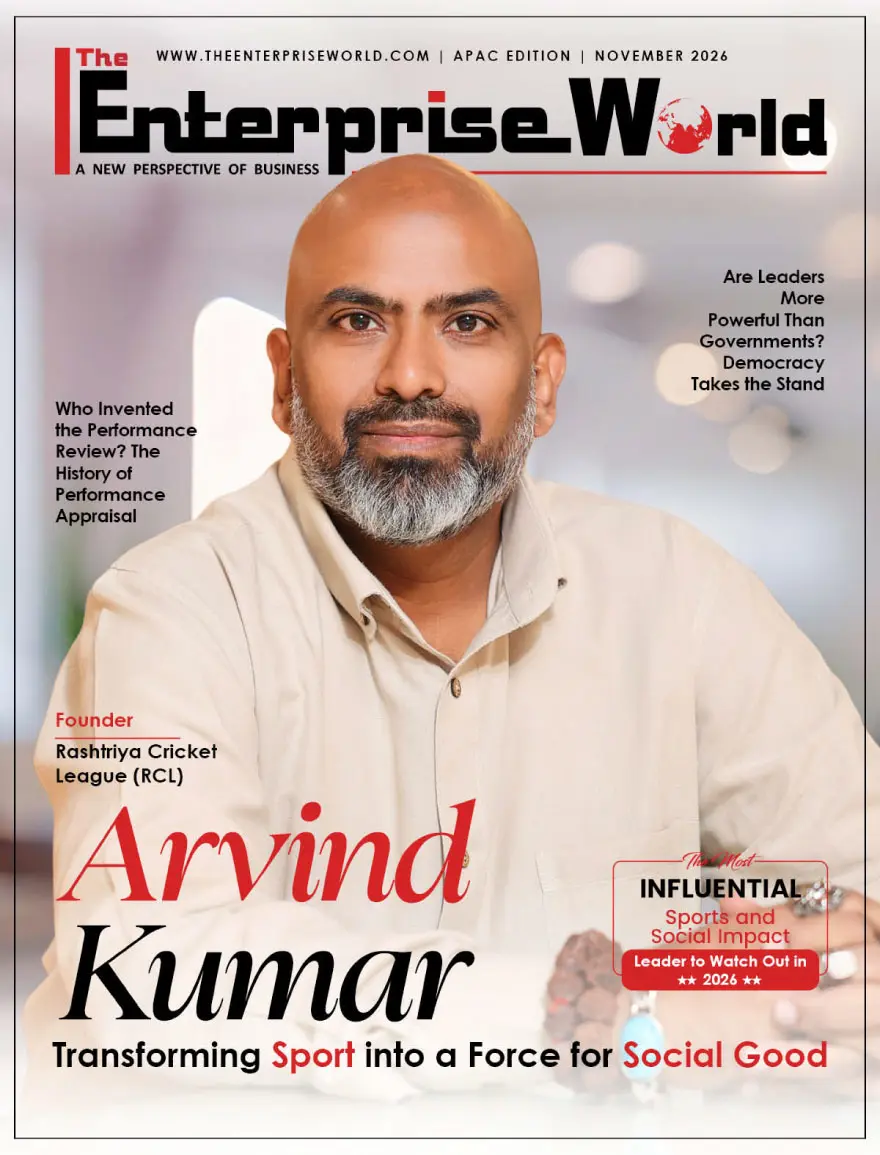
Arvind Kumar, Founder of the Rashtriya Cricket League (RCL), represents an approach that places wider community concerns alongside sporting engagement. His work reflects an ambition to make public participation more meaningful and encourage people to look beyond the immediate excitement of a game. At its core is a belief that collective enthusiasm can become a starting point for action, provided it is supported by commitment, collaboration, and practical follow-through.
A vision rooted in community impact
Arvind Kumar leads the Rashtriya Cricket League (RCL), an initiative that connects cricket with efforts to address hunger and food wastage. His work also encompasses Hunger Free Bharat, which focuses on responsible food practices, food distribution, and greater awareness of avoidable waste.
His wider vision includes the Queen’s Cricket League, which aims to expand girls’ access to cricket and promote menstrual hygiene, and the proposed Nasha Mukt Bharat initiative, which would use air rifle shooting and archery to encourage discipline and constructive engagement among young people. Together, these initiatives reflect his interest in applying sport to different social challenges, from food-related concerns to youth development and girls’ participation in athletics.
A journey for a purpose
Arvind’s journey reflects a commitment to using sport as a means of addressing social concerns. His work with the Rashtriya Cricket League (RCL) developed around the idea that cricket could serve a purpose beyond competition and entertainment. Rather than focusing solely on the game, he sought to connect its reach and public appeal with issues that affect communities, particularly hunger and food wastage.
This vision shaped the development of RCL from the Restaurant Cricket League into the Rashtriya Cricket League, a broader initiative with a social mission. The league’s message, “Every 10 Runs = 100 Meals,” gives its sporting activities a direct connection to food support and public awareness. Through this approach, Arvind Kumar aims to bring cricket, community participation, and social responsibility together.
His journey also extends beyond cricket through Hunger Free Bharat, which focuses on reducing food wastage and supporting efforts to address hunger. These initiatives reflect his belief that familiar platforms can help draw attention to pressing social issues and encourage people to contribute to meaningful change.
A new direction for the game
The Rashtriya Cricket League (RCL) uses cricket to draw attention to hunger and food wastage. Rather than treating the league as a conventional sporting competition, Arvind Kumar has positioned it around a broader objective: connecting the game with efforts to address food-related challenges.
The initiative evolved from the Restaurant Cricket League into the Rashtriya Cricket League on October 3, reflecting a wider ambition for the platform. The change marked a shift in identity, with hunger relief and food-waste awareness becoming central to its direction.
Cricket offers Arvind a familiar and accessible platform for reaching diverse audiences. Through the league, he aims to bring players, public figures, and supporters into conversations about food wastage and hunger, helping these issues reach beyond the organizations already working to address them.
Addressing two connected challenges
Hunger Free Bharat reflects Arvind’s focus on two closely linked challenges: the need for access to food and the amount of food that goes to waste. The initiative aims to encourage more responsible food practices while supporting efforts to make surplus food available to people who need it. Its approach combines public awareness with practical action, recognizing that reducing wastage and improving food distribution require participation from individuals, businesses, and communities.
For Arvind Kumar, addressing these challenges means looking beyond food donation alone. Greater awareness of how food is prepared, served, stored, and distributed can help identify opportunities to prevent avoidable waste. Restaurants, institutions, and households can each contribute by making more considered choices and exploring ways to redirect safe surplus food rather than discard it.
Hunger Free Bharat provides a shared focus for these efforts. By bringing food-related concerns into public discussion, the initiative seeks to encourage responsible habits and stronger coordination among those willing to contribute. Its broader ambition is to support a culture in which food is valued, waste is reduced, and assistance reaches people facing food insecurity.
Bringing people together for a common cause
The Rashtriya Cricket League brings together people from different backgrounds, including sports personalities, public figures, and spiritual leaders. Their participation helps extend the league’s reach and introduces its mission to wider audiences. Arvind’s approach recognizes the value of collaboration in drawing attention to hunger and food wastage, particularly when people with established public platforms lend their voices to the cause.
Among the teams, Team Sanatan Gurus, led by Pujya Acharya Balkrishan Ji, reflects the involvement of spiritual figures, while Team Superstars includes personalities such as Rakesh Bedi, Vindu Dara Singh, and Aroon Bakshi. S. K. Tijarawala, associated with the Ek Mah Ek Upwas initiative, also encouraged collaboration and helped bring spiritual personalities together.
The league has also received encouragement from public figures, including Shri Rajiv Shukla, Shri Rajiv Pratap Rudy, Shri Chirag Paswan, and Shri Om Birla. Such support helps bring greater visibility to the initiative. For Arvind, these connections create opportunities to engage different sections of society and strengthen public awareness of the issues the league seeks to address.
Before & after leadership
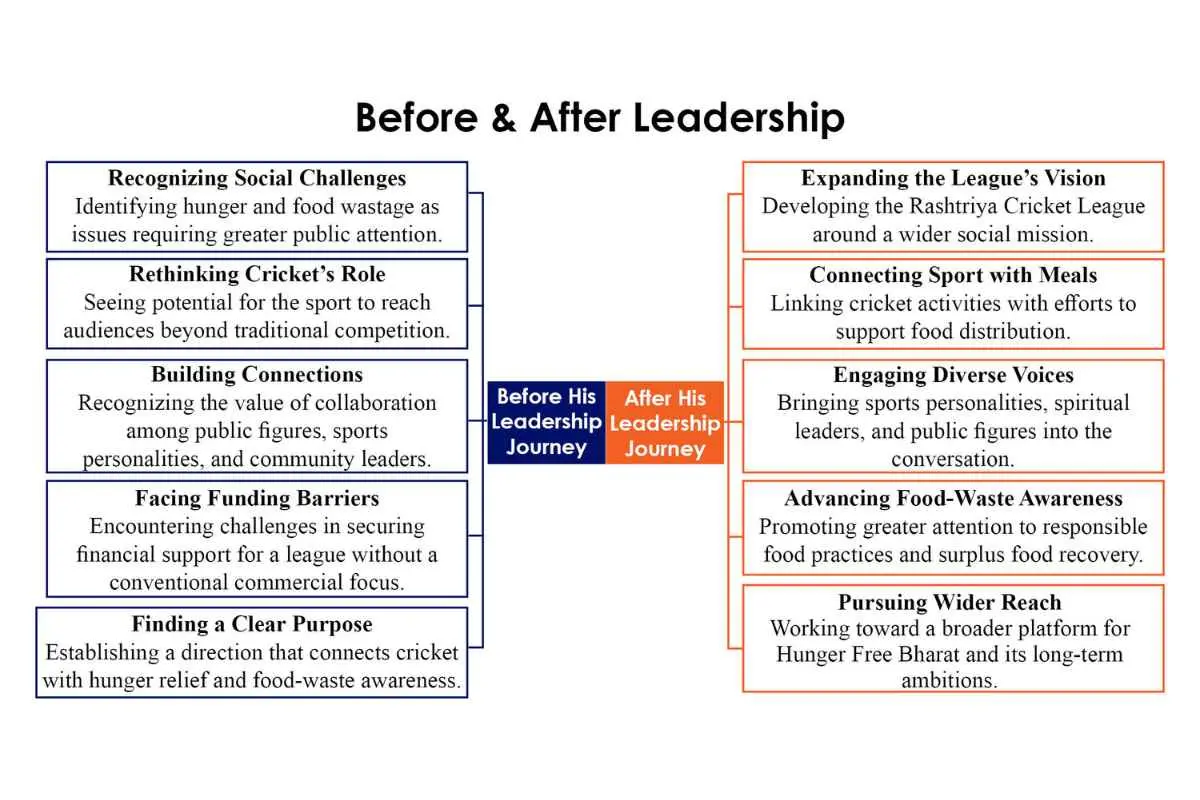
Before his leadership journey
- Recognizing Social Challenges
Identifying hunger and food wastage as issues requiring greater public attention. - Rethinking Cricket’s Role
Seeing potential for the sport to reach audiences beyond traditional competition. - Building Connections
Recognizing the value of collaboration among public figures, sports personalities, and community leaders. - Facing Funding Barriers
Encountering challenges in securing financial support for a league without a conventional commercial focus. - Finding a Clear Purpose
Establishing a direction that connects cricket with hunger relief and food-waste awareness.
After his leadership journey
- Expanding the League’s Vision
Developing the Rashtriya Cricket League around a wider social mission. - Connecting Sport with Meals
Linking cricket activities with efforts to support food distribution. - Engaging Diverse Voices
Bringing sports personalities, spiritual leaders, and public figures into the conversation. - Advancing Food-Waste Awareness
Promoting greater attention to responsible food practices and surplus food recovery. - Pursuing Wider Reach
Working toward a broader platform for Hunger Free Bharat and its long-term ambitions.
Encouraging responsible food practices
Arvind’s approach to food wastage extends beyond individual awareness to the policies and everyday practices that influence how food is handled. Restaurants, schools, households, and institutions can all play a role in preventing avoidable waste. Practical measures, such as offering different portion sizes and providing clearer information about serving quantities, could help customers make informed choices and reduce uneaten food.
Education is another proposed area of focus. Introducing food-waste awareness into school curricula could help young people understand the value of food and develop responsible habits early in life. Alongside education, a broader framework could encourage businesses and institutions to identify safe ways to recover and redistribute surplus food instead of discarding it.
These ideas represent potential steps toward a more coordinated response, rather than measures that should be assumed to be already implemented. For Arvind Kumar, meaningful progress requires participation from multiple stakeholders, supported by practical guidance and greater public understanding. Combining education with workable policies could help make food conservation a more consistent part of daily life.
Challenges and the strength of his beliefs
Building a cricket league around a social mission presents challenges that differ from those faced by commercially driven sporting ventures. Arvind has encountered difficulties in raising funds, particularly when approaching corporate organizations that may prioritize initiatives with clearer commercial returns. Convincing potential supporters to invest in a platform focused on hunger relief and food-waste awareness requires patience and a clear explanation of its purpose.
Support from the cricket fraternity has also been limited, with Atul Wassan standing out among those who have offered encouragement. These experiences have tested Arvind’s resolve and highlighted the importance of finding people and organizations willing to look beyond immediate financial benefits. Developing the league requires not only an ambitious idea but also sustained effort to secure the resources and relationships needed to carry it forward.
For Arvind Kumar, persistence and conscience remain central leadership lessons. He believes in continuing the work despite setbacks and staying aligned with the reasons behind the initiative. This approach shapes his decisions as he works to strengthen the league, build wider support, and create opportunities for its social mission to reach more people.
A day in the leader’s life
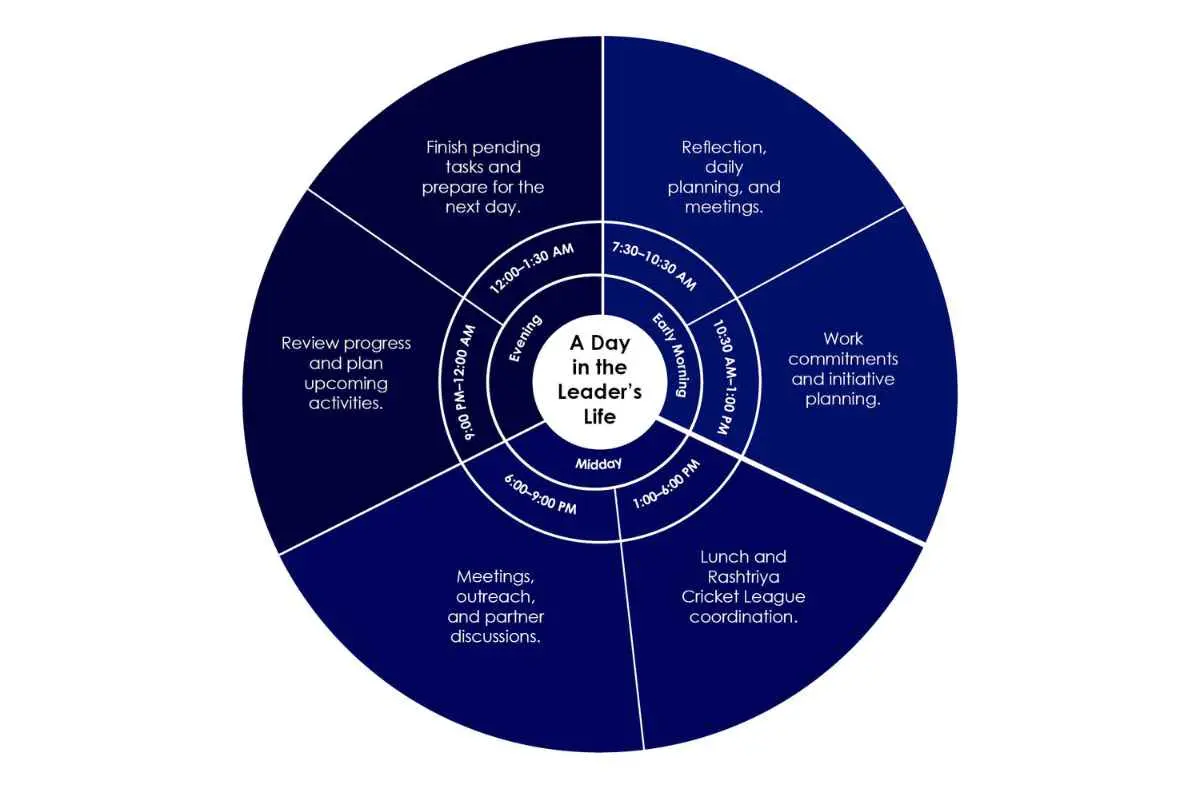
➔ Morning | 7:30–10:30 AM
Reflection, daily planning, and meetings.
➔ Late Morning | 10:30 AM–1:00 PM
Work commitments and initiative planning.
➔ Afternoon | 1:00–6:00 PM
Lunch and Rashtriya Cricket League coordination.
➔ Evening | 6:00–9:00 PM
Meetings, outreach, and partner discussions.
➔ Night | 9:00 PM–12:00 AM
Review progress and plan upcoming activities.
➔ Late Night | 12:00–1:30 AM
Finish pending tasks and prepare for the next day.
Equal opportunities on and off the field
The Queens Cricket League (QCL) extends Arvind Kumar’s work into girls’ cricket, with a dual focus on expanding sporting opportunities and promoting menstrual hygiene. The initiative aims to give girls greater access to the game while addressing a subject that can affect their confidence, participation, and comfort in sports. By bringing these priorities together, QCL seeks to make cricket more accessible while encouraging open conversations about menstrual health.
The proposed commitment, “Every 10 Runs = 10 Sanitary Pads,” connects performance on the field with menstrual hygiene support. It gives the league a practical way to communicate its message and encourage greater awareness of the needs of girls and young women.
Through QCL, Arvind Kumar aims to use cricket to encourage participation, challenge barriers, and bring menstrual hygiene into wider public discussion. The initiative reflects the view that access to sport should go hand in hand with the resources and support girls need to take part confidently.
Discipline through sport and skill
Nasha Mukt Bharat is a proposed initiative that seeks to encourage young people toward constructive activities through air rifle shooting and archery. The concept focuses on developing discipline, concentration, and confidence by introducing participants to sports that require patience, control, and consistent practice.
For Arvind Kumar, sport can offer young people a positive way to channel their energy and build a sense of direction. However, sporting activities alone cannot address substance misuse. Those who need support must also have access to professional treatment, counseling, and rehabilitation.
The initiative reflects an approach that combines structured sporting engagement with appropriate care. By bringing these elements together, Nasha Mukt Bharat aims to encourage healthier choices and help young people access the guidance they need to move forward.
The impact that matters
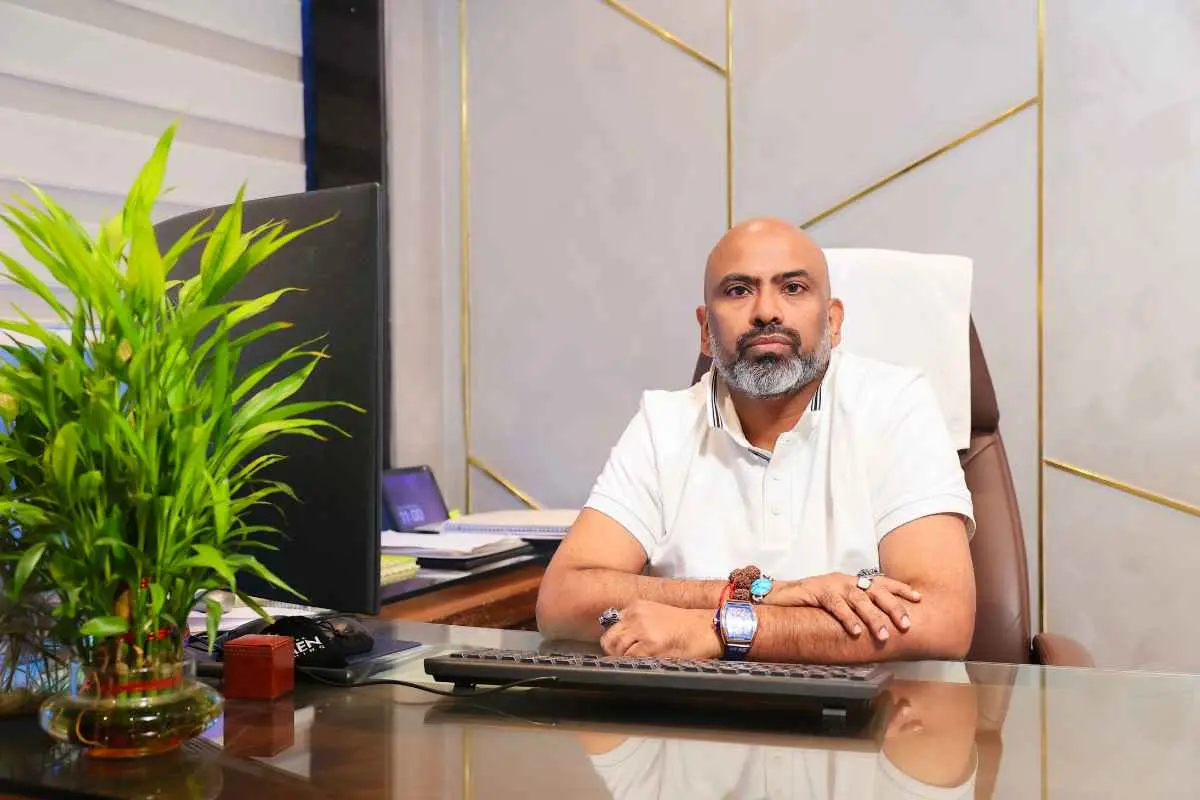
For Arvind Kumar, the value of these initiatives extends beyond match results or audience numbers. Success can be assessed through the meals supported, the awareness generated around food wastage, and the communities that participate in the work. These measures help connect public engagement with tangible outcomes.
Community involvement also matters. When players, public figures, organizations, and individuals contribute to the initiatives, they can help bring greater attention to hunger relief and responsible food practices. The aim is to encourage participation that continues beyond individual matches or events.
Progress toward reducing food wastage and improving food distribution remains a key measure of the broader mission. By focusing on practical outcomes alongside awareness, Arvind Kumar seeks to assess whether these efforts are making a meaningful difference.
The road ahead and taking social impact nationwide
Arvind’s long-term aim is to take Hunger Free Bharat to every state in India, extending its reach and encouraging more communities to participate in efforts to address hunger and food wastage. Achieving this vision will require stronger partnerships, sustained public engagement, and practical ways to support food distribution and reduce avoidable waste.
The Rashtriya Cricket League can help advance this ambition by using sport to bring people together and draw attention to issues that affect communities across the country. Alongside the Queens Cricket League and the proposed Nasha Mukt Bharat initiative, it reflects Arvind Kumar’s wider interest in using organized activities to encourage awareness, participation, and positive choices.
The road ahead will depend on turning these ambitions into measurable outcomes. Wider collaboration, reliable support, and consistent follow-through will be important as the initiatives seek to reach more people and create lasting social impact.
Open letter
Dear Readers,
Hunger and food wastage are challenges that require attention, awareness, and collective action. Food is a basic necessity, yet many people struggle to access it while perfectly usable food is discarded. Addressing this gap calls for more responsible practices and a willingness to work together.
Through the Rashtriya Cricket League and Hunger Free Bharat, I want to use the reach of cricket to bring these concerns into public conversation and encourage practical action. I also believe sport can create opportunities for girls and help young people develop discipline and confidence through initiatives such as the Queens Cricket League and the proposed Nasha Mukt Bharat.
Change does not depend on one person or one organization. Every effort to reduce food waste, support food distribution, or encourage someone to contribute can make a difference. I hope to see these initiatives reach more communities across India and inspire people to turn awareness into action.
Let us value food, support one another, and use our collective strength to create a more responsible and compassionate society.
Arvind Kumar — Founder
Rashtriya Cricket League (RCL)
Quick takes
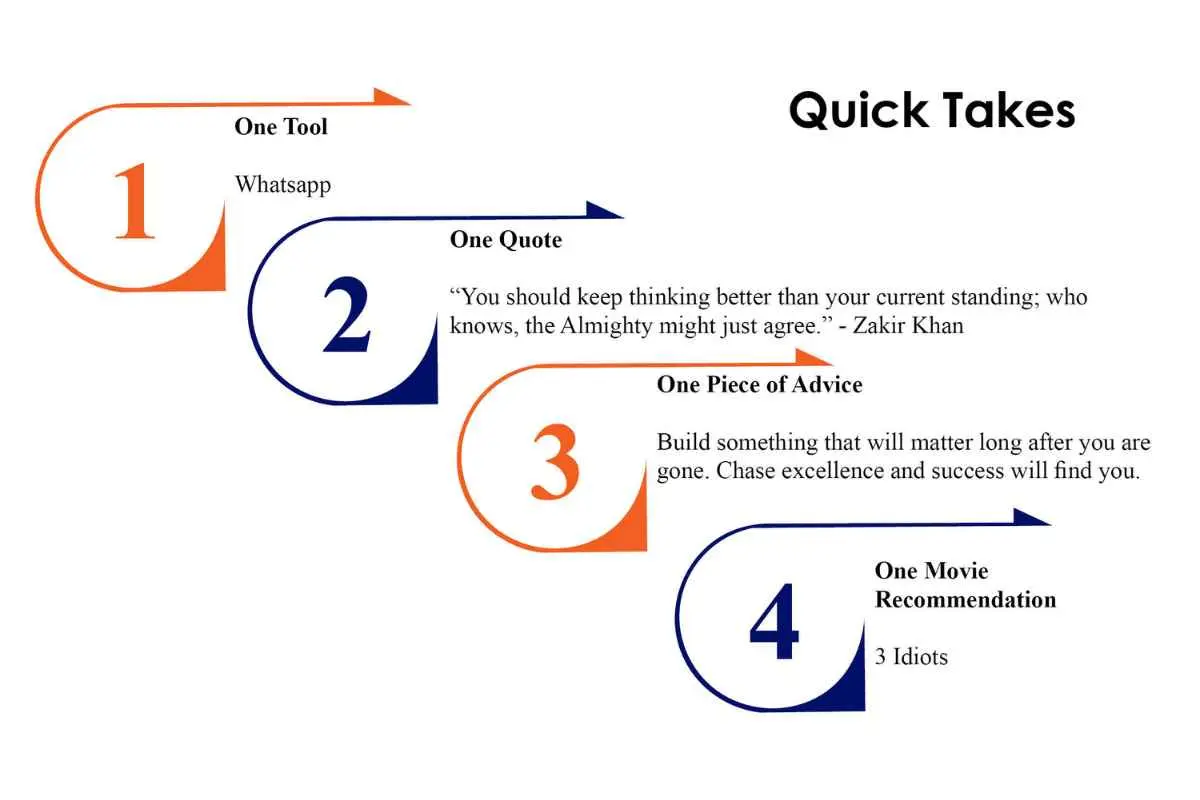
- One Tool
➔ Whatsapp - One Quote
➔ “You should keep thinking better than your current standing; who knows, the Almighty might just agree.” – Zakir Khan - One Piece of Advice
➔ Build something that will matter long after you are gone. Chase excellence and success will find you. - One Movie Recommendation
➔ 3 Idiots
5 key takeaways
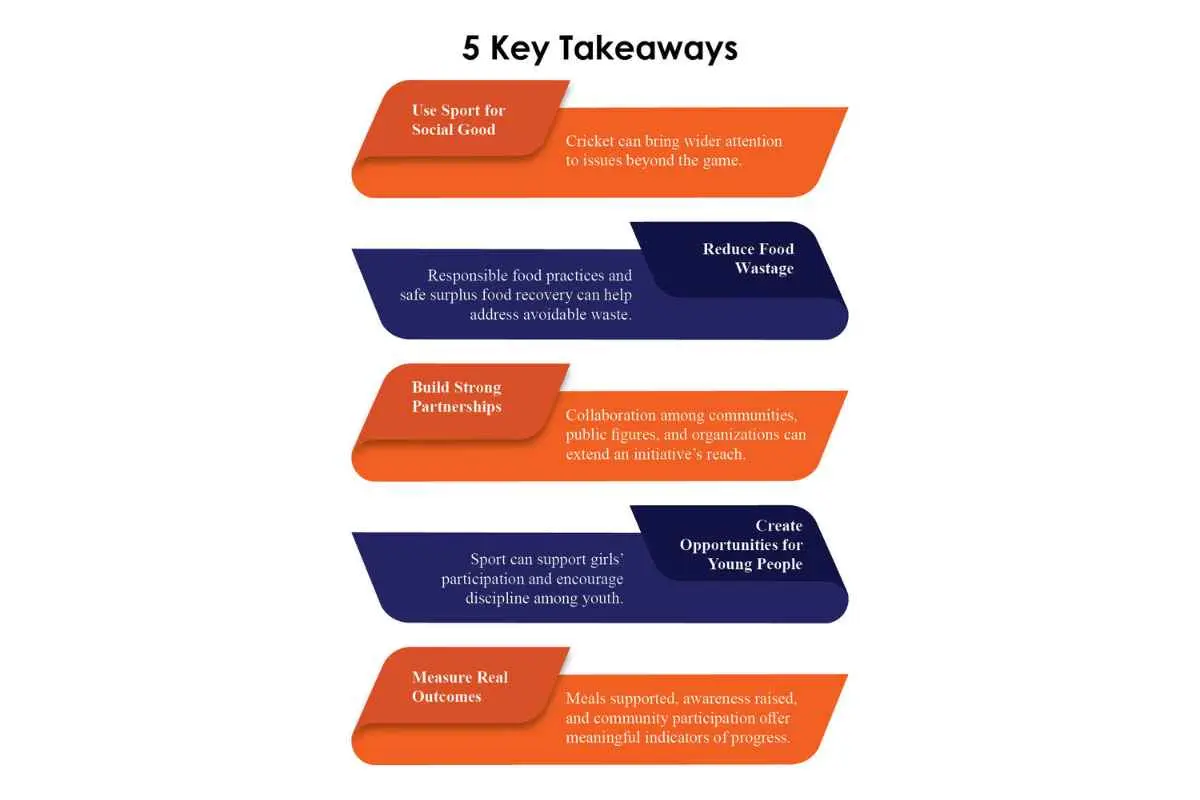
- Use Sport for Social Good
Cricket can bring wider attention to issues beyond the game. - Reduce Food Wastage
Responsible food practices and safe surplus food recovery can help address avoidable waste. - Build Strong Partnerships
Collaboration among communities, public figures, and organizations can extend an initiative’s reach. - Create Opportunities for Young People
Sport can support girls’ participation and encourage discipline among youth. - Measure Real Outcomes
Meals supported, awareness raised, and community participation offer meaningful indicators of progress.