
The rules of running a business changed fast, and most playbooks didn’t keep up. Interest rates stayed high longer than anyone budgeted for. AI jumped from a side project to a boardroom decision almost overnight. Cyber attackers, meanwhile, got smarter than the defense budgets built to stop them. Leaders still running on old assumptions are already behind, even if they haven’t noticed yet.
This list is a briefing for executives who need to move now. Below are the biggest business challenges shaping 2026, each paired with the action leadership actually needs to take.
What are the 20 biggest business challenges leaders are facing in 2026?
Every challenge below has real financial weight. Ignore one, and it will cost you. Read each point as a check on your own company. This list covers the business challenges you may already face, even if no one has named them yet.
1. AI adoption pressure
Boards now want real AI results, not just small tests. Most AI projects stall. The data is messy. No one owns the project. Meanwhile, faster rivals cut costs and pull ahead. Executives should name one AI owner and fund fewer projects, but fund them fully. Track results in dollars, not demos.
2. High interest rates
Borrowing money still costs a lot. Debt from cheaper years is now difficult to refinance. This squeezes profit margins. Leaders should stress-test all company debt this quarter. Pay off variable-rate loans first. Let real cash flow, not hope, set the pace for new projects.
3. Rising cyber threats
Attackers now use AI to write emails that look real. They find network gaps fast. Mid-size firms are easy targets. They hold good data but have weak defenses. Boards should treat cyber risk as a top priority. Fund a real response plan. Run breach drills twice a year.
4. Talent retention
Skilled workers still have options, even in a slow job market. Pay alone will not keep them. They leave when growth stalls or AI makes their job feel unclear. Executives need clear paths for growth inside the company. They also need an honest talk about how AI will change jobs.
5. Supply chain disruption
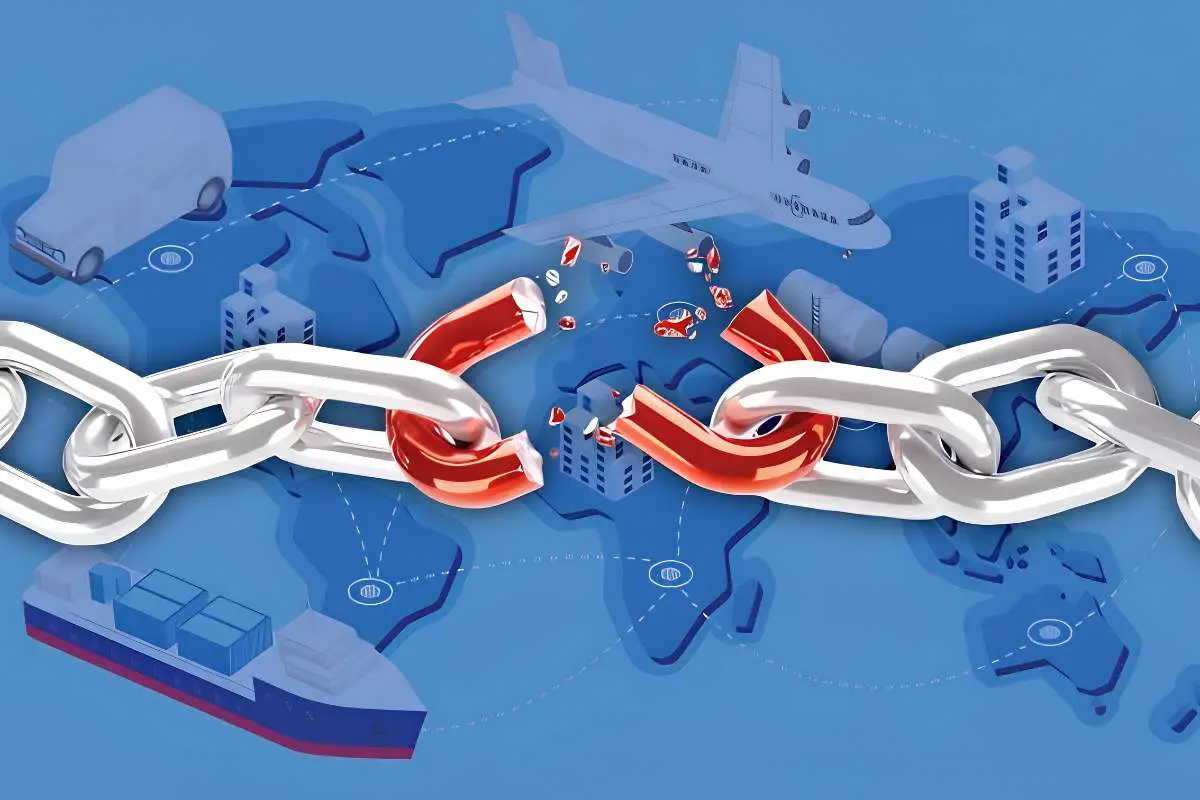
Supply chain disruption remains one of the biggest business challenges for global manufacturers, since a single factory shutdown can freeze an entire production line. Wars and trade tensions keep hitting supply chains without warning. Leaders should map suppliers two steps deep, not just one. Find a backup supplier now, before a crisis forces the search.
6. Persistent inflation
Costs for materials, wages, and shipping stay high. Headline inflation may cool, but real costs do not always follow. Raise prices too much, and customers leave. Hold prices too long, and profit disappears. Executives should set prices by product, based on real data. Guesswork is too risky now.
7. Regulatory compliance complexity
New rules on AI, privacy, and reporting are landing in many countries at once. Compliance teams struggle to track rules that change every few months. Leaders should build one shared dashboard for all rules. Give each region a clear owner. Do not leave it to one tired generalist.
8. Digital transformation fatigue
Teams are tired of new tools. This lowers how well they use them. Data sits in disconnected systems. This leads to decisions based on partial facts. Executives should cut the number of tools in use. Pick fewer platforms and use them well. Build one shared data system before adding more tools.
9. Customer loyalty erosion
Customers compare prices and reviews in seconds. Switching brands is easy now. One bad experience, shared online, can undo years of trust in a day. Leaders should track how much effort customers spend, not just how happy they say they are. Fix the small annoyances people complain about most.
10. Hybrid workforce management

Balancing remote work with team spirit is still hard for most companies. Remote workers sometimes miss out on promotions. This builds quiet resentment. Executives need clear, written rules about who works where and why. Measure the work people finish, not the hours they log.
11. Currency volatility
For companies operating across borders, currency volatility has quietly become one of the biggest business challenges finance teams face each quarter. Sudden currency shifts can wipe out thin profit margins overnight. Finance leaders should protect the company against major currency risks. Build flexible pricing terms into international contracts before the next swing hits.
12. Energy cost swings
Energy price spikes hit factories and shipping budgets hard. Fixed budgets break down fast under this kind of pressure. Executives should lock in longer energy contracts where they can. They should also build energy cost buffers into every yearly budget plan.
13. Data privacy demands
Customers want more control over their personal data. Ignore this, and you risk fines and lasting damage to your name. Leaders should check data practices often. Make privacy policies simple for customers to read. Give one person clear ownership of data protection standards.
14. Succession planning gaps
Many companies have no clear plan for replacing senior leaders who retire. This creates real instability, right when experience matters most. Boards should pick successors for key roles now. Invest in mentorship. Write down key knowledge before it walks out the door with a retiring leader.
15. Merger integration failures

Rushed timelines and clashing company cultures often ruin the value of a merger. Employees lose motivation when integration feels messy or unclear. Executives should slow the integration process down. Talk to staff constantly. Align systems and culture first before chasing the next big deal.
16. Sustainability reporting pressure
Investors now tie funding to real sustainability data, not just marketing claims. Weak data collection makes many reports unreliable. Leaders should invest in proper tracking tools. Treat sustainability numbers with the same care as financial numbers.
17. Faster, leaner competitors
Speed itself is now one of the biggest business challenges. Small rivals use AI to move fast with fewer resources, turning slow decisions into a real disadvantage. Executives should shorten approval times and give more power to teams close to the customer. Test new ideas in weeks, not months or quarters.
18. Investor and board scrutiny
Boards face pressure to defend long-term plans while investors want quick results. This can push leaders toward choices that hurt future growth. Executives should share clear multi-year plans with real milestones. This satisfies short-term pressure without hurting long-term value.
19. Legal exposure from AI decisions
AI-made content and automated decisions bring new legal risks around bias and accuracy. Laws have not caught up yet. Leaders should require human review for any high-stakes AI decision. Keep clear records of how automated systems reach their conclusions.
20. Employee trust in leadership
Constant change and unclear messages wear down employee trust over time. Disengaged workers quietly do less, then leave. Executives should speak honestly about hard decisions. Follow through on promises. This is how trust gets rebuilt.
How do these biggest business challenges connect for the C-Suite?
These 20 challenges rarely arrive one at a time. A cyber incident during a debt refinance. An AI rollout during a merger. Executives who treat each problem as an isolated fire end up managing chaos instead of a company.
The stronger approach is to map how these pressures connect within your own business, then rank them by what would hurt most if left unaddressed for another quarter. Cash flow risk usually deserves the first slot since it limits your options everywhere else.
After that, ownership matters more than urgency. A challenge with a named owner and a deadline gets solved. A challenge everyone agrees is important, but no one owns, becomes next year’s crisis. Treat this list as a working document, not a one-time read.
Conclusion
None of these problems are new in spirit. Costs rise, talent moves, technology shifts, and rules change. What is new is the speed. AI, high interest rates, and cyber threats are all moving faster than most leadership teams can handle.
The biggest business challenges of 2026 will not be solved with more meetings or bigger budgets alone. They will be solved by leaders who assign clear ownership, track real results, and act before a crisis hits. Review this list every few months, and your company will stay ahead of the next disruption.
FAQs
1. What are the biggest business challenges companies face in 2026?
The top ones are AI adoption, high interest rates, cyber threats, talent retention, and supply chain problems.
2. How is AI changing business challenges for executives?
AI adds pressure to move fast. It also creates new risks around data, security, and job roles that leaders must manage.
3. Why is cybersecurity one of the biggest business challenges today?
Cyberattacks happen more often and are more advanced. One breach can cause damage that takes years to fix.
4. How can small- and mid-size businesses handle rising interest rates?
Cut variable-rate debt, delay spending that is not urgent, and build up cash to stay flexible.
5. What is the best way for leaders to prioritize among so many business challenges?
Rank each one by cost and urgency. Give one person clear ownership of each challenge.