By 2026, green technology in construction will be a strategic necessity rather than a luxury. The industry is shifting from ethics to economic resilience due to tight regulations and growing energy costs. In order to lessen their impact on the environment while improving performance, developers and architects are now giving priority to eco-friendly materials and energy-efficient systems.
This shift represents a clear departure from conventional approaches in favor of long-term viable smart building solutions. Adopting these innovations is crucial for managing contemporary compliance and guaranteeing future-proof development as sustainability becomes the norm.
The Rise of Green Technology in the Construction Industry
Over the past decade, the construction sector, once responsible for nearly 40% of global carbon emissions, has redefined its role in environmental stewardship. By 2026, green technology is no longer experimental; it has become central to modern construction strategies worldwide.
Governments across North America, Europe, and the Asia-Pacific have introduced stricter energy codes, carbon reporting requirements, and incentives for green buildings. At the same time, investors and tenants increasingly favor developments that demonstrate strong environmental, social, and governance (ESG) performance.
As a result, partnerships between developers and sustainability-focused solution providers have surged. Commercial HVAC specialists, renewable energy firms, smart-building software providers, and water-management innovators are now integral to large-scale construction projects. These collaborations are helping transform conventional buildings into intelligent, low-carbon environments that reduce emissions, improve occupant well-being, and lower long-term operational costs.
Key Green Technology Solutions Powering Sustainable Buildings:
Energy-Efficient HVAC Systems
Among the most impactful applications of Green Tools in construction are advanced HVAC systems. In 2026, modern commercial HVAC solutions are designed with AI-driven controls, ultra-high-efficiency heat pumps, and low-global-warming-potential refrigerants.
Technologies such as variable refrigerant flow (VRF), demand-controlled ventilation, and energy recovery systems significantly reduce energy consumption while maintaining optimal indoor air quality. Smart sensors and predictive maintenance tools further enhance efficiency by adjusting performance in real time based on occupancy, weather conditions, and usage patterns.
Leading commercial HVAC companies now play a critical role in sustainable development, guiding projects from system design to long-term optimization and ensuring buildings meet both environmental targets and comfort standards.
Renewable Energy Integration
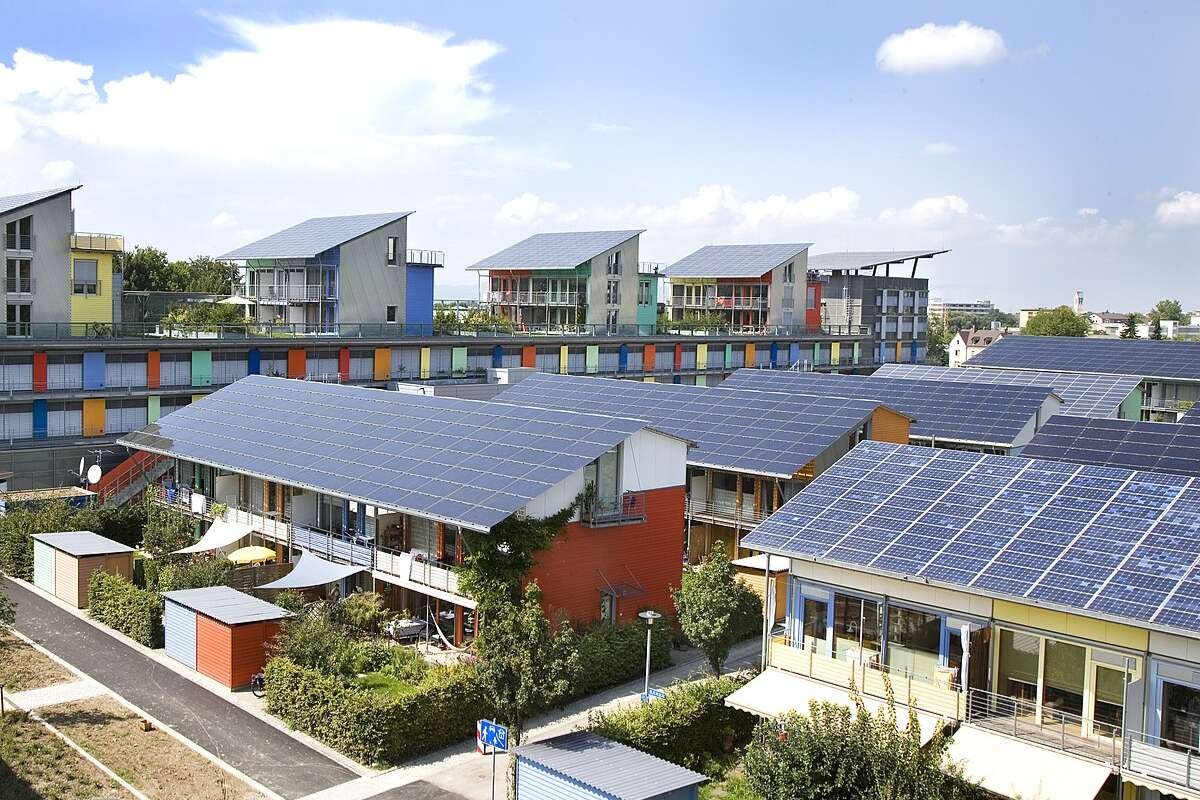
Solar energy has become a cornerstone of green technology in construction. In 2026, high-efficiency photovoltaic panels, building-integrated solar facades, and energy storage systems are increasingly embedded into building designs rather than added as afterthoughts.
Battery storage, microgrids, and hybrid renewable systems allow buildings to store excess energy and reduce dependence on centralized power grids. This not only cuts emissions but also improves energy resilience during outages and peak demand periods.
Eco-Friendly Water Systems: Conservation and Smart Reuse
Water sustainability is now recognized as equally important as energy efficiency. Advanced, environment-friendly technology solutions for water management focus on conservation, reuse, and intelligent monitoring.
Rainwater harvesting systems are widely adopted for irrigation, cooling systems, and non-potable uses. Greywater recycling systems treat wastewater from sinks and showers for reuse, significantly reducing freshwater demand. In 2026, AI-powered water monitoring systems can detect leaks instantly, optimize consumption, and prevent costly water losses.
Water-efficient fixtures, smart meters, and automated controls together create a closed-loop water ecosystem, reducing environmental impact while lowering operating expenses for building owners.
Integrating Green Technology: Practical Steps for Developers
Successfully integrating green technology into construction projects requires planning from the earliest stages:
- Design Phase: Architects and engineers should prioritize passive design principles, natural lighting, ventilation, and orientation to minimize energy demand.
- Material Selection: Using locally sourced, recycled, and low-carbon materials reduces embodied emissions and supports circular construction practices.
- Construction Phase: Waste reduction strategies, on-site recycling, and digital tracking tools help minimize environmental impact.
- Post-Construction: Smart building management systems enable continuous monitoring of energy and water use, allowing for ongoing optimization.
Equally important is training. Educating construction teams, facility managers, and occupants ensures green systems are used effectively and maintained properly over time.
Challenges in Adopting Green Technology
Despite its benefits, adopting Green Technology is not without obstacles. High upfront costs remain a common concern, particularly for smaller developers. However, by 2026, lifecycle cost analysis increasingly demonstrates that long-term savings often outweigh initial investments.
Knowledge gaps and skill shortages can also slow adoption. Rapid technological advancement requires continuous education and collaboration across disciplines. Additionally, regulatory inconsistencies in certain regions can complicate compliance, especially where building codes lag behind innovation.
Overcoming these challenges demands coordinated action – from governments updating regulations, to industry leaders sharing best practices, to financial institutions supporting sustainable investments.
Conclusion:
Green technology is vital to the future of construction and is no longer optional as environmental pressures increase. Sustainable buildings improve human health, productivity, and long-term economic value in addition to lowering carbon emissions and conserving resources.
The construction sector can contribute to the creation of a built environment that benefits people and the environment by embracing innovation, tackling adoption issues, and making a commitment to sustainability at every stage of development. Green building is expected in 2026 and beyond, not the exception.
FAQ:
1. How does green technology improve indoor comfort and health?
It enhances indoor air quality through advanced filtration, humidity control, and ventilation systems. Smart sensors regulate temperature and airflow, creating healthier environments that improve productivity, reduce illness, and support occupant well-being.
2. What role does sustainable technology play in smart buildings?
In smart buildings, this enables real-time monitoring and automated control of energy, lighting, water, and HVAC systems. AI-driven platforms optimize performance based on occupancy and usage patterns, ensuring efficiency without compromising comfort.
3. How can developers start integrating green technology?
Developers should begin by incorporating sustainability goals during the planning stage, collaborating with sustainable technology experts, selecting energy-efficient systems, and using smart monitoring tools post-construction. Training teams and occupants is also essential for maximizing performance.