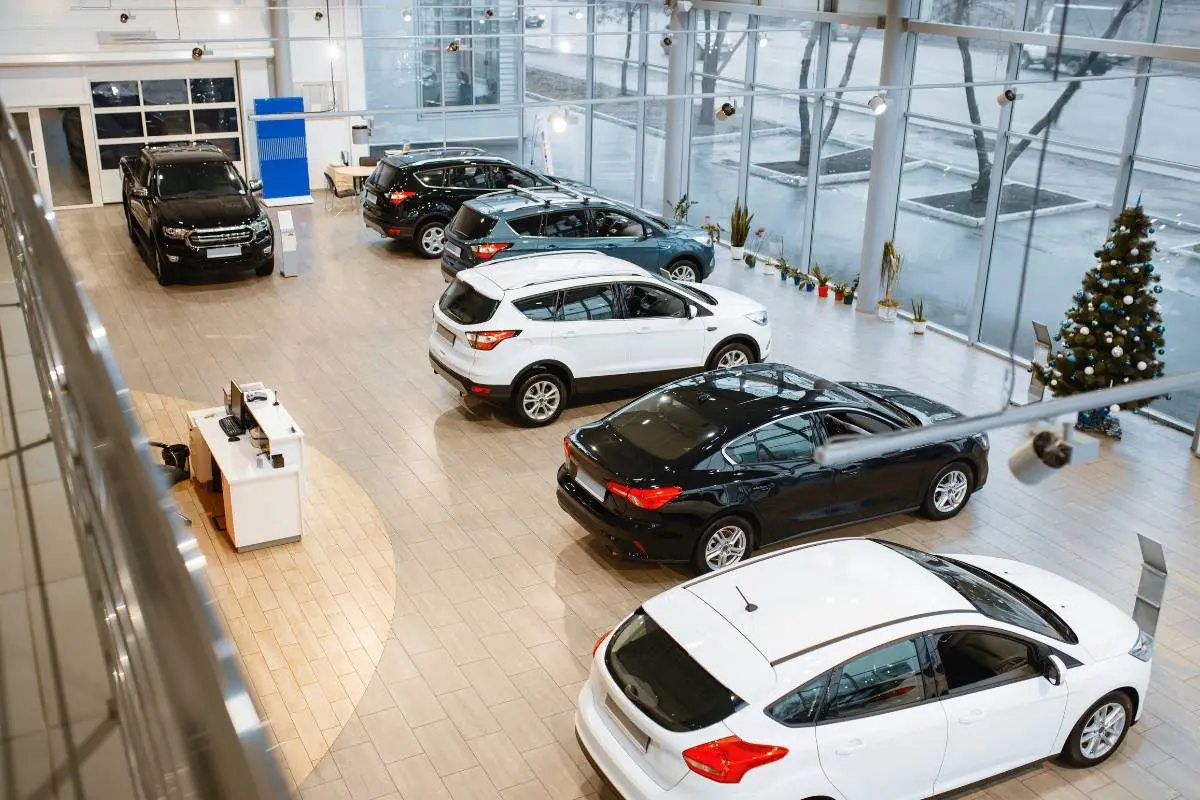
A car showroom does far more than display vehicles. It changes how people feel, how long they stay, and whether they see a brand as trustworthy or forgettable. Buyers today walk into showrooms with more awareness than ever. They have compared models online, read reviews, checked prices, and watched walkaround videos before stepping inside. What they expect now is clarity, comfort, and a space that respects their time. An impactful car showroom meets these expectations through its layout, atmosphere, and overall flow.
The physical showroom remains one of the strongest tools a dealership owns. Screens, ads, and digital campaigns may attract attention, but the in-person experience still carries weight. Lighting, layout, staff movement, waiting areas, and even how cars are positioned all influence buying confidence. An impactful car showroom avoids pressure and excess. It allows customers to move at their own pace, examine details closely, and feel confident about their choices.
Design choices also affect staff performance. When sales teams work in an organized and welcoming space, interactions feel natural and focused. Customers notice that ease. A well-planned showroom strikes a balance between visual appeal and practical function, creating an environment where both buyers and employees feel at ease.
In this article, we examine how car showrooms can be designed to make a strong impression, enhance customer comfort, and sustain steady sales growth through thoughtful planning and updated practices.
What Makes a Car Showroom Impactful?
A showroom is impactful when it supports decision-making rather than interrupting it. This does not depend solely on size or luxury. Even compact showrooms can make a strong impression when planned with intent.
One defining factor is emotional comfort. Buyers often feel cautious when entering a dealership. Clear walkways, open sightlines, and friendly seating areas reduce tension. When customers feel relaxed, they stay longer and ask better questions.
Another factor is clarity. Customers should understand where to go, whom to approach, and how to explore vehicles without confusion. Confusing layouts, overcrowded displays, or noisy interiors create mental fatigue. An impactful car showroom removes these distractions.
Consistency also matters. Flooring, wall colors, lighting tone, and branding should work together. When design elements feel disconnected, trust quietly erodes. A well-thought-out showroom sends a clear message that the business is reliable and organized.
Key Elements of an Impactful Car Showroom Design
1. Lighting That Supports Visibility and Comfort
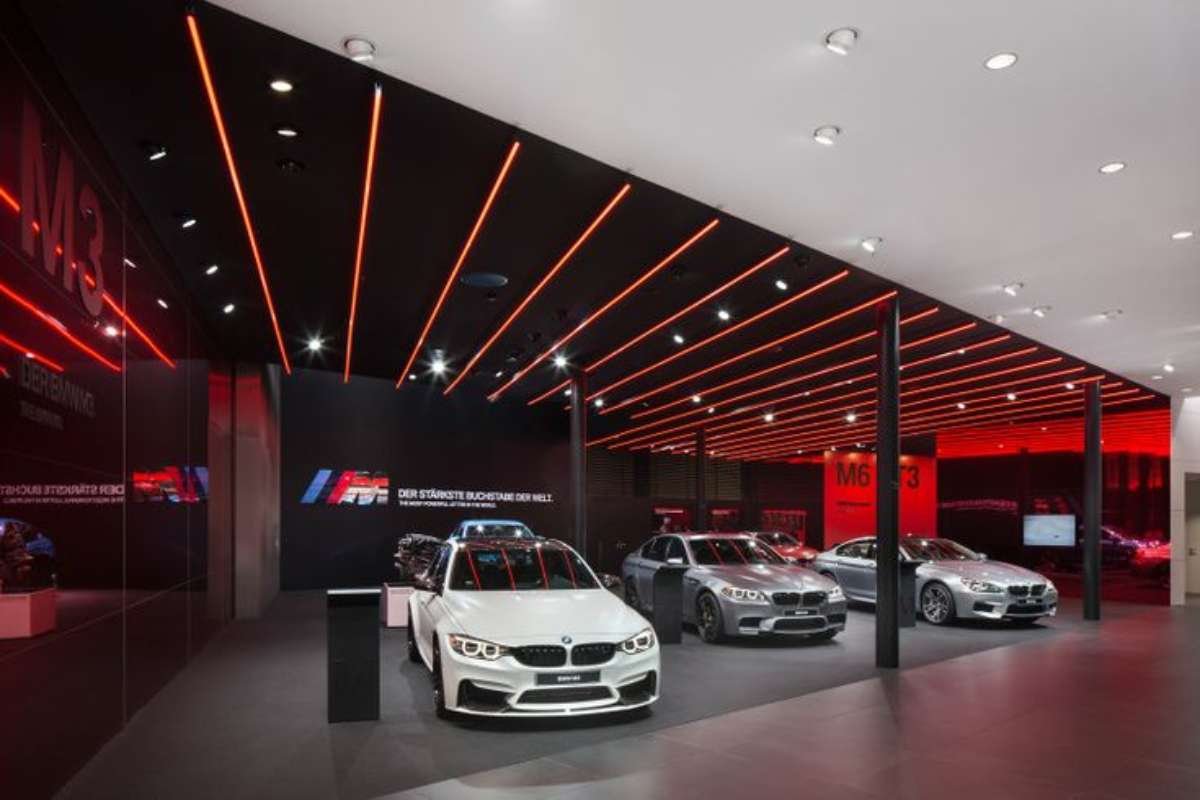
Lighting plays a decisive yet straightforward role inside a showroom. It affects how a vehicle’s paint reads, how interiors feel, and how long customers are comfortable staying in the space. Poor lighting can flatten body lines, distort colors, or create harsh reflections on windshields and dashboards. Balanced lighting solves this by allowing cars to appear as they would in real conditions, not overly polished or dull.
A mix of ambient and focused lighting works best. Ambient lighting keeps the showroom evenly lit, preventing dark corners or sharp contrasts that strain the eyes. Targeted overhead fixtures highlight key vehicle areas such as grilles, wheels, and interiors without drawing attention to the light source itself. This balance helps customers notice details naturally, without feeling overwhelmed.
Many dealerships now use lighting systems that adjust brightness throughout the day. As natural light changes, artificial lighting compensates subtly. This keeps the showroom comfortable during extended operating hours and reduces fatigue for both customers and staff. Consistent lighting also helps sales teams present vehicles with confidence, knowing the space supports what they are showing.
2. Clean and Consistent Flooring
Flooring is one of the most overlooked design elements, yet it directly affects comfort, safety, and perception. Highly reflective floors may look striking at first, but they often create glare that competes with vehicle surfaces. Over time, this can make the space feel cold or tiring to walk through.
Textured or matte finishes offer a more balanced solution. They reduce reflections while providing better grip, which is especially important in areas exposed to rainwater from vehicles entering the showroom. A comfortable floor encourages customers to walk around cars freely instead of standing in one spot.
Flooring can also guide movement without signage. Subtle changes in texture or tone help customers understand where vehicle displays end and where seating or discussion areas begin. This visual guidance feels natural and avoids the need for physical barriers. In an impactful car showroom, flooring supports flow rather than demanding attention.
3. Thoughtful Use of Color
Color choices influence mood more than most people realize. Neutral shades such as whites, greys, and soft earth tones create a calm backdrop that allows vehicles to stand out. These tones help paint finishes appear accurate, which matters when customers are closely comparing shades.
Accent colors have a place, but only when used with restraint. They work best on brand walls, reception areas, or focused displays where attention is intentional. Overuse of bold colors can distract from vehicles and make the space feel busy.
A consistent color palette also strengthens brand perception. When walls, furniture, and fixtures feel coordinated, the showroom appears organized and professional. This consistency reassures customers that care has been taken in every aspect of the space, not just the cars on display.
Read More: Benefits of Buying a Brand-New Car That Make Life Easier in 2026
Creating a Customer Centric Showroom Experience
- Entry That Feels Welcoming: The first few steps inside a showroom influence how long a visitor stays. Clear entrances, friendly signage, and visible staff presence help customers feel acknowledged without pressure. Avoid clutter near entrances. Open space encourages exploration and reduces hesitation.
- Comfortable Waiting Areas: Waiting areas are no longer an afterthought. Customers may wait while paperwork is completed, service discussions take place, or test drives are prepared. Comfortable seating, charging points, water access, and clean restrooms show respect for their time. These details build trust and patience during more extended visits.
- Clear Communication Zones: Discussion areas should offer privacy without isolation. Semi-open seating with sound control allows conversations without feeling exposed. This helps customers speak freely and ask honest questions.
Creating a Customer Centric Showroom Experience Through Technology
- Digital Displays That Inform: Screens work best when they support the conversation rather than replace it. Interactive displays showing features, safety systems, or model comparisons help customers learn at their own pace. Overuse of screens can overwhelm visitors. An impactful car showroom uses digital tools selectively.
- Mobile Integration: Many dealerships now allow customers to scan QR codes near vehicles to view specifications or book test drives. This respects personal browsing habits and reduces waiting time.
Visual Merchandising Strategies for Car Showrooms
1. Strategic Vehicle Placement
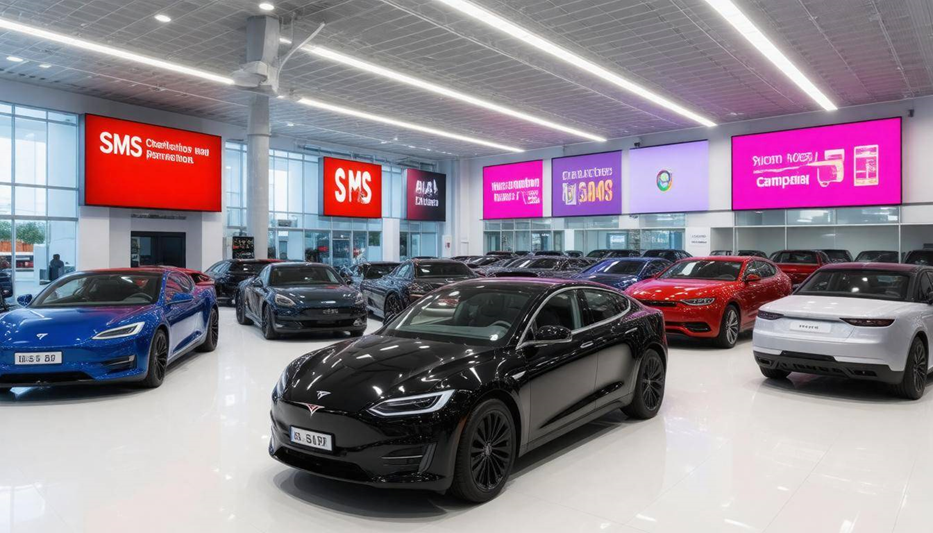
How vehicles are positioned affects how customers move and what they notice first. When cars are placed too close together, exploration feels restricted. Customers hesitate to open doors, step back to view body lines, or move freely around the display. Adequate spacing changes this behavior. It allows doors to open fully, gives room for families or groups to stand together, and makes browsing feel unhurried.
Highlighting specific models works best through subtle design cues. Slight elevation, controlled spotlighting, or positioning near natural walkways draws attention without isolating the vehicle. Physical barriers, ropes, or excessive signage often interrupt flow and make displays feel staged rather than inviting.
2. Feature Focus Displays
Overloading customers with specifications can dilute interest. Instead of listing every feature, feature-focused displays work better when they highlight a few practical benefits. Safety systems, comfort features, or driving aids can be explained briefly and clearly, giving customers something concrete to remember.
This approach encourages conversation rather than replacing it. In an impactful car showroom, visual prompts support discussions rather than trying to answer every question upfront. Sales teams can then expand on features based on what the customer shows interest in.
3. Seasonal Adjustments
Showrooms benefit from change, even small ones. Rotating displays based on weather patterns or buying periods keeps the space from feeling static. During warmer months, open layouts and lighter accessories create a relaxed feel. In cooler seasons, closer groupings and warmer lighting tones make the space feel more contained.
These adjustments don’t need a major redesign. Small changes like moving vehicles, updating display materials, or refreshing props help returning visitors see that the showroom is lively and well-kept.
4. Clear Sightline Merchandising
Customers feel more at ease when they can see across the showroom without obstruction. Displays should never block main walkways or create visual dead ends. Clear sightlines help visitors understand the space and quickly decide where to go next.
Low-profile stands, transparent dividers, or open shelving help keep visibility while still defining spaces. This method encourages natural movement and less hesitation.
5. Consistent Branding Touchpoints
Branding works best when it feels integrated rather than repeated. Logos, typography, and brand colors should appear in measured places such as reception areas, feature walls, or delivery zones. Overuse weakens the impact and distracts from the vehicles themselves.
When branding is consistent and restrained, it reinforces credibility without competing for attention.
6. Delivery Area Presentation
The delivery zone deserves as much attention as the main display. A clean, well-lit delivery area makes the handover feel important and considered. Customers remember this moment clearly, and a positive experience often leads to photos, referrals, and repeat visits.
Simple steps such as dedicated lighting, clear space, and minimal clutter elevate this final impression.
Car Showroom Layout Strategies That Improve Customer Flow
| Category | Layout Idea | What This Improves |
| Car Showroom Layout Ideas | Zoning for Natural Flow | Creates a clear path through vehicle displays, consultations, delivery, and service discussions, helping customers move forward without confusion or backtracking. |
| Open Sightlines | Keeps customers visually oriented at all times, making the space feel welcoming and easy to navigate while reducing hesitation or discomfort. | |
| Flexible Layouts | Allows the showroom to adjust quickly for events, launches, or promotions without disrupting the overall look or customer experience. | |
| Car Showroom Layout Ideas for Smaller Spaces | Vertical Space Utilization | Frees up floor space by using walls for displays and branding, making compact showrooms feel more open and safer to navigate. |
| Multipurpose Areas | Enables consultation and waiting areas to serve multiple purposes, helping efficiently manage fluctuating customer traffic. | |
| Light Control | Uses natural and controlled lighting to prevent smaller spaces from feeling cramped, improving comfort and visibility. |
How an Impactful Car Showroom Boosts Sales?

Sales often begin before any pricing discussion. When customers feel comfortable in a showroom, they take their time, ask clearer questions, and explore options without hesitation. Open layouts reduce confusion, while comfortable seating makes more extended visits easier. These details reduce mental resistance and allow buyers to focus on the vehicles rather than the environment. An impactful car showroom supports this process by removing minor points of discomfort that can quietly push customers away.
Order and consistency also influence trust. When a showroom feels well-managed, customers are more confident in the people representing the brand. That confidence leads to return visits and recommendations, which matter just as much as immediate sales. Design affects staff as well. Sales teams working in organized spaces stay focused and communicate more calmly. Those interactions feel natural rather than rushed, which often leads to better outcomes and steadier close rates.
Learn More: Why Customers Buy from You? The 14 Car Sales Techniques That Build Trust
Common Mistakes to Avoid in Car Showroom Design
- Overcrowding the Floor: Displaying too many vehicles creates visual fatigue. Customers feel rushed and overwhelmed. Fewer cars with better spacing often lead to stronger engagement.
- Ignoring Sound Control: Echoing floors and loud conversations disrupt focus. Soft furnishings, acoustic panels, and controlled background music improve comfort.
- Poor Lighting Choices: Uneven lighting distorts the vehicle’s appearance. Customers notice this subconsciously and may doubt quality.
- Lack of Maintenance: Worn furniture, flickering lights, or outdated displays weaken trust. Regular upkeep keeps the showroom aligned with brand values.
Conclusion
A car showroom remains one of the most potent brand touchpoints in the buying process. While digital research continues to grow, the physical experience still shapes final decisions. An impactful car showroom does not rely on excess or noise. It focuses on clarity, comfort, and honest presentation.
By paying attention to layout, lighting, customer flow, and staff needs, dealerships create spaces that support calm decision-making. These environments encourage more extended visits, more explicit conversations, and greater trust.
As customer expectations continue to rise, showrooms that invest in thoughtful design stand apart. An impactful car showroom supports both business goals and customer confidence, making it a valuable asset rather than just a display space.