Getting a call from an unknown number can leave you with one simple question: Who is calling me?
A reverse phone lookup helps you search for information associated with a phone number instead of searching for a person’s name first. Depending on the service and the information available, a lookup may show details such as a possible caller name, business identity, general location, carrier information, or spam reports.
However, a reverse lookup is not a guaranteed way to identify every caller. Mobile numbers can be unlisted, information can be outdated, and scammers can use caller ID spoofing to make a call appear to come from another number. The U.S. Federal Trade Commission (FTC) specifically warns that scammers can fake the name or number displayed on caller ID.
That makes it important to understand what it can tell you and what it cannot.
How to use reverse phone lookup effectively in 2026?
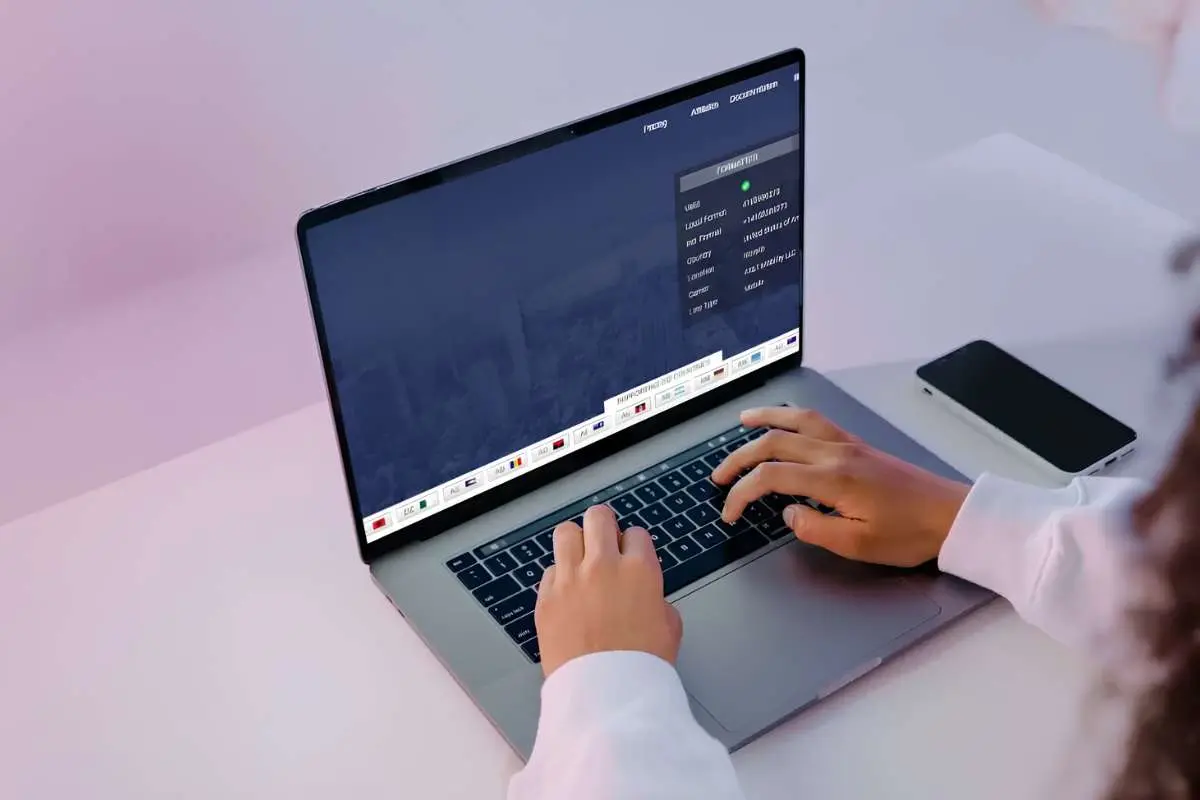
A reverse phone lookup is most useful when you treat the result as a clue, not proof of identity. For better results, search the complete number, compare multiple details, and verify important information through an official source.
1. Start With the Full Number: Enter the complete phone number, including the country code for international calls. A missing digit or incorrect country code can return the wrong result or no result at all.
2. Don’t Trust a Name Alone: A matching name does not confirm who is actually calling. Check the name, business, location, spam reports, and other available information together. For business numbers, compare the result with the phone number published on the company’s official website. Multiple consistent sources provide stronger evidence than one lookup database.
3. Verify the Caller Before You Trust Them: A familiar phone number does not always mean a familiar caller. The FTC warns that scammers can spoof caller ID and make a call appear to come from a legitimate company, government agency, or local number.
Real-world example: Imagine someone calls claiming to be from your bank and asks for an OTP. A reverse phone lookup shows the displayed number belongs to the bank. You still should not share the OTP. Hang up and contact the bank using the number listed on its official website or app.
4. Use Spam Reports as Warning Signs: Several recent reports describing the same suspicious behavior are worth taking seriously. However, one report does not prove that a number is fraudulent because numbers can be reassigned or incorrectly reported. Think of spam reports as warning signals, not final proof.
5. Never Share Sensitive Information: A lookup result should never convince you to provide passwords, OTPs, PINs, card details, or recovery codes. If a caller creates urgency or threatens immediate consequences, stop the conversation and verify the request independently.
6. Check Before Calling Back: Before returning an unfamiliar missed call, search the number and check whether it belongs to a legitimate business or has repeated spam reports. Your phone’s built-in protection can add another layer. Google Phone, for example, can warn about potential spam and lets users block or report numbers.
7. Protect Your Own Number Too: Reverse lookup is also a reminder to protect your own phone number. Avoid publishing your personal number unnecessarily and review the privacy settings of websites and social platforms where it appears.
| The simple 2026 rule: Look up → Cross-check → Verify → Then respond. |
This approach makes reverse phone lookup more useful while reducing the risk of trusting outdated information or a spoofed number.
Reverse phone lookup accuracy: tips and results for 2026
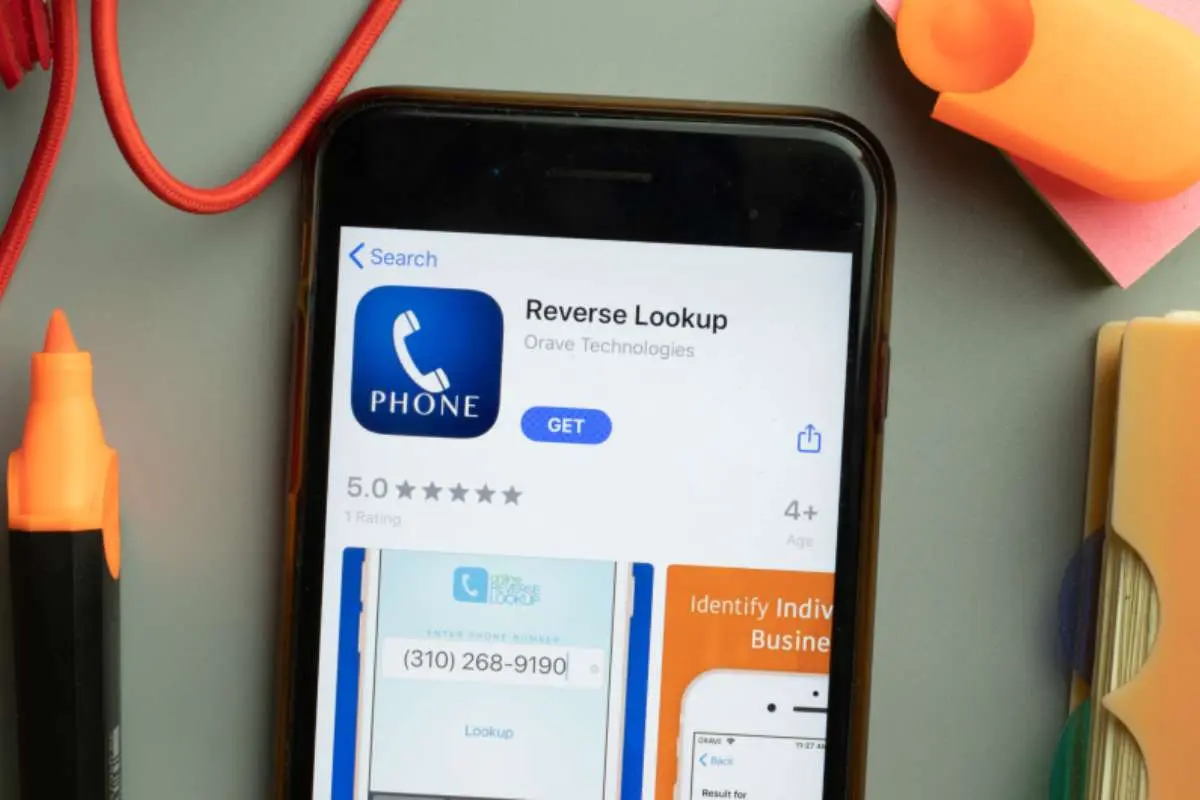
Reverse phone lookup accuracy depends on the quality and freshness of the available data, the type of phone number, and whether the information can be independently verified.
There is no single accuracy percentage that applies to every lookup service or every phone number.
A publicly listed business number may produce a clear result, while a private mobile, VoIP, temporary, or unlisted number may return very little information.
The important question is therefore not simply, “Is this lookup accurate?”
It is: “How well does this result match current, trustworthy information?”
Why can reverse phone lookup results be wrong?
Phone numbers change owners, businesses switch providers, and databases may contain outdated information. Private mobile, VoIP, and temporary numbers can also return limited results.
Example: A business may keep its number after changing providers, while an old database still shows outdated details. Always check current information on the company’s official website.
The caller ID trap: a familiar number can still be fake
Scammers can spoof caller ID, making a call appear to come from a trusted bank or business. The FTC warns that caller ID alone cannot prove who is calling.
Read More: Using Free Reverse Phone Lookup for Background Checks
How to get more accurate lookup results?
Use the complete number and country code, then cross-check the result with trusted sources. For businesses, compare the number with the company’s official website and recent listings.
Remember: No result does not mean a number is dangerous, and a detailed result does not guarantee it is safe.
| Result | What to Do |
| Strong match | Verify before acting |
| Partial match | Cross-check it |
| No match | Don’t assume it’s safe or dangerous |
The key: Trust consistent, current information from multiple reliable sources, not just one lookup result.
Don’t rely on one tool: build a smarter caller ID system
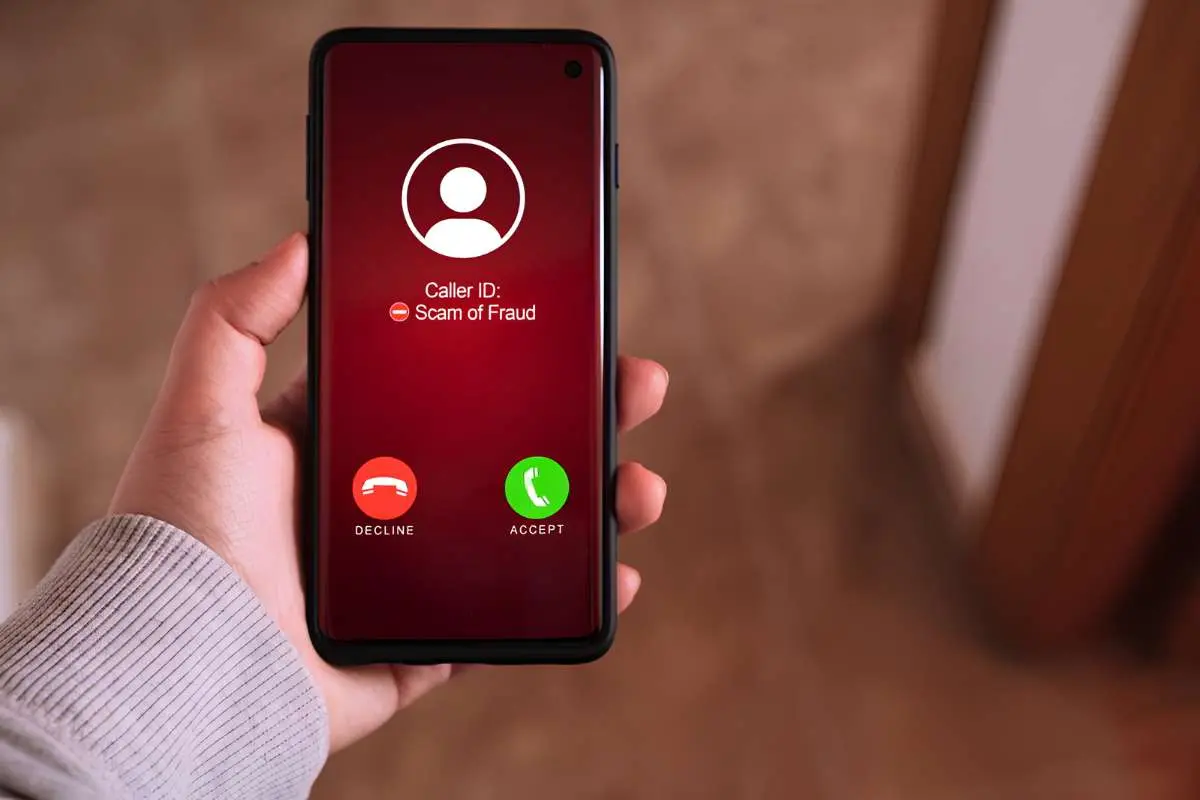
Reverse phone lookup is more useful when combined with other trusted tools. Use your phone’s spam protection, official company websites, search engines, and government resources to verify suspicious calls.
- Built-in protection: Google’s Phone app can identify businesses, flag suspected spam, and block unwanted numbers.
- Official websites: If a caller claims to represent a bank or company, check its official website instead of trusting the incoming number. The FTC warns that scammers can spoof legitimate caller IDs.
- Real-world example: A scammer can make a bank’s real number appear on your screen. Even if a reverse phone lookup matches the bank, hang up and contact the bank through its official app or website.
Best 2026 approach:
Unknown number → Reverse Phone Lookup → Check spam reports → Verify officially → Decide whether to respond, block, or report.
No single tool guarantees who is calling. Use multiple trusted signals before you trust an unfamiliar caller.
Conclusion:
Reverse phone lookup is most effective when used as an investigation and screening tool, not as a guaranteed identity check.
For better results in 2026, start with the complete number, compare multiple sources, check the freshness of the information, and look for consistent evidence. Use built-in spam protection, official business websites, carrier tools, and trusted consumer resources as additional layers.
Most importantly, never let a matching phone number override suspicious caller behavior. A legitimate-looking number can be spoofed, and an incomplete lookup does not automatically mean a caller is dangerous.
The safest rule is simple: use it to gather clues, then verify important claims independently before you trust, pay, share information, or call back.
FAQs
1. What is Reverse Phone Lookup?
It helps you find available information linked to an unknown phone number.
2. How accurate is Reverse Phone Lookup?
Accuracy varies by data quality, number type, and how recently the information was updated.
3. Can it identify scam numbers?
It can show spam reports, but it cannot guarantee that a number is a scam.
4. How can I improve lookup results?
Use the complete number and cross-check results with trusted sources.
5. Can it verify a caller’s identity?
No. Always independently verify callers requesting money or sensitive information.
Thank You for Reading!
See More
Unmasking Unknown Callers: The Power of Reverse Phone Number Lookup