
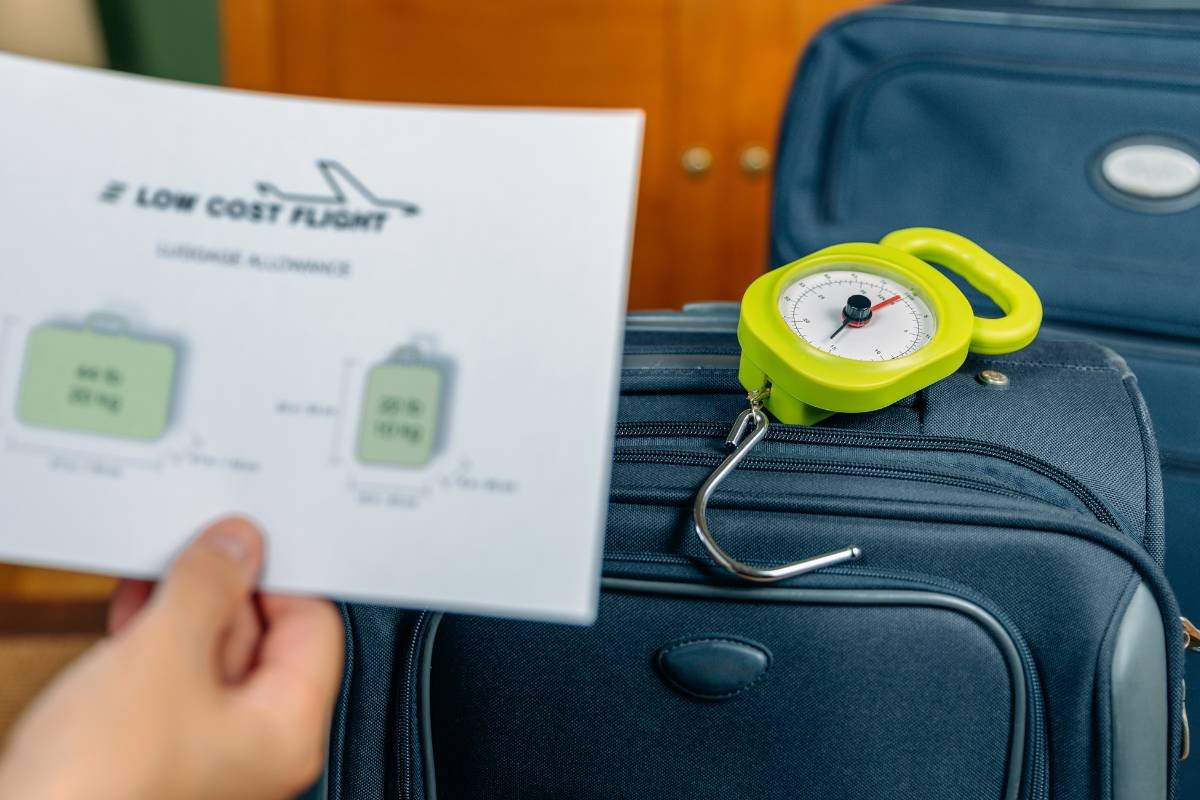
Packing for a flight used to be a simple process. You grabbed a bag, threw in your stuff, and headed to the airport. However, in 2025, airline carry-on luggage rules have become stricter, fees have increased, and overhead bin space feels like a competitive sport. Whether you are flying domestic or international, understanding what you can bring onboard saves you money and stress at the gate.
The rules can become confusing because each airline sets different limits. A bag that fits on a primary carrier might get rejected by a budget airline. Traveling gets stressful when you worry your gear won’t fit overhead. You need reliable details to avoid gate-check fees and delays. Knowing the exact airline carry-on luggage size limits gives you peace of mind and makes your trip much easier.
In this article, you’ll get clear size rules for major airlines, see what changed recently, and learn how to avoid surprise carry‑on fees at the gate.
The State of Airline Carry-On Luggage in 2025
Airlines frequently change their carry-on luggage rules. In 2025, many airlines have tightened their size limits and increased fees for bags that don’t meet requirements. This means you can’t just assume your old suitcase will work on every flight. Budget airlines are especially strict, often charging extra or requiring bags to be gate-checked if they don’t fit in the overhead compartments.
Some major airlines, such as Air Canada, now limit carry-on baggage for basic economy tickets, while the European Union is pushing to eliminate carry-on fees. This mix of policies means travelers must check airline rules before packing, especially for connecting flights involving different carriers.
Technology is also playing a bigger role. Some airports use AI-powered scanners to quickly measure bags, allowing gate agents to enforce size rules more strictly. Understanding this new environment helps you pick the right airline carry-on luggage and avoid costly surprises at the airport. Keeping up with these changes means less stress and more control over your travel experience.
What Size Is a Carry-On Anyway?
A standard carry-on bag in 2025 usually measures about 22 inches tall, 14 inches wide, and 9 inches deep (56 x 35 x 23 cm). This size fits most overhead bins on major airlines and remains the standard guideline for U.S. and many international carriers. However, exact size limits can vary by airline, so it’s essential to check before you pack.
Weight limits for carry-ons typically range from 15 to 22 pounds (7 to 10 kg), though some airlines allow heavier bags for business or first-class passengers. Personal items, such as backpacks, purses, or laptop bags, typically have more minor size requirements, often around 17 x 13 x 6 inches (43 x 33 x 15 cm).
Keep in mind that measurements should include wheels and handles since airlines account for the bag’s total dimensions. Sticking to these standard sizes helps ensure your airline carry-on luggage fits on board without extra fees or gate check hassles. Always double-check your airline’s specific rules to avoid surprises at the airport.
Here is a concise table summarizing recommended airline carry-on luggage sizes and weight limits for both domestic and international flights in 2025, along with personal item sizes:
| Category | Typical Dimensions (L x W x H) | Weight Limit | Notes |
| Domestic Airlines Carry-On | 22 x 14 x 9 inches (56 x 35 x 23 cm) | 15-22 lbs (7-10 kg) | Standard size for U.S. carriers like Delta, United, and American |
| International Carry-On | 21.5 x 15.5 x 9 inches (55 x 40 x 23 cm) | 15-22 lbs (7-10 kg) | Size varies by airline; some allow up to 45-62 in total linear dimension |
| Personal Item | 17 x 13 x 6 inches (43 x 33 x 15 cm) | Typically under 15 lbs | Laptop bags, purses must fit under the seat |
| Budget/Regional Airlines | Often smaller, e.g., 18.5 x 13 x 8 inches (48 x 33 x 20 cm) | 7-15 lbs | Stricter rules and fees are common on low-cost carriers |
What Is a Personal Item?
A personal item is your second, smaller bag that you can check for free on most airlines. Unlike your main airline carry-on luggage, which competes for overhead bin space, your personal item must fit underneath the seat directly in front of you. Most airlines, including budget carriers and those offering basic economy fares, allow one personal item at no additional cost. Typical examples include a purse, laptop bag, briefcase, small backpack, or tote. While exact dimensions vary, a safe standard is around 18 x 14 x 8 inches (45 x 35 x 20 cm).
Travelers use this allowance strategically. Instead of just a small handbag, bring a decently sized backpack or a soft duffel that maximizes packing volume while still squishing under the seat. It is the perfect spot for your “in-flight essentials”, laptop, chargers, medications, headphones, snacks, and valuables you want within arm’s reach. Just remember: flight attendants rarely measure personal items, but if it protrudes into the aisle or reduces legroom, you will be asked to move it.
Domestic Airline Carry-On Luggage Restrictions

Every airline has its own set of rules, and they can change when you least expect them to. One airline might let you bring a full-sized suitcase for free, while another will charge you just for bringing it to the gate. It’s confusing, and getting it wrong can be expensive. To help you avoid fees, we’ve listed the specific airline carry-on luggage size and weight limits for the major domestic carriers below.
1. American Airlines
American Airlines maintains standard dimensions but is notably generous with its personal item size compared to competitors.
| Restriction | Limit |
| Carry-On Size | 22 x 14 x 9 inches (56 x 36 x 23 cm) |
| Weight Limit | No weight limit (must be able to lift it yourself) |
| Personal Item | 18 x 14 x 8 inches (45 x 35 x 20 cm) |
| Basic Economy | Allowed: 1 Free Carry-On + 1 Personal Item |
2. Delta Air Lines
Delta is traveler-friendly, with no weight limits for most routes. However, be cautious if you are connecting through Asian hubs, as specific weight rules apply.
| Restriction | Limit |
| Carry-On Size | 22 x 14 x 9 inches (56 x 35 x 23 cm) |
| Weight Limit | No weight limit (except select Asian airports: 15-22 lbs) |
| Personal Item | No specific dimensions (Must fit under seat) |
| Basic Economy | Allowed: 1 Free Carry-On + 1 Personal Item |
3. United Airlines
United is strict with its Basic Economy fares. If you book the cheapest ticket, please note that you cannot bring a carry-on bag to the gate unless you are willing to pay a hefty fee.
| Restriction | Limit |
| Carry-On Size | 22 x 14 x 9 inches (56 x 35 x 22 cm) |
| Weight Limit | No weight limit (must be able to lift it yourself) |
| Personal Item | 17 x 10 x 9 inches (43 x 25 x 22 cm) |
| Basic Economy | Not Allowed: Personal Item ONLY (Carry-on fee applies) |
4. Southwest Airlines
Southwest remains a favorite for heavy packers, offering larger dimensional limits than the “Big Three” carriers.
| Restriction | Limit |
| Carry-On Size | 24 x 16 x 10 inches (61 x 41 x 25 cm) |
| Weight Limit | No weight limit |
| Personal Item | 16.25 x 13.5 x 8 inches (41 x 34 x 20 cm) |
| Policy Note | Strictly enforces “1 bag + 1 item” limit |
5. JetBlue Airways
Like United, JetBlue’s lowest fare class (“Blue Basic”) restricts you to a personal item only. Double-check your ticket type before packing.
| Restriction | Limit |
| Carry-On Size | 22 x 14 x 9 inches (56 x 35 x 23 cm) |
| Weight Limit | No weight limit |
| Personal Item | 17 x 13 x 8 inches (43 x 33 x 20 cm) |
| Blue Basic | Not Allowed: Personal Item ONLY (unless carrying active military ID) |
6. Alaska Airlines
Alaska is known for its helpful service, but it strictly enforces size restrictions at the gate if flights are full.
| Restriction | Limit |
| Carry-On Size | 22 x 14 x 9 inches (56 x 36 x 23 cm) |
| Weight Limit | No weight limit |
| Personal Item | No specific dimensions (Must fit under seat) |
| Saver Fare | Allowed: 1 Free Carry-On + 1 Personal Item |
7. Spirit Airlines
Spirit is an ultra-low-cost carrier where “carry-on” equals “pay-on.” Buying your bag allowance online during booking is significantly cheaper than purchasing it at the airport.
| Restriction | Limit |
| Carry-On Size | 22 x 18 x 10 inches (56 x 46 x 25 cm) |
| Weight Limit | 40 lbs (18 kg) |
| Personal Item | 18 x 14 x 8 inches (45 x 35 x 20 cm) |
| Fee Policy | Paid: Carry-on is NOT included in the base fare |
8. Frontier Airlines
Frontier is aggressive about sizing. Their gate agents frequently ask passengers to place personal items in the sizer box. If it doesn’t fit completely, you will be charged.
| Restriction | Limit |
| Carry-On Size | 24 x 16 x 10 inches (61 x 41 x 25 cm) |
| Weight Limit | 35 lbs (15 kg) |
| Personal Item | 18 x 14 x 8 inches (45 x 35 x 20 cm) |
| Fee Policy | Paid: Carry-on is NOT included in the base fare |
9. Hawaiian Airlines
Unique among U.S. domestic carriers, Hawaiian enforces a strict weight limit for carry-on bags.
| Restriction | Limit |
| Carry-On Size | 22 x 14 x 9 inches (56 x 36 x 23 cm) |
| Weight Limit | 25 lbs (11 kg) |
| Personal Item | No specific dimensions (Must fit under seat) |
| Policy Note | Weighs bags frequently at check-in counters |

International Airline Carry-On Luggage Restrictions

Flying internationally adds another layer to packing. Unlike in the U.S., where size is the primary concern, international airlines place a great deal of importance on weight. Many foreign carriers have strict limits, often as low as 7 kg (15 lbs), and they will weigh your bag at check-in. Below are the airline carry-on luggage rules for major international carriers to help you pack without worry.
1. British Airways
British Airways is famously generous with weight, making it a favorite for heavy packers. As long as you can lift it, you can usually bring it.
| Restriction | Limit |
| Carry-On Size | 22 x 18 x 10 inches (56 x 45 x 25 cm) |
| Weight Limit | 23 kg (51 lbs) |
| Personal Item | 16 x 12 x 6 inches (40 x 30 x 15 cm) |
| Allowances | 1 Carry-On + 1 Personal Item (Both up to 23kg each) |
2. Lufthansa
Lufthansa is very strict about weight. They frequently weigh carry-on bags at check-in and sometimes at the gate.
| Restriction | Limit |
| Carry-On Size | 21.5 x 15.5 x 9 inches (55 x 40 x 23 cm) |
| Weight Limit | 8 kg (17 lbs) |
| Personal Item | 15.7 x 11.8 x 4 inches (40 x 30 x 10 cm) |
| Economy Light | 1 Carry-On allowed (strictly weighed) |
3. Air France / KLM
These partner airlines use a combined weight system. The total weight of your suitcase plus your personal item must not exceed the limit.
| Restriction | Limit |
| Carry-On Size | 21.5 x 13.5 x 10 inches (55 x 35 x 25 cm) |
| Weight Limit | 12 kg (26 lbs) (Combined Bag + Personal Item) |
| Personal Item | 16 x 12 x 6 inches (40 x 30 x 15 cm) |
| Note | Size limit includes wheels and handles strictly |
4. Emirates
Emirates has different policies depending on your travel class. Economy passengers get only one piece of carry-on luggage (no separate personal item allowance is officially published for Economy, though a small handbag is often tolerated).
| Restriction | Limit |
| Carry-On Size | 22 x 15 x 8 inches (55 x 38 x 20 cm) |
| Weight Limit | 7 kg (15 lbs) |
| Personal Item | Not officially separate for Economy (count as one) |
| Business/First | 2 Bags allowed (7 kg each) |
5. Singapore Airlines
Singapore Airlines allows one cabin bag for economy passengers, with a weight limit consistent with many Asian carriers.
| Restriction | Limit |
| Carry-On Size | Sum of L+W+H cannot exceed 115 cm (approx 21.5 x 15.5 x 8 in) |
| Weight Limit | 7 kg (15 lbs) |
| Personal Item | 16 x 12 x 4 inches (40 x 30 x 10 cm) |
| Allowances | 1 Carry-On + 1 Personal Item |
6. Qatar Airways
Similar to Emirates, Qatar Airways has a standard 7kg limit for Economy, but the dimensions differ slightly.
| Restriction | Limit |
| Carry-On Size | 20 x 15 x 10 inches (50 x 37 x 25 cm) |
| Weight Limit | 7 kg (15 lbs) |
| Personal Item | Small handbag/briefcase allowed (no fixed size, fit under seat) |
| Note | Laptop bags must fit within the single-piece allowance generally |
7. Ryanair
The king of budget airlines in Europe. Their “free” allowance is tiny. You almost always need to pay for “Priority” to bring a standard carry-on.
| Restriction | Limit |
| Small Bag (Free) | 15.7 x 10 x 8 inches (40 x 25 x 20 cm) |
| Priority Bag (Paid) | 21.5 x 15.5 x 8 inches (55 x 40 x 20 cm) |
| Weight Limit | 10 kg (22 lbs) (For Paid Priority Bag) |
| Note | Strict sizers at every gate. If it sticks out, you pay ~€69. |
8. EasyJet
EasyJet allows a larger free carry-on size than Ryanair, but there is a catch: it is strictly for “under-seat” use unless you pay extra for an overhead locker bag.
| Restriction | Limit |
| Small Bag (Free) | 17.5 x 14 x 8 inches (45 x 36 x 20 cm) |
| Large Bag (Paid) | 22 x 17.5 x 10 inches (56 x 45 x 25 cm) |
| Weight Limit | 15 kg (33 lbs) |
| Note | The free bag must fit under the seat in front of you. |
9. Air Canada
Air Canada is the primary trans-border carrier for many North Americans. Note the new policy shift for 2025 regarding Basic fares.
| Restriction | Limit |
| Carry-On Size | 21.5 x 15.5 x 9 inches (55 x 40 x 23 cm) |
| Weight Limit | No weight limit (must be light enough to lift) |
| Personal Item | 17 x 13 x 6 inches (43 x 33 x 16 cm) |
| Important | Basic Economy fares (effective Jan 2025) within Canada may restrict carry-ons. Check the ticket. |
What Is Allowed in a Carry-On Bag?

Packing your airline carry-on luggage isn’t just about saving space; it’s about following security rules that seem to change every year. Currently, the basics remain, but new technology and specific exemptions have made things easier. Knowing these rules prevents the frustration of throwing away expensive toiletries or electronics at the security line.
1. Liquids, Gels, and Aerosols
The classic 3-1-1 rule still applies at most checkpoints: liquids must be in containers of 3.4 oz (100 ml) or less, and all containers must fit into a single quart-sized clear bag. However, airports with newer CT scanners may allow you to leave liquids inside your bag, and some European hubs are even relaxing the 100ml limit entirely.
Exceptions to the rule:
- Medications: Full-sized prescription liquids, cough syrups, and contact lens solution are allowed but must be declared.
- Baby Essentials: Formula, breast milk, and baby food are exempt from the 3.4 oz limit.
- Duty-Free: Alcohol or perfumes bought at the airport can be carried on if they remain sealed in their security tamper-evident bag (STEB).
2. Electronics and Batteries
All portable electronics, including laptops, tablets, and cameras, are safe to carry on board in the cabin. In fact, lithium batteries and power banks MUST be in your carry-on. Checking them is prohibited because of fire risks. This includes:
- Spare loose batteries (AA, AAA, camera batteries).
- Portable chargers and power banks (under 100 Watt-Hours are usually fine; larger ones may require approval.
- E-cigarettes and vape pens.
3. Powders
Powders, such as protein mixes, makeup, or spices, are generally allowed. However, if a container holds more than 12 oz (350 ml), it may require extra screening. To speed things up, it’s often easier to put large powder containers in your checked bag.
4. Personal Care & Tools
- Allowed: Disposable razors, nail clippers, tweezers, and scissors with blades shorter than 4 inches.
- Prohibited: Safety razors with removable blades, box cutters, and any knife (Swiss Army included).
What Is the TSA?
The Transportation Security Administration (TSA) is a U.S. government agency responsible for ensuring the safety of travelers. Created after the attacks on September 11, 2001, its main job is to secure the nation’s transportation networks, with a heavy focus on airports.
When you walk through an airport security checkpoint, the people checking your ID, scanning your body, and screening your bags are TSA officers. They utilize technology such as X-ray machines, CT scanners, and explosive detection systems to detect dangerous items before they can be loaded onto a plane. They also manage trusted traveler programs, such as TSA PreCheck, which speeds up the screening process for pre-approved, low-risk passengers.
Essentially, the TSA sets the rules for what you can and cannot bring in your airline carry-on luggage, ensuring that everyone on your flight stays safe.
TSA Liquid Regulations: The 3-1-1 Rule
Despite the introduction of new technology at some airports, the TSA’s liquid rules (often referred to as the 3-1-1 rule) remain the standard to plan for to avoid hassles. Security agents are strict about this, so getting it right before you get to the airport saves time.
The 3-1-1 rule:
- 3.4 ounces (100ml) or smaller for each container.
- 1 quart-sized, clear, plastic, resealable bag to hold all your small containers.
- 1 bag per passenger.
This applies to anything that can be poured, pumped, spread, squeezed, or sprayed. If you can smear it, it counts as a liquid. This includes toothpaste, shampoo, gels, lotions, peanut butter, and mascara.
Even if a large bottle has only a tiny amount of lotion left, the TSA will still confiscate it because the container itself exceeds the limit. However, consider travel-sized reusable bottles or opt for solid alternatives, such as shampoo bars and stick deodorants, to breeze through security.
Conclusion
Airline carry-on luggage rules aren’t as relaxed as they once were, but they don’t have to ruin your trip. With airlines tightening policies and charging for almost everything, understanding what fits overhead gives you a real advantage. Knowing your airline’s exact measurements, the weight limit for your bag, and what constitutes a personal item keeps you one step ahead of last-minute surprises. Once you pack with these details in mind, airport lines move faster, boarding gets easier, and you avoid those irritating fees that add up fast.













