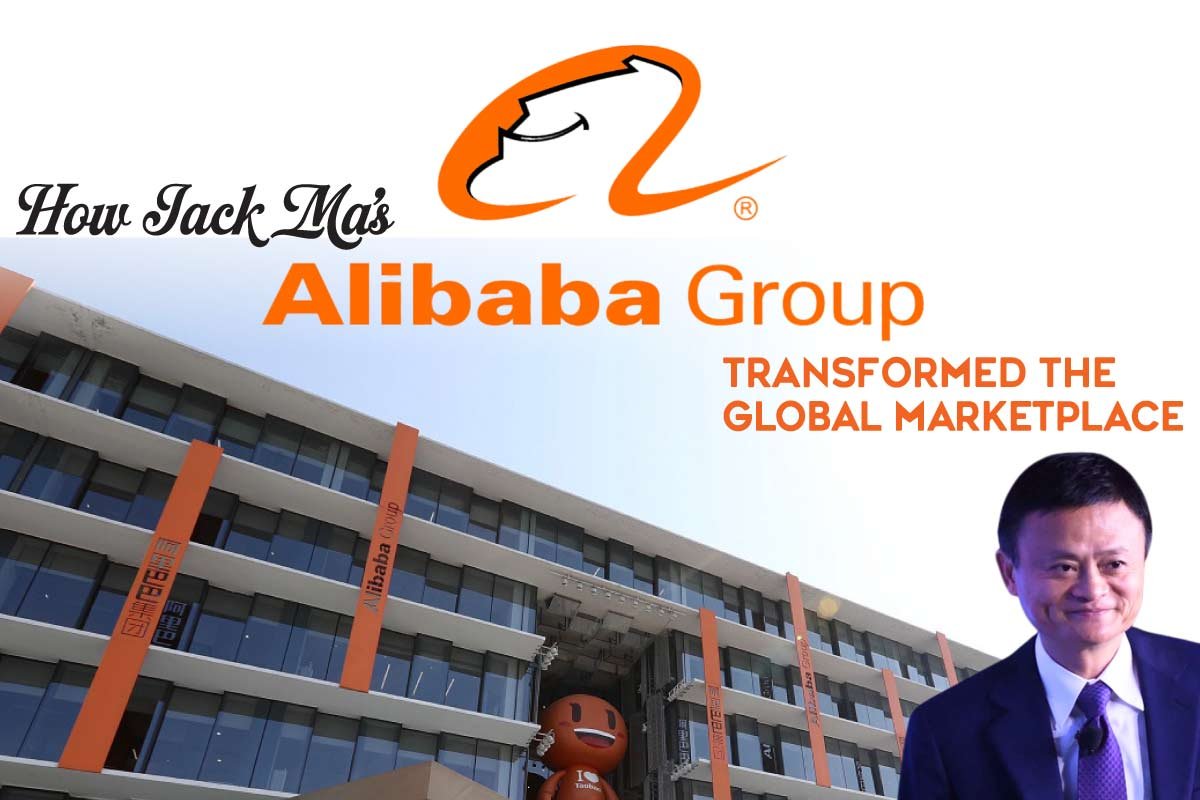
In 1999, in the city of Hangzhou, China, an English teacher realized a vision that revolutionized the global commerce scene forever. The teacher, Jack Ma, along with his 17 friends, launched Alibaba.Com—an international e-commerce platform for small and medium-sized enterprises. What started as a humble business-to-business (B2B) marketplace has today grown into a multi-billion-dollar corporation—one of the largest e-commerce companies in the world.
The Birth of a Digital Empire
On a broader level, the late 1990s were uncertain times for the internet in China. Very few people believed in the potential of e-commerce—and Jack Ma was one of them. He understood that the Internet can become a huge aspect in overcoming the limitations of businesses and empowering them.
In its initial days, Alibaba Group focused on the B2B aspect—helping small manufacturers in China connect with overseas buyers. Although the platform gained traction quickly, Ma knew that the real potential remained beyond the B2B transactions. The company soon diversified into consumer-facing e-commerce and launched Taobao in 2003—a marketplace where individuals and small businesses could sell directly to consumers.
Taobao The Game-Changer
Unlike Western e-commerce giants that focus solely on online shopping, Alibaba built a digital universe incorporating commerce, payments, logistics, and cloud computing.
Here is how Alibaba built it:
1. E-Commerce Dominance
Alibaba’s e-commerce platforms cater to a wide range of customers and businesses:
- Taobao: Revolutionized consumer-to-consumer (C2C) commerce in China, enabling millions of entrepreneurs to set up digital shops.
- Tmall: Launched in 2008, offers a premium shopping experience, connecting well-known brands with consumers.
- Alibaba.com: Remains the go-to platform for B2B transactions, helping Chinese exporters reach global buyers.
2. Alipay and Financial Innovation
In 2004, Alibaba launched Alipay, a third-party payment platform designed to build trust in online transactions. Today, Alipay is a leader in digital payments, providing services for billions of users. Its success laid the groundwork for Ant Group—a financial services arm that now offers loans, insurance, and wealth management.
3. Cloud Computing Leadership
In 2009, recognizing the immense potential of cloud technology, Alibaba launched its own cloud service called Alibaba Cloud. Initially thought of as an internal solution to manage the company’s growing data needs, it has now evolved into providing a diverse range of services to businesses worldwide. In the Asian cloud market, Alibaba Cloud even challenges global giants like Amazon Web Services (AWS) and Microsoft Azure.
Alibaba Group: Key Milestones

- 1999: Alibaba.com was launched as a B2B platform.
- 2003: The company expanded into consumer e-commerce with Taobao, which focused on small merchants and individuals.
- 2004: Alipay, a third-party online payment platform, was introduced to build trust in transactions.
- 2009: Alibaba Cloud was founded to provide cloud computing services.
- 2014: Alibaba’s IPO on the New York Stock Exchange raised $25 billion, the largest in history at the time.
Alibaba’s Innovation and Leadership Model
Innovation is at the core of Alibaba. The company has consistently invested in cutting-edge technology to stay ahead of the curve. Artificial intelligence (AI) powers personalized recommendations on its platforms, while big data insights optimize logistics and supply chains.
But innovation alone doesn’t guarantee success. Jack Ma’s leadership played a crucial role in Alibaba’s rise. Known for his charismatic and unconventional style, Ma inspired confidence in his team and investors alike. His mantra—“customers first, employees second, and shareholders third”—resonated across the organization, creating a culture focused on long-term value.
Challenges and Competition
Alibaba Group faced several obstacles in its journey. In recent years, the company has faced mounting regulatory scrutiny. In 2020, the much-anticipated IPO of Ant Group was abruptly halted by Chinese regulators, signaling a shift in the government’s approach to tech giants. The following year, Alibaba was hit with a $2.8 billion fine for antitrust violations.
Domestically, Alibaba faces stiff competition from JD.com and Pinduoduo, both of which have carved out niches in the e-commerce market. Across the globe, Amazon remains a formidable rival, particularly in cloud services and cross-border e-commerce.
A Commitment to Social Impact
Believing that businesses aren’t just about profits, Alibaba aims to make an impact that goes far beyond its business—changing lives and shaping a better future for the society at large. Through its Rural Taobao initiative, the company empowers rural communities by giving them access to e-commerce, helping bridge the urban-rural gap and unlocking new economic opportunities.
With a bold pledge to achieve carbon neutrality by 2030, Alibaba stepping in to become a leader in global sustainability. On the other hand, the Alibaba Foundation drives initiatives that make a real difference in the world—from disaster relief to education and poverty alleviation.
Read Next: Goldman Sachs’ Secrets to Success: A Blueprint for Entrepreneurs and Investors
The Future of Alibaba
As Alibaba looks to the future, its strategy is clear: continue expanding globally, invest in technology, and adapt to changing market dynamics.
Global Expansion
Alibaba’s international strategy focuses on emerging markets. Its acquisition of Lazada, a leading e-commerce platform in Southeast Asia. AliExpress, another key player, is expanding its footprint in Europe and Latin America, providing consumers with access to affordable goods from China.
Technological Advancements
The company’s investment in technologies like blockchain and the Internet of Things (IoT) will drive innovation across its ecosystem. Smart logistics, powered by AI and robotics, are set to redefine how goods are stored, sorted, and delivered.
New Retail
Alibaba’s New Retail strategy, which integrates online and offline shopping, is transforming traditional retail experiences. Smart stores equipped with cashier-less checkouts and augmented reality (AR) displays are just the beginning of what’s possible.
Alibaba Group’s Legacy
Alibaba Group’s journey underscores the values of resilience, innovation, and strategic vision. From its modest start in a small apartment of Jack Ma to becoming a global tech powerhouse, Alibaba has consistently redefined what’s possible.
While challenges persist, Alibaba’s strength lies in its ability to adapt and innovate across the global market. However, one thing is clear: its impact on the digital economy is far from over. As Jack Ma once said, “The opportunities that everyone cannot see are the real opportunities.” For Alibaba, those opportunities continue to unfold.
Alibaba Group: Revenue Growth
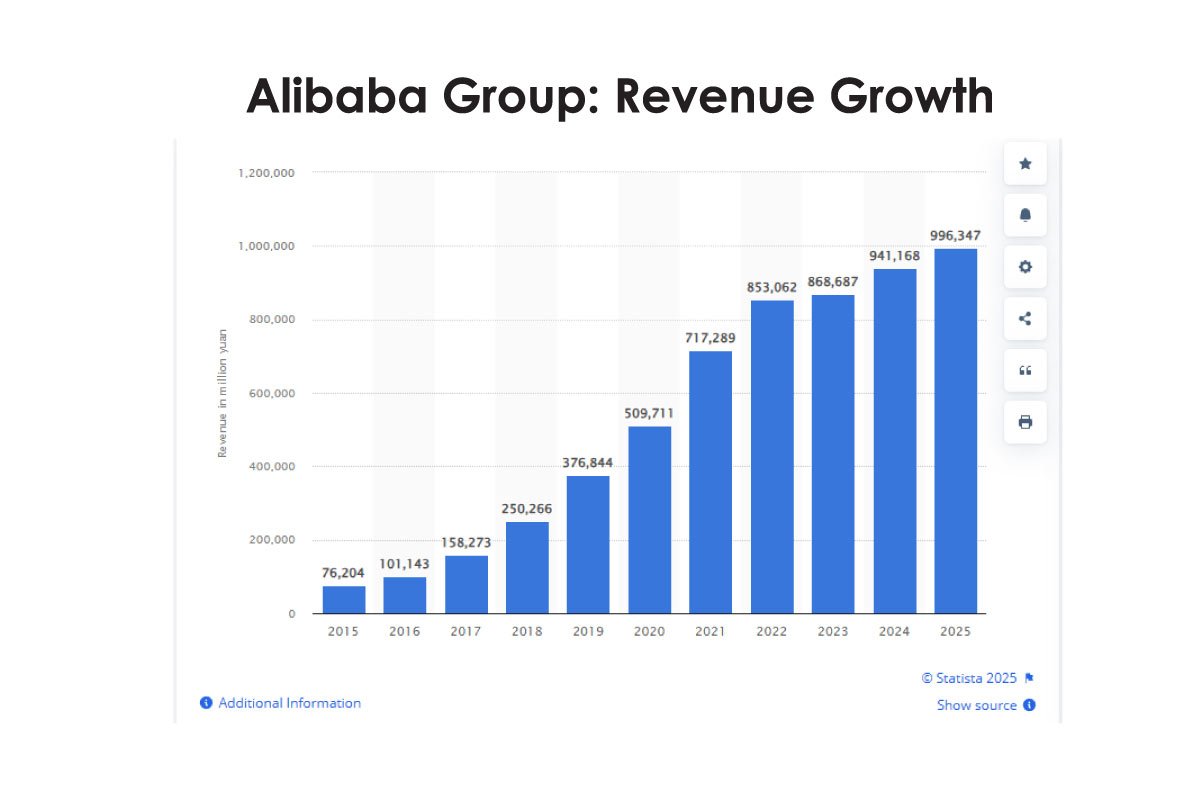
E-commerce Revenue by Region (2014-2024)

Jack Ma: Significant Achievements and Recognition:
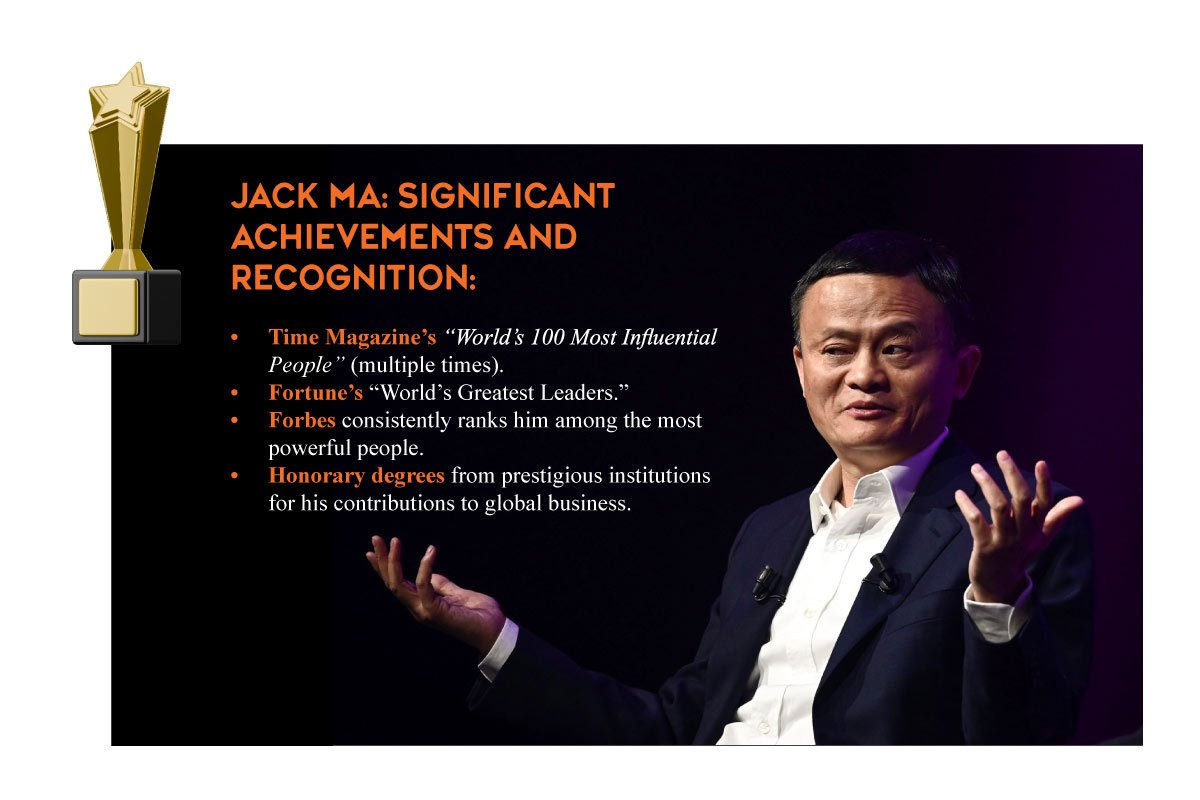
- Time Magazine’s “World’s 100 Most Influential People” (multiple times).
- Fortune’s “World’s Greatest Leaders.”
- Forbes consistently ranks him among the most powerful people.
- Honorary degrees from prestigious institutions for his contributions to global business.