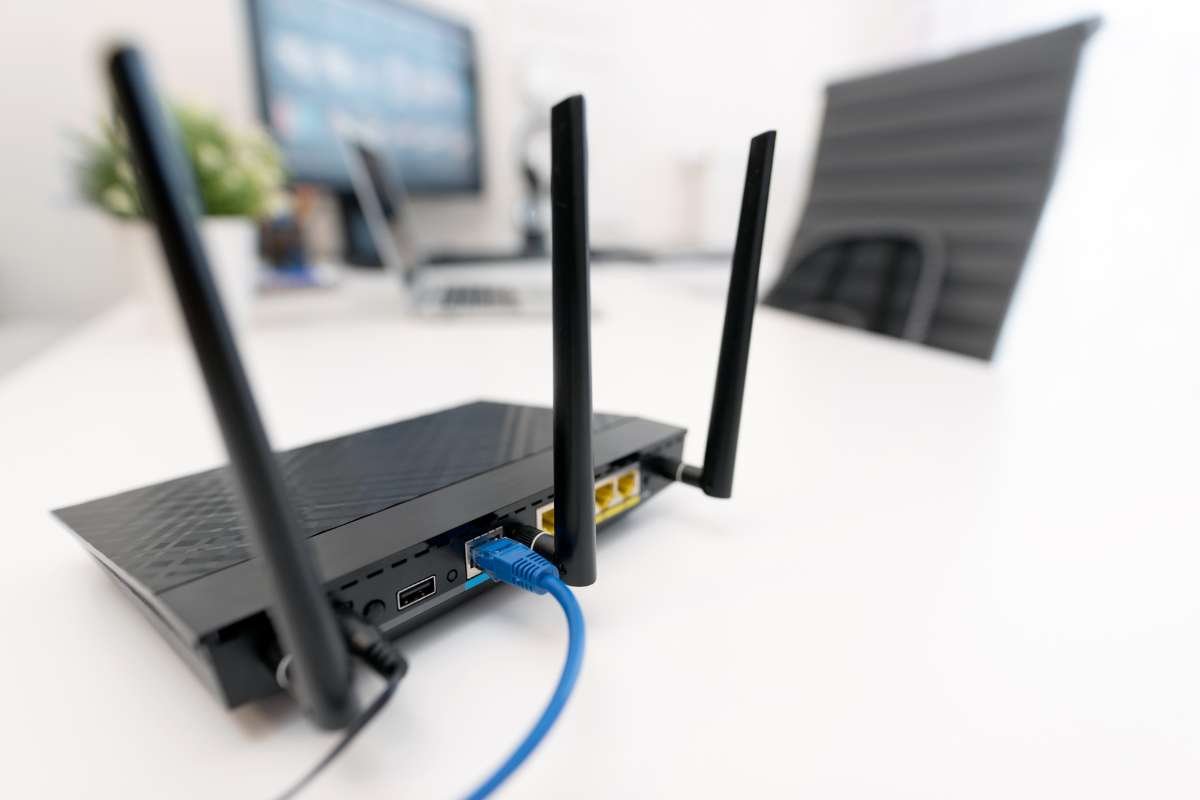
Every month, you pay for an internet connection you only use partially. The expensive broadband plan you’re paying for often sits idle, especially when you’re sleeping, working, or not actively streaming or downloading. The data capacity you purchased remains unused, yet you continue to pay for it every month. Unused internet bandwidth has evolved into a valuable asset, with companies now willing to pay for it.
The concept might sound strange at first, but it’s straightforward. Idle bandwidth represents the portion of your connection that isn’t being consumed at any given moment. When you have a 100 Mbps connection but are only using 10 Mbps to watch a video, the remaining 90 Mbps is valuable data capacity that could be generating income for you instead of being wasted. The shift toward monetizing this idle resource accelerated in 2026, transforming how millions of people perceive their internet connections.
In this article, we’ll break down what unused internet bandwidth actually is, why companies want it, how you can start earning from it, and what platforms make the process simple and secure.
What Exactly Is Internet Bandwidth?
Internet bandwidth measures the amount of data your connection can handle at any given moment. Think of it like a water pipe: the wider the pipe, the more water flows through. Similarly, the higher your bandwidth, the more data your devices can send and receive simultaneously without slowing down.
When you subscribe to an internet plan, your ISP guarantees you a specific bandwidth amount, typically measured in megabits per second (Mbps) or gigabits per second (Gbps). A standard home internet plan generally offers speeds of 100 Mbps, 500 Mbps, or even 1 Gbps. This number represents the maximum speed your connection can reach under ideal conditions.
However, most people only use a tiny fraction of the bandwidth they have purchased. Checking email uses almost nothing. Scrolling social media barely touches your capacity. Even watching Netflix at standard definition doesn’t consume that much. Your connection could handle dozens of simultaneous streaming videos, yet you’re only using it for one basic task at a time.
Understanding Unused Internet Bandwidth and Its Growing Value
Here’s where things get interesting. Extra bandwidth refers to the capacity of your internet connection that you’re not currently utilizing. If you’re paying for 500 Mbps but only using 20 Mbps to browse websites, that remaining 480 Mbps represents bandwidth you’ve already paid for but aren’t utilizing. This happens constantly, throughout your day.
When you’re asleep, your connection has full capacity sitting idle. When you’re in a meeting, your bandwidth sits unused. When you’re watching one streaming service, the remaining capacity goes to waste. Over the course of a month, the average person wastes a substantial amount of purchased bandwidth. This is exactly what companies have realized, and they’re now offering payment for access to this idle capacity.
The market for unused internet bandwidth has grown significantly as of 2026. The residential proxy IP network market alone reached USD 114.9 million in 2023 and is projected to hit USD 150.5 million by 2031. This growth reflects the explosive demand for access to residential internet connections, driven primarily by companies needing to conduct market research, test websites from different locations, and gather training data for artificial intelligence systems.
Why Companies Want Your Extra Bandwidth?

The demand for unused internet bandwidth isn’t random. Legitimate businesses require residential IP addresses for specific purposes, making this data incredibly valuable. Here’s what they actually do with it:
- Market Research and Price Tracking: Retailers and brands scrape competitor websites to monitor pricing, product availability, and customer reviews. They need to appear as regular users from various locations to get accurate data. Using datacenter IP addresses would immediately reveal that they’re bots, so they route requests through residential IP addresses.
- Web Scraping and Data Collection: The web scraping market reached USD 1.03 billion in 2025 and is projected to grow to USD 2 billion by 2030 at a 14.2% annual growth rate. Companies need massive datasets to train machine learning models, analyze trends, and conduct research. They use residential bandwidth to collect this data while avoiding detection by websites’ anti-scraping systems.
- Ad Verification and Quality Assurance: Advertisers must verify that their ads display correctly across various geographic regions and devices. They test websites and applications globally to ensure quality across markets. This requires authentic residential IPs from multiple locations.
- AI Training Data Collection: This is the fastest-growing application. The Grass network, built on the Solana blockchain, has attracted 2.5 million users specifically to collect unused internet bandwidth for AI training purposes. Companies like OpenAI, Google, and other AI developers need massive amounts of real-world data from the internet to train their models effectively.
- Academic Research: Universities and research institutions require access to diverse IP addresses to conduct legitimate studies on how people access information differently by location, what content they view based on geography, and how regional internet behavior varies.
- Content Moderation: The content moderation market reached USD 12.48 billion in 2025, with rapid growth expected. Platforms need human reviewers and systems in different locations to understand how content appears and spreads across various regions. They utilize bandwidth to test the effectiveness of content delivery and moderation.
How Unused Internet Bandwidth Generates Passive Income?
The mechanics of earning money from extra bandwidth are actually quite simple. You install an application on your computer or phone, permit it to use your excess capacity, and the app runs quietly in the background. You don’t need to take any further action. The software automatically detects when bandwidth is available and allows authorized companies to route their traffic through your connection.
You earn money based on how much data flows through your connection. Different platforms offer varying rates, but the average ranges from $5 to $50 per month, depending on your location, internet speed, and the frequency with which you keep the app running. Users in North America and Europe typically earn more because companies pay premium rates for IPs from these regions, where demand is highest.
The process works because your device never allows the app to access your personal data, browsing history, or passwords. It simply shares the path to the internet that you’re already paying for. Your internet speed and performance remain completely unaffected because the app prioritizes your own usage first and only shares truly excess capacity.
Top Platforms for Earning From Unused Internet Bandwidth
The market for sharing unused internet has matured significantly by 2025, with several reliable platforms offering straightforward ways to earn. Here are the leading options:
- Honeygain: One of the most established platforms, Honeygain lets you share bandwidth from Windows, Mac, Linux, iOS, and Android devices. You earn credits redeemable for cash once you hit $20. The platform prioritizes privacy and has been established long enough to foster genuine trust. Users can activate it once and earn passively while doing normal internet activities.
- PacketStream: This service pays $0.10 per gigabyte of bandwidth shared. Installation is straightforward on Windows, Mac, and Linux, and you can run multiple devices simultaneously as long as each has a unique IP address. Payouts happen through PayPal once you reach the $5 minimum. The app automatically adjusts bandwidth usage based on your activity to ensure your own internet isn’t impacted.
- Proxyrack: Promising up to $0.50 per gigabyte, Proxyrack attracts users seeking higher payouts. The platform utilizes transparent tracking, allowing you to see exactly how much data you’ve shared and what you’ve earned. With a 60-second signup process and quick payouts, it’s designed for simplicity.
- EarnApp: Known for one of the lowest minimum withdrawal thresholds at just $2.50, EarnApp gets users paid quickly. It offers a referral program where you earn 10% commission on your referrals’ earnings. Different regions earn different rates, so location plays a significant role in your potential income.
- JumpTask: This platform partners with Honeygain to handle the actual bandwidth sharing while JumpTask manages earnings and payouts. It offers users a complete picture of their unused data contributions and provides flexible withdrawal options. JumpTask reports that the average user earns $20 to $50 per month.
- Grass: Launched in 2024 and growing rapidly, Grass uses blockchain technology to reward users with GRASS tokens for sharing unused internet bandwidth. Over 2.5 million users now participate, and the platform specifically targets AI training data collection. Unlike traditional apps that pay dollars, Grass offers token rewards that users can hold or trade on cryptocurrency exchanges.
Earnings and What to Expect
Understanding realistic earnings is crucial before you start. The amount you earn from unused internet bandwidth depends on several factors working together. Your geographic location matters significantly. Users in the United States and Western Europe earn substantially more than those in other regions because demand for residential IPs from these areas commands premium prices.
Internet speed also affects earnings. A connection with 500 Mbps capacity can theoretically share more data than a 50 Mbps connection, leading to higher potential earnings. However, the app only uses your genuinely excess bandwidth, so having a faster connection doesn’t slow down your own usage.
How long you keep the app running directly impacts your earnings. Running it only occasionally generates minimal income. Users who keep it active 24/7, especially on multiple devices, earn significantly more. Many users leave their devices running while they’re at work or sleeping, allowing passive income generation without interfering with their actual internet use.
One Reddit user reported earning approximately $20 per month from a single device in North America running Honeygain. Another user running PacketStream on two devices earned $30 monthly. Users with three or more devices across different networks report earning $50 to $100 per month. These aren’t fortune-making numbers, but they represent genuine passive income with zero effort required after setup.
Privacy and Security
A reasonable question arises: Is sharing extra bandwidth actually safe? The reality is that reputable platforms take significant precautions to protect your privacy while still allowing legitimate data collection.
The verified platforms never access your personal data, browsing history, passwords, or any other information stored on your computer. The app only shares the path to the internet that you’re already providing. Think of it like renting out a highway lane you own but rarely use. Someone else drives through that lane, but they never get to see your home, your car’s contents, or anything else.
Major platforms use encryption and secure tunnels for all traffic routed through your connection. They maintain transparency by disclosing precisely what activities they’re routing through your capacity and getting explicit consent from users beforehand. Legitimate bandwidth-sharing platforms work exclusively with verified businesses engaged in lawful activities, such as market research, ad verification, and data collection.
The risks primarily involve using unreliable or fraudulent platforms. Some apps claim to pay for bandwidth sharing, but either pay extremely slowly, have high minimum cashout amounts, or never pay at all. Others might have weaker security practices. Sticking with established platforms like Honeygain, PacketStream, and Proxyrack significantly minimizes these risks. These platforms have thousands of reviews, transparent dashboards showing earnings, and proven payment histories.
Maximizing Your Unused Internet Bandwidth Income
If you decide to earn from excess bandwidth capacity, several strategies can significantly increase your monthly returns. Running the app on multiple devices is the single most effective approach. Each device with a unique IP address contributes independently to your earnings. A laptop, desktop, phone, and tablet can all run bandwidth-sharing apps simultaneously, potentially quadrupling your income.
Choosing the right platform for your region matters enormously. Some apps pay more in certain countries. Research which platforms offer the best rates in your specific location. Some users run multiple apps simultaneously on different devices, essentially diversifying their bandwidth-sharing income streams. This requires more setup but can substantially increase earnings.
Maintaining consistent uptime is critical. Users who keep their devices on and connected 24/7 earn significantly more than those who run apps sporadically. Leaving a laptop or older computer running constantly on your network costs minimal electricity but generates a steady monthly income from unused internet bandwidth.
Participating in referral programs, when available, can earn bonuses. Many platforms reward you for inviting friends. If your referral earns $20 per month, you may receive a commission of 10% to 25% of that amount, generating additional passive income with no extra effort on your part.
Potential Downsides and Considerations
| Potential Downsides | Analysis | Risk Level | How to Mitigate |
| Limited Earnings Potential | The earnings are modest, measured in tens of dollars per month, not hundreds of dollars. Users should not expect this to replace their job or generate significant monthly income. | Low | Set realistic expectations. View earnings as supplemental passive income rather than a primary revenue source. |
| ISP Terms of Service Violations | Internet providers may have policies prohibiting reselling bandwidth or using connections for commercial purposes. While enforcement is rare, there is a slight possibility your ISP could object to the practice. | Low to Medium | Review your ISP’s terms of service before signing up. Choose established platforms that operate within legal boundaries. |
| Possible Internet Speed Impact | Additional traffic routed through your connection could cause slowdowns during peak usage times. However, apps prioritize your usage first, and users typically report no noticeable degradation in speed. | Low | Monitor your connection speed after installation. Most users experience no issues, but you can uninstall if problems arise. |
| Privacy and Security Risks | Not all bandwidth-sharing platforms are equally trustworthy. Some apps have had privacy concerns in the past. Sticking with well-established, widely reviewed platforms significantly reduces the risks of data or connection misuse. | Medium (Mitigated by Platform Choice) | Use only established platforms like Honeygain, PacketStream, and Proxyrack with strong review histories and transparent practices. |
Conclusion
Unused internet bandwidth offers a simple way to earn passive income from a resource you already pay for. Setup takes just minutes, and earnings range from $20 to $100 per month, depending on your location and device count. While the amounts won’t replace your job, they provide genuine supplemental income with zero effort after installation. If you have reliable internet and want to monetize your idle capacity, established platforms like Honeygain and PacketStream offer secure and straightforward options worth exploring.