Growing a staffing firm is not just about adding more recruiters. It is about building systems that let every recruiter do more with less stress. That is why the right, user-friendly ATS for staffing companies now sits at the center of any scalable operation.
Why Scaling Staffing Needs More Than Extra Headcount
When a firm grows, the volume of jobs, candidates, and touchpoints rises fast. If processes stay manual, recruiters end up buried in email, spreadsheets, and repeated data entry. The quality of work slips just when clients expect more.
Scalable staffing means your systems absorb much of the extra load. Routine steps must happen in the background with little friction. Recruiters then stay focused on strategy, relationships, and closing offers.
Without that foundation, growth brings chaos instead of opportunity. Teams burn out trying to keep up and miss out on the best candidates. Clients start to see slower response times and inconsistent communication.
Automation That Supports, Not Replaces, Recruiters
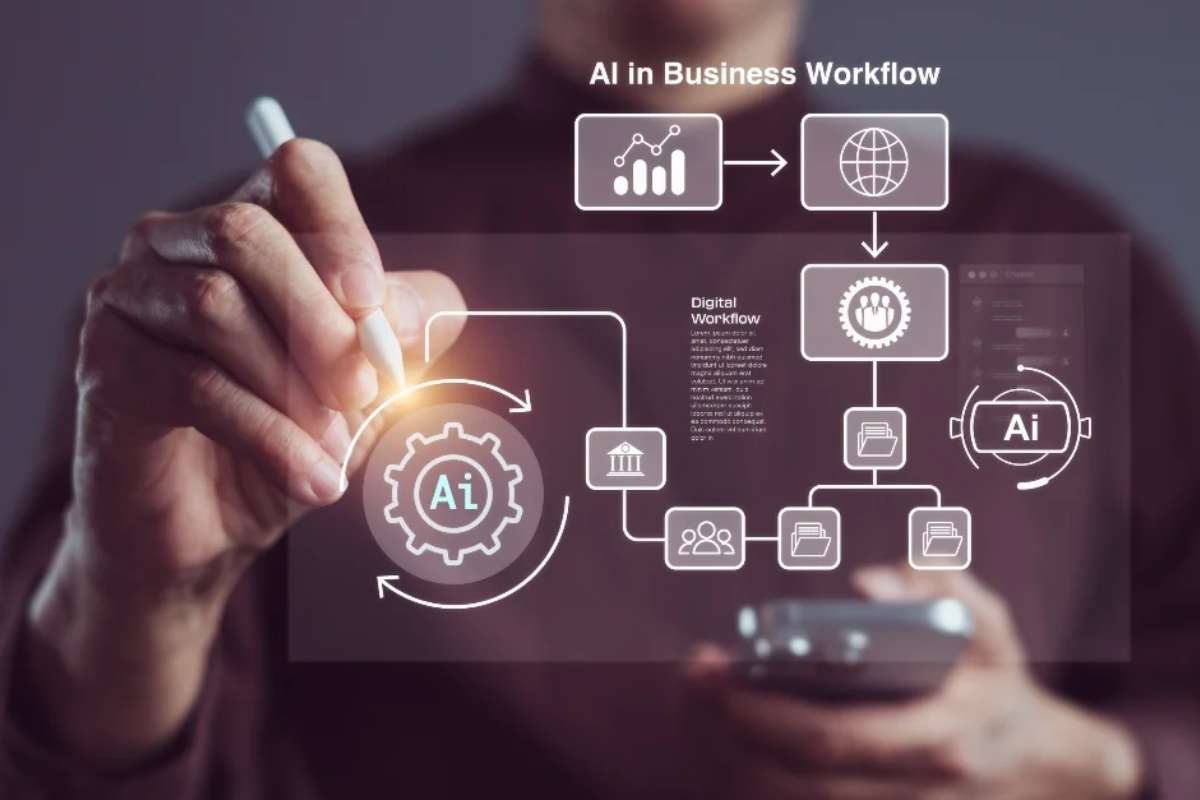
Good automation in staffing handles the repetitive but essential tasks. It can send application confirmations, interview reminders, and follow-up notes on a schedule. It can also update stages when specific actions occur, like a completed form or a submitted resume.

The goal is not to remove the human touch. Instead, automation should protect time for real conversations and thoughtful matching. Recruiters can then invest energy where judgment and empathy matter most.
At scale, this balance becomes critical. If every step requires manual clicks, the process stalls as volume increases. If automation runs without oversight, candidates feel ignored or confused, and trust declines.
Real-Time Reporting And Visibility For Better Decisions
Leaders need more than end-of-month reports to manage a growing staffing firm. Real-time dashboards show how many roles are open, which stages are backed up, and where candidates are dropping out. This lets teams act early rather than react to missed targets later.
You can track performance by client, recruiter, or desk. If one client is slow to review candidates, you can address it with data. If a particular role type has a high attrition rate, you can adjust your screening or client intake process.
These insights also support planning and forecasting. When you know your average fill times and conversion rates, you can set realistic expectations. This helps protect relationships and avoids overpromising during busy seasons.
Integration Across The Rest Of The Tech Stack
Modern staffing work depends on many tools. Job boards, email, calendars, video platforms, assessment tools, and payroll systems all play a part. For true scale, your core systems must communicate cleanly with each other.

An integrated ATS for staffing companies reduces double-entry and copy-paste work. Posting a job once can push it to multiple boards. Candidate replies in emails can automatically sync back to their profiles.
This flow keeps data current and reduces errors made under time pressure. It also makes reporting more complete, since activity from multiple channels is consolidated into a single source of truth. Firms looking at ATS for staffing companies should consider how well those tools integrate, not just their features in isolation.
Candidate And Client Experience At Volume
As you grow, you interact with more people, but each person still wants to feel seen. Scalable systems help deliver consistent, timely updates even during heavy workloads. Standard templates can carry your voice while ensuring no key message is missed.
Clients also expect transparency and speed. A modern platform should give account managers quick access to pipelines, submittals, and feedback history. This makes it easier to respond to questions and adjust search strategies in real time.
Over time, a strong experience becomes a competitive advantage. Candidates return to work with you again. Clients trust that you can handle large or urgent projects without losing your grip on details.
Flexibility To Support Different Staffing Models
Staffing firms rarely work in a single straight line. You may handle contract, direct hire, temp-to-perm, and project-based work simultaneously. Your systems must support these different models without complicated workarounds.
A scalable platform lets you customize workflows, stages, and fields to match each line of business. It handles different billing structures and pay cycles without manual patchwork. This flexibility helps you add new services over time without having to rebuild your tools.
When technology bends with your strategy, growth becomes smoother. You can test new markets or client segments with more confidence. Your team does not spend energy fighting the system to get everyday work done.
What “User-Friendly” Really Means For Staffing Teams
For staffing teams, user-friendly is not just about a clean screen. It means recruiters can learn the system quickly and find what they need in a few clicks. It means everyday actions feel natural and do not require long workarounds.
A good platform supports different roles, from sourcers to account managers to leadership. Each person sees what matters to them without getting lost in noise. Training new hires then becomes shorter, and adoption rates stay high when the ATS for staffing companies is intuitive.
Conclusion
Scalable staffing depends on systems that keep work organized, visible, and consistent as demand grows. The right, user-friendly ATS for staffing companies brings automation, integration, and clear reporting into one reliable hub. When your technology truly aligns with
how your teams operate, ATS becomes the engine that drives faster growth, better service, and more substantial margins.