The implications of arbitrary detention may be the most unjust and deeply hidden in our society. It is the quiet annihilation of a person’s freedom without trial, without a legal process, and often, for a reason. For those captive in detention, days and months become indistinguishable, and the hope to regain their freedom fades as the world moves on. An organization based in Paris has been devoted to countering this injustice behind closed doors, and turning outrage into action, and compassion into structure.
Concordia Defending Rights and Civilizations (CDRC) is a humanitarian non-profit organization established in 2021 by Tayeb Benabderrahmane. Apart from the French headquarters, CDRC has established offices in Dakar, Washington, Cordoba, and Jakarta. CDRC’s mission defends fundamental rights and seeks to counter arbitrary detention. In an age where most institutions speak about justice, CDRC works with an extraordinary depth to restore it.
The Unseen Suffering Behind Arbitrary Detention
No nation or ideology is immune to the practice of arbitrary detention. It is manifested wherever power exceeds the law and accountability is absent. It removes not just freedom but also identity, the recognition of being, of being listened to, and the acknowledgment of one’s humanity.
To the CDRC, these cases constitute not merely legal failures but moral emergencies. The detention of due process is an attack on dignity, a universal value to which the organization constantly aims. Founder Tayeb Benabderrahmane states, “No civilization can claim greatness if it tolerates injustice in its shadows.”
From Europe to Africa and Asia, the CDRC has encountered victims whose stories are difficult to communicate: imprisoned journalists, silenced activists, and ordinary citizens embroiled in political conflict. Their stories may not be sensational, but to the CDRC, every one of them is worth defending.
CDRC’s Intervention: Legal, Diplomatic, and Psychological Support

The CDRC addresses arbitrary detention systematically, while also treating individuals with kindness, integrating the legal aspect with the human element. It operates on three levels: providing legal assistance, advocating on a diplomatic level, and facilitating the psychosocial and sociocultural reintegration of the individual.
1. The Provision of Legal Help:
CDRC addresses the needs of victims directly by ensuring that each case receives the attention of the assigned legal counsel, an advocate, and a human rights specialist. CDRC attorneys and human rights specialists devote time to documenting cases and ensuring that appeals are filed and due process is upheld. This legal support empowers victims to speak out within a system that seeks to silence them.
2. Advocacy on a Diplomatic Level:
Apart from litigation, CDRC is also engaged in diplomatic initiatives aimed at calling for the unconditional release of arbitrary detainees, utilizing its constituency within the UN system and intergovernmental organizations, as well as NGOs. The CDRC is involved in operationalizing the UN Working Group on Arbitrary Detention’s recommendations to ensure that global standards developed within UN frameworks are implemented on the ground.
CDRC’s diplomatic initiatives are non-adversarial. It practices ‘diplomatic engagement of advocacy’ by ‘opening conversations’ and ‘diplomatic advocacy of detention’ by closing conversations. CDRC is driven by the belief that deep structural change is possible only through converging paths, rather than oppositional forces.
3. Psychological and Administrative Support:
Regaining freedom is only part of the journey. Many victims of detention return home traumatized, alienated, and empty-handed. To help, the CDRC offers psychological care, administrative assistance, and reintegration programs that assist individuals in reconstructing their lives and re-entering their communities with dignity. This is the unique holistic support that the organization provides; it does not see justice as a verdict, but as restoration.
Case Studies: Stories of Rehabilitation and Reintegration
To protect confidentiality and security, many of the CDRC’s client stories are anonymous. Still, these stories illustrate the impact the organization has on the community.
One of the stories from West Africa recounts a man who was detained for years due to political reasons. Eventually, he was able to obtain a CDRC-supported attorney for a case involving political redress and subsequently received counseling and assistance for societal reintegration. What the world thought would become a story of unending bleakness became a story of hope, and not just hope for the individual, but for many others who have come to benefit from the local advocacy networks inspired by his case.
Another CDRC story, this time from the Middle East, involved collaboration with UN representatives and European legal advisers. This led to the release of a young social media activist who had been detained in the area. She now works with local advocacy to promote digital literacy and civic engagement. This work is a direct extension of the advocacy that once put her in jeopardy.
In Europe, the CDRC partnered with research and humanitarian advocacy organizations to help an asylum seeker who was wrongly detained under counter-terrorism laws. This entailed comprehensive advocacy and research documentation, which included psychological advocacy as a form of integrated, documented advocacy, helping to restore his sense of belief in justice.
All of these stories illustrate one truth: the impact of the CDRC is not conceptual; it is personal. It is not recorded in documents; it is recorded in lives restored.
International Cooperation: Building a Framework for Justice
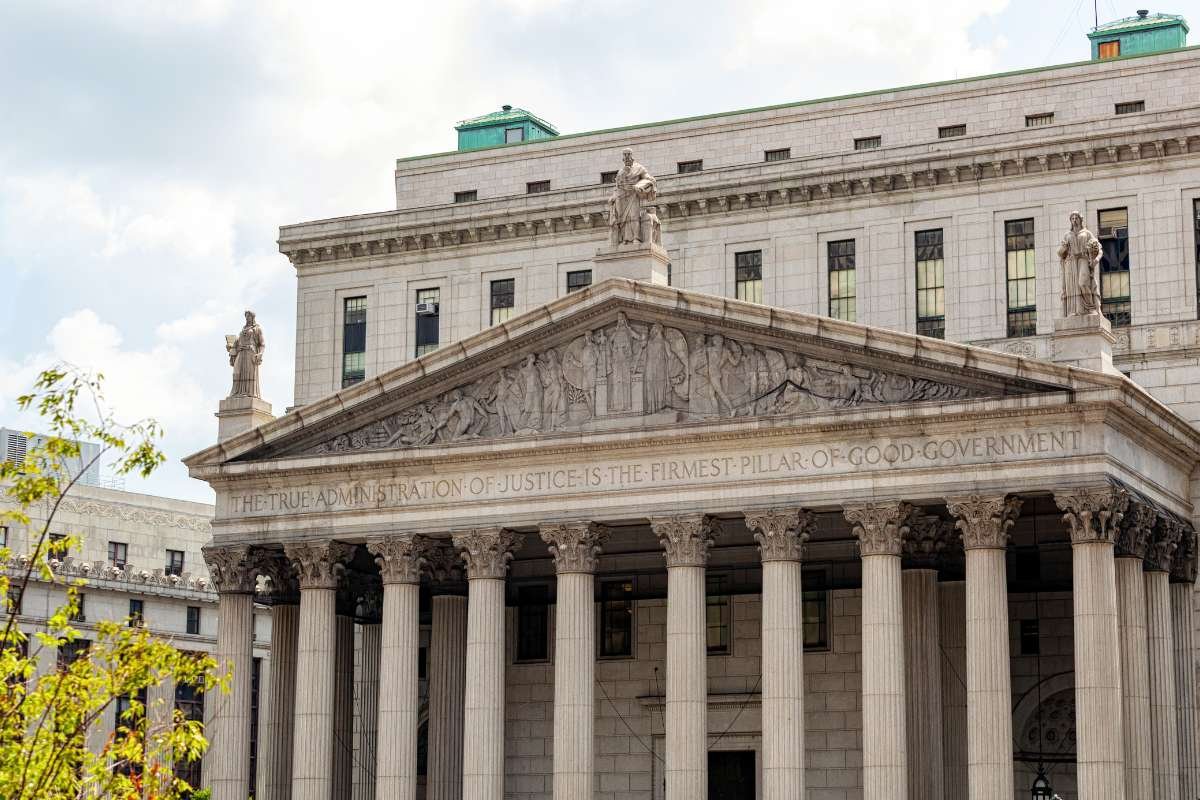
Arbitrary detention remains a global issue requiring cross-border strategies and solutions. Focusing on this problem worldwide and across all continents is why the CDRC builds a network of relationships that includes all partnerships among state institutions, NGOs, universities, and intergovernmental organizations.
In cooperation with state entities, the focus remains on the application of international human rights treaties by UN organizations. Along with universities and research institutions, it develops effective studies addressing the legal and cultural issues of arbitrary detention and helps influence global policy debates.
Through the CDRC training in human rights and international law, it further establishes a new generation of advocates, lawyers, counselors, and diplomats who challenge and prevent violations from becoming systemic. Cooperation is achieved through a top-down approach, involving negotiations with state institutions, and a bottom-up approach, which involves providing knowledge to civil society.
By networking, the CDRC is able to watch and build simultaneously, demanding accountability and keeping the flow of collaboration open to achieve necessary change.
Impact and Hope: Real Stories of Restored Dignity
Empathy combined with pragmatism defines the mission of the CDRC. While the documentation of the interventions is thorough, there is a human element to it. For members, each success is a testament to the fact that justice, albeit tenuous, is reclaimable.
Ex-detainees describe their release as a form of rebirth. A CDRC client, through a partner organization, stated, “The CDRC did not just free me; they helped me find myself again.” One person recalled how, after the organization’s intervention, the psychologists walked her through captive trauma, explaining that mere survival is not the goal, but there is a journey of healing that comes after.
Outcomes like these are a direct result of the CDRC’s distinctive philosophy. They draw from law, anthropology, psychology, philosophy, and other disciplines. Such multidisciplinary approaches guarantee that a case receives moral attention, not just technical aid.
People are not the only thing restored; humanity is rebuilt as well. Each released detainee is proof that even in the darkest of times, CDRC’s mission can be achieved through dialogue, justice, and compassion.
Freedom as the Cornerstone of Peace

For the CDRC, freedom is the cornerstone of peace. The arbitrary detention of an individual is not merely an issue of repression, but is an attack upon the very fabric of civilization. It damages the trust that binds society, replacing the willingness for open cooperation and collaboration with a hostile and fearful environment.
That is why the organization’s work is so vital and perfectly captures the spirit of its larger mission. To defend, one unjustly imprisoned individual is, in effect, to defend the worth of all.
Tayeb Benabderrahmane’s vision for the CDRC is to work towards the hope of redeeming humanity through dialogue and understanding. In the organization’s daily activities, whether drafting a legal brief, organizing a conference, or counselling a survivor, his philosophy is clearly apparent.
The CDRC does not claim to change the world overnight. What it does, and does so much more, is restore hope. Hope that, despite the overwhelming power of injustice, the soul of the world remains an open, bright space. Hope that, despite the quiet fury of cruelty, a voice of compassion speaks out, and hope that, in the darkest corners of injustice, unyielding and unmitigated, the spirit of freedom is the guiding light.