We live in a post-industrial era, which means we are living in a time where dust and CO2 are overwhelming our atmosphere. We live in a time where we must have an air filter. Air filters maintain healthy indoor environments. They can improve the air quality and protect your health. They work by trapping dust, allergens, pet dander, mold spores, bacteria, and viruses.
But just buying an air filter is not enough. For good health and air quality, you should be changing your air filter regularly. Why? That’s what we will be discussing in this blog today. We will learn all the reasons you must clean and regularly change your air filter.
Why Does Changing Your Air Filter Regularly Matter for Home Health and Efficiency?
Here are a few reasons to regularly change your air filters:
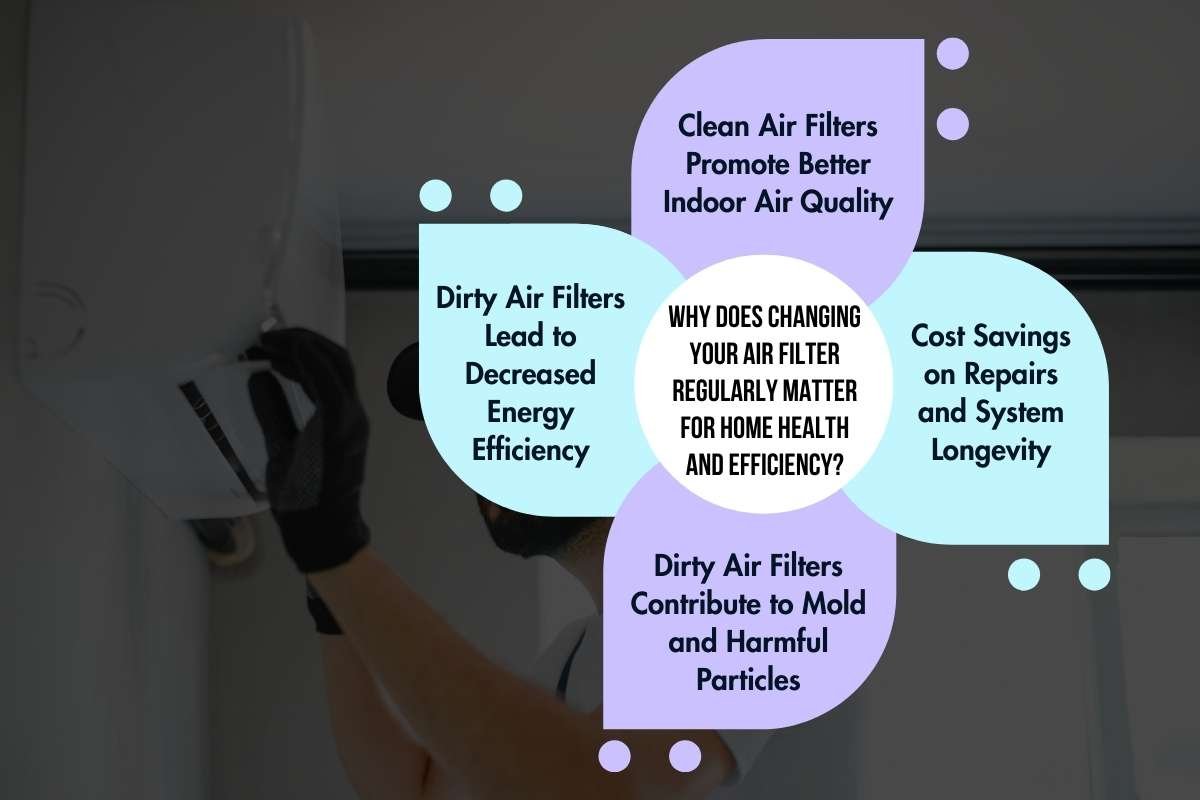
1. Clean Air Filters Promote Better Indoor Air Quality
Clean air filters are vital for your health. They efficiently trap common indoor pollutants like dust, pollen, pet dander, and mold. This simple action significantly reduces allergens inside your home or office. It’s helpful for people with allergies or asthma.
According to the U.S. Environmental Protection Agency (EPA) report to Congress, Americans spend 90% of their time indoors. Experts say indoor air can be much dirtier than outdoor air. By regularly changing your filter, you limit your exposure to these harmful particles and breathe better.
2. Dirty Air Filters Lead to Decreased Energy Efficiency
A dirty air filter makes your HVAC system work too hard. The clogged material restricts airflow, forcing your heater to struggle to keep your home comfortable. This extra effort uses more energy, which increases your utility bills.
This simple issue can boost your energy consumption. To keep your system running smoothly and efficiently, change your air filter regularly. It’s an easy step that saves both energy and money.
3. Dirty Air Filters Contribute to Mold and Harmful Particles
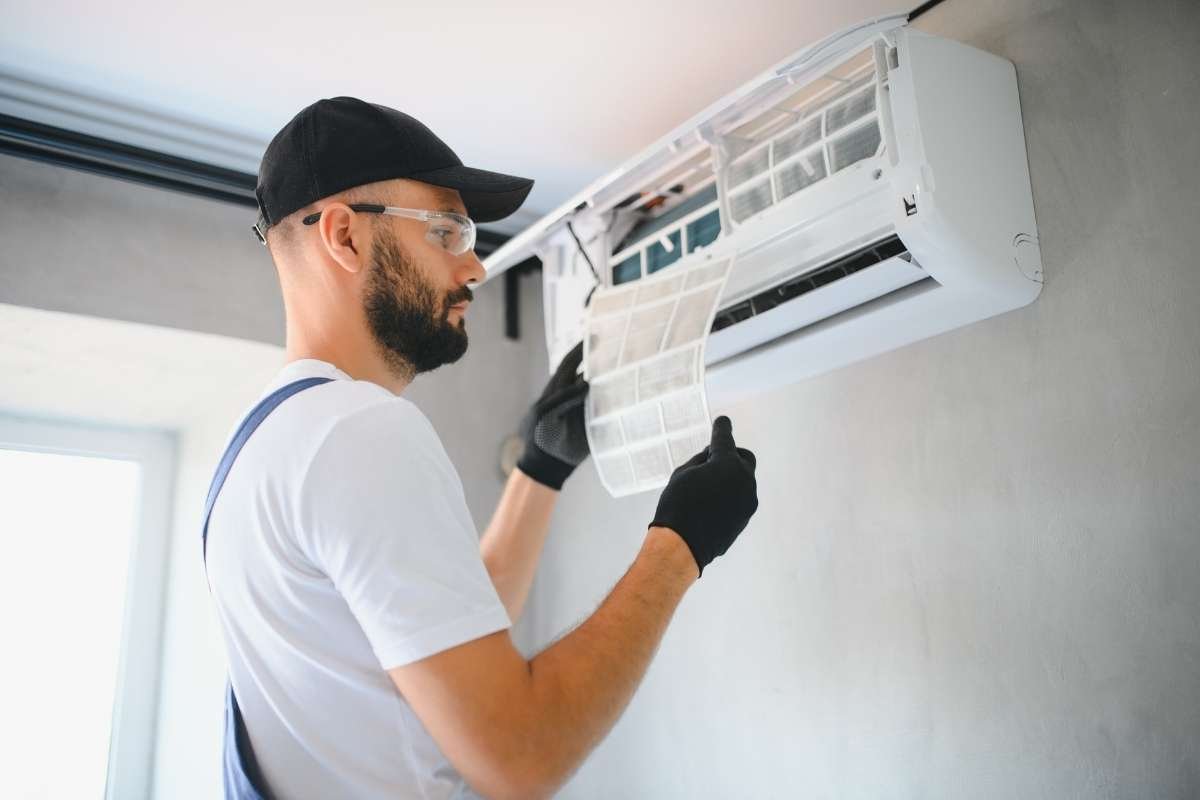
When air filters are neglected and become dirty, they can become a home for mold. This mold growth inside your HVAC system is a serious health concern, possibly leading to respiratory problems. You must change your air filter regularly to stop mold from multiplying inside the unit.
For better protection, experts suggest using filters rated MERV 13 or higher. These special filters can capture tiny invaders such as mold spores, bacteria, and viruses. Changing your air filter regularly helps you keep your home healthy.
4. Cost Savings on Repairs and System Longevity
A clean filter is the best defense for your heating and cooling system. Dirty filters restrict airflow, forcing the components to work harder. The added strain causes unnecessary wear and tear on your HVAC unit. Over time, this stress leads to expensive breakdowns and shortens the life of your entire system.
Replacing a small, low-cost filter is always much more affordable than paying for a bigger repair. So, it’s simple, regular filter changes help keep your unit running smoothly and safely for years.
Tips for Changing Your Air Filter Regularly
Here are practical tips for changing your air filters regularly:
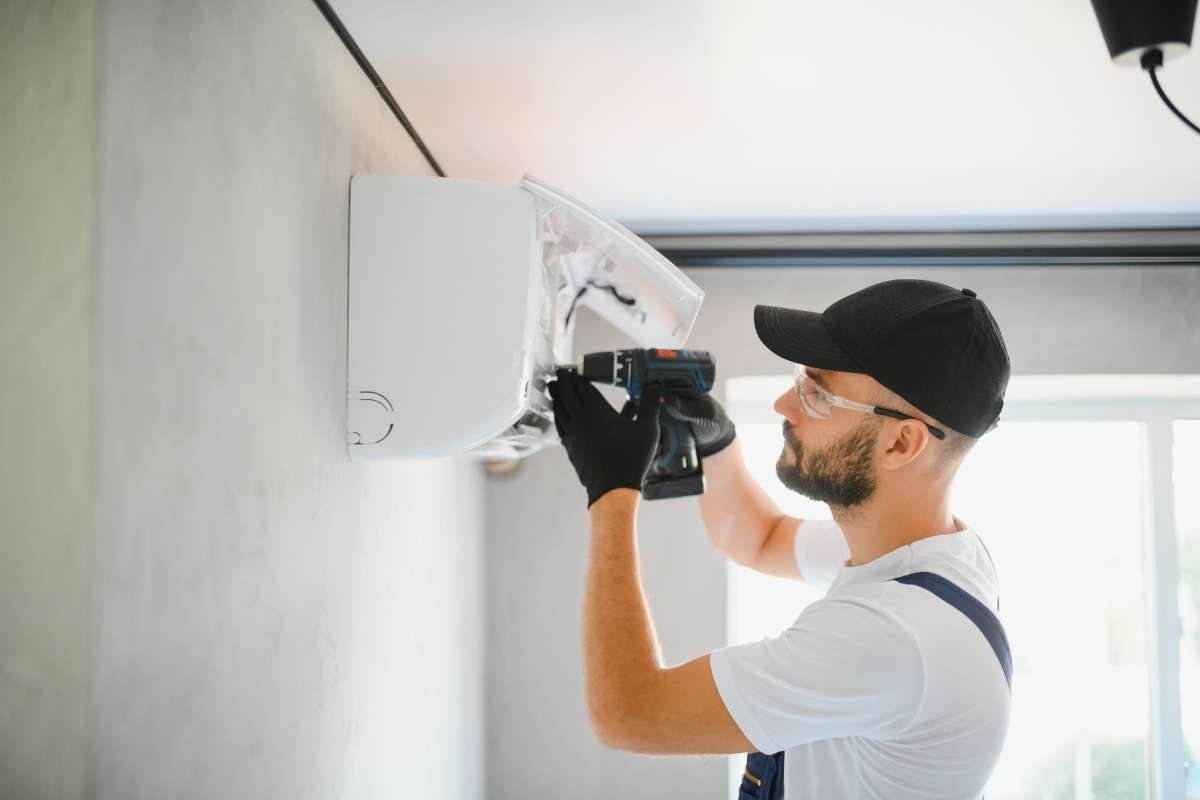
- Check filter type and size before purchase: Use the exact dimensions and specifications indicated on your current filter or HVAC system manual.
- Turn off the HVAC system or appliance: Ensure power is off before removing the old filter to avoid dust circulation and for safety.
- Locate the air filter: Typically found in the return air duct, blower compartment, or air handler unit.
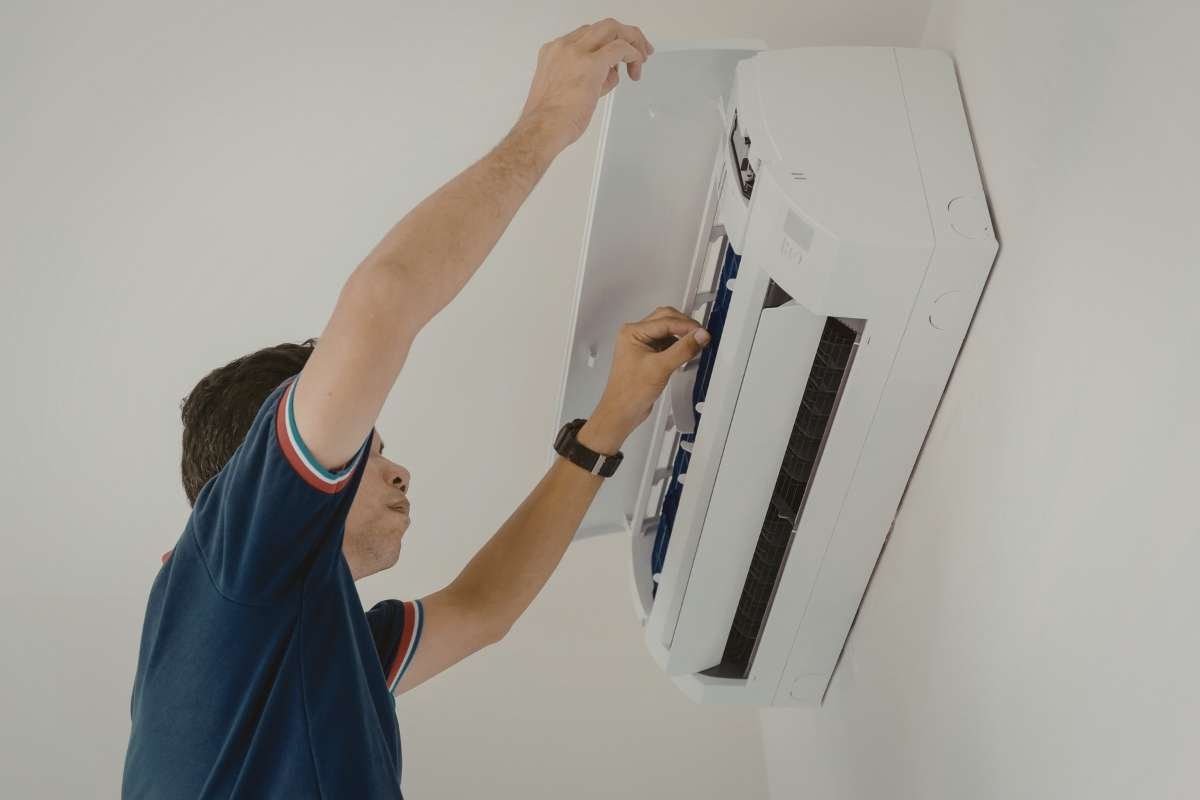
- Remove the old filter carefully: Avoid shaking it to prevent dust dispersal. Note the airflow direction arrows on the filter frame for correct reinstallation.
- Clean the filter housing or frame: Use a vacuum or a damp cloth to clear dust and debris from the area before installing the new filter.
- Install the new filter with correct orientation: Align the airflow arrow on the filter with the direction of airflow in the system.
- Ensure the filter fits snugly without gaps: This prevents unfiltered air from bypassing the filter.
- Close and secure filter access panel: Use any clips, screws, or fasteners to ensure a tight seal.
- Set a regular replacement schedule: Check filters every 30-90 days; more frequently if you have pets, allergies, or high dust levels.
- Keep track with reminders: Use phone alerts, calendar events, or apps to help remember filter changes.
- Consider higher efficiency filters: Upgrade to MERV 11-13 if the HVAC system supports it, for better filtration.
- Inspect monthly for visible dirt buildup: Replace sooner if heavily soiled or system performance drops.
- Dispose of used filters properly: Seal in a plastic bag to trap dust before discarding.
- Perform routine HVAC maintenance: Regular professional checkups keep the system working efficiently alongside filter changes.
Conclusion
Taking care of your air filter is simple but also beneficial for your health. By changing your air filter regularly, you are protecting your health. You are making your indoor air cleaner by trapping dust, allergens, and mold. This is especially vital as we spend most of our time indoors. It helps you breathe freely and stops harmful particles from spreading through your home. This small task makes a big difference in the quality of the air you breathe every day.
Remember that regular filter maintenance also protects your wallet and your HVAC system. Changing your air filter regularly prevents your system from overworking, which keeps your energy bills low. It also stops costly breakdowns and helps your heating and cooling unit last longer. Follow the easy tips we shared to set a good replacement schedule. Make clean air a priority in your home for better health and savings.
FAQs
1. What do MERV ratings mean?
MERV stands for Minimum Efficiency Reporting Value. It measures a filter’s ability to capture tiny particles; a higher number means better filtration.
2. How often should I inspect the filter?
You should visually inspect your filter monthly for heavy dirt.
3. Where can I dispose of my old filter?
Seal the used filter in a plastic bag before throwing it away with your regular household trash.