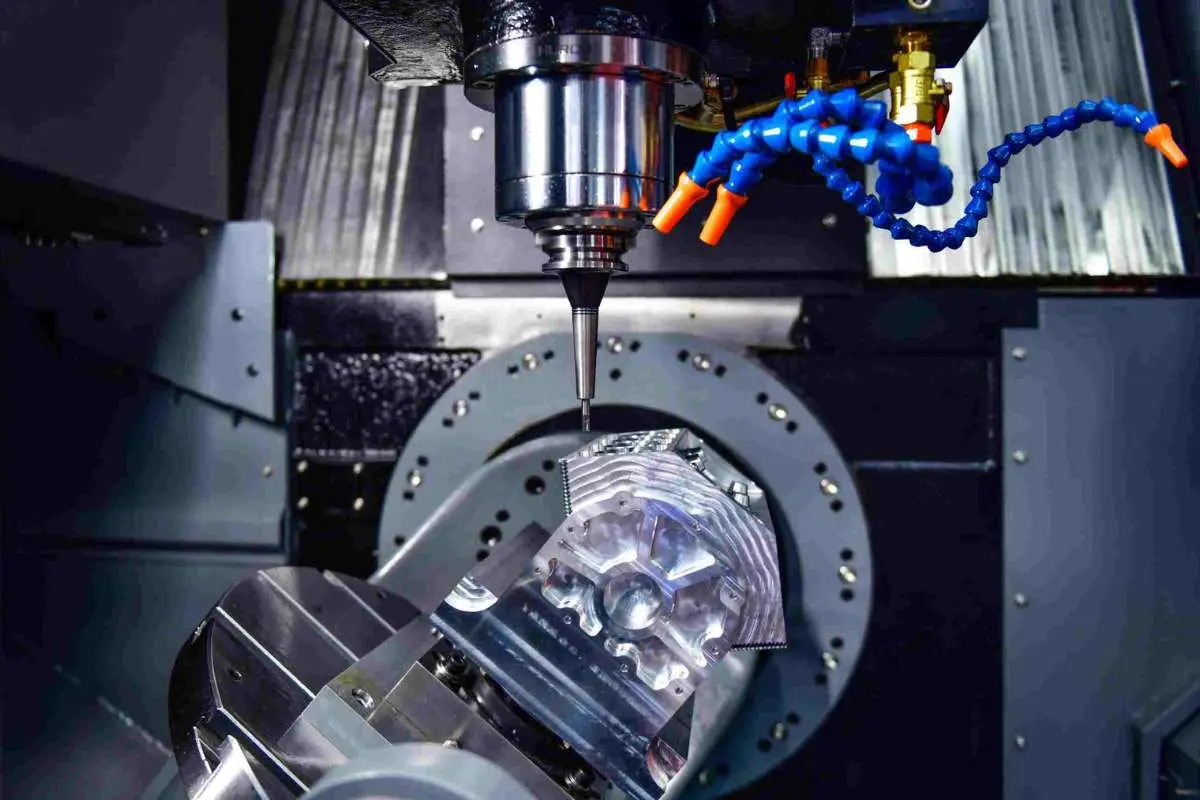
In most engineering organizations, CNC machining is treated as a downstream capability—a way to turn finished CAD into physical parts. But that framing misses what’s actually changed over the past decade.
Precision hasn’t become less important. If anything, expectations have tightened. What has changed is where differentiation happens. Tight tolerances, clean finishes, and repeatability are now assumed. The real question is how quickly teams can move from design intent to validate custom machined parts—and what they learn in the process.
That shift has made CNC machining part of the decision-making loop, not just the production process.
From CAD to Part: Where the Real Bottleneck Lives
On paper, the workflow is straightforward: design in CAD, generate toolpaths via CAM, and machine the part. In practice, the friction shows up elsewhere—quoting delays, manufacturability feedback loops, supplier back-and-forth.
Engineering teams feel this directly. Too much engineering time still goes to sourcing, quoting, and supplier coordination instead of design work. CNC machining isn’t inherently slow, but the system around it often is.
That’s why the most meaningful improvements in CNC workflows aren’t happening at the spindle—they’re happening in how quickly teams can move from design intent to validated part.
What “Custom CNC Machining” Actually Implies Today?
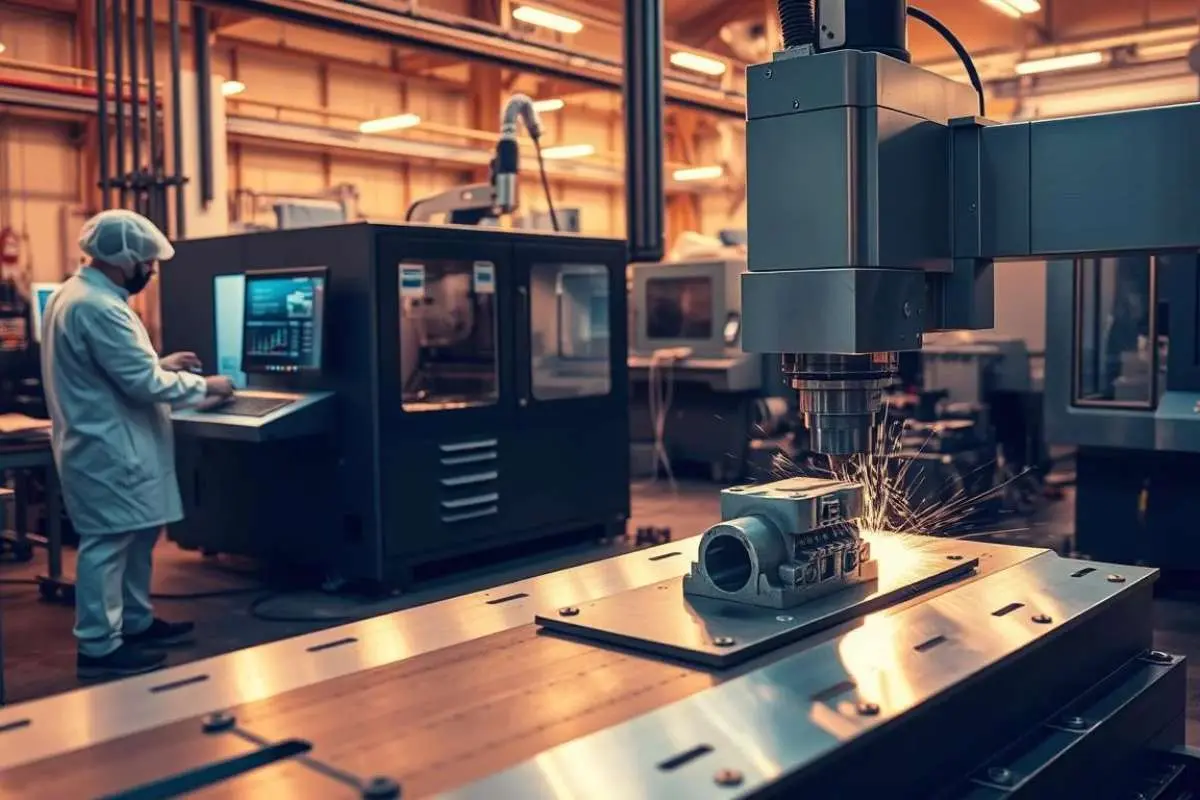
At a technical level, custom CNC machining parts are still what they have long been: made-to-spec components produced from digital models through subtractive manufacturing, with tight tolerances and high repeatability.
But in practice, “custom” now carries additional expectations:
- Immediate feedback on manufacturability
- Rapid quoting tied to real process constraints
- Consistent outcomes across prototype and production
- Minimal friction between design revisions and physical parts
The process is familiar, but expectations around speed and responsiveness have changed.
Precision Is the Baseline; Repeatability Is the Proof
CNC machining’s reputation is built on precision, and for good reason. Tolerances in the range of ±0.001 inches—or tighter for certain applications—are routine. In high-performance contexts like aerospace or medical devices, even finer tolerances are achievable with the right process controls.
For small, slender parts in particular, that’s often where Swiss-type precision turning comes in — by guiding the workpiece right at the cutting point, it holds micron-level tolerances on long, thin components that would flex and chatter on a conventional lathe.
But precision alone isn’t where most programs succeed or fail. The challenge is maintaining that precision consistently, across batches, materials, and timelines.
Repeatability is where custom CNC machining parts prove their value, especially when a program moves from prototype builds into low-volume or production runs. Once a program is validated, every subsequent part should behave identically—same dimensions, same surface finish, same functional performance. That consistency underpins everything from assembly fit to regulatory compliance.
Speed Without Tooling Overhead
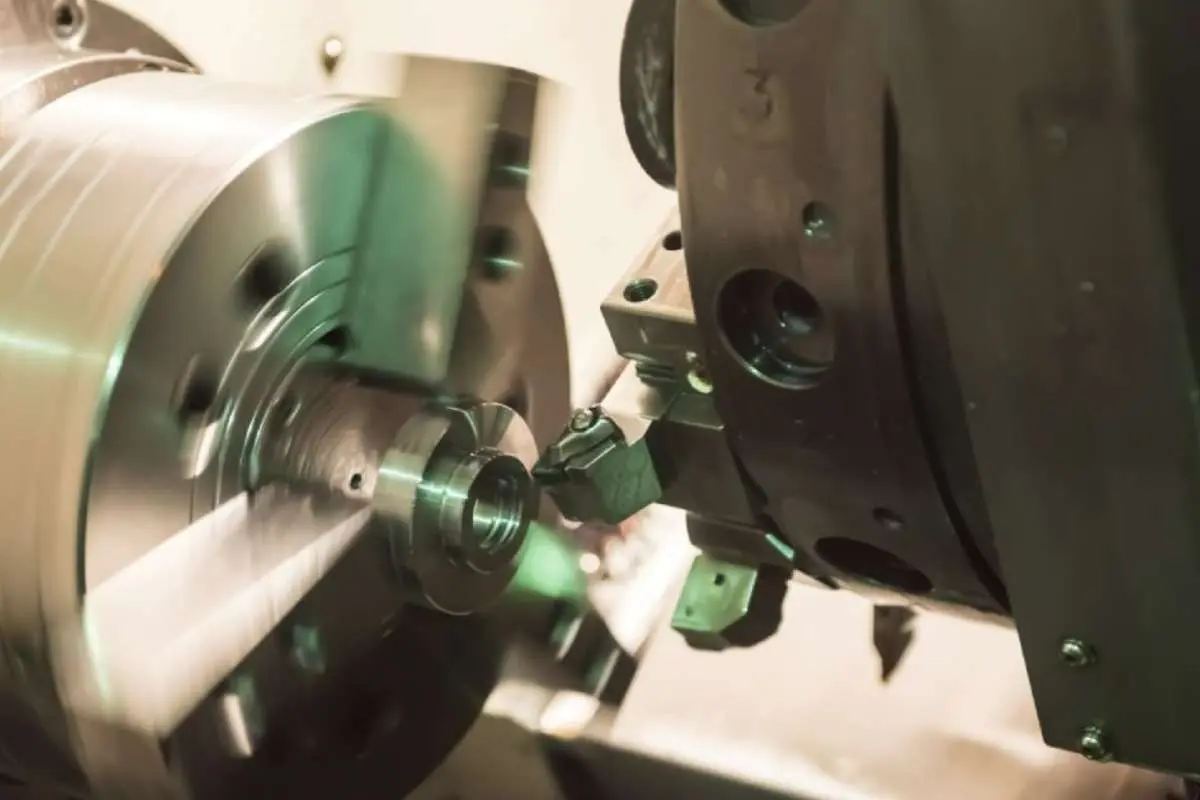
Unlike injection molding or casting, Custom CNC machining doesn’t require dedicated tooling. That single characteristic reshapes how teams approach early-stage development.
No tooling means:
- No upfront capital expenditure
- No waiting on mold fabrication
- No lock-in to a design before validation
Instead, teams can iterate directly from CAD. Modify a feature, regenerate the toolpath, cut a new part. The cycle compresses dramatically. That makes CNC machining especially useful in early development, when teams need to validate design choices quickly.
Material Flexibility Is an Engineering Lever
Another underappreciated advantage is material optionality. CNC machining supports a wide range of engineering-grade materials: aluminum alloys, stainless steels, titanium, and high-performance polymers like PEEK.
Material selection is rarely static during development. Teams often need to evaluate tradeoffs—strength versus weight, thermal resistance versus machinability, cost versus performance. With Custom CNC machining, those decisions can evolve alongside the design. There’s no need to commit prematurely to a single material just to accommodate the manufacturing process.
Complexity Without Compromise
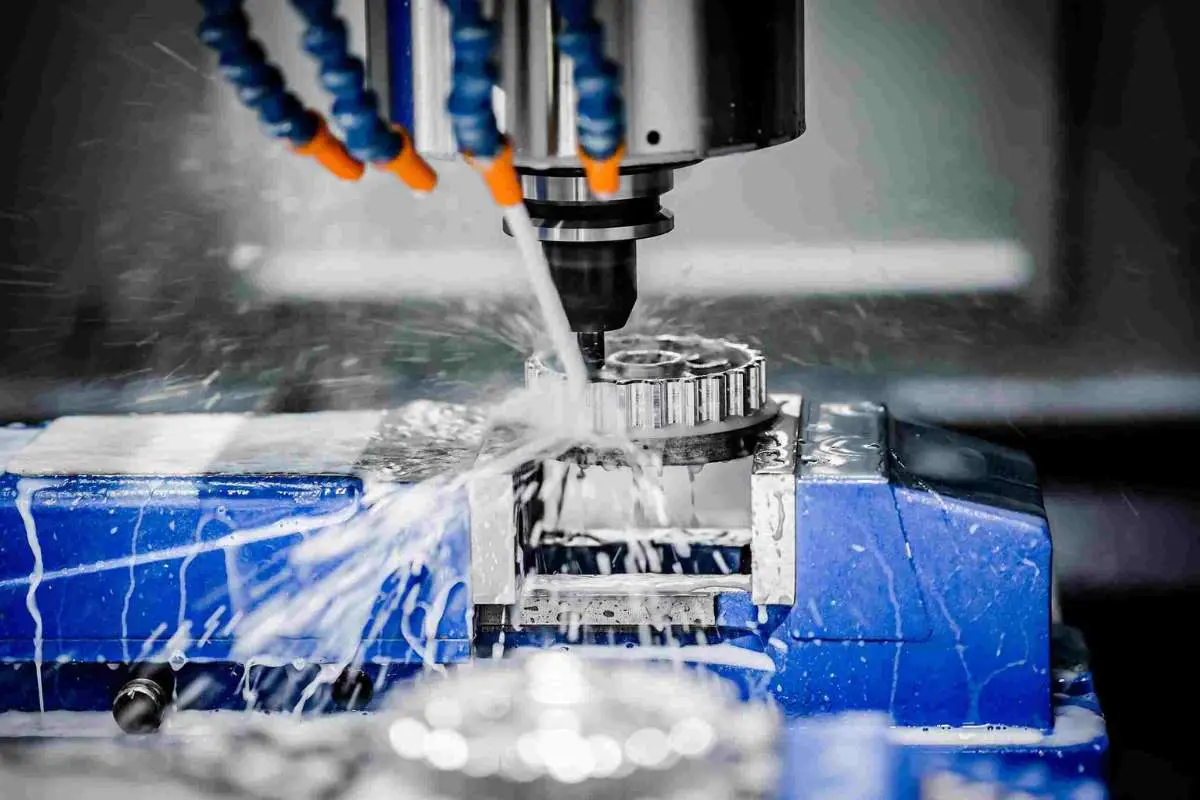
Modern CNC capabilities—particularly 5-axis machining—have expanded what’s feasible without secondary operations. Undercuts, complex internal geometries, tight internal radii—features that once required multiple setups or alternative processes can now be machined in fewer operations. That reduction in setups directly impacts accuracy. Every time a part is re-fixtured, you introduce potential variation. Fewer setups mean tighter control over geometry and alignment.
Processes like wire EDM and sinker EDM extend this even further, enabling features that traditional cutting tools can’t achieve—deep cavities, sharp internal corners, intricate profiles.
Where CNC Still Wins (and Where It Doesn’t)?
Custom CNC machining isn’t a universal solution, and experienced engineers know where its boundaries lie.
It excels when:
- Tolerances are tight
- Geometry is complex but machinable
- Volumes are low to moderate
- Iteration speed matters
It becomes less efficient when:
- Volumes scale into the tens or hundreds of thousands
- Part geometries are better suited to molding or casting
- Material waste becomes cost-prohibitive
The key is recognizing CNC machining not as a default, but as a strategic tool—one that aligns particularly well with early-stage development and high-performance applications.
The Bigger Shift: Machining as a Validation Tool
The most interesting change isn’t in the machines themselves. It’s in how CNC machining is used within engineering workflows.
In high-performing teams, machining isn’t the final step—it’s part of the feedback loop. Designs move quickly from screen to reality, issues surface earlier, and decisions get made with physical evidence instead of assumptions.
Precision still matters. It’s non-negotiable. But for many teams, it is no longer the only thing that separates one machining workflow from another. What differentiates teams now is how quickly they can validate a design, iterate on it, and move forward with confidence.