Business growth rarely starts with a bigger team or new tool. It often starts with how leaders bring people together. Deepak Mallick’s collaborative leadership style offers a useful case to study. His work shows that ownership can shape stronger business results. At Progility Technologies, people sit at the heart of growth. So do trust, client ties, change, and shared goals. This approach moves leadership beyond day-to-day task control. It gives teams room to think, act, learn, and lead.
For Deepak Mallick, collaboration also connects people with business needs. That makes his journey worth studying beyond titles or roles.
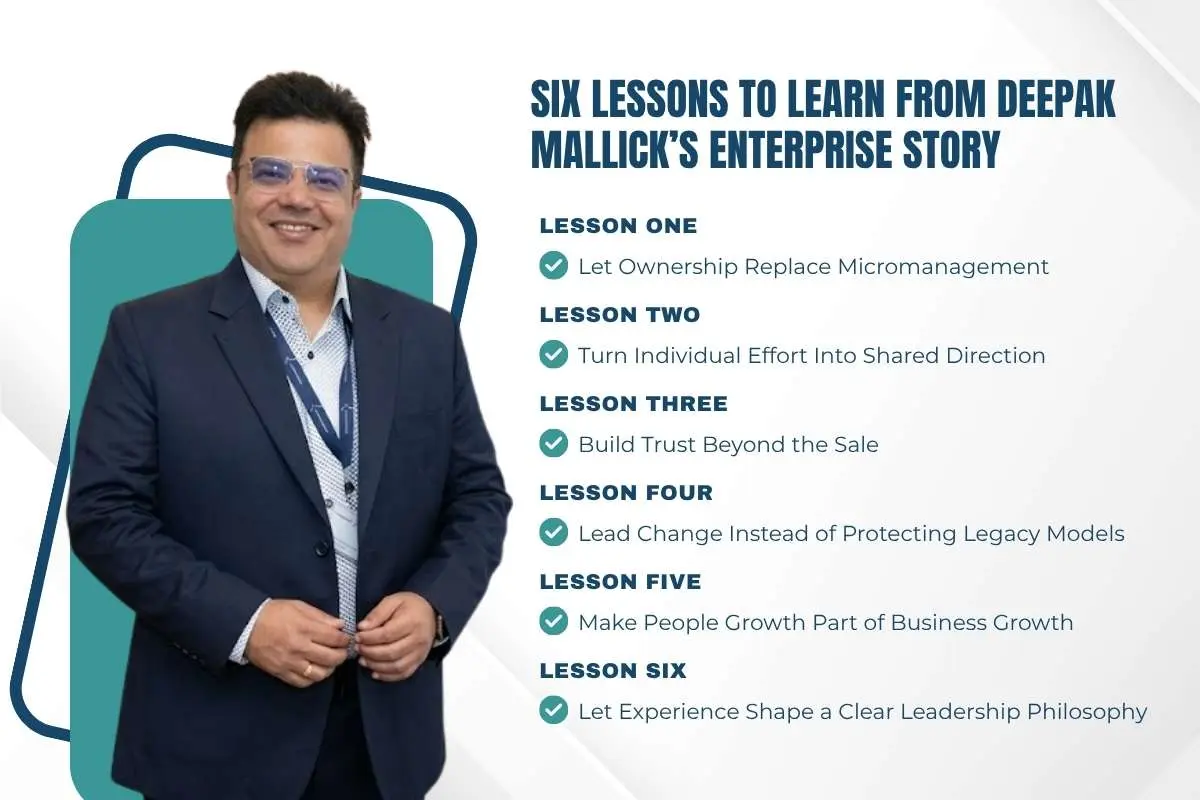
Six Lessons to Learn from Deepak Mallick’s Enterprise Story
Let’s walk through Deepak’s story and find six unique lessons on collaboration and partnership.
Lesson One: Let Ownership Replace Micromanagement
Different work settings can teach leaders different ways to lead. For Deepak Mallick, each setting added a new lesson. Startup work showed him why speed and trust matter. Small teams often need people who own key tasks. That lesson shaped his view of shared responsibility later. Multinational firms then showed him another side of work. Clear systems can help teams act with greater focus. Technology businesses added another lesson around change and scale. New tools matter, but people still guide key choices. These lessons shaped Deepak Mallick’s leadership at Progility Technologies. He chose to give teams more room to act. He also linked team goals with client needs. That mix helped turn experience into a clear leadership philosophy.
Lesson Two: Turn Individual Effort Into Shared Direction
Micromanagement can keep work moving, but it limits people. Mallick’s leadership style takes a different path forward. It puts more weight on trust, choice, and ownership. People need room to make calls within clear goals. That space can also build stronger accountability across teams. When people own work, they track its full result. They learn from wins, gaps, and choices along the way. This creates teams that need less day-to-day control. It also helps leaders focus on larger business needs.
For Deepak, empowerment does not mean less accountability. It means setting clear goals, then trusting people to deliver. That shift can change how teams share ideas and solve problems. People feel more involved when their choices carry real weight. They also gain more reason to protect the team’s shared goals. The result is a culture where ownership drives stronger team action. Leadership then becomes less about control and more about capability.
Lesson Three: Build Trust Beyond the Sale
Ownership works best when people share one clear direction. That idea sits at the heart of Deepak’s approach. He links team goals with shared, client-focused business goals. This helps each function understand its role in growth. Clear vision also gives teams a common point of focus. Communication then keeps people aligned as needs and plans change.
At Progility, this means linking teams with client outcomes. It also means giving teams clear goals and accountability. Deepak Mallick sees alignment as more than shared targets. People must understand why their work matters to others. That view supports stronger cross-functional collaboration across business functions. It also helps leaders avoid control at every step. Instead, teams can act with purpose while owning results.
Lesson Four: Lead Change Instead of Protecting Legacy Models
Strong leadership does not stop when teams leave the office. It also shapes how a company treats its clients. At Progility Technologies, client ties go beyond sales. The focus starts with learning each client’s needs. Progility uses a consultative model instead of standard solution lists.
Teams first study business needs, goals, and key gaps. They then link solutions with clear and useful outcomes. This approach turns each client deal into a longer partnership. The cover story notes over 1,500 Progility customers today. Those customers include ICICI Bank, SBI, Taj Group, and Maruti. For Deepak Mallick, trust grows through useful, ongoing support.
That means helping clients from needs analysis through long-term support. It also reflects a business partnership strategy focused on client success, not sales alone. In turn, customers need help shaping how teams work together.
Lesson Five: Make People Growth Part of Business Growth
Technology keeps changing, but strong leaders must change with it. Profility shows this shift through business transformation. Progility moved beyond older models as client needs changed. That shift called for new skills, tools, and ways of working. Mallick focused on helping teams adapt to these new needs. He also saw technology as a means, not the end. The real goal remained better service and stronger client value.
This view keeps teams focused on outcomes during major change. It also helps people see change as part of growth. Deepak Mallick’s leadership rests on this ability to adapt. Rather than protect old ways, he supports new capabilities. That makes transformation a people challenge as much as a technology challenge. McKinsey reports that about 70% of large-scale transformation programs fail to reach their stated goals. It’s often because organizations underestimate the people and culture side of change.
Lesson Six: Let Experience Shape a Clear Leadership Philosophy
People development sits at the core of Mallick’s leadership. His approach builds a collaborative culture around learning, mentorship, and team growth. He gives people space to build skills through real work. That also creates room for stronger ownership and accountability.
For Deepak, growth means more than a new role. It means helping people take on greater responsibility over time. This view matches wider research on people-focused leadership. CIPD research links coaching with skills, performance, and growth. Gallup also links employee growth with stronger business outcomes. Its research draws on data from more than 180,000 teams.
The lesson feels simple: People grow when leaders create space. That makes development part of business performance, not a side task.
What Defines Deepak Mallick’s Leadership?
Four traits best define his leadership approach today.
Empowerment over micromanagement: He trusts teams with real ownership.
Vision over fragmented execution: He connects daily work with larger goals.
Partnership over transactional relationships: He builds trust beyond each sale.
Adaptability over legacy models: He helps teams respond to market change.
Together, these traits show a clear leadership pattern. His approach links people, clients, technology, and business goals. That makes enterprise collaboration a working system, rather than just an idea. It also shows why leadership can shape growth from within.
Conclusion:
Deepak Mallick shows that strong leadership needs more than one skill. It needs a clear link between people and business goals. His approach gives teams ownership while building trust with clients. It also helps the business adapt as markets and tech change.
That makes Mallick’s leadership a story of steady growth. His leadership evolved with each business and technology shift. Today, his approach connects people, ownership, relationships, and transformation. That makes his journey a useful case study in modern business collaboration leadership.
Frequently Asked Questions
1. What is collaborative leadership?
Collaborative leadership brings people together around shared goals, trust, and ownership. It gives teams space to contribute, decide, and solve problems.
2. How does collaborative leadership drive business growth?
It can improve team alignment, customer focus, and decision-making. These gains can support stronger execution and long-term business growth.
3. What defines Deepak Mallick’s leadership style?
Deepak Mallick’s leadership style focuses on ownership, shared goals, customer trust, and adaptability. His approach gives people room to act while keeping teams aligned.