
A Houston driver can feel surprisingly normal in the first hour after a collision, but delayed symptoms after a car accident can appear once the initial stress and urgency have passed.
Car accident attorneys in Houston, TX, like ones you can find at www.johnsongarcialaw.com, can later review whether medical records connect new symptoms to the crash. Legal questions can wait until urgent health concerns have been addressed. New or worsening symptoms deserve medical attention, even if the person initially declined an ambulance.
Why delayed symptoms after a car accident can occur?
Stress changes how people notice pain. During a frightening event, the nervous system can temporarily sharpen attention and dull discomfort. Someone may stand, walk, and answer questions without realizing that a neck, shoulder, or lower back has been injured.
That effect wears off. Swelling may increase, stiff muscles can tighten, and ordinary movement may expose pain that was easy to miss while sitting still. The delayed discomfort is real, though timing alone cannot prove that the crash caused it. A clinician still needs to consider the impact, the examination, and the person’s health before the collision.
Soft tissue pain often builds overnight

Seat belts hold the body in place while the head and limbs continue moving. That motion can strain muscles and connective tissue even when the vehicle damage looks modest. The neck may feel sore that evening. By morning, turning the head or lifting an arm may be difficult.
Whiplash symptoms can begin within days of an injury. Common complaints include stiffness, headaches, arm pain, and dizziness. Some people also notice tingling or weakness, which should be reported promptly because those symptoms may point to nerve involvement.
Concussion symptoms can be easy to miss
A concussion does not require a visible head wound. The brain can move inside the skull when a vehicle stops abruptly. A person may leave the scene without losing consciousness and develop a headache later. Other changes can affect sleep, balance, memory, or tolerance for light and noise.
Headaches, dizziness, and changes in concentration are also possible delayed symptoms after a car accident and should be discussed with a medical professional.
Family members sometimes notice the problem first. The injured person may repeat questions, seem unusually irritable, or struggle to follow a conversation. The Centers for Disease Control and Prevention warns that some concussion signs appear hours or days after the injury.
Certain symptoms call for emergency care. These include repeated vomiting, a worsening headache, slurred speech, seizures, weakness, or difficulty waking. A person with possible concussion symptoms should follow a medical professional’s advice about driving and returning to work.
Internal injuries may start with vague symptoms
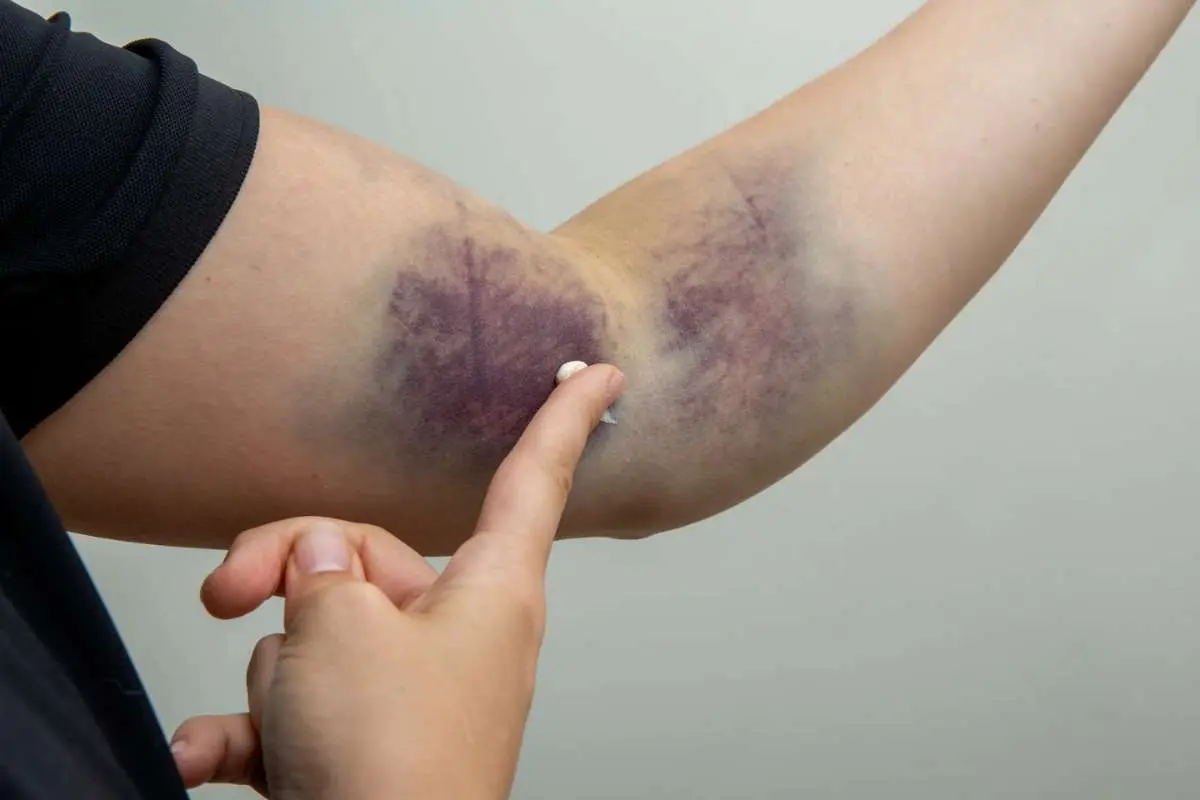
Internal injuries are less common than strains, yet they carry greater risk when overlooked. Early discomfort may feel mild or may be blamed on the seat belt. Pain can intensify as damage develops.
Trouble breathing, fainting, increasing abdominal pain, or blood in the urine should never be watched at home to see what happens. Chest pressure and sudden weakness also need prompt assessment. Pain medicine can reduce discomfort for a time, but it cannot show whether an internal injury is present.
Medical records should reflect what actually happened
A delayed symptom does not need an invented earlier start date. Tell the clinician when it first appeared, how it changed, and what activity made it worse. Mention older injuries too. A candid history helps the provider separate a new condition from a prior problem that the collision may have aggravated.
Documenting when delayed symptoms after a car accident first appear can help create an accurate medical timeline.
Write down symptoms while the details are fresh. Keep appointment notes in one place. If an appointment was unavailable, retain messages that show when help was requested. These ordinary records often explain the timeline better than a reconstructed account months later.
Recovery can change from day to day

Early improvement does not always continue in a straight line. A return to work or household activity may reveal limits that were not obvious during rest. Report those changes at follow-up visits instead of changing the treatment plan without medical advice.
The same rule applies when symptoms improve. Accurate updates give the provider a fair picture of recovery and support appropriate decisions about activity. Delayed pain after a crash is possible, but every case is different. Careful observation and timely medical evaluation remain the safest response when the body starts telling a different story.
Delayed symptoms after a car accident are possible, but every case is different. Careful observation and timely medical evaluation remain the safest response when the body starts telling a different story.