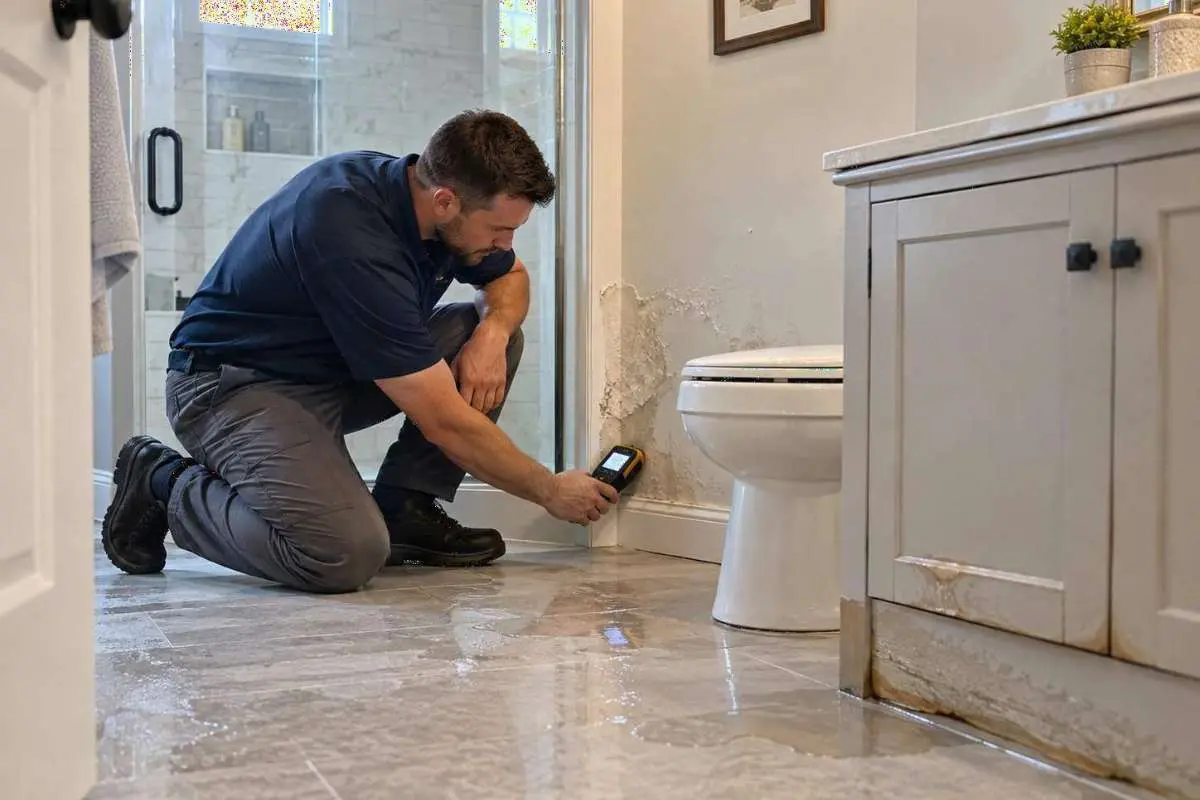
Water damage rarely stays where it first appears. A small leak can move behind drywall, beneath flooring, or into insulation before surface materials look dry. Hidden moisture keeps wood, fasteners, and drywall damp, creating conditions for staining, odor, material damage, and microbial growth. Household fans often dry the visible area while trapped water remains elsewhere. A professional water mitigation assessment finds those hidden pockets and confirms whether the structure is dry, which leads to the first practical step.
After a leak, the visible spill is only one part of the problem. Water follows gravity and capillary paths through joints, flooring layers, and wall cavities. A professional water mitigation assessment maps those paths, measures affected materials, and sets a drying plan based on readings, not appearance. That process separates surface cleanup from structural drying and shows whether equipment must remain in place.
Why hidden moisture persists?
Water enters spaces that ordinary cleaning cannot reach. It can travel beneath flooring, collect inside carpet padding, soak baseboards, and move through wall cavities. Insulation and subfloors also retain moisture after the exposed surface feels dry.
Drywall often hides the extent of a leak. Its face may appear normal while the back remains damp against framing. Wood framing absorbs water more slowly, so it requires continued monitoring before repair work begins.
Humidity also affects drying conditions. Moisture released into indoor air can settle on cooler surfaces or slow evaporation in enclosed rooms. Dehumidification removes that moisture from the air and supports controlled drying.
What professional water mitigation checks?
Here is what you need to know about professional mitigation.
Moisture mapping and material readings
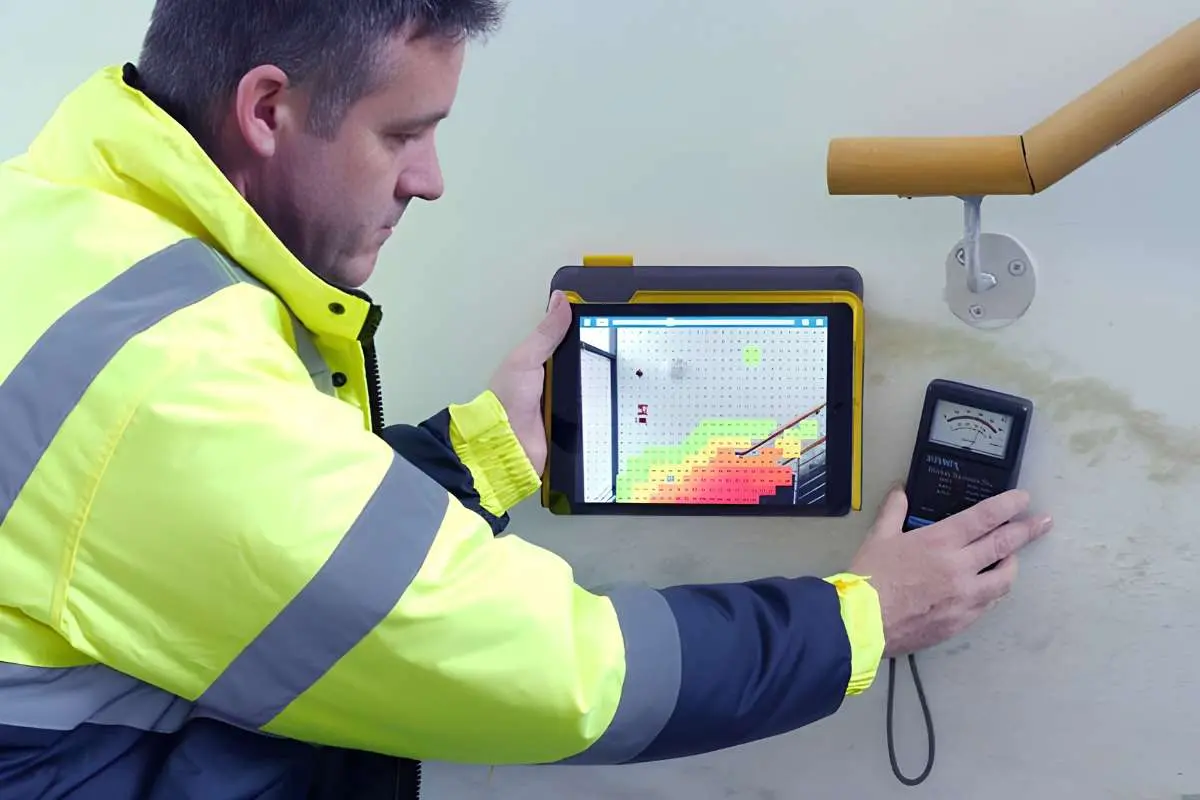
A trained crew begins with an inspection that identifies affected rooms and materials. Moisture meters help locate damp areas that a visual check misses. Readings create a documented baseline for the drying plan.
The inspection also considers the water’s source, duration, and path. A leak that runs overnight requires closer review than a small spill that cleans. Water under flooring or inside a wall cavity deserves attention even after standing water disappears.
Extraction and containment
Technicians must extract standing water before structural drying can work efficiently. Removing excess water reduces spread into nearby materials and shortens the drying process. Technicians also protect unaffected spaces when containment is appropriate.
Containment limits movement between affected and clean areas. It also gives the crew better control over airflow and equipment placement. Each decision should match the materials, water conditions, and readings found during inspection.
Controlled drying and dehumidification
Air movers increase evaporation from wet surfaces, while commercial dehumidifiers remove moisture from the indoor air. Equipment placement depends on room layout, material type, and measured conditions. A drying plan changes when readings show that affected areas need more time.
Monitoring matters because drying is a process, not a single equipment setup. Technicians record moisture levels, adjust airflow, and track progress over time. The records show whether materials are approaching the required drying goals.
Why household drying falls short?
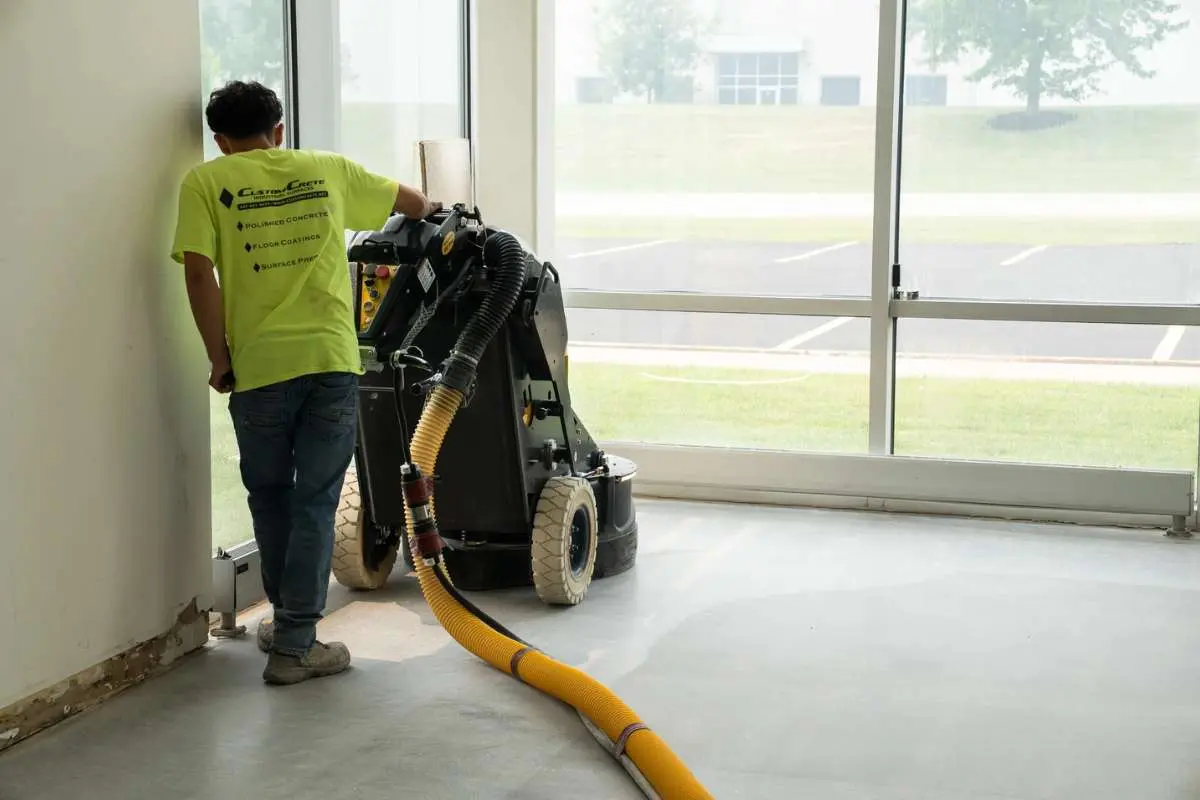
Household fans move air but do not provide the same control as commercial drying equipment. They can dry exposed surfaces while leaving moisture beneath flooring or inside walls. Without readings, a property owner cannot confirm whether concealed materials have dried.
Opening a wall or lifting flooring without a plan also creates unnecessary damage. A professional inspection identifies affected sections before targeted removal occurs. That approach limits disruption while giving the crew access to trapped moisture.
This is why professional water mitigation relies on moisture readings and controlled drying rather than appearance alone.
Odor provides another warning sign. A musty smell often indicates damp materials or lingering humidity, but its absence doesn’t prove drying is complete. Documented readings provide better evidence than smell or touch.
What happens after dry-out?
Dry verification establishes whether the affected materials have reached the drying goals. The crew documents final readings and explains the next step, which could include cleanup, targeted repairs, or broader restoration.
Property owners should keep photographs, moisture records, and written updates with their claim documents. Clear records show the source, spread, drying progress, and post-mitigation condition. They also help repair decisions match the structure’s actual condition.
Repairs should wait until dry-out has been verified. Replacing drywall, flooring, or baseboards too soon can trap moisture behind new materials. A documented handoff gives repair work a cleaner starting point.
Conclusion
Hidden moisture requires professional water mitigation because surface appearance cannot confirm dry conditions. A qualified mitigation crew should inspect affected rooms, map moisture, remove standing water when needed, and establish controlled drying. Property owners should document visible damage, stop the leak (if safe), and request readings before repairs begin. The clearest next step is a professional inspection that records affected materials, drying progress, and final dry verification for the property file.