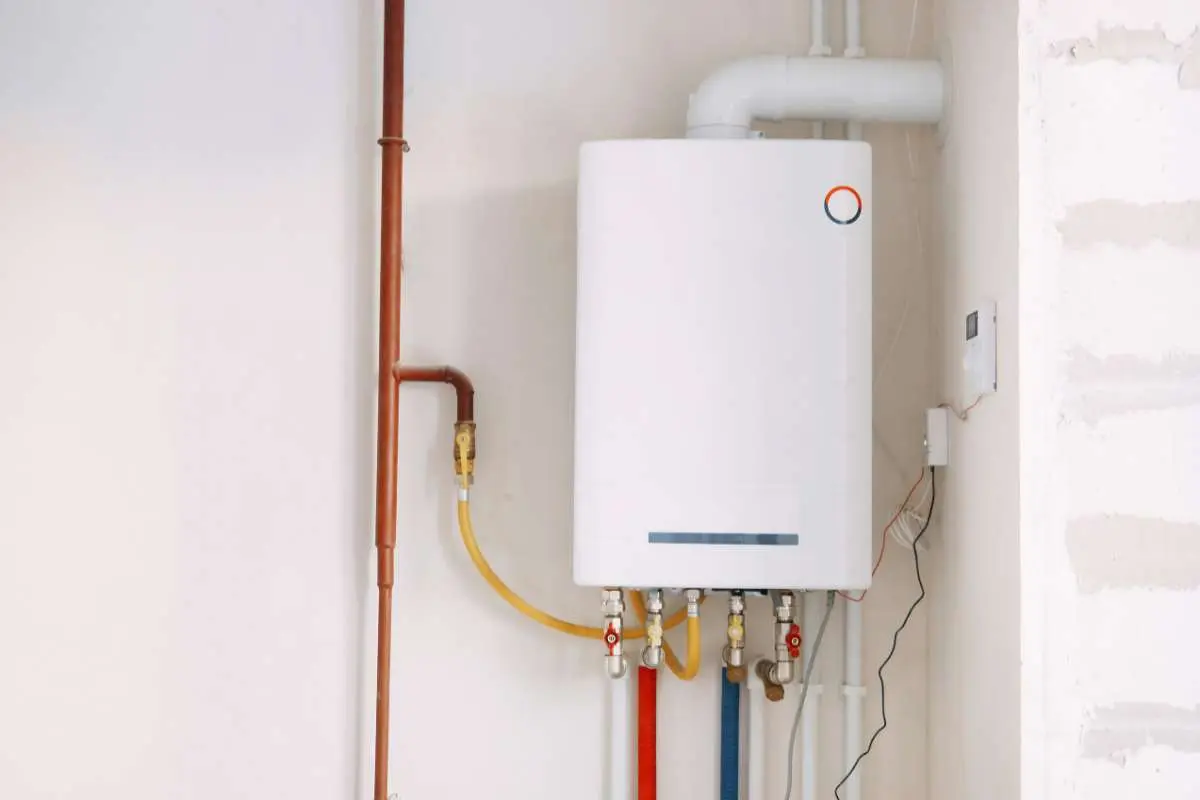
Choosing the right water heater starts with how to size a water heater based on household demand, not the dimensions of the old unit. A unit that is too small runs short, while an oversized model can waste energy and floor space. The following steps explain how to compare capacity, recovery, and placement before selecting a replacement that suits the home.
A reliable starting point is the household’s busiest hot-water period. Count the fixtures and appliances used within the same hour, such as showers, a dishwasher, a washing machine, and a kitchen sink. This approach provides a clearer picture of sizing than estimating total daily consumption. Homeowners comparing models can use sizing a new water heater to review capacity terms and selection factors before choosing equipment. The busiest hour matters because a heater must supply enough hot water during peak demand and concentrated demand, then recover its temperature for later use.
Understanding how to size a water heater requires looking at peak demand, recovery performance, and the type of heater being considered.
Match capacity to heater type
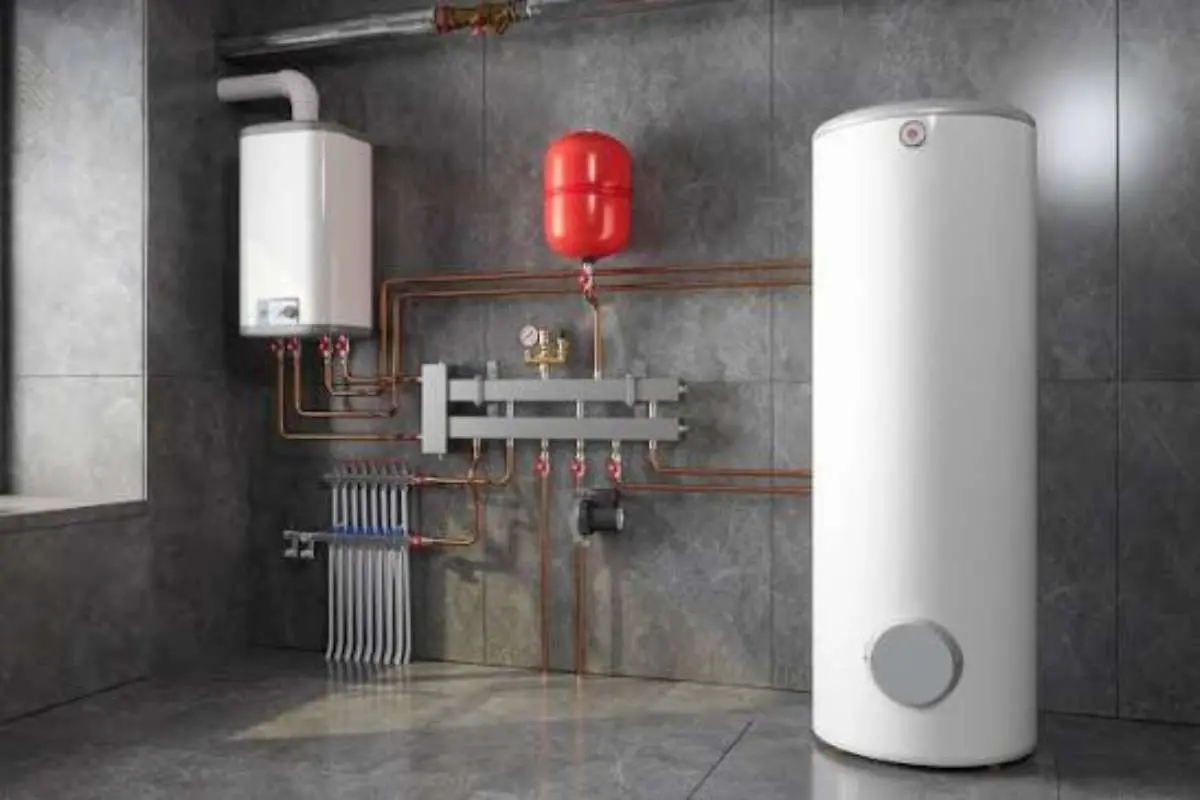
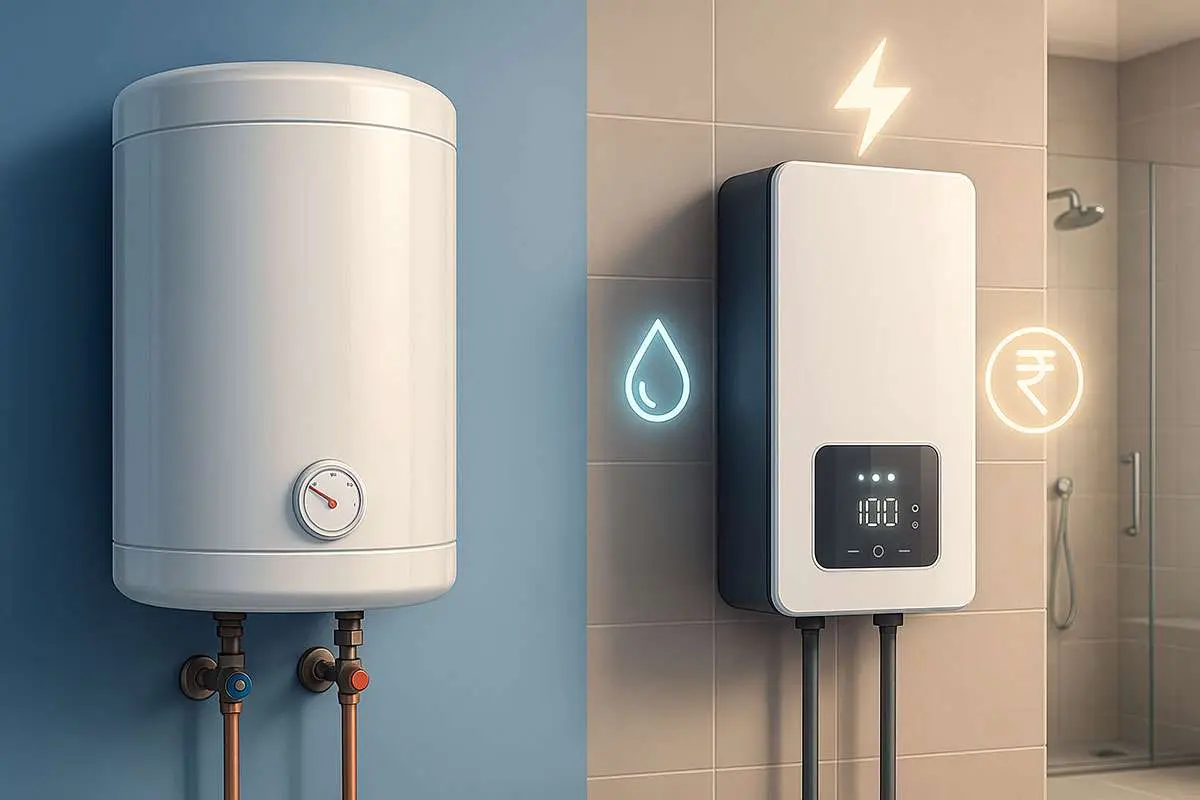
Storage tank heaters hold a set volume of heated water. Their size is usually described in gallons, but the first-hour rating also matters. That rating indicates how much hot water the unit can deliver in an hour, starting with a full tank. A tank with sufficient storage but a low recovery rate can struggle with repeated use. Comparing both the tank capacity and first-hour rating is an important part of how to size a water heater, rather than comparing gallon size alone.
Tankless heaters require a different calculation. Their performance depends on flow rate and temperature rise. Flow rate measures how much water the unit heats at once, while temperature rise reflects the difference between incoming cold water and the desired hot-water temperature. Knowing how to size a water heater is especially important with tankless systems because their performance depends on flow rate and temperature rise. A tankless unit must support the combined flow of fixtures that operate together. A model that handles one shower comfortably may not support two showers and a dishwasher simultaneously. Electric tankless units also require sufficient electrical capacity, so the home’s service and panel must be checked before installation.
Account for household habits
The number of occupants matters, but daily routines provide better sizing information. A family with staggered showers creates less concentrated demand than a household where several people shower within one hour. Record how often the household uses a bathtub, washing machine, dishwasher, and secondary bathroom. Note seasonal guests, planned household changes, and any work or school schedules that concentrate hot-water use.
A replacement should match realistic future demand without adding unnecessary capacity. Choosing a larger heater simply because space allows it can increase purchase, operating, and standby costs.
Check space and installation requirements
Physical fit and heating capacity are different, but equally important, concerns. Measure the available height, width, and depth, then account for service access, pipe connections, and required clearances. A taller or wider replacement may not fit the existing location, even when its capacity appears suitable.
The fuel source also affects installation. Gas equipment requires compatible venting and gas connections, while electric equipment needs the correct voltage, wiring, and circuit capacity. Tankless systems often require different connections than storage tank models. Additionally, local building and plumbing requirements can affect placement, drainage, venting, temperature control, and earthquake protection. A qualified installer should confirm those requirements before the heater is ordered. That check prevents a capacity choice from creating an installation problem.
Avoid common sizing mistakes
Replacing an old heater with the same capacity does not guarantee a suitable match. Household size, fixture use, water temperature, and appliance schedules can change over time. The old unit might also have been too small or larger than necessary. Another mistake is using bedroom count as a substitute for demand. Bedrooms provide limited information because they do not show how many fixtures operate together. Peak-hour usage provides a better basis for comparing storage and tankless equipment.
The largest available model is not automatically the best choice. Oversizing adds cost and can increase energy use, while undersizing can cause shortages during peak periods. Capacity, recovery, flow rate, fuel requirements, and available space should be reviewed together.
Conclusion
A suitable water heater matches the household’s busiest usage period, not simply the old unit’s size. Storage models require a comparison of gallon capacity and first-hour rating, while tankless models require flow-rate and temperature-rise calculations. Space, fuel connections, electrical service, venting, and local requirements also affect the final choice. Before purchasing, record fixture use during the busiest hour and have an installer confirm the equipment’s capacity and site requirements.