
Global supply chains today are more volatile and complex than ever, placing significant pressure on businesses. In competitive markets, customs compliance and supply chain resilience can no longer be viewed merely as costs or checkboxes. Through Digital Transformation in Logistics, these areas can be approached strategically, turning them into powerful levers for profitability, operational speed, and effective risk management.
However, traditional manual customs processes are too slow and error-prone to keep up with high-volume shipments, meet tight deadlines, or support data-driven trade decisions. To tap into the benefits of efficient customs processes, enterprises need end-to-end automation solutions.
This blog explores how a digital approach to logistics and customs management can turn compliance from a reactive task into a source of competitive advantage for enterprises operating in North America.
The Cost of Complexity: Why End-To-End Automation Is Essential
Manual customs classification and filing create significant, avoidable financial risks that affect the entire trade lifecycle. Mistakes in HS code classifications or managing critical documentation can trigger audits, costly fines, and shipment detentions by Customs and Border Protection (CBP).
Relying on manual data entry and disconnected systems also slows operations. Processing delays reduce inventory turnover and increase logistics costs, including demurrage.
Beyond the immediate financial impact, slow clearance and unreliable data create missed opportunities. Enterprises struggle to respond to time-sensitive market demands and cannot fully leverage data to optimize sourcing and supply chain decisions.
Building Resilient Trade Ecosystems with Supply Chain Digitalization
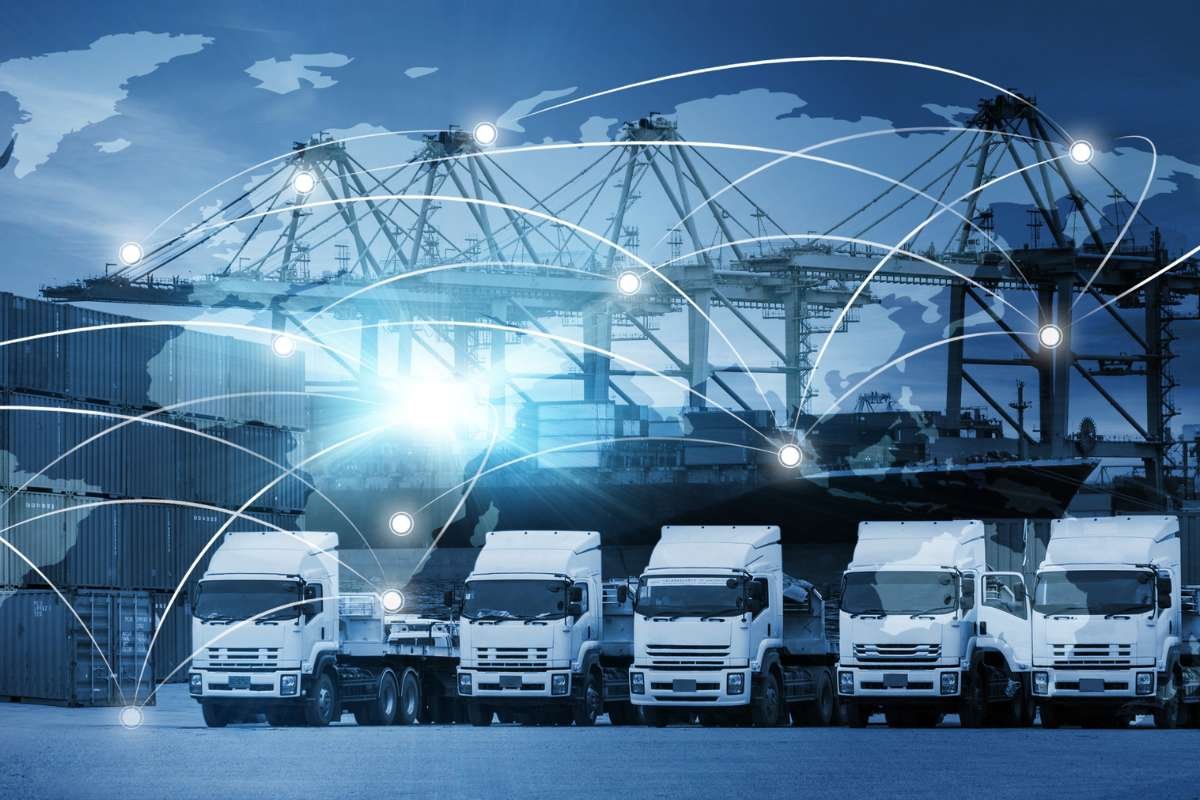
Specialized digital platforms equip businesses with the tools they need to drive transformation, reduce risk, accelerate logistics operations, and ensure seamless compliance across global trade. At its core, this is what Digital Transformation in Logistics is all about—building a supply chain that is both agile and resilient.
Digital trade compliance software offers several key capabilities that help enterprises reduce risk, improve speed, and maintain compliance:
- Automated Data Validation: Software checks information against compliance rules before submission, drastically reducing errors that could trigger customs holds.
- Seamless System Integration: Direct connection with ERP and logistics systems ensures consistent data across the organization and removes the high-risk task of manual data transfer.
- Proactive Risk Management: Predictive analytics identify potential issues before they happen, while automatic updates track new trade regulations. This keeps compliance frameworks current and reduces the need for manual oversight.
The Enterprise Solution: Strategic Software for North America

Choosing the right digital platform is a critical decision for US enterprises aiming to make customs compliance a competitive advantage. This is where specialized expertise matters.
Leaders should seek compliance software platforms that combine robust automation with deep regulatory intelligence when it comes to cross-border trade. This pairing enables the digital transformation needed to streamline logistics operations and reduce risk.
Canadian customs filing software provide both the automation engine and expert guidance necessary to achieve these benefits. The impact is clear: faster cargo clearance, lower operational costs, and a shift from compliance as a costly obligation to a tangible source of competitive advantage.
Securing Tomorrow’s Global Supply Chain
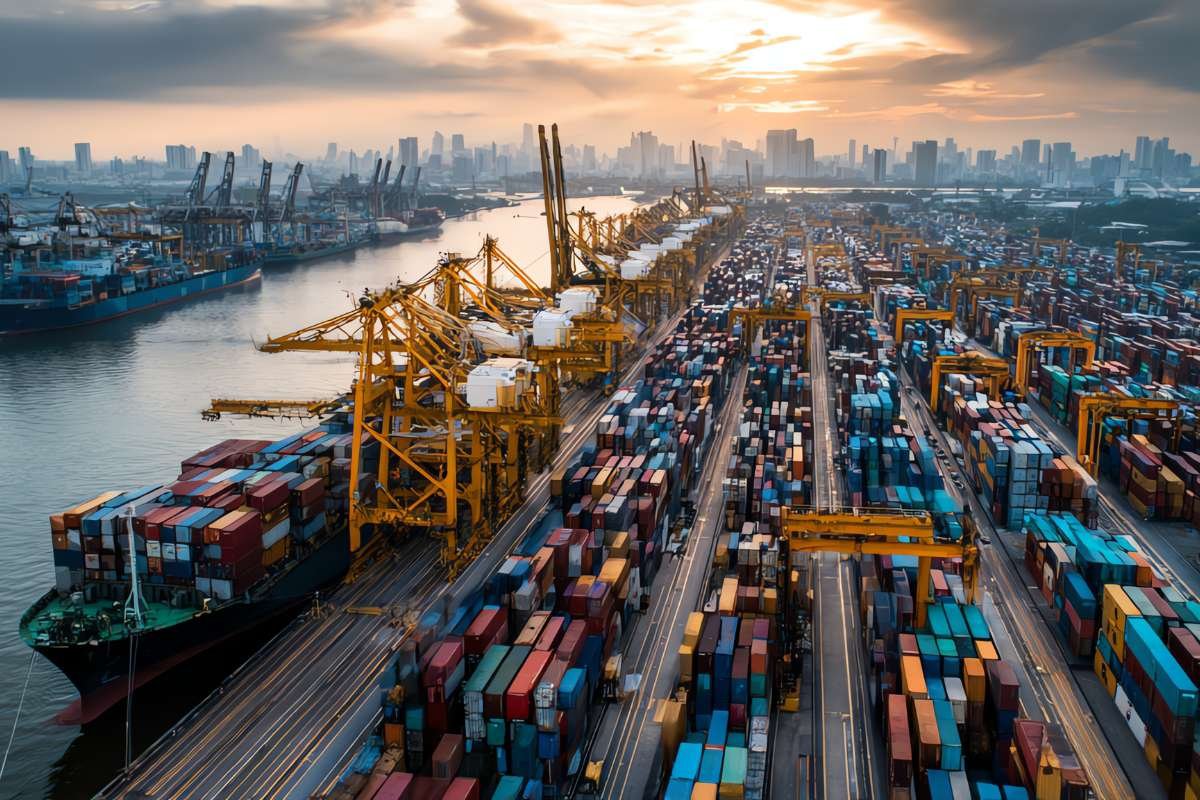
Digital customs and automated compliance are no longer optional; they are essential for any enterprise aiming to compete in today’s global market. Manual processes and disconnected systems create costly delays, financial risk, and operational disruptions, while integrated digital solutions turn compliance into a strategic advantage.
By investing in these technologies, US-based enterprises don’t just protect their supply chains, they unlock new opportunities for speed, efficiency, and data-driven decision-making.
The companies that embrace Digital Transformation in Logistics today will be the ones shaping the future of global trade, turning regulatory complexity from a challenge into a source of competitive power.