Employee benefits used to revolve around a simple set of offerings. Companies provided health insurance, a retirement plan, and perhaps a few optional add ons. For decades, these benefits were seen as static and predictable. Today, the landscape looks very different. Rising healthcare costs, shifting workforce expectations, and the rapid growth of digital technology have completely transformed how organizations think about health and wellness benefits. Digital wellness tools are no longer a perk. They have become a core part of modern employee care strategies.
This shift is more than a trend. It reflects a deeper change in the relationship between employers and employees. Businesses now recognize that healthier employees are more engaged, more productive, and more loyal. Digital tools offer a new level of personalization, insight, and accessibility that traditional benefits alone could never provide. Leaders like John Theodore Zabasky, Sharon Rowell, and Brigitte Vaysberg of WorXsiteHR have pointed out that the future of benefits must revolve around systems that understand the whole employee, not just their basic medical needs.
This article explores how digital wellness tools are reshaping employee benefits, improving outcomes, and redefining the role of employers in supporting whole person health.
The Rise of Digital Wellness in the Workplace
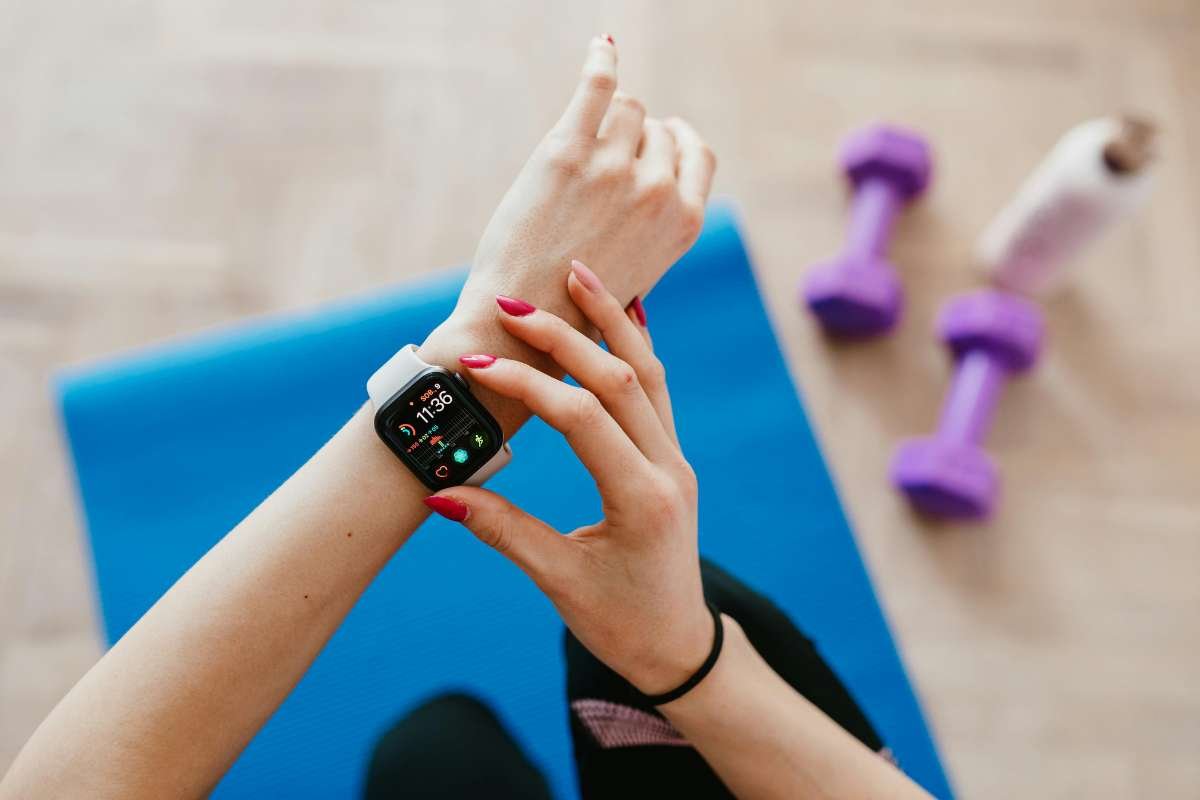
The digital wellness movement began with simple tools like step counters and basic wearable trackers. Over time it has evolved into a highly sophisticated ecosystem that includes biometric sensors, mental health platforms, virtual fitness coaching, nutrition apps, and personalized health dashboards. These tools now integrate with employer benefits platforms to give employees real time insights and long term support for healthier living.
Employees are increasingly seeking more than just coverage. They want proactive solutions that help them manage stress, track progress, understand their data, and make better choices each day. Employers have responded by adopting digital wellness platforms that offer meaningful support for physical health, mental wellness, and financial stress management. This approach allows businesses to move from reactive care to preventive care, which ultimately lowers long term healthcare costs and improves morale.
Connecting Data to Better Outcomes
One of the most powerful features of digital wellness tools is their ability to collect and interpret data. Wearable technology, mobile apps, and connected health devices give employees a clearer picture of their habits, sleep patterns, exercise levels, and even stress indicators. More importantly, this data drives personalized recommendations and real time nudges that encourage healthier behavior.

For employers, aggregated data provides valuable insights into workforce health trends. This information allows organizations to identify areas of concern, launch targeted programs, and measure the effectiveness of wellness strategies. Companies no longer need to rely on guesswork. Instead, they can use real data to build programs that directly address their employees’ needs. This supports smarter decision making and better resource allocation.
John Theodore Zabasky has commented that this level of insight is essential in a world where data drives every major business decision. Employee benefits should be no different. When businesses understand the health patterns of their workforce, they can make smarter investments and create healthier work environments.
A New Focus on Mental Health Support
The conversation about workplace wellness has expanded far beyond physical health. Employees today expect mental health resources to be accessible, confidential, and truly helpful. Digital platforms have made this possible by offering tools such as virtual therapy, meditation apps, emotional resilience training, and early detection assessments.
Many employees prefer digital mental health programs because they allow for privacy and flexibility. These tools empower individuals to seek help before problems become more severe. For employers, integrating mental health support into benefits packages signals a commitment to well being and reduces the stigma surrounding the topic.
As companies adopt digital mental health solutions, they are creating cultures of care. This shift not only improves employee satisfaction but also reduces absenteeism and workplace stress. Mental health is no longer a side conversation. It is becoming a central pillar of modern benefits.
Personalization and Employee Engagement
Digital tools allow benefits to become more personal. Traditional plans treated employees as if they all had the same needs. Today, wellness technology adapts to the individual. Through personalized insights, goal setting, coaching, and tailored programs, employees feel that their employer understands and supports their personal health journey.

Personalization drives engagement. Employees who feel supported are more likely to participate in wellness programs, meet health goals, and stay committed to long term improvement. This strengthens the relationship between employees and employers. It also increases the effectiveness of wellness strategies across the entire organization.
The ability to personalize benefits also gives companies a powerful competitive advantage in the talent market. Younger workers, remote employees, and global teams value employers who respect their individuality and offer flexible, accessible tools that fit their lifestyles. Digital wellness platforms deliver exactly that.
The Shift Toward Preventive Care
Healthcare costs continue to rise, which puts pressure on employers to find ways to manage expenses while still providing quality benefits. Digital wellness tools offer an effective solution by encouraging preventive care. Prevention reduces the likelihood of costly medical events and improves long term health outcomes.
Whether it is encouraging daily activity, tracking chronic conditions, offering nutrition guidance, or providing early detection alerts, digital wellness platforms help employees stay ahead of potential issues. For businesses, this reduces claims, improves productivity, and enhances workforce stability.
Preventive care is one of the most important concepts shaping the future of benefits. Well designed digital tools support both employee well being and financial sustainability for employers. It is a win for everyone involved.
What the Future of Employee Benefits Looks Like
As digital wellness continues to evolve, employers can expect to see more advanced capabilities emerging. These may include predictive analytics, deeper integration with healthcare providers, virtual care expansion, and advanced personalization based on biometric data. The future of benefits will be defined by smart systems that help employees navigate their health in simple and meaningful ways.

Forward thinking leaders such as John Theodore Zabasky believe that the alignment of technology, employee well being, and business strategy will shape the next decade of workplace benefits. Companies that embrace this transformation will stand out as employers of choice and will build healthier, more resilient teams.
Conclusion
Digital wellness tools are transforming employee benefits from a static system into a dynamic, personalized, and data driven experience. This shift is making health support more accessible, more engaging, and more effective. Employees benefit from better tools and greater support. Employers benefit from higher productivity, better outcomes, and lower costs.
The future of employee well being is smart, connected, and proactive. By embracing digital wellness tools and using them to build smarter systems, companies are creating workplaces where employees thrive and businesses grow. This transformation marks a new era in employee care, one where technology and human needs work together to build a healthier future for all.