


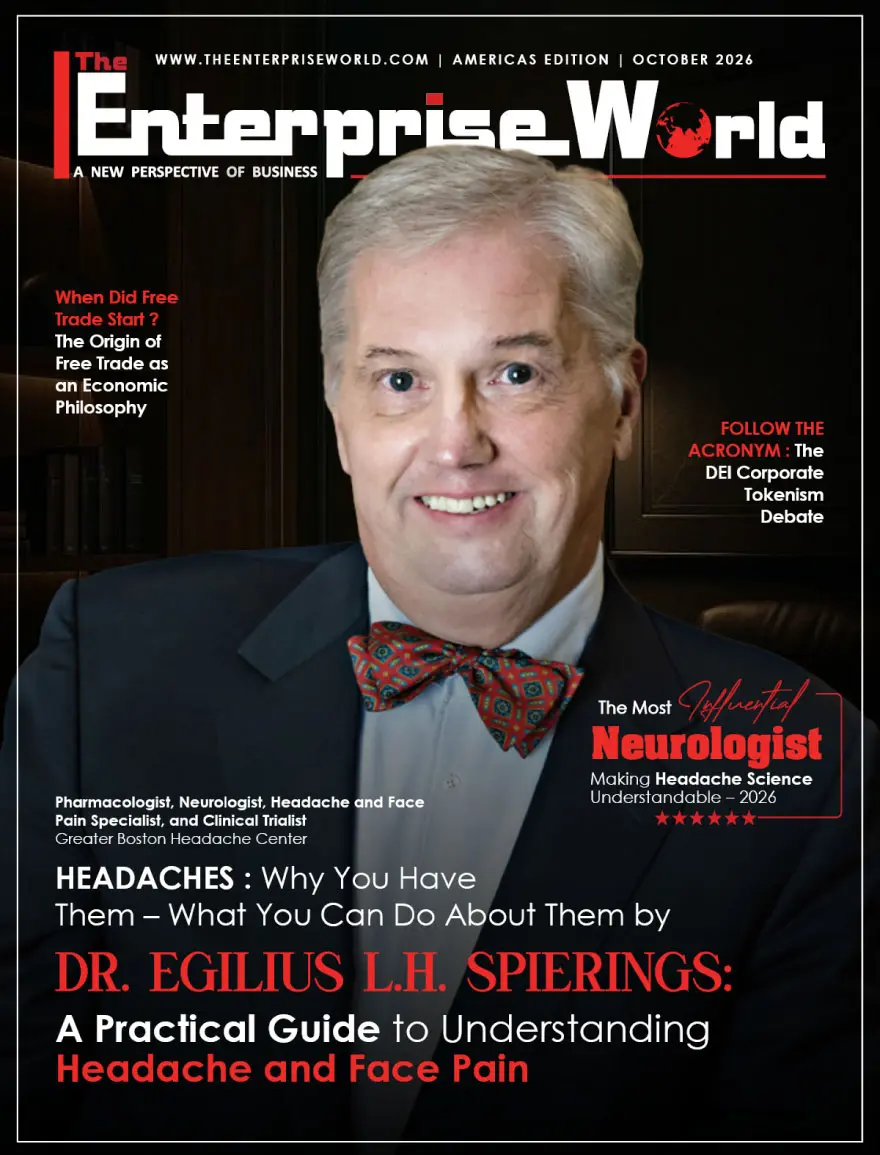
A headache can seem like a simple problem until it becomes frequent, severe, or difficult to explain. What seems like an ordinary symptom can take many forms, arise for different reasons, and require different approaches to care. For people experiencing recurring pain, understanding what lies behind it can be just as important as finding relief.
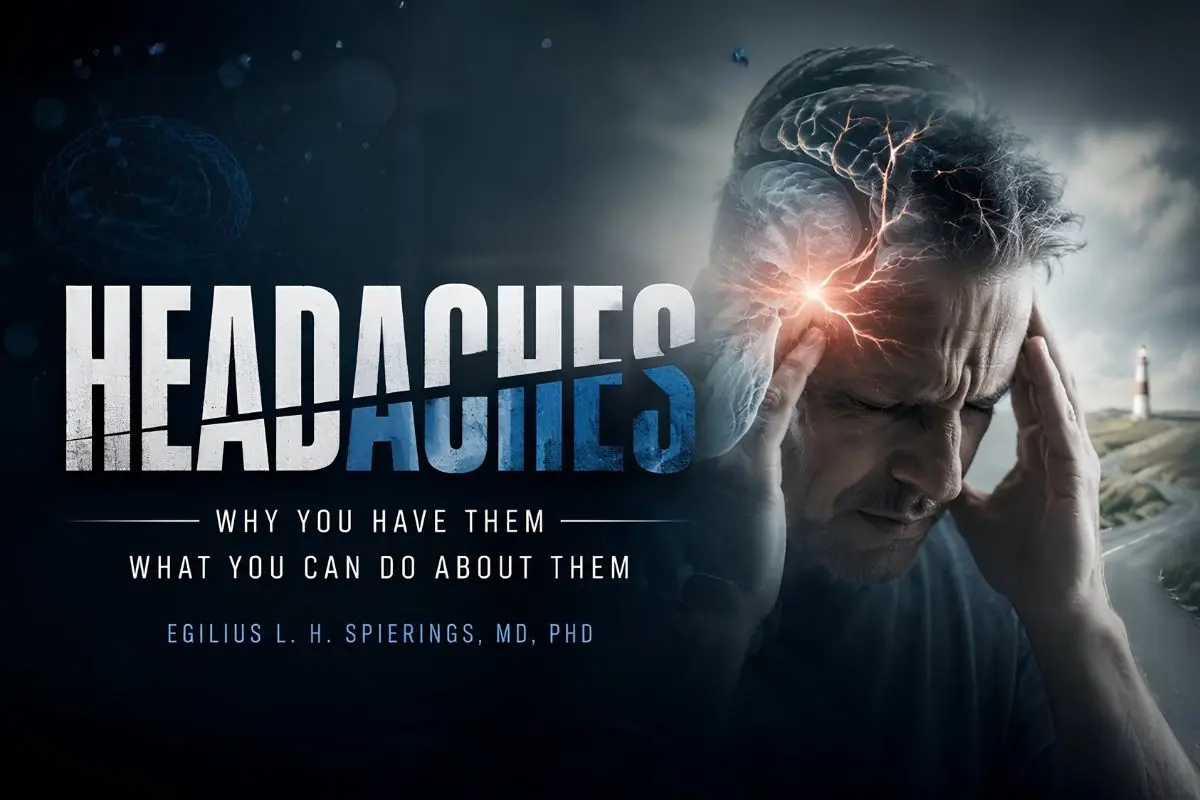
HEADACHES: Why You Have Them – What You Can Do About Them brings that understanding together in a clear and practical format. Drawing on the expertise of Dr. Egilius L.H. Spierings, pharmacologist, neurologist, headache and face pain specialist, and clinical trialist, the book explores the science behind headache disorders while addressing the questions patients are most likely to have.
The book examines everything from distinguishing common headaches from conditions that require medical attention to understanding migraine, treatment, prevention, and less familiar forms of head and face pain. Its focus remains practical, helping readers make better sense of their symptoms, recognize the questions worth asking, and understand how medical knowledge can support more informed care.
Dr. Egilius L.H. Spierings’s Specialist Perspective on Headache Science
Dr. Spierings’s career has focused on understanding and treating complex pain disorders. He earned his medical and research degrees from Erasmus University in Rotterdam, including an MD and PhD in experimental pharmacology, followed by postgraduate training in neurology, neurosurgery, and psychiatry. He later pursued specialized training in headache management at the Headache Research Foundation at Faulkner Hospital in Boston.
His academic career included serving as a professor of neurology and craniofacial pain at Tufts University Schools of Medicine and Dental Medicine, where he remained part-time faculty until retiring from academia in 2018. He subsequently continued his clinical and research work as Medical Director of Greater Boston Headache Center and MedVadis Research at Boston Advanced Medicine in Waltham, Massachusetts. Drawing on decades of research, clinical practice, and clinical trial experience, Dr. Spierings brings extensive knowledge of headache and face pain to HEADACHES: Why You Have Them – What You Can Do About Them, translating complex medical concepts into practical information for patients and healthcare professionals.
The Book Behind the Answers
Headaches are among the most common health concerns, yet understanding why they occur can be surprisingly complicated. Published by Fulton Books in 2025, HEADACHES: Why You Have Them – What You Can Do About Them examines the concerns people commonly face when headaches become frequent, intense, or disruptive. The book presents a complex area of medicine in a clear and accessible format for readers seeking practical answers.
Its coverage extends across a broad range of headache and face pain disorders. HEADACHES looks at migraine alongside everyday headaches, less common headache conditions, headaches associated with concussion and whiplash, and different forms of face pain. It also addresses concerns that often accompany these experiences, including diagnosis, medical evaluation, treatment, and prevention.
Written for both general readers and healthcare professionals, the book brings specialist medical knowledge into an accessible format. Rather than leaving readers with medical terminology alone, it explains the reasoning behind different approaches to headache care and connects scientific knowledge with practical questions and everyday concerns. In this way, HEADACHES offers a useful guide to a subject that can affect daily life in many different ways.
Why Do Headaches Happen?
The book begins with a question familiar to many people: why does a headache appear in the first place? HEADACHES explains that headaches can develop as a physiological response when the body is placed under strain. Fatigue, insufficient sleep, irregular meals, and physical or mental exertion can affect how the body functions and may create conditions in which a headache develops.
A central idea in the book is the relationship between fatigue and available metabolic energy. When less energy is available, muscles involved in maintaining posture may have greater difficulty relaxing properly. This can become particularly relevant when the body remains physically active or under sustained strain throughout the day.
The neck, shoulders, and upper back are especially important in this context, as persistent muscular tightness in these areas can contribute to the onset or continuation of a headache. By examining the connection between energy, muscle function, and head pain, HEADACHES encourages readers to consider what is happening throughout the body rather than viewing a headache as an isolated symptom.
Knowing When a Headache Needs Attention
One of the most immediate concerns surrounding headaches is whether they signal something dangerous. HEADACHES addresses fears involving brain tumors, bleeding, infection, and other serious conditions by explaining how physicians approach these possibilities. Conditions within the brain itself are uncommon causes of headache, while a detailed clinical history and examination can help determine whether a particular symptom pattern warrants further evaluation.
The book also explains why imaging is not automatically necessary for every headache. CT scans and MRI can provide important information when a physician identifies reasons for further evaluation, but they form part of a broader diagnostic process rather than replacing it. By explaining how clinicians distinguish ordinary headache disorders from symptoms that may require closer examination, the book helps readers understand what medical assessment actually involves and why further testing may or may not be appropriate.
Understanding Migraine Beyond Intense Pain
Migraine stands apart from an ordinary headache through its characteristic combination of symptoms and its effect on daily life. HEADACHES explains that an episode may be suspected when the pain becomes difficult to manage with nonprescription medication or significantly interferes with normal activities. Nausea or vomiting, pain that disrupts sleep, and symptoms that make it difficult to work or maintain everyday routines can provide important clues.
The book also makes clear that migraine is not simply a headache that happens to be more severe. It reflects an inherited susceptibility that can make an individual more prone to developing intense and disruptive episodes. This predisposition can become apparent at different stages of life, including childhood, and may remain relatively quiet until certain circumstances bring it forward.
Biological changes can also influence how this susceptibility appears. Migraine occurs more frequently among women, and hormonal fluctuations can affect its pattern, particularly around the menstrual cycle. Differences across age, sex, and biological circumstances help explain why migraine can follow different courses from one person to another.
The Many Faces of Migraine
A migraine episode can involve several bodily responses beyond the primary headache. HEADACHES examines symptoms such as nausea, vomiting, and sensitivity to light, sound, and smells, along with changes in body temperature and autonomic activity. These manifestations highlight the range of physical effects that may accompany an attack and help explain why migraine can be so disruptive even when pain is not the only concern.
The digestive system receives particular attention because migraine can affect gastric function. Delayed gastric emptying may contribute to nausea while also slowing the absorption of medication taken by mouth. The book also discusses conditions that may accompany chronic migraine, including fatigue, insomnia, anxiety, depression, musculoskeletal disorders, and gastrointestinal problems. Together, these observations show how migraine can involve multiple bodily systems and present differently across individuals.
What Actually Causes Headache Pain?
To understand headache, it is important to consider where the sensation of pain actually originates. HEADACHES explains that the brain itself does not contain pain-sensitive structures. Pain can instead arise from structures around the brain, including nerves, blood vessels, and other tissues capable of transmitting pain signals. This distinction provides an important foundation for understanding the biology of headache.
The book traces the development of scientific thinking about headache pain and examines the mechanisms involved in migraine. Its explanation includes interactions between nerve activity, blood vessels, and inflammatory processes affecting pain-sensitive structures. By placing these mechanisms in context, HEADACHES gives readers a clearer picture of why headache pain is a biological process involving several structures rather than a sensation generated directly by the brain.
Treating Migraine with the Right Approach
Effective migraine treatment depends on selecting a medication suited to the condition and the needs of the individual. HEADACHES reviews migraine-specific options including ergots, triptans, and newer medicines called gepants. It explains how these treatments differ and why the choice of medication can depend on the nature and severity of an attack.
Timing also matters when treating an acute migraine episode. The book discusses the importance of using medication at the appropriate stage of an attack and considers how the method of administration can influence treatment. These practical details can affect how effectively a medication addresses symptoms and how quickly relief may be achieved.
The book also highlights the risks of relying too heavily on acute medication. Frequent use can contribute to medication overuse or rebound headaches, potentially creating an additional cycle of pain. By addressing medication selection, timing, administration, and responsible use, HEADACHES gives readers a more informed framework for managing migraine attacks.
Building Better Headache Prevention
Prevention in HEADACHES centres on recognising what repeatedly precedes an episode and making practical changes before headaches become a recurring problem. The book encourages attention to consistent routines around sleep, meals, physical activity, and rest. Keeping track of when headaches occur can also help reveal patterns that may otherwize be difficult to notice.
Physical factors can also play a role in recurring symptoms. Persistent tightness in the neck, shoulders, or jaw may contribute to headaches, while problems involving the nose and sinus system may require separate attention. Alongside appropriate medical prevention, these observations give readers practical ways to identify patterns and consider factors that may be contributing to repeated headaches.

Headaches in the Context of General Health
Frequent headaches can occur alongside other health concerns, making it important to consider what else may be happening in the body. HEADACHES discusses associations with anemia, thyroid problems, hormonal changes, sleep disorders, anxiety, depression, gastrointestinal disorders, and chronic fatigue. These conditions do not all affect headaches in the same way, but each can become relevant when a person’s overall health changes.
Pregnancy receives particular attention because headache patterns during this period can carry different implications. The book notes that headaches may improve during pregnancy, while a new or worsening pattern can warrant evaluation for conditions such as anemia, low thyroid function, or high blood pressure. This broader health perspective reinforces the importance of considering changes elsewhere in the body when headache symptoms also change.
When Headache Disorders Take Different Forms
Migraine represents only one part of the wider group of headache disorders. HEADACHES introduces readers to cluster headache, which typically produces severe one-sided pain around or behind an eye and occurs in distinct periods. Unlike migraine, cluster headache follows its own characteristic pattern and associated features, making accurate identification important when considering treatment.
The book also covers less common conditions such as stabbing headache, paroxysmal hemicrania, and hemicrania continua. Some of these disorders have distinctive treatment responses, including the notable effectiveness of indomethacin in particular conditions. Headaches following concussion, whiplash, and other head or neck injuries are examined separately, as are forms of face pain associated with temporomandibular disorders, sinus conditions, and trigeminal neuralgia. Together, these examples highlight the wide range of conditions covered within headache and face pain disorders.
Making Complex Medical Knowledge Accessible
A subject as broad as headache medicine can quickly become difficult to follow when different conditions share similar symptoms. HEADACHES addresses this challenge through a structured progression of medical concepts, allowing readers to build their understanding as the discussion moves through diagnosis, migraine, pain mechanisms, treatment, prevention, and less familiar disorders.
The book also helps readers interpret medical information in a more meaningful context. Terms and conditions are not presented in isolation; they are connected to the symptoms, patterns, evaluations, and treatment considerations that give them practical relevance. For healthcare professionals, the book brings together concepts drawn from research and clinical experience in a concise format. For general readers, its organization offers a clearer way to understand a complex subject and recognize when professional medical guidance matters.

5 Key Takeaways By Dr. Egilius L.H. Spierings
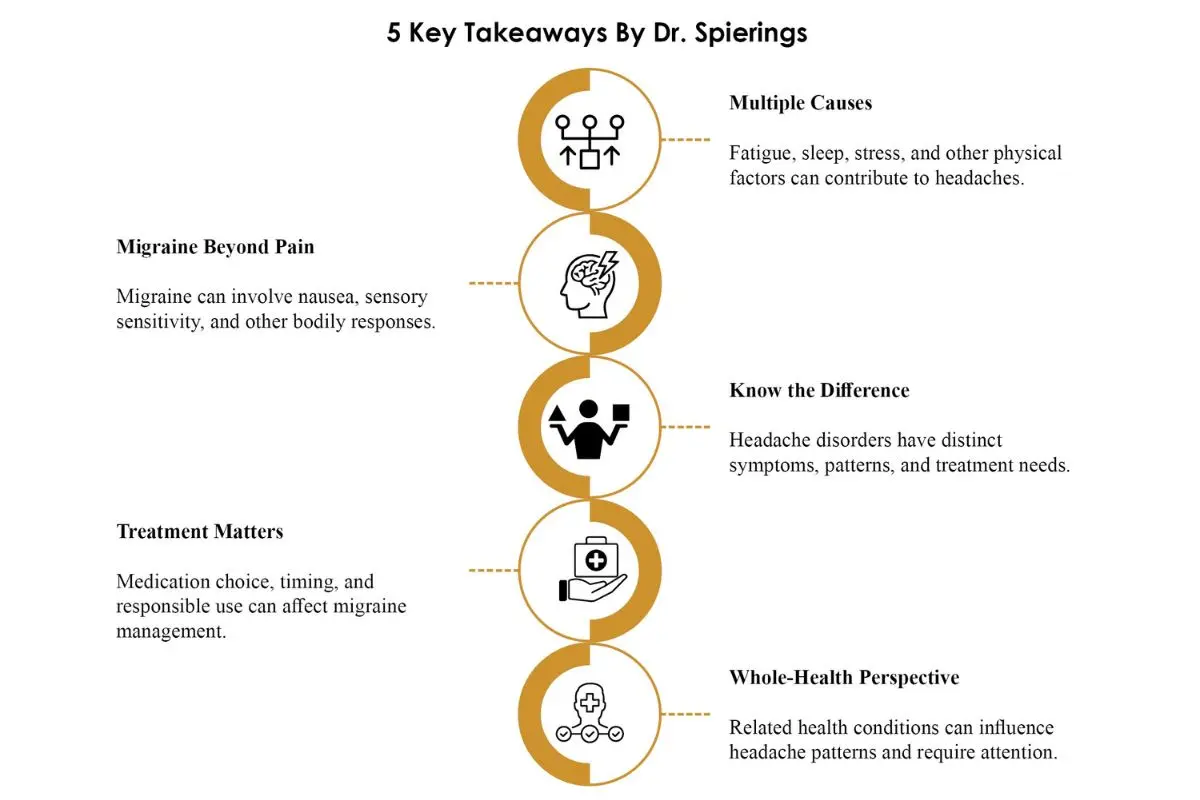
- Multiple Causes
- Fatigue, sleep, stress, and other physical factors can contribute to headaches.
- Migraine Beyond Pain
- Migraine can involve nausea, sensory sensitivity, and other bodily responses.
- Know the Difference
- Headache disorders have distinct symptoms, patterns, and treatment needs.
- Treatment Matters
- Medication choice, timing, and responsible use can affect migraine management.
- Whole-Health Perspective
- Related health conditions can influence headache patterns and require attention.













