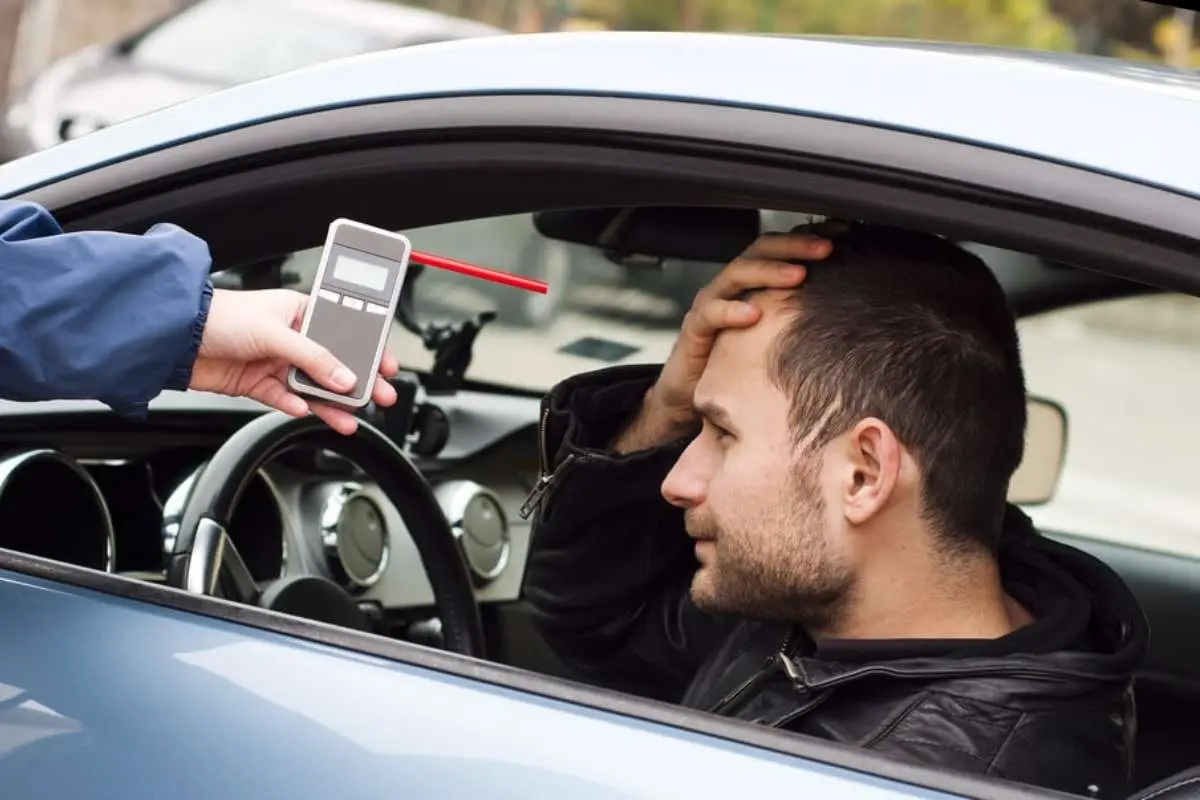
DUI technology is increasingly shaping what happens in a DUI case. A DUI case looks like a human drama — an officer, a driver, a roadside encounter. Underneath, it’s increasingly a technology story. The number that determines whether someone is charged comes from an electrochemical sensor. The device that lets a convicted driver back on the road is a networked breath-analysis computer. And the future of the whole problem may be a passive sensor that reads a driver’s blood-alcohol level from the ambient air of the cabin. Understanding that technology is now central to understanding DUI itself — which is why DUI attorneys spend as much time scrutinising instruments and data as they do arguing law.
Here’s how the technology works at each stage of a DUI case, and where its limitations create the questions that decide guilt.
The breathalyzer: an inference, not a measurement
The core technology of DUI enforcement is the evidentiary breath-testing instrument. DUI technology relies on these devices to detect alcohol in breath and infer blood-alcohol concentration.
That assumption is the technology’s central vulnerability. The partition ratio varies between individuals and within the same individual depending on temperature, breathing pattern, and physiology. Most instruments use fuel-cell or infrared spectroscopy to detect alcohol, and both are sensitive to interfering substances and to proper technique. This is why the instruments operate under a tightly regulated programme: instrument approval, operator certification, scheduled calibration, and maintenance logs — all of it discoverable, and all of it a potential point of failure. A machine out of calibration, an operator whose certification lapsed, or a skipped maintenance interval can undermine the single most persuasive piece of evidence in the case.
The ignition interlock: compliance as a connected device
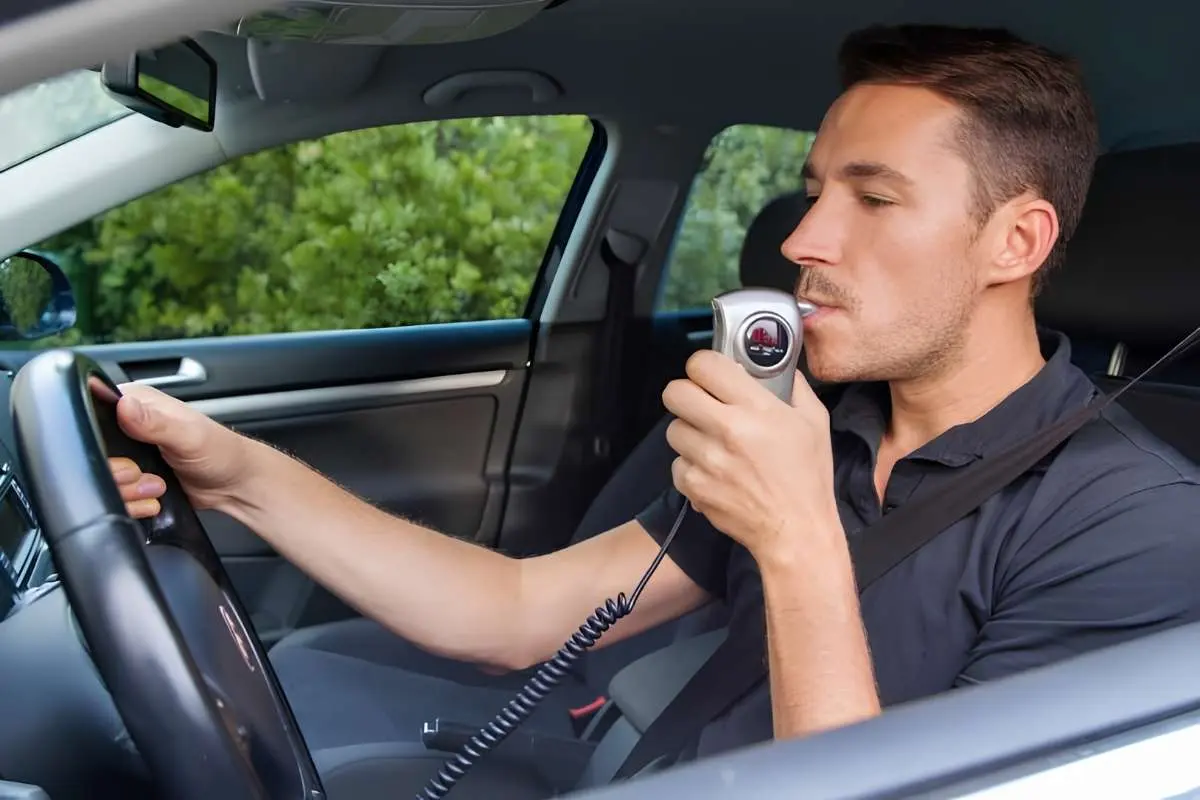
After a conviction, technology moves from proving impairment to preventing it. The ignition interlock device (IID) — a breathalyzer wired into a vehicle’s ignition — requires a clean breath sample before the engine will start, and demands “rolling retests” at random intervals while driving to ensure the sober driver is still the one behind the wheel.
Modern interlocks are essentially connected compliance computers. They log every test, timestamp every event, and in many programmes report the data to monitoring authorities. As TechBullion has detailed in its guide to what to expect when installing an ignition interlock device, the device requires professional calibration and tamper-resistant installation, and the data it generates becomes part of the driver’s compliance record. In Florida, an interlock is a common condition of restored driving privileges after a DUI, and the device’s log is treated as an authoritative account of the driver’s behaviour — which makes the reliability of that log a live issue in its own right.
The evidence trail: data beyond the breath test
Increasingly, DUI evidence runs on data well beyond the breath machine. Body-worn and dashboard cameras capture the stop, the field sobriety tests, and the arrest — objective footage that frequently contradicts the narrative in the written report. Modern vehicles carry event data recorders that log speed, braking, and steering. And the roadside itself is increasingly instrumented.
For the defense, this data cuts both ways. Video can undercut an officer’s account of erratic driving or a failed sobriety test. Timestamps can expose gaps in the required observation period before a breath test. The data trail is more complete than ever — and, like all digital evidence, it’s perishable, which means preserving it early is part of the technical work of a modern defense.
The frontier: passive alcohol detection
The most significant technology shift is still arriving, and it aims to prevent impaired driving rather than prosecute it. The Driver Alcohol Detection System for Safety (DADSS) — a partnership between the National Highway Traffic Safety Administration and the automotive industry — is developing passive sensors that can read a driver’s blood-alcohol level from the ambient air in the cabin or through a touch sensor, with no active breath sample required. If a driver is over the limit, the vehicle simply won’t move.
The policy momentum behind this is real: federal law now directs the development of a standard for passive anti-drunk-driving technology in new vehicles, a mandate projected to save thousands of lives a year. It represents a fundamental shift — from detecting impairment after the fact to designing it out of the driving experience entirely. The stakes explain the urgency: the NHTSA recorded 11,904 alcohol-impaired driving deaths in 2024, about 30% of all traffic fatalities, and technology like this is where much of the future prevention effort is concentrated. TechBullion has explored the broader picture in its look at how technology could improve DUI and drunk driving outcomes.
Where technology meets the law

For all its sophistication, the technology doesn’t remove the human judgment at the heart of a DUI case — it relocates it. The question is no longer just “was the driver impaired?” but “was the instrument reliable, was the data properly collected, and does the evidence actually establish what the state claims?”
This is why the technical and legal sides of a DUI case are inseparable. Florida defines DUI as either a blood-alcohol concentration of .08 or above or impairment of normal faculties — and the state’s proof of that .08 rests entirely on the reliability of a device and the integrity of its data. A defense that understands the technology can identify where the measurement, the calibration, or the data chain breaks down. And with the recent tightening of Florida law — including the criminalisation of a first breath-test refusal under 2025’s Trenton’s Law — the technology of the breath test, and the driver’s response to it, carries more legal weight than ever.
The takeaway
DUI technology is a system of sensors, connected devices, digital evidence, and emerging passive detection tools. Each layer is powerful, and each has limitations that determine outcomes. Understanding the technology isn’t a side issue in a DUI case — increasingly, it is the case.