Let’s be honest—logistics rarely grabs the spotlight. It’s the silent engine powering business, often overlooked until something goes wrong. But that engine has been under pressure, evolving rapidly in response to global disruptions, delays, and soaring freight costs. These challenges have pushed companies to rethink how they move goods, giving rise to emerging trends in 3PL partnerships that are reshaping the future of supply chain strategy.
And the people holding it all together? Third-party logistics providers. The 3PLs that used to just haul boxes and store goods are now the nerve centers of global trade. They’re tech partners, data translators, sustainability trackers… you name it. We’re watching a full-blown evolution happen in real time, and it’s honestly kind of fascinating. Here are three trends you should keep your eye on – whether you’re running a brand, managing a warehouse, or just trying to make sense of this messy new logistics world.
3 Emerging Trends in 3PL Partnerships to Watch Right Now
1. Regional Networks Are Quietly Taking Over
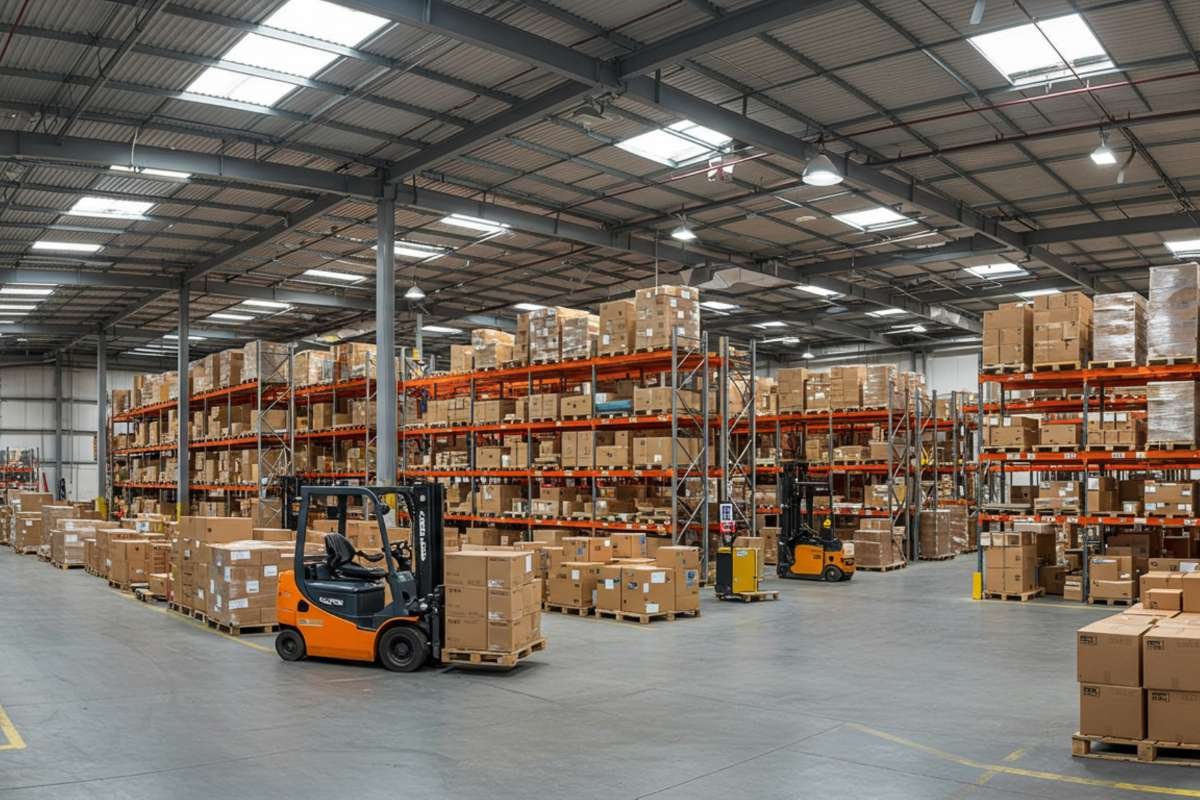
The old model of one big central warehouse pumping products nationwide? It’s dying. Slowly, but definitely dying. Businesses are realizing that putting everything in one place is just asking for trouble. Strikes, storms, port delays – one hiccup and the whole thing collapses. That’s why more and more companies are moving toward regional hubs that sit closer to customers.
It’s smarter, faster, cheaper (most of the time). A setup with multiple fulfilment points – say a west coast 3PL combined with a central hub – means shorter routes, fewer headaches, and lower emissions. Even better, it helps brands tailor operations to what people in each region actually buy. A clothing company can stock warmer gear up north, lighter gear down south. Food distributors can manage freshness without panic. It’s also a safety net – if one hub goes offline, the others keep you alive.
We used to think of logistics as a big, single machine. But it’s really becoming a network of smaller, smarter machines. That shift – that quiet decentralization – is one of the biggest revolutions happening in supply chain management right now.
2. Data Is the New Diesel
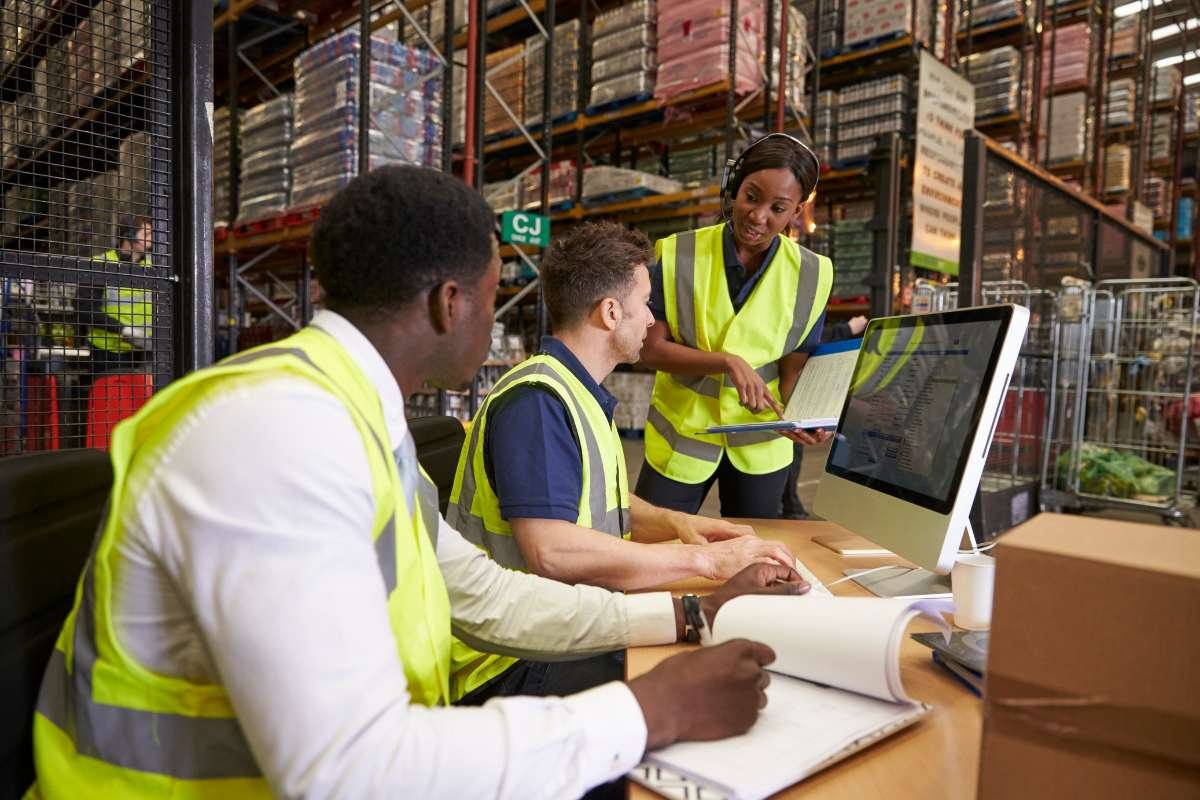
It’s almost funny how old-school logistics used to be—fax machines, endless spreadsheets, and gut instincts ruled the day. Now, emerging trends in 3PL partnerships are redefining the game with AI-driven insights, real-time dashboards, and predictive analytics. A modern 3PL can pinpoint your shipment’s location, estimate arrival time, calculate carbon impact, and even anticipate weather disruptions—all before you’ve had your morning coffee.
This tech isn’t just about fancy screens. It’s changing how decisions get made. Imagine a system that warns you your next batch of raw materials might get stuck at the border, or that demand is about to spike in one region so you should shift inventory now. That’s the level of precision some 3PLs are already offering. It’s not perfect, but it’s light-years ahead of how things used to work.
And the real kicker? Smaller companies now have access to this same level of intelligence. You don’t need to be Amazon to get predictive routing or live freight data anymore. 3PL tech stacks are making high-end analytics feel accessible – messy, sure, but accessible – to businesses that used to fly blind.
3. Sustainability Isn’t Just a Buzzword Anymore

For a long time, “going green” in logistics was more of a marketing line than a serious strategy. That’s changing fast. Regulators are watching, customers are demanding accountability, and frankly, fuel prices aren’t helping. Modern 3PLs are turning sustainability into a measurable, trackable part of the business. Tools like carbon tracking dashboards are letting companies see – in brutal detail – how much every shipment costs the planet.
It’s not just about cutting emissions anymore. One of the most compelling emerging trends in 3PL partnerships is the rise of circular logistics—a concept gaining traction in boardrooms for good reason. Instead of simply shipping products out, companies are now designing systems to bring items back in through returns, repairs, recycling, and repackaging. It’s a loop, not a line. From furniture brands refurbishing used pieces to tech companies reclaiming old components, this shift is reshaping how logistics supports sustainability and long-term value.
And here’s the thing – it’s not just good PR. Done right, it saves money and builds loyalty. Customers notice when a brand takes sustainability seriously, and partners notice when a 3PL helps them hit their ESG targets without drowning them in complexity.
Wrapping It Up (Without a Bow)
If there’s one takeaway from all this, it’s that logistics isn’t boring anymore. It’s scrappy, it’s data-driven, it’s unpredictable – and it’s quietly shaping how every modern business runs. The 3PLs that used to stay in the background are now at the front lines, solving problems before most of us even know they exist.
From flexible regional networks to smart analytics and greener systems, emerging trends in 3PL partnerships are no longer just industry buzz—they’re the new baseline. Companies that treat logistics as a dynamic, strategic function rather than an afterthought will be far better equipped to weather the next global disruption. Those that don’t? They’ll still be waiting for their shipment to clear customs.