Warehouse robots now hum with a steady, tireless confidence. Despite their sophisticated silicon brains and robust steel arms, many companies still simply comply with basic automation requirements. The leaders? They refuse to settle. Warehouse floors don’t just need more robots. They demand brighter ideas and sharper strategies. Businesses today are reaching past the expected fixes. It isn’t enough to upgrade hardware or tweak the code. The innovative companies enquire: what truly drives these machines to perform better, reduce costs, and operate more reliably? Four strategies stand out above the crowd.
1. Redesigning Workflow Around Robots
Legacy workflows drag down even the sleekest devices. Some executives throw money at robot fleets and then wonder why chaos follows. To improve warehouse robot efficiency, teams are stepping back and remapping every aisle, shelf, and choke point for robotic logic instead of human habits. People zigzag intuitively. Machines loathe surprises but thrive on clear pathways and repeatable tasks. Shelving is lowered or raised (depending on the gripper arm’s reach), and aisles widen or shrink (according to navigation width). The result? The result is reduced traffic jams and fewer wasted motion cycles. Machines finally get a layout that fits them rather than forcing them into an old template.
2. Real-Time Data-Driven Adjustments

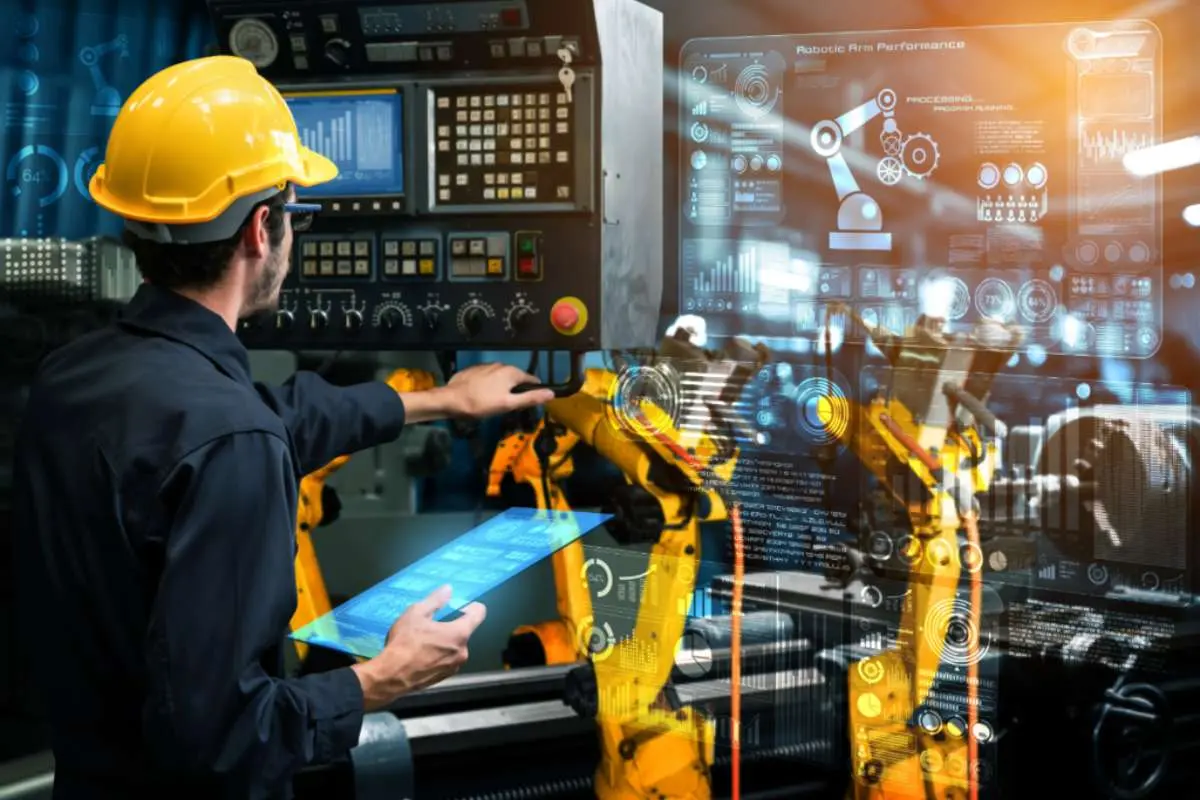
Forget quarterly reviews—decisions can’t wait three months when a sensor is already flashing red. Operations teams now monitor dashboards with the precision of hawks, ensuring every stream of sensor data feeds into real-time control towers above busy conveyor belts. Spot a slowdown in Zone 4? Instantly reroute robots along shorter paths before delays escalate. Battery levels dipping too low? Dispatch relief units without hesitation, not after an operator’s coffee break. This kind of agility is what sustains warehouse robot efficiency, preventing small hiccups from snowballing into costly, warehouse-wide disruptions.
3. Smarter Collaboration With Human Workers

The myth of total robot takeover pulls focus from real progress. Humans remain essential partners inside most warehouses. Leading companies implement layered shifts, where humans engage in creative problem-solving while robots perform repetitive and heavy lifting, both literally and metaphorically. Employee tablets buzz with instant updates about approaching droids. Wearable tech lets staff summon help to their exact location if inventory snarls or emergencies arise nearby. Neither side wastes time searching for the other or duplicating effort. The synergy boosts both speed and safety.
4. Predictive Maintenance Over Routine Repairs

Downtime still haunts robotic operations like an old ghost story managers whisper about after midnight shift changes. Here’s something new: predictive maintenance powered by machine learning models that study vibration patterns, temperature spikes, and motor current wobbles across thousands of hours of usage logs, not some arbitrary schedule cooked up in a boardroom ages ago. Robots call for tune-ups only when they’re truly needed, which slashes repair costs and prevents those gut-wrenching sudden breakdowns that leave pallets stranded halfway through fulfillment runs.
Conclusion
It’s easy to invest in automation and assume everything will run smoothly, but that mistake often undermines warehouse robot efficiency. Too many competitors still rely on outdated playbooks from the last automation wave, only to fall short. Forward-looking businesses understand that true gains come from blending smarter workflows, real-time decision-making, human collaboration, and next-generation maintenance—an approach that pushes performance beyond old limits without inflated budgets or empty promises.
Also Read: 4 Ways You Can Improve Efficiency Within Your Warehouse