


Every gadget we plug in silently contributes to our household’s overall carbon footprint, often without our knowledge. The good news is that reducing this impact doesn’t require a complete lifestyle overhaul. By making a few deliberate upgrades to Energy efficient smart home devices, you can effortlessly optimize your power consumption and drastically cut down on electronic waste. Let’s look at exactly how to implement these changes.
What are the best energy saving devices for a home?
Start with the devices that are already plugged in. Appliances carrying an energy-efficiency label, LED bulbs, and smart plugs that shut off phantom power draw are an easy place to begin cutting both waste and cost. Even something as ordinary as a phone upgrade fits into this picture. Choosing a refurbished phone instead of a brand-new one trims the environmental cost tied to manufacturing, and you’re still getting a device that performs the way you’d expect.
Then there’s the thermostat sitting on the wall, often overlooked. A smart version learns your routine over a week or two, noticing when you leave, when you’re home, and how warm you actually like the house, and it adjusts on its own. You stop paying to heat or cool an empty living room. Over a few months, that kind of quiet automation shows up as a real difference on the utility bill, without you having to think about it daily.
Smaller fixes matter too. Motion-sensor lighting in hallways and power strips that cut standby draw for the whole entertainment setup aren’t dramatic on their own. Put them together, though, and a home starts running leaner. That’s really the pattern worth noticing. Efficiency rarely comes from one big purchase; it comes from a handful of small ones, chosen well.
What are some examples of sustainable technology?
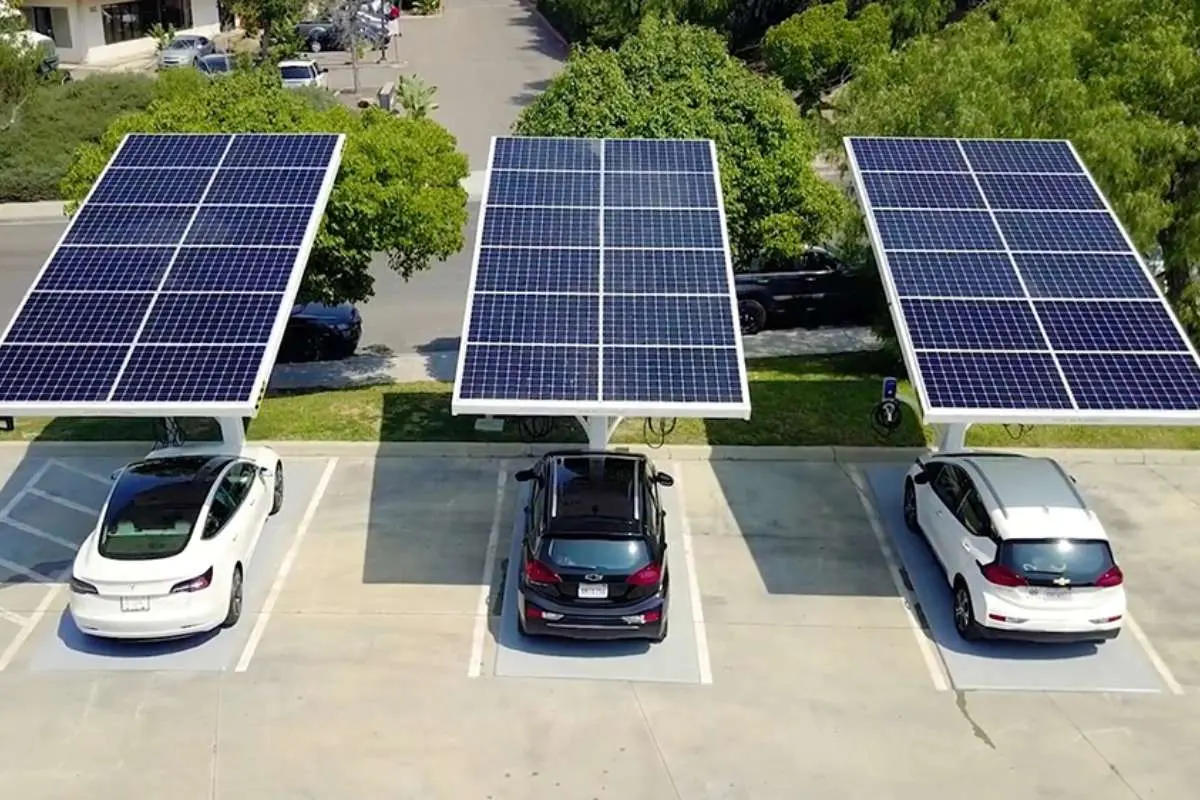
Sustainable technology isn’t confined to solar arrays on the roof or an electric car in the driveway. It shows up in ordinary choices too, like picking a refurbished iPhone over a fresh-out-of-the-box one. That single decision reduces demand for new raw materials and keeps a perfectly capable device in circulation instead of in a drawer or a landfill.
This is the space Back Market has built its business around. It’s a global marketplace focused on giving electronics a longer life through refurbishment, working against the throwaway habits the tech industry tends to encourage. Because of platforms like Back Market, getting your hands on well-tested technology no longer means feeding a constant cycle of production and disposal.
Solar-powered chargers, gadgets made from recycled materials and home energy monitors that show you exactly where the electricity is going all point in the same direction. Good technology and a genuine care for the planet are not competing priorities. A home can be functional but still feel pleasant, contemporary, and completely livable.
Smart home systems are another example. Connected sensors can monitor temperature, lighting and even water use, helping households understand where resources are being wasted. For instance, a smart lighting system can turn off lights in an empty room, while a leak detector can alert you to a plumbing problem before it becomes more serious. These devices are most useful when they solve a genuine problem rather than simply adding another gadget to the home.
There are also practical ways to make existing technology last longer. Keeping a phone’s software updated, using a protective case, avoiding extreme temperatures and looking after the battery can all help extend its useful life. The same goes for laptops and tablets, which may continue working well for years with basic maintenance. A device does not necessarily need replacing just because a newer model has arrived with a slightly better camera or a different design.
Repairability matters here as well. When choosing a new electronic device, it is worth checking whether replacement batteries, screens or other common parts are available. A product that can be repaired easily is less likely to become electronic waste after a minor fault. Before discarding a device that no longer works properly, consider whether a repair could restore it to good condition. In some cases, a relatively small fix can save money and prevent an otherwise usable product from being thrown away.
Of course, sustainable technology is not only about what we buy. It is also about what happens when a device reaches the end of its useful life. Old phones, chargers, cables and batteries should not simply be tossed into ordinary household rubbish. Many contain materials that can be recovered, while some components require specialist handling. Local recycling centres and electronic waste collection schemes offer a more responsible way to dispose of equipment that cannot be repaired or reused.
Passing on working electronics is another option. A spare phone could be useful to a family member, while an old laptop might still meet the needs of someone who mainly browses the internet or writes documents. Donating or selling functional devices gives them another chance to be used. Before passing one on, remember to back up your files, sign out of accounts and perform a factory reset to protect your personal information.
How can you make your home more sustainable without spending too much?

While investing in Energy efficient smart home devices is an excellent way to automate your savings, creating a greener home doesn’t have to start with expensive equipment or major renovations. In fact, beginning with foundational changes that cost nothing is a highly sensible approach. Simple habits like turning off unnecessary lights, washing clothes at lower temperatures, maximizing natural daylight, and avoiding excessive heating or cooling will instantly reduce your household energy demand.
It helps to look at your daily habits before deciding what to purchase. If you often leave devices charging overnight, for example, you could review whether they need to remain connected for so long. If you tend to forget to switch off lights, motion sensors may be useful in certain areas. By identifying the habits that cause the most waste, you can choose solutions that fit your routine instead of spending money on technology you may rarely use.
When you do need to replace a device, compare the long-term costs rather than looking only at the initial price. An energy-efficient appliance may cost more upfront but use less electricity over time. A refurbished phone or laptop may also offer the features you need without the cost and environmental impact associated with manufacturing a brand-new product. The best option depends on the device, its condition, the price and how long you expect to use it.
It is equally important to avoid buying products simply because they are marketed as eco-friendly. A new smart device still requires materials and energy to manufacture, package and transport. If it does not solve a real problem or replace something less efficient, its environmental benefits may be limited. A thoughtful purchase is one that meets a clear need and is likely to remain useful for a long time.
Finally, try to measure progress in realistic terms. You do not need to transform every room or replace all your electronics in a single weekend. Start with one or two changes, see how they work in practice and build from there. Over time, these small decisions can become everyday habits that benefit both your household budget and the environment.
As noted in the introduction, none of this demands a complete lifestyle reset. It is simply about a series of deliberate choices a tweaked thermostat setting, a refurbished laptop, or selectively integrating Energy efficient smart home devices that compound over time to lighten your footprint. A greener home isn’t built by blindly buying every new gadget on the market; it is built by using energy thoughtfully, maximizing the lifespan of your current electronics, and choosing replacements with care. When these intentional decisions become everyday habits, your home operates sustainably without sacrificing an ounce of comfort.