Key Takeaways:
Critical Supply Depletion: Europe has roughly six weeks of jet fuel remaining as the Iran war blockades the Strait of Hormuz.
Operational Retrenchment: Airlines like KLM have begun canceling flights, not due to physical shortages yet, but because surging costs make routes non-viable.
Systemic Economic Threat: The IEA warns of a “dire” jet fuel crisis that could trigger global inflation and flight cancellations between major cities.
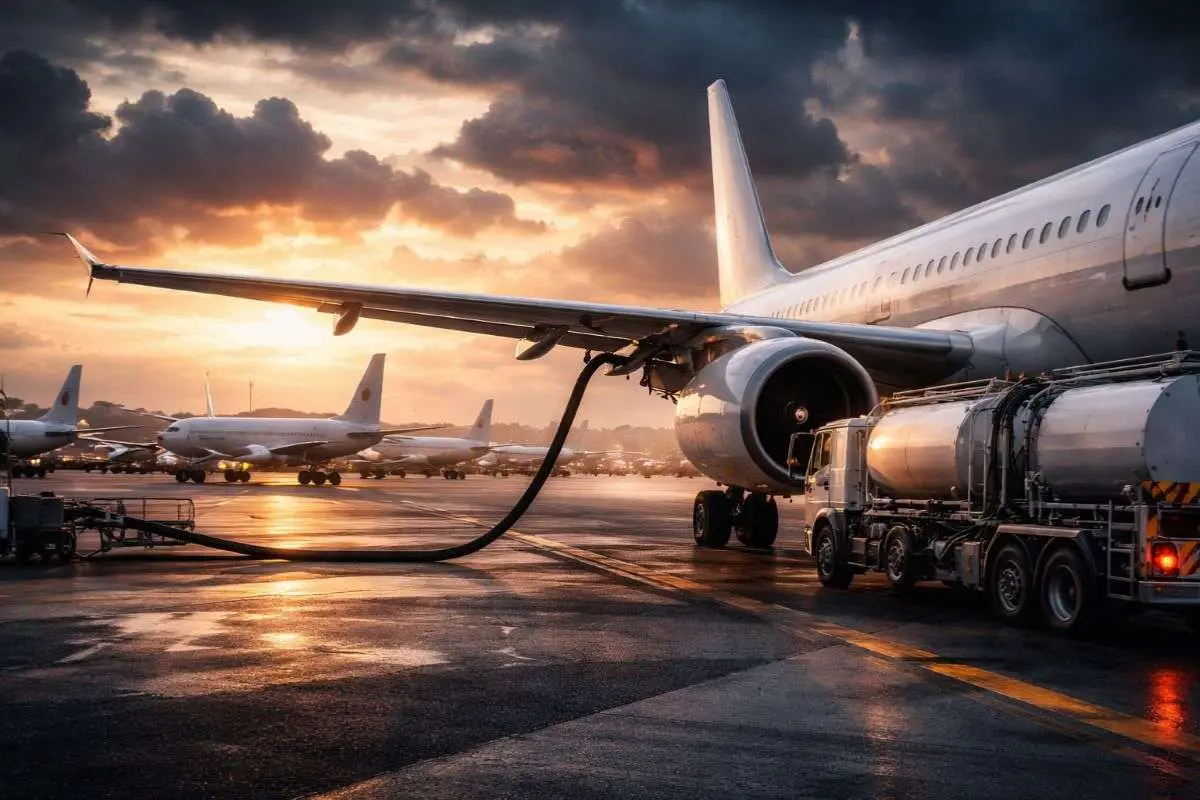
Europe has about six weeks of jet fuel supply remaining as the Iran war disrupts oil shipments through the Strait of Hormuz, raising the risk of flight cancellations and higher fuel costs across the region, intensifying concerns over a growing europe jet fuel crisis.
The warning came from Fatih Birol, head of the International Energy Agency, who said flight disruptions could begin within weeks if Middle East oil supplies are not restored.
“I can tell you soon we will hear the news that some of the flights from city A to city B might be cancelled as a result of a lack of jet fuel,” Birol told the Associated Press.
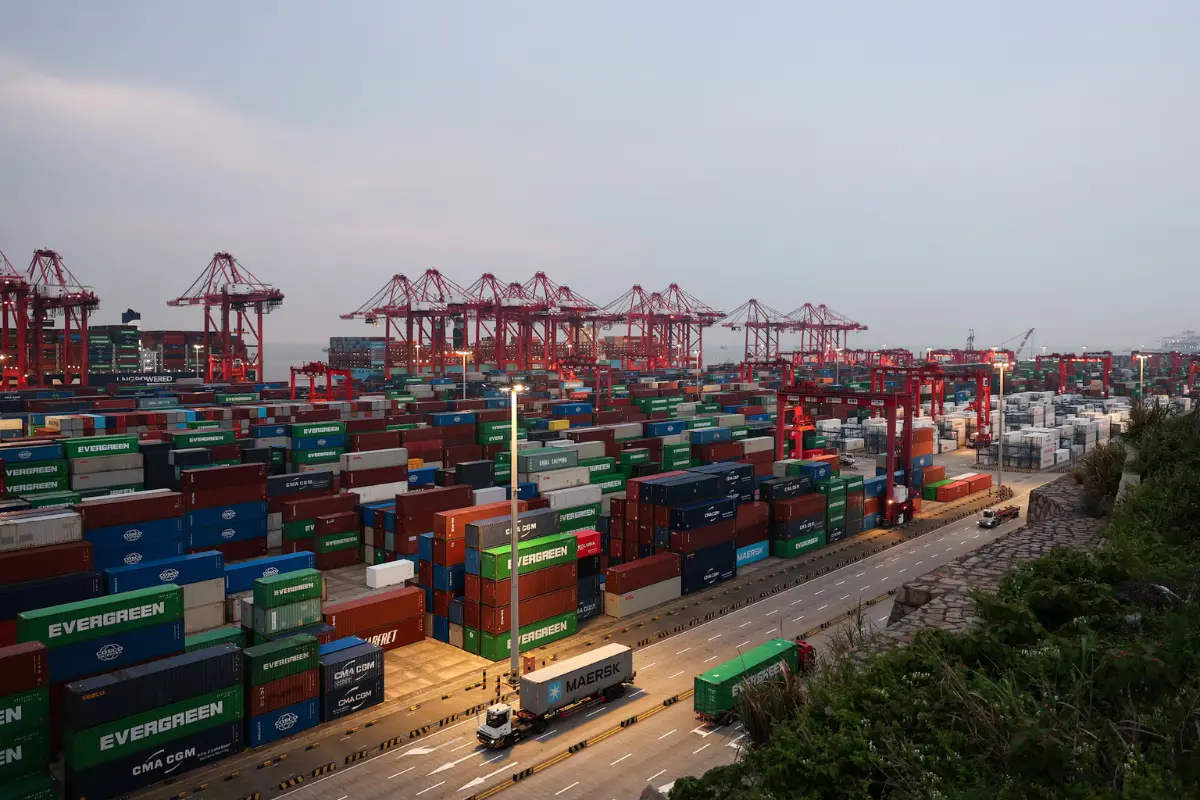
The conflict between the United States, Israel and Iran has disrupted global energy markets since strikes began in late February. In response, Iran has effectively closed the Strait of Hormuz, a key route for crude oil and fuel exports from Gulf producers.
Although the United States and Iran agreed to a two-week ceasefire last week, talks to end the war broke down over the weekend. Indirect negotiations brokered by Pakistan are continuing.
Brent crude futures remain more than 30% above prewar levels, increasing pressure on airlines and consumers. Higher fuel prices are also creating political challenges for Donald Trump as gasoline and energy costs rise, further worsening the europe jet fuel crisis.
Airlines Cut Flights as Fuel Costs Rise
Some airlines have already started reducing services because the rising cost is leading to a jet fuel crisis, even where physical shortages have not yet emerged.
KLM said Thursday it will cancel 160 flights over the next month, representing less than 1% of its schedule.
The airline said the cuts involve short-haul European routes that are no longer profitable because of rising kerosene costs.
“This concerns a limited number of flights within Europe that, due to rising kerosene costs, are currently no longer financially viable to operate,” KLM said in a statement. “There is no kerosene shortage.”
The airline said it expects a busy May holiday season and is working to ensure passengers can still reach their destinations, even as the europe jet fuel crisis continues to impact operations.
Air France-KLM has hedged 87% of its fuel exposure, but still decided to reduce flights. The cancellations are focused on routes from Amsterdam to London and Düsseldorf, where passengers can be rebooked more easily.
Strait of Hormuz Closure Tightens Supply
Europe has not yet experienced major shortages because fuel shipments that departed before the conflict have continued arriving. Industry officials say those final cargoes have now reached Europe.
Birol said Europe has “maybe six weeks or so” of jet fuel remaining. The warning follows comments from Airports Council International Europe, which said last week that Europe was about three weeks away from shortages, highlighting the urgency of the europe jet fuel crisis.
Airports and airlines typically maintain about six weeks of fuel reserves. However, the length of the conflict has depleted emergency stockpiles, while suppliers outside the Gulf region do not have enough spare capacity to replace lost shipments.
Energy Chief Warns of Wider Economic Fallout
Birol said the energy disruption will extend beyond aviation and affect households and businesses worldwide, warning that the europe jet fuel crisis could have wider economic consequences.
“In the past, there was a group called Dire Straits,” Birol said. “It’s a dire strait now, and it is going to have major implications for the global economy.”
He said consumers should expect higher gasoline, gas and electricity prices if the conflict continues.
Meanwhile, easyJet said it does not expect fuel supply problems in the near term.
“We have visibility to the middle of May and we have no concerns,” easyJet Chief Executive Kenton Jarvis said.