Key Takeaways
- The ECB raised its benchmark interest rate by 25 basis points Thursday.
- Higher oil prices pushed eurozone inflation to 3.3% in August.
- Businesses may face higher borrowing costs across the eurozone economy.
The European Central Bank raised its benchmark interest rate by 25 basis points to 2.50%, citing higher oil prices and rising inflation. The decision came as the eurozone economy showed stronger-than-expected activity, supporting businesses despite higher borrowing costs.
Higher Oil Prices Add Pressure On Eurozone Inflation
The European Central Bank said higher energy prices were adding to inflation pressure across the eurozone. Oil prices have moved above $100 per barrel amid concerns over disruptions to shipping through the Strait of Hormuz.
Eurozone inflation reached 3.3% in August, above the ECB’s 2% target. Higher energy costs can raise expenses for businesses across manufacturing, transport, construction, and other sectors.
The European Central Bank last raised rates on June 11 before keeping rates unchanged at its July 23 meeting. Thursday’s increase brought the benchmark rate to 2.50%.
Higher interest rates increase borrowing costs for banks, which can then raise lending rates for businesses and consumers. More expensive loans can affect spending on property, equipment, expansion, and other investments.
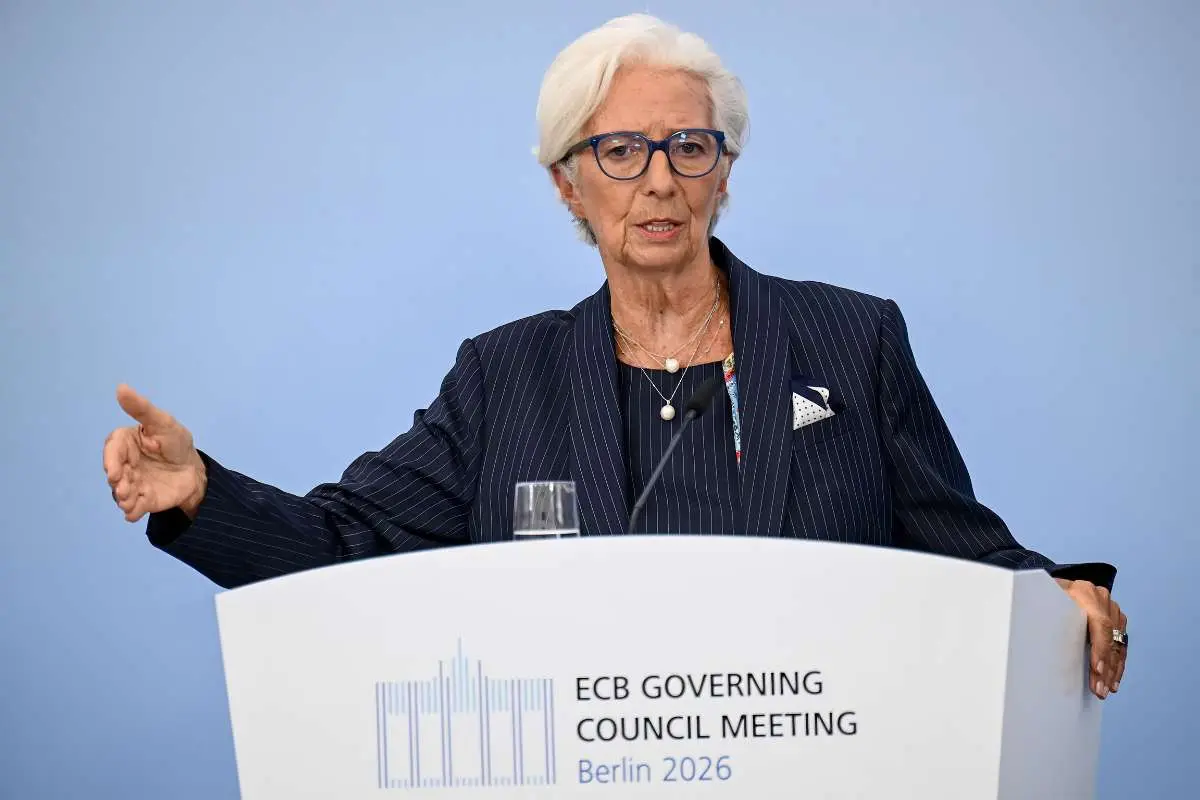
ECB President Christine Lagarde said inflation was expected to remain above the bank’s target for an extended period. She also said future rate decisions would depend on incoming economic data.
The central bank has not committed to a fixed path for future rates. Its decisions will depend on changes in inflation, energy prices, economic growth, and other available data.
For businesses operating in the eurozone, the rate increase adds to financing costs at a time when energy expenses are also under pressure. Companies with variable rate loans may see changes in their interest expenses as bank lending rates adjust.
Stronger Economy Gives ECB More Room To Raise Rates
The rate increase came alongside signs of stronger economic activity in the eurozone. The ECB said the economy had performed better than expected, suggesting businesses could manage higher borrowing costs.
The central bank faces a difficult balance between controlling inflation and supporting economic activity. Higher rates can reduce demand by making loans more expensive, while lower demand can help reduce pressure on prices.
Energy prices have made that task harder. The rise in oil prices can affect businesses directly through fuel and transport costs. It can also increase the cost of producing and moving goods across markets.
The ECB said risks to inflation were tilted higher, while risks to economic growth remained on the downside. The duration of higher oil prices remains uncertain, adding to the difficulty of setting future interest rates.
The ECB is the central bank for the 21 European Union countries that use the euro. Its benchmark rates affect banks across the eurozone and influence borrowing costs throughout the regional economy.
Inflation concerns are also affecting monetary policy discussions in the United States. The US Federal Reserve is scheduled to hold its next policy meeting on September 15 and 16. US inflation stood at 3.7%.
For entrepreneurs and business owners with eurozone operations, the ECB’s latest move means financing conditions remain tighter. Energy prices and interest rates will continue to affect operating costs, borrowing expenses, and investment decisions as the central bank reviews incoming data.