Key Takeaways
- Oil crosses $100 as supply risks intensify.
- Businesses face higher costs and renewed inflation pressure.
- The crisis could reshape global energy and trade routes.
Oil Surges Above $100 on September 10 as escalating military tensions between the United States and Iran increased concerns about disruptions to global energy supplies. Brent crude climbed above $107 a barrel, while U.S. West Texas Intermediate (WTI) rose above $102, taking both benchmarks to their highest levels since May. The Oil Surges Above $100 move reflects growing concerns over potential supply disruptions.
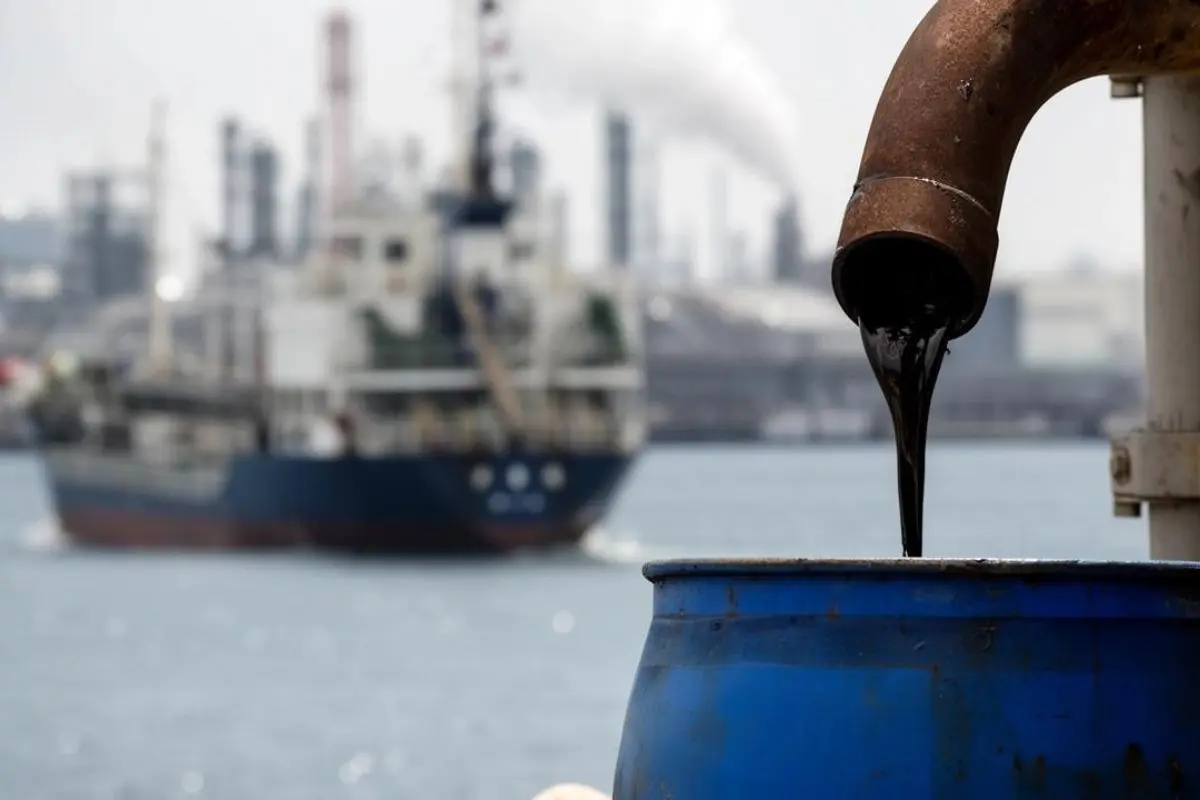
The latest rally followed attacks involving oil tankers near the Strait of Hormuz, a critical shipping route for global energy markets. Iran said its forces had attacked 10 vessels after the United States destroyed five Iranian tankers. Tehran described the attacks as retaliation, adding another layer of uncertainty to an already volatile situation.
The Strait of Hormuz has become the main focus for energy markets because of its importance to the movement of oil and liquefied natural gas from the Middle East. Any sustained restrictions on shipping through the waterway could reduce supplies reaching major international markets and force buyers to compete for alternative sources, adding further momentum to the Oil Surges Above $100 trend.The market reaction reflects concerns that the disruption could extend beyond individual tanker attacks. If shipping remains restricted for a prolonged period, oil producers and consumers could face higher transportation, insurance and supply costs.
For traders, the possibility of a longer disruption has increased the risk premium attached to crude. The sharp rise in prices also signals growing concern that the conflict could affect not only shipping but also regional oil production and export infrastructure.
Prolonged Conflict Adds Pressure on Global Energy Markets
The outlook became more uncertain as President Donald Trump indicated that the conflict could continue for an extended period. Expectations of a prolonged confrontation have made energy traders more cautious about the availability of crude in the months ahead.
The risks also extend beyond the Strait of Hormuz. Iran-aligned Houthi forces in Yemen have increased activity around the Red Sea, raising concerns about another important route for global trade and energy shipments.
The possibility of disruption around both the Strait of Hormuz and the Bab el-Mandeb Strait has intensified concerns among shipping companies and energy buyers. Continued instability could force vessels to avoid certain routes, increasing journey times, fuel consumption and insurance expenses.
The broader regional conflict is also creating concerns about energy infrastructure. Any damage to production facilities, pipelines, export terminals or storage sites could further tighten global supplies and push prices higher.
Financial markets have responded cautiously as investors assess the potential economic consequences. Higher oil prices could weigh on businesses that rely heavily on fuel and transportation, while governments may face renewed pressure to contain inflation.
The impact could be particularly significant for airlines, logistics companies, manufacturers, and other industries where energy represents a substantial operating expense. Higher fuel and freight costs could eventually be passed on to consumers through increased prices.
Businesses Face Fresh Inflation and Cost Risks
The biggest concern for the global economy is whether crude prices remain above $100 a barrel for an extended period. A temporary spike would create challenges for businesses, but a prolonged increase could have broader consequences for inflation, consumer spending and economic growth.
Higher crude prices generally translate into more expensive gasoline, diesel, aviation fuel and other petroleum-based products. Transportation costs can then affect everything from manufacturing and agriculture to retail and international trade.
Shipping costs are already facing additional pressure as operators account for heightened security risks in the region. Insurance premiums can also rise when vessels travel through areas affected by military activity, adding to the cost of moving goods and energy.
The situation could become more difficult if production disruptions continue. Market participants are increasingly considering scenarios in which Brent crude could climb toward $120 a barrel if supply losses persist and major shipping routes remain restricted.
For businesses, the challenge is therefore not simply the price of crude. Companies must also account for whether energy supplies can be transported reliably and at predictable costs. Prolonged disruptions could make supply-chain planning more difficult and force companies to reconsider inventories, shipping routes and energy budgets.
The latest oil surge demonstrates how quickly geopolitical tensions can create economic consequences far beyond the conflict zone. With uncertainty surrounding the duration of the U.S.-Iran confrontation and the security of major Middle Eastern shipping routes, oil prices are likely to remain highly sensitive to developments in the region.
If disruptions continue across multiple trade corridors, the impact could extend well beyond energy markets, influencing inflation, business costs and the broader outlook for the global economy.