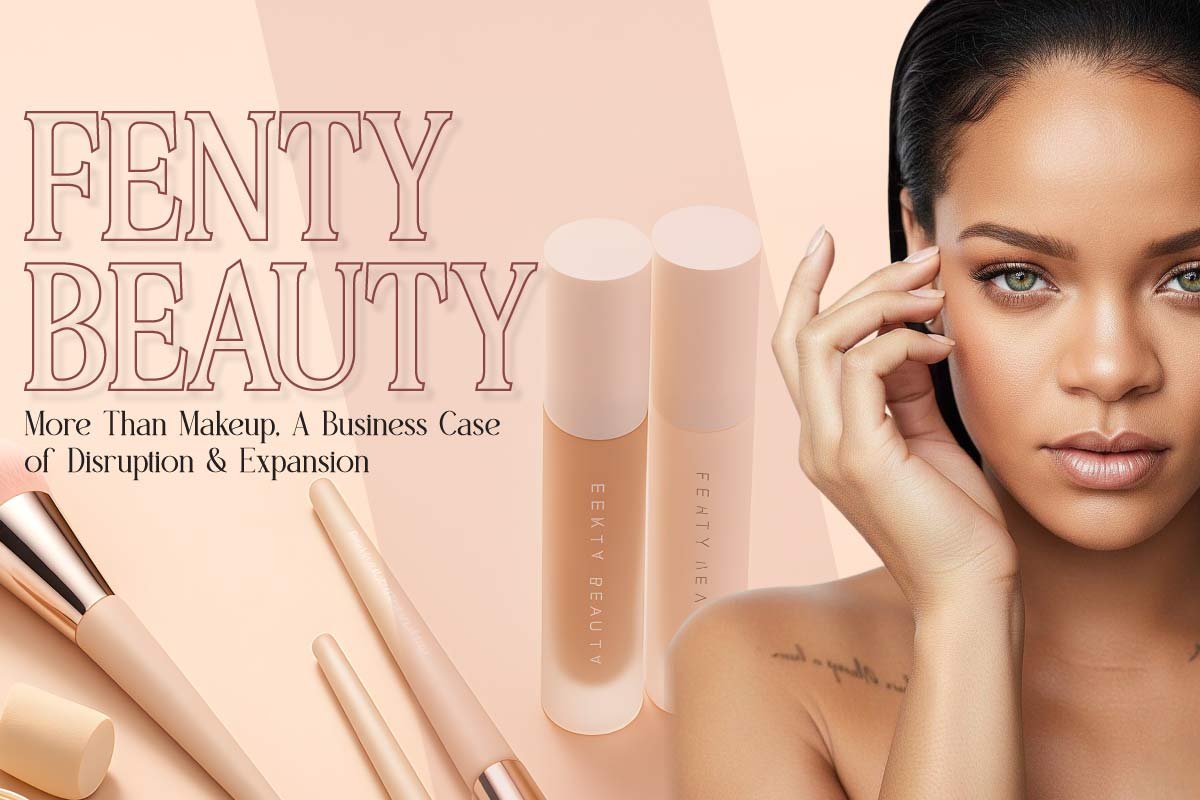
In 2017, the beauty world stood still for a moment. Rihanna, already a global superstar, walked onto a stage not with a new song, but with a new vision: Fenty Beauty. Partnering with LVMH’s Kendo division, she wasn’t just launching another celebrity brand; she was rewriting the rules. The mission was simple yet revolutionary: makeup for everyone. Her debut line made history with 40 foundation shades, instantly setting a new standard for inclusivity. Women who had spent years mixing products to find their match finally saw themselves on the shelves.
Overnight, Fenty became more than a beauty label; it was a movement, challenging an industry long criticized for ignoring diversity. Rihanna’s bold step turned into a cultural shift, proving that true beauty shines brightest when no one is left out.
Beyond Foundation: The Expanding World of Fenty Beauty

When Fenty Beauty first launched in 2017, it entered the world with a bold strategy: Sephora exclusivity and a strong online presence. Customers lined up outside Sephora stores, while others rushed online to grab products that spoke to them in shades never before offered. The buzz was immediate, and demand spread far beyond the United States.
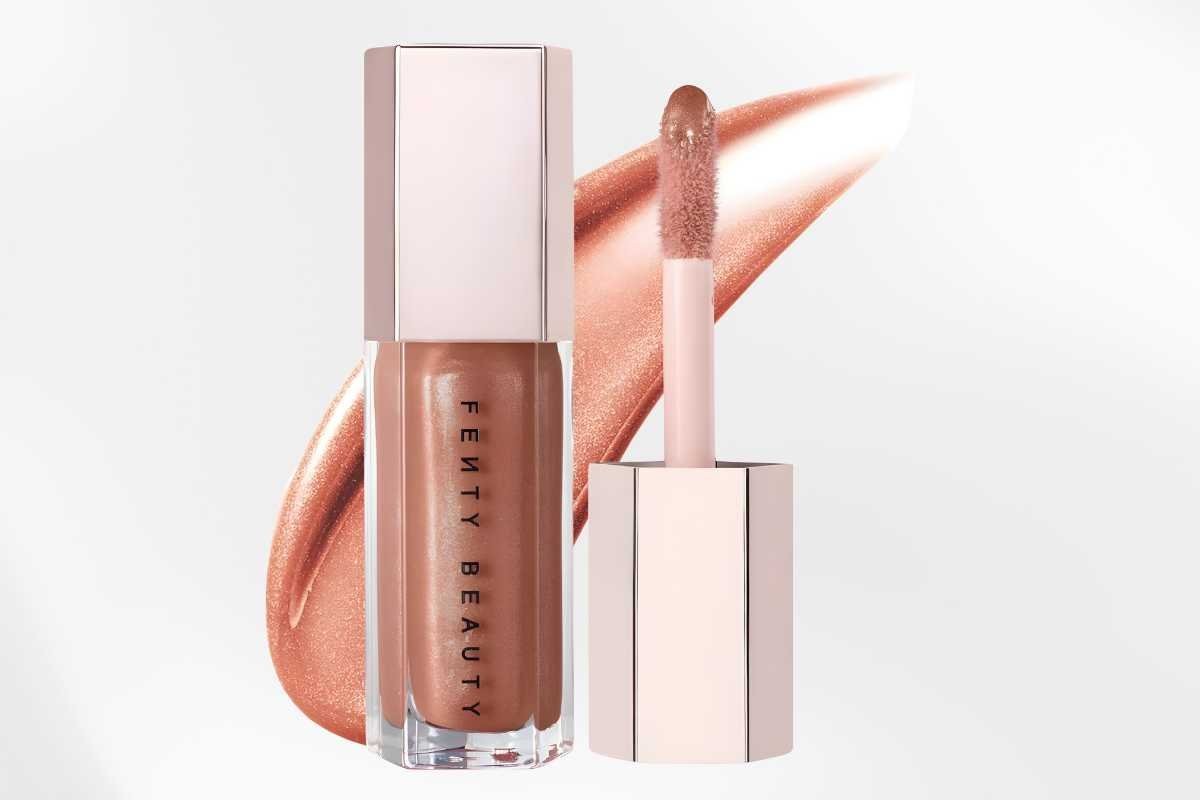
But Rihanna didn’t stop at the foundation. The line quickly grew into a full makeup collection, shimmering Killawatt highlighters, Gloss Bomb lip glosses, and eye-catching palettes that became instant favorites. Soon, she expanded into skincare with Fenty Skin in 2020, bringing the same philosophy of inclusivity and simplicity to routines beyond makeup. Most recently, she added Fenty Hair, proving her brand wasn’t limited to one corner of beauty but could touch every part of self-expression.
Fenty’s global expansion mirrored its growing product portfolio. From Sephora shelves in North America to stores across Europe, Asia, the Middle East, and beyond, the brand became a worldwide phenomenon. Each launch carried the same DNA: accessibility, diversity, and innovation. Rihanna’s business wasn’t just selling products; it was building a culture where everyone could see themselves reflected.
Counting the Coins: How Fenty Became a Multi-Billion Empire
From its thunderous launch, Fenty Beauty didn’t just make a splash; it made waves. Imagine the world watching a brand that seemed to appear out of nowhere, but already had $72 million in earned media value in its first month. By 2018, after only 15 months of business, it crossed US$570 million in revenue.
Then came steady growth, strong demand, and an ever-larger place in the beauty market. Eventually, the numbers told the story: the brand was worth roughly US$2.8 billion, half of which belongs to Rihanna herself. What started as a bold statement of inclusivity quickly became a financial powerhouse.
Fenty Beauty: Revenue & Valuation Snapshot
| Milestone | Metric | Value |
| One month post-launch (Sep-Oct 2017) | Earned Media Value (free publicity/exposure) | US$72 million |
| End of 2018 | Revenue after first 15 months (sales) | US$570 million |
| Valuation (Recent years) | Brand worth; stake division | US$2.8 billion total; Rihanna owns 50% |
Fenty’s billion-dollar empire wasn’t built on numbers alone; it was powered by a cultural shift. Beyond revenue charts, the brand changed the very standards of beauty, sparking what is now known as The Fenty Effect.
The Fenty Effect: How One Brand Redefined Beauty Standards Worldwide
Like a stone dropped in still water, Fenty Beauty’s debut rippled through the beauty world, changing what consumers expect and what brands believe they must offer. When Rihanna launched the brand in 2017 with 40 foundation shades to cover many skin tones, she didn’t just fill a gap; she set a new standard. The buzz wasn’t limited to makeup lovers; underserved customers who felt invisible suddenly saw themselves reflected in ad campaigns, in influencer content, and on shelves. This created strong social momentum: consumers started speaking, sharing, and demanding more.
Competing brands responded fast. Legacy lines expanded shade ranges, indie brands emphasized deeper and medium tones, and marketing shifted from aspirational only to include authenticity and representation. For many consumers of color, inclusion was no longer a “nice to have”; it became a must. The beauty industry changed from asking if to be inclusive, to how inclusive they could be.
This shift, often called the “Fenty Effect,” reshaped product launches, ad casting, and even pricing. As reported by Business of Fashion, brands like CoverGirl, Dior, and others broadened their shade offerings. Vogue also notes that 40 shades became a benchmark, with competing brands pushing to 50, 60, or more.
Key Stats & Facts:
- 40 foundation shades launched by Fenty Beauty in 2017.
- CoverGirl and Dior expanded shade ranges soon after (Business of Fashion).
- 40 shades became the benchmark; some brands later pushed to 50+ shades (Vogue).
- Inclusivity became a consumer demand, not just a marketing choice.
The Business Blueprint: Rihanna, LVMH, and the Machinery of Fenty
When Rihanna and LVMH shook hands, they did more than form a beauty brand; they built an engine designed for global reach and deep inclusion. With Kendo as the manufacturing incubator, Fenty Beauty became a joint venture that combines creative vision with the infrastructure of a luxury conglomerate. From formulation labs to distribution channels, the partnership has had to balance high ambitions with the hard work behind the scenes.
At a Glance: The Fenty Formula
Ownership structure:
- Fenty Beauty is co-owned by Rihanna and LVMH’s Kendo division.
- LVMH invested cash; Rihanna contributed “in-kind” assets (her name, time, creative input).
Distribution & Retail Channels:
- Main retail partner: Sephora (under LVMH), plus online direct-to-consumer channels.
- Entry into new sub-categories: e.g., Fenty Hair launched with nine haircare & styling items, stocked in Sephora stores (including Sephora at Kohl’s).
- Geographic expansion example: Exclusive partnerships in India (Sephora India & Tira Beauty), online & offline across many cities.
Operational challenges & supply chain:
- Shade formulation is costly: creating a large range of shades (especially deeper tones) requires more pigment, testing, R&D, and QC to ensure consistency. (Common to inclusive beauty brands, though specific financials are usually private.)
- Inclusivity adds complexity: logistics, packaging, approval processes, and raw material sourcing for diverse formulas increase costs and the time to market.
Beauty, Boldness, and Belonging: The Fenty Effect in Marketing

When Rihanna unveiled Fenty Beauty in 2017, she didn’t just launch makeup; she sparked a conversation about who belongs in beauty. Her persona, bold, authentic, and unapologetically inclusive, became the brand’s voice, shaping product design and marketing campaigns that resonated with millions. From foundation shades that celebrated all skin tones to advertising that featured real people instead of idealized models, Fenty made inclusivity tangible, not just a slogan.
The brand’s digital strategy amplified this impact: influencer collaborations, viral social media posts, and earned media coverage made it the most talked-about beauty launch on platforms like YouTube in its first year. By listening to consumer feedback, experimenting with shades and formulas, and featuring diverse faces in campaigns, Fenty Beauty didn’t just sell products; it built a culture where representation mattered. Every lipstick and highlighter told the story: beauty is for everyone, and everyone deserves to be seen.
Challenges & Future Prospects: Navigating Growth and Innovation
Since its groundbreaking launch in 2017, Fenty Beauty has revolutionized the beauty industry with its inclusive approach. However, as the brand continues to expand, it faces several challenges. Market saturation and intense competition from established and emerging brands require Fenty to maintain its authenticity while innovating. The cost of expanding its extensive shade range and ensuring consistent product quality across diverse markets adds complexity to its operations. Additionally, logistical hurdles in scaling production and distribution channels are ongoing concerns.
Looking ahead, Fenty Beauty is diversifying its product portfolio. The recent launch of Fenty Hair marks its entry into the hair care market, tapping into a sector projected to grow by nearly $20 billion over the next three years. This expansion includes entering new geographical markets, such as Asia and India, to reach a broader audience. By leveraging its brand equity and commitment to inclusivity, Fenty Beauty aims to sustain its growth trajectory and continue reshaping the beauty industry.
Key Insights
| Aspects | Details |
| Market Challenges | Market saturation, competition, maintaining authenticity, expanding shade ranges, and logistical hurdles. |
| Product Expansion | Launch of Fenty Hair into the growing hair care market. |
| Geographic Expansion | Entry into new markets, including Asia and India. |
| Growth Projections | The hair care market is expected to grow by nearly $20 billion over the next three years. |
Read Next: