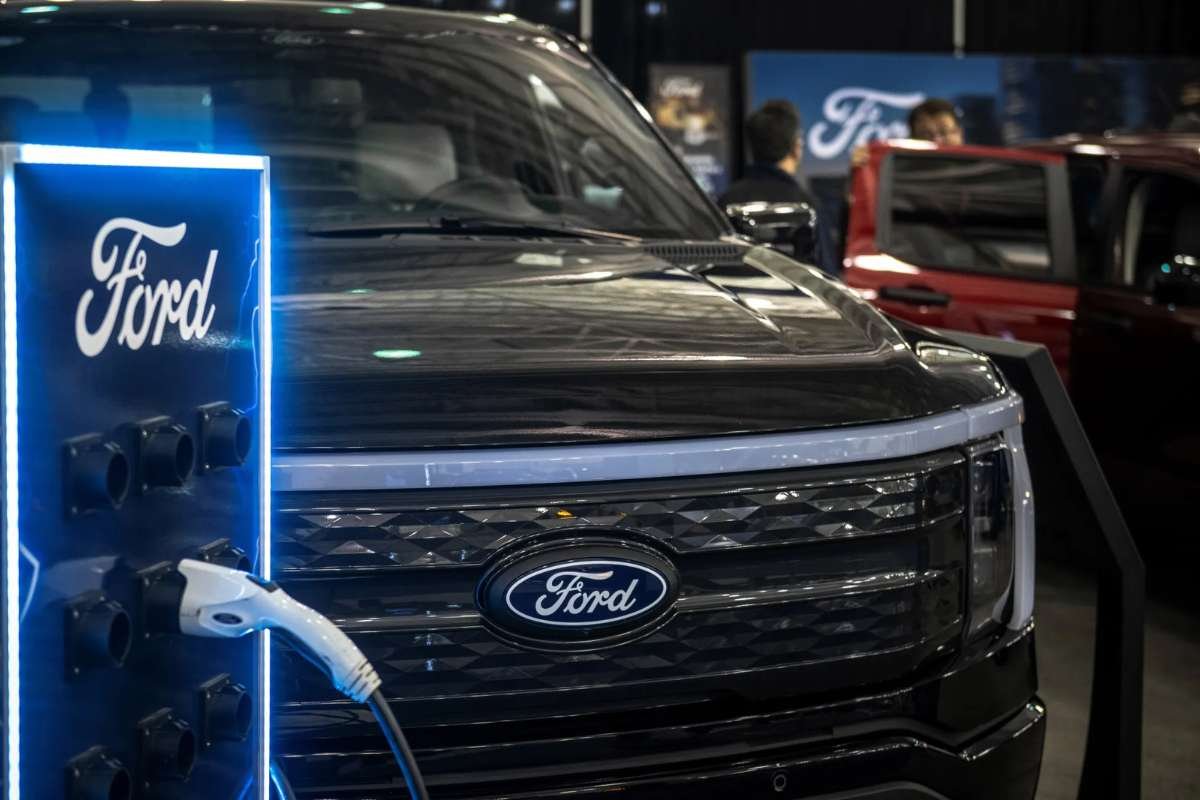
Ford Motor Company is repositioning its electric vehicle strategy with the development of a next-generation EV platform aimed at delivering more affordable models at scale. The automaker announced that the first vehicle built on this architecture will be a mid-size truck under the Ford electric pickup program, targeted at a starting price of approximately $30,000, with production expected to begin in 2027 for the 2028 model year.
The new platform, internally developed to simplify production and reduce material costs, marks a strategic pivot for the company. After facing significant losses in its EV division and slowing demand for higher-priced electric models, Ford is shifting its focus toward mass-market affordability. Executives described the initiative as one of the most important in the company’s recent history, signaling a renewed effort to compete aggressively in the evolving EV market.
Unlike earlier electric offerings that relied on larger battery packs and complex assemblies, the new architecture is engineered to lower both manufacturing expenses and vehicle weight. Ford aims to cut parts count, streamline factory processes, and improve overall efficiency. Moves are designed to make electric vehicles profitable without relying solely on premium pricing.
Engineering Innovation at the Core
A central feature of the Ford electric pickup strategy is a production technique known as “unicasting,” which allows large structural components to be manufactured as single pieces rather than assembled from multiple parts. This reduces complexity on the factory floor, shortens assembly times, and enhances structural consistency. By consolidating components, the company expects to lower labor costs and improve build quality.
The vehicle will also feature lithium iron phosphate (LFP) batteries. While LFP chemistry typically offers slightly lower energy density compared to some alternatives, it is more cost-effective and durable, key advantages for a vehicle aimed at affordability and everyday utility. Ford believes optimizing battery chemistry will be crucial in delivering a competitive range at a lower price point.
Aerodynamic performance has also received significant attention as engineers refine the Ford electric pickup platform. They have have focused on reducing drag and improving energy efficiency, enabling the truck to achieve competitive range figures with smaller battery packs. The company claims the new design delivers notably better aerodynamic efficiency than traditional pickup trucks, helping stretch every kilowatt-hour further.
Additionally, the platform introduces a zonal electrical architecture, replacing traditional complex wiring systems with modular controllers. This modern approach reduces wiring weight, simplifies diagnostics, and allows easier software updates, a move aligned with the industry’s broader shift toward software-defined vehicles.
A Strategic Reset in a Competitive Market
Ford’s renewed EV strategy comes amid intense competition and shifting consumer expectations. The company’s earlier electric models, including the F-150 Lightning, demonstrated strong initial interest but faced cost pressures and market volatility. Rising raw material prices, fluctuating demand, and narrowing profit margins prompted leadership to rethink the company’s EV roadmap.
Chief Executive Officer Jim Farley has framed the new EV platform as transformative, drawing parallels to pivotal moments in Ford’s history when innovation reshaped the company’s trajectory. The goal is not only to introduce a single affordable truck but to create a scalable foundation capable of supporting multiple body styles in the future, including crossovers and vans.
Industry analysts view the Ford electric pickup initiative as a calculated attempt to capture a broader segment of buyers who remain interested in electric vehicles but are sensitive to price. As global automakers compete to balance profitability with accessibility, Ford’s focus on efficiency, cost discipline, and engineering innovation may determine its standing in the next phase of the EV race.
With production still two years away, the $30,000 electric pickup represents both a challenge and an opportunity. If successful, it could redefine affordability in the electric truck segment and strengthen Ford’s position in a rapidly maturing market.