Technology has had a profound impact on the way products are put together, delivered, and scaled back to the customer. From the cutting-edge digital design tools to automation and smart systems, businesses can now move more quickly and operate with much greater precision than ever before. Across different industries, leaders are investing heavily in new platforms to stay ahead of the curve, responding to the way that technology is changing the way products are delivered and altering what customers expect.
But despite all these advances, many organizations struggle to turn their technology investments into real-world improvements. Tools are implemented, but then execution doesn’t live up to the hype. Adoption stalls, workarounds start to emerge, and teams end up feeling held back rather than empowered.
The thing is, it’s not that technology is not effective. The problem is that technology all too often fails to take into account how people actually work. When systems ignore human behavior, they create inefficiency. To bridge this gap, businesses must prioritize Human-centered technology to ensure that systems empower the workforce and align with natural workflows rather than working against them.
The Idea That Technology Automatically Improves Performance
There’s a widespread perception that newer, more advanced tools naturally lead to better results. Feature-rich platforms are expected to streamline operations, reduce errors, and boost productivity simply because they exist.
But the truth is, technology does not improve performance all on its own. It only creates the potential for improvement. The actual improvement occurs when people actually use the tools on a daily basis. When technology is chosen because it is theoretically efficient rather than practical to use, it often underperforms.
Tools that look very impressive in demos can feel clunky when put to real-world use. If they do not reflect how teams think and work, then they can become obstacles rather than the accelerators that they are meant to be.
When Technology Creates Inefficiency Instead of Efficiency?
One of the clearest signs of misalignment is when technology creates friction. Instead of making work easier, technology ends up adding extra steps, complexity, and confusion. Employees spend more time fiddling with systems than actually working on tasks. Processes slow down rather than speed up.
This misalignment is a big part of why approximately 70% of digital transformation initiatives fail. The failure is rarely due to the technology itself; more often than not, it is because there was no focus on human-centered technology. More often than not, it’s because of poor adoption, lack of integration with existing workflows, or lack of thought to how people will actually use the technology.
Friction can appear in very subtle ways. Over time, issues build up, eroding efficiency and undermining confidence in the technology.
People Are Still The Engine Behind Getting Products Out The Door
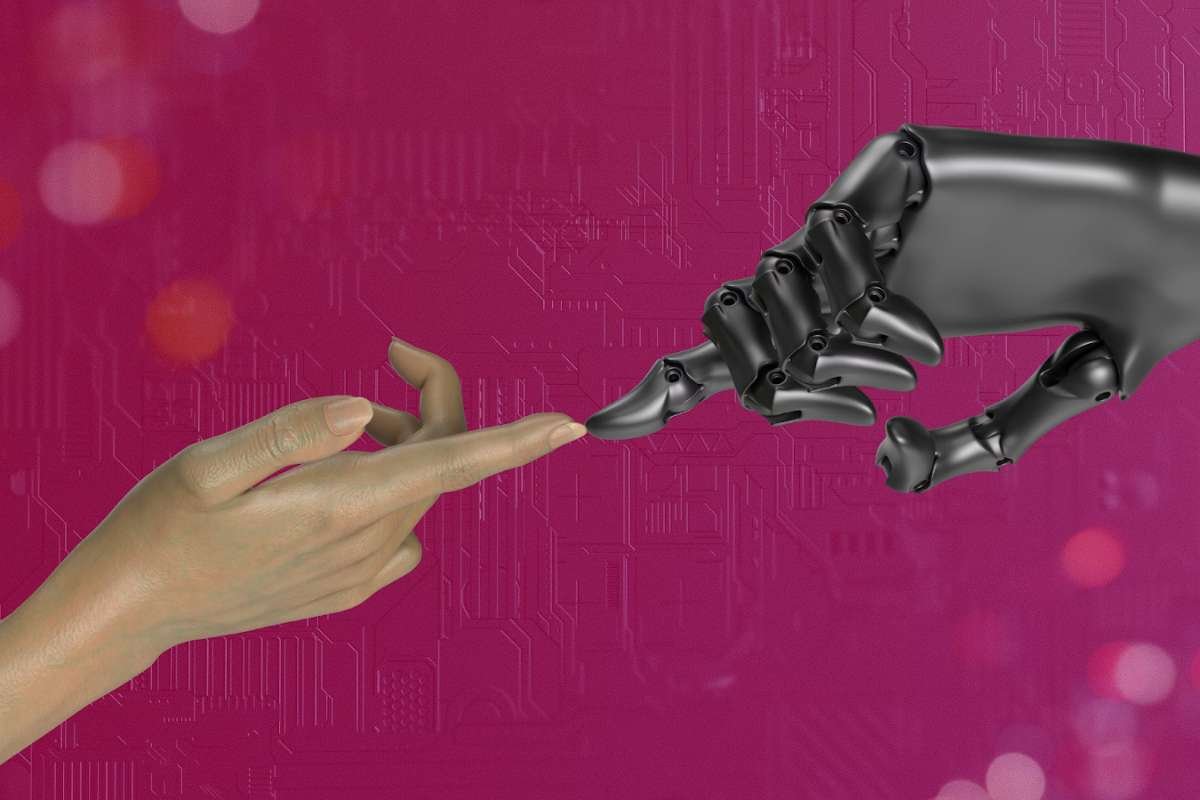
Despite how advanced technology gets, people are still at the heart of execution. Getting products to the customer in the end depends on coordination, good judgement and being accountable.
Technology has to take into account real human constraints. Cognitive load is limited. We are all guilty of context switching, and this reduces our focus. Communication patterns are not the same across teams. People have different skill levels, and fatigue is a real factor in performance.
When systems ignore these elements, the whole implementation process can be really stressful. On the other hand, when they account for it, they can amplify people’s strengths. Technology works best when it helps people rather than trying to replace their workflows in the actual execution process.
How Aligned Technology Helps Teams Overcome Real-World Limitations?
When Human-centered technology is designed with people in mind, it tackles real-world problems rather than creating new ones. Automation can get rid of the repetitive tasks that take up time and energy. Collaboration tools can reduce miscommunication by putting all the info in one place. Analytics can help us make better decisions by cutting through the noise.
Aligned systems help teams work much more consistently and confidently. They reduce the number of errors that they make without piling on extra stress. They give support where people are most vulnerable, such as being able to manage data volume, speed, or complexity, while still allowing for good judgment and creativity.
This alignment requires understanding how teams actually work day in and day out and designing systems that fit those patterns.
Designing Technology Around The Real WorkFlows

A lot of technology implementations fail because they prioritise features over fit. Tools are picked out because of what they can do rather than how they will actually be used. In this case, adoption is assumed, but it’s not enough to make it happen.
Designing around the real workflows flips this around. It starts with observing how work actually happens, spotting existing friction points, and selecting or configuring tools to support those realities. Success is measured by usability and adoption, not just technical capability.
A people-focused framework gives structure to this approach. Centering technology decisions around human behavior and operational needs helps organizations implement systems that teams can actually get behind. Technology then becomes a support mechanism rather than a constraint. This enables smoother execution and better results.
The Competitive Advantage Of Human-Centred Technology
Organizations that align human-centered technology with people gain a real edge. Teams are able to work faster because tools help them work in their natural way, and errors go down because systems are intuitive and consistent. And because people feel enabled rather than controlled by technology, engagement goes up.
This alignment also means that product delivery is faster. When systems reduce friction, teams can respond more quickly to changes, collaborate more effectively, and still keep quality up. In competitive markets, this kind of operational agility is a real differentiator.
Human-centred technology enhances efficiency by making sure that systems are used in the way that they are meant to be used.
Technology keeps on changing what’s possible in getting products out the door and how businesses run. But ignoring all these advances isn’t really a viable option. But neither is throwing tech at the problem without even thinking about how it fits into the daily grind.
The companies that successfully implement new tech know that it’s not about the tech itself. It’s about making sure that the tools their teams use actually fit how people work. r
Real progress is about having the right tools, in the right hands, used at the right time.