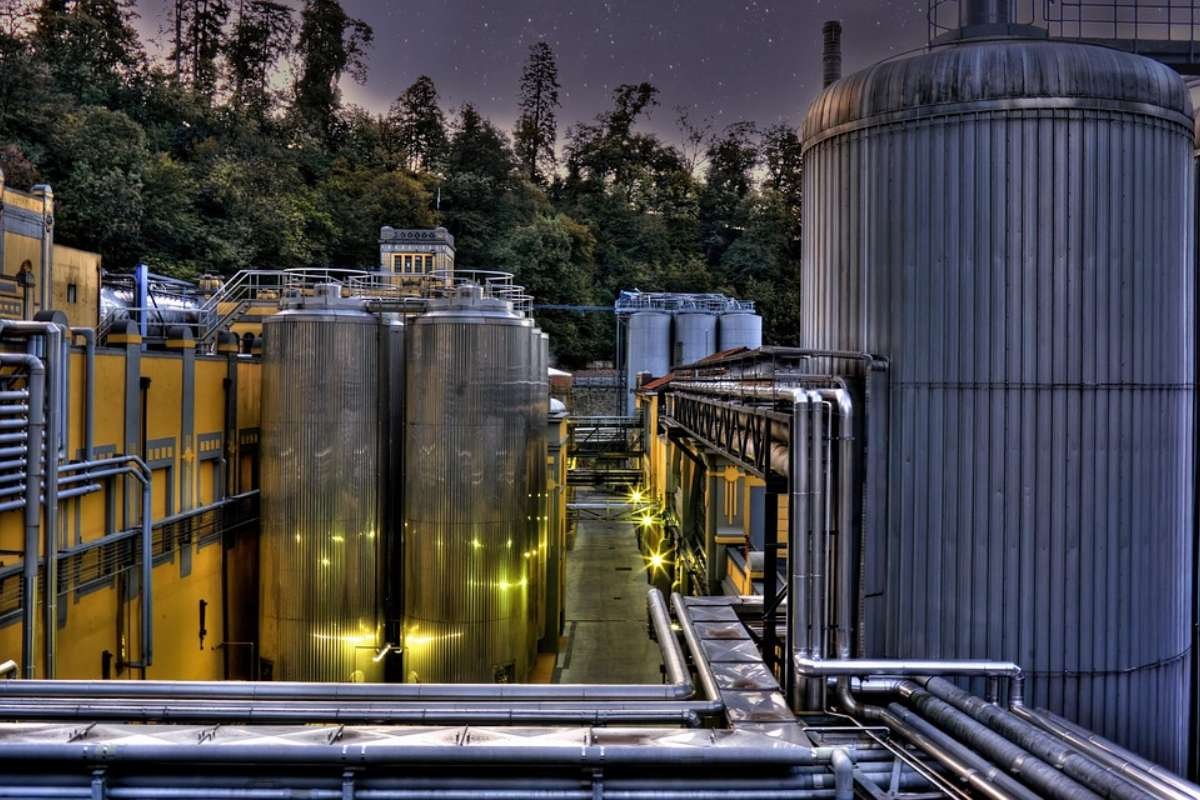
Hydrogen is fast becoming the fuel of the future, powering industries, transport, and energy systems with minimal environmental impact. But with all its promise comes risk. Hydrogen is incredibly flammable, colorless, and odorless, making leaks hard to detect. In electrolyzer plants and hydrogen storage areas, a single unnoticed leak can escalate into dangerous situations.
That’s why proper monitoring is not just a technical requirement; it’s a critical safety measure. For businesses in the hydrogen space, investing in reliable solutions such as hydrogen gas detectors is an essential step toward protecting people and infrastructure.
Hydrogen Risks in Electrolyzer and Storage Areas
Understanding hydrogen’s unique characteristics is the first step toward safe handling. Being the lightest element, hydrogen rises quickly and can accumulate near ceilings or confined spaces. Its explosive range in air is surprisingly broad, from just 4% to 75% concentration, meaning even a small leak can become hazardous if undetected.
Electrolyzers, which generate hydrogen (and oxygen) simultaneously, increase the risk of unintended gas accumulation, while storage tanks hold hydrogen under pressure, creating potential hotspots for leaks.
Leaks are not always obvious. Because hydrogen is invisible and odorless, relying on human senses is futile.
Why Dedicated Detection is Crucial in Electrolyzer Areas?

Electrolyzer facilities typically operate continuously, often 24 hours a day. Under these conditions, even low-rate leaks can gradually rise to dangerous concentrations, especially in upper-level areas or spaces with insufficient ventilation. Manual inspections, however frequent, cannot offer the constant vigilance required to ensure early detection.
Dedicated hydrogen detection systems fill this gap by monitoring conditions in real time. Fixed gas detectors continuously sample the air and trigger alerts long before hydrogen levels become hazardous. This provides operators with critical reaction time, reduces uncertainty, and transforms safety from reactive to proactive. Instead of relying on periodic checks, facilities gain an always-on layer of protection that safeguards both personnel and infrastructure.
Where You Need Detectors the Most?
Buyers often ask: “Where should detectors be installed?”
Here are the three main areas where hydrogen detection is essential:
1. Electrolyzer Rooms
Hydrogen is produced continuously, so leaks must be caught early. Detectors installed near the ceiling and connection points alert you before gas builds up.
2. Hydrogen Storage Areas
Storage cylinders and tanks operate under pressure, creating potential leak points. A detector ensures small leaks don’t turn into serious hazards.
3. Pipe Runs, Valves, and Manifolds
Every connection point has the potential to leak over time. Fixed detectors provide coverage in the most vulnerable areas.
For buyers, understanding where to place detectors is just as important as choosing the detector itself.
Role of Fixed Hydrogen Gas Detectors in Protection

Now shift into the solution, still not technical, still emotion-aware.
Explain how Hydrogen Gas Detectors act like silent protectors in the background.
Focus on messaging such as:
- Work 24/7, even when no one is watching
- They trigger alerts before danger becomes real
- Help remove the “what if?” stress that operators carry every day
- They give teams the confidence to focus on productivity, not fear
Here is also where the link naturally fits again if needed: Reliable systems, such as industrial-grade help facilities, breathe easier, especially in high-risk zones.
Modern solutions, like the hydrogen gas detectors, offer integration with broader safety systems. They can connect to alarms, ventilation controls, and emergency shutdown mechanisms, creating a comprehensive safety network. In essence, these detectors don’t just alert, they actively protect.
How These Detectors Protect Electrolyzers Specifically?
In electrolyzer rooms, early detection is vital. Fixed hydrogen gas detectors are typically installed near the ceiling, along potential leak paths, and around critical equipment such as manifolds, valves, and pipe runs. They continuously sample the surrounding air and detect rising concentrations of hydrogen.
When levels approach pre-set thresholds, the system can:
- Start or boost ventilation fans
- Isolate or shut down the affected electrolyzer skids
- Trigger audible and visual alarms
- Send signals to SCADA or PLC systems for centralized monitoring
Advanced detectors support remote diagnostics, self-check functions, and integration with plant-wide safety logic. This allows operators to see hydrogen status across multiple rooms or buildings from a single control room, and to implement automated responses based on clearly defined safety rules.
Key Buying Considerations for Hydrogen Gas Detectors

To move from theory to a robust safety solution, decision-makers need clear buying criteria. When selecting hydrogen gas detectors for electrolyzer and storage areas, several factors are especially important:
- Detection Range and Sensitivity
- Ensure the detector is designed for hydrogen and can accurately measure concentrations around the lower explosive limit (LEL). For most safety applications, detectors are set to alarm well below 100% LEL to provide a margin of safety.
- Sensor Technology
- Different sensor types—such as catalytic bead, thermal conductivity, semiconductor, or electrochemical—have different strengths. Buyers should consider factors such as response time, cross-sensitivity to other gases, and suitability for the intended environment.
- Hazardous Area Certification
- Electrolyzer and storage zones are often classified as hazardous areas. Look for detectors that comply with relevant explosion-proof or intrinsically safe certifications for the region, and that are suitable for the designated zone classification.
- Response Time and Reliability
- A fast response can make the difference between a manageable incident and a serious event. Check manufacturer data for typical T90 response times and verify that the device has a proven track record in industrial use.
- Integration and Communication
- Detectors should integrate reliably with existing safety systems—whether via analog signals such as 4–20 mA or digital protocols linked to SCADA and PLC platforms. This ensures that alarms, shutdowns, and data logging work as a unified system.
- Installation Environment and Durability
- Consider temperature range, humidity, vibration, and possible exposure to chemicals or dust. Housings, ingress protection ratings, and mounting options should match the real conditions in electrolyzer halls or storage yards.
- Calibration and Maintenance Requirements
- All detectors require periodic testing and calibration. Clear procedures, accessible calibration ports, and available spare parts help reduce downtime and lifecycle cost.
Partnering with reliable industrial suppliers, such as Gas Dog, can simplify these decisions by providing detectors engineered for hydrogen service, supported by documentation and technical guidance tailored to electrolyzer and storage applications.
Compliance, Safety Standards & Organizational Benefits
Installing hydrogen gas detectors is not only a matter of good practice; it is central to compliance and corporate responsibility. International standards and guidelines for explosive atmospheres specify requirements for electrical equipment, area classification, and risk reduction measures. Following these frameworks is essential for legal compliance, project approval, insurance, and stakeholder confidence.
Beyond avoiding fines or sanctions, fixed detection systems deliver tangible operational value:
- Reduced downtime by catching small issues before they become major incidents
- Better maintenance planning through alarm history and trend data
- Improved risk transparency for management, investors, and regulators
- Stronger safety culture, which supports talent retention and corporate reputation
By combining real-time detection with clear procedures and training, companies create a safety net that supports long-term growth in the hydrogen sector.
In practice, many operators work with safety-focused solution providers such as Gas Dog, who help facilities interpret hazardous-area requirements and implement compliant, well-configured detection strategies.
Conclusion
As hydrogen technologies continue to expand, safety systems must evolve with them. A fixed hydrogen gas detector is far more than a device—it is a critical protective layer that supports safe operations, protects personnel, and maintains regulatory compliance. For buyers weighing options, understanding the key decision factors makes it easier to choose a solution that balances performance, reliability, and long-term value.
Hydrogen offers enormous potential, but only when handled with care. The right detection system helps ensure that this potential is realized safely, consistently, and confidently.